I Stared at a Kid Aand He Yelled at Me: What Patients Need to Know
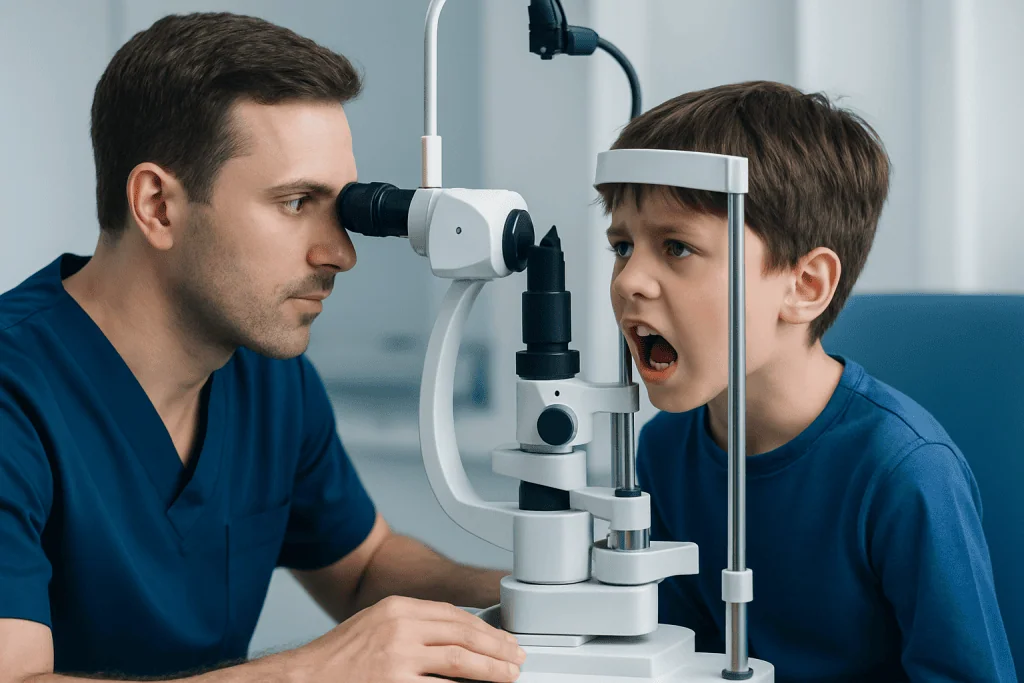
Children may yell when they feel watched, surprised, frightened, overstimulated, or frustrated. Staring can feel intense or threatening to some children, even when no harm is intended.
Key Takeaways
- Children may yell when they feel watched, surprised, frightened, overstimulated, or frustrated.
- Staring can feel intense or threatening to some children, even when no harm is intended.
- Sensory differences, developmental stage, tiredness, hunger, and unfamiliar environments can affect a child’s reaction.
- The most respectful response is to look away, give space, remain calm, and avoid labeling the child.
- Medical assessment may be useful when intense reactions are frequent, severe, or affect a child’s daily functioning.
If someone says, “I stared at a kid aand he yelled at me,” the most likely explanation is that the child felt uncomfortable, startled, overwhelmed, or unable to express a boundary calmly. A single reaction does not reveal a child’s diagnosis, personality, home life, or intentions.
What Does It Mean When a Child Yells After Being Stared At?
The phrase “I stared at a kid aand he yelled at me” usually describes an everyday social interaction rather than a medical problem. A child may yell because they noticed sustained eye contact and felt uncomfortable, surprised, nervous, annoyed, or overwhelmed. Children are still learning how to manage emotions and communicate personal boundaries, so a loud response may be the fastest way they know to say, “Please stop” or “I do not feel safe.”
It is important not to draw conclusions from one moment. The reaction does not, by itself, mean the child has a developmental condition, behavioral disorder, trauma history, or poor parenting. Likewise, it does not necessarily mean the person looking at the child intended harm. Context—including the child’s age, environment, mood, and prior experiences—often explains far more than the yell itself.
A helpful response is simple: stop looking, allow physical space, and avoid arguing or demanding an explanation. A calm adult nearby may be able to reassure the child. Respecting the reaction without taking it personally helps restore a sense of safety for everyone involved.
Why Eye Contact and Staring Can Feel Intense
Eye contact is an important social signal, but its meaning varies between people, cultures, and situations. Brief, friendly eye contact is commonly part of conversation. Prolonged or repeated looking, however, can be interpreted as scrutiny, confrontation, curiosity, or unwanted attention—particularly by a child who does not know the person.
Children may be more sensitive to this because they have less control over public situations and may not yet have the language to explain discomfort. A child in a crowded shop, waiting room, restaurant, airport, or school event may already be coping with noise, movement, unfamiliar people, or changes in routine. Being watched can become the final stressor that triggers a louder response.
Some children also find direct gaze difficult to tolerate. This can occur in children with sensory sensitivities, anxiety, communication differences, or neurodevelopmental differences, but it can also occur in typically developing children. It is not appropriate to diagnose a child based on eye contact preferences or a single episode of yelling.
Common Reasons a Child May Yell
Yelling is often a form of communication. Depending on the situation, the child may be trying to express fear, discomfort, anger, embarrassment, excitement, pain, or a need for distance. Young children in particular may not yet be able to pause, identify an emotion, and choose a quieter way to respond.
Common contributors include tiredness, hunger, illness, pain, a busy or noisy setting, transitions, conflict, and feeling rushed. A child may also react more strongly after a difficult day at school or during travel. Even a neutral action can feel more upsetting when a child’s emotional resources are already low.
- Feeling observed: The child may interpret sustained attention as unwanted or threatening.
- Startle response: A sudden glance, approach, sound, or movement may cause an immediate yell.
- Sensory overload: Noise, lights, crowds, textures, or smells can make self-regulation harder.
- Limited communication skills: The child may not know how to say they need space.
- Fear or anxiety: Unfamiliar people and places can be challenging for some children.
Understanding the possible reasons does not require excusing unsafe behavior. Adults can set calm limits while recognizing that a child who is distressed often needs support before they can learn from the moment.
Sensory Needs, Anxiety, and Developmental Differences
Some children experience sounds, touch, visual attention, crowds, or changes in routine more intensely than others. When their nervous system becomes overloaded, they may shout, cry, run away, cover their ears, or have difficulty responding to reassurance. These reactions are sometimes described as dysregulation: a temporary loss of the ability to manage emotions and behavior effectively.
Children with anxiety may also be especially alert to unfamiliar people or perceived social pressure. They may avoid eye contact, cling to a trusted adult, speak loudly, or react defensively when they feel exposed. Gentle reassurance and reduced demands are generally more useful than correcting the child publicly.
Autism spectrum disorder can include differences in social communication and sensory processing, but one episode of yelling after eye contact is not enough to suggest autism. A full evaluation considers patterns over time, development, communication, play, relationships, daily functioning, and input from caregivers and teachers. Families with broader concerns can discuss them with a pediatrician or a specialist experienced in autism spectrum disorder.
Other factors, such as attention difficulties, speech and language challenges, sleep problems, hearing concerns, or stressful life events, may also influence behavior. The most useful approach is to look at the child’s overall pattern rather than attaching a label to one reaction.
How Adults Can Respond Respectfully in the Moment
If a child yells after being looked at, the person who was looking can help de-escalate by ending eye contact and creating distance. There is no need to defend the stare, ask personal questions, or insist that the child apologize immediately. A neutral response such as, “Okay, I’ll give you space,” is often enough.
Caregivers can support the child by remaining calm, moving to a quieter area when possible, and using short, reassuring language. Once the child is settled, caregivers may gently teach alternatives such as saying, “Please do not look at me,” “I need space,” or asking for help. Practicing these phrases at home can make them easier to use during stressful moments.
Adults should avoid shaming statements such as “Stop being dramatic” or “There is nothing wrong.” Although well meant, these comments can increase distress and make it harder for a child to learn emotional regulation. The goal is not to validate every behavior, but to acknowledge the feeling and guide the child toward safer, more effective communication.
Supporting Emotional Regulation Over Time
Children learn emotional regulation gradually through repeated support from trusted adults. Predictable routines, adequate sleep, regular meals, opportunities for physical activity, and advance notice of transitions can reduce overwhelm for many children. Caregivers may also identify early signs of stress, such as fidgeting, becoming quiet, covering ears, or asking to leave.
A simple coping plan can be useful for children who often become distressed in public. This may include bringing headphones, a familiar object, water, a snack, or a plan for a quiet break. Teaching slow breathing, naming emotions, and using a “help” signal can provide additional tools, especially when practiced during calm periods.
If strong reactions happen repeatedly, keeping brief notes may help identify patterns. Record what happened beforehand, the setting, possible triggers, how long the reaction lasted, and what helped. These observations can make conversations with a clinician more productive and can guide practical changes at home or school.
Professional support can be considered when emotional or sensory difficulties interfere with daily life. Depending on the child’s needs, assessment may involve pediatrics, child psychology, developmental pediatrics, speech and language therapy, or occupational therapy. Occupational therapy may help some children build sensory regulation and daily-living skills as part of an individualized plan.
When to Seek Medical Care
A single episode of yelling after being stared at usually does not require medical care. It may be helpful to speak with a pediatrician, however, if intense reactions happen often, appear to be increasing, lead to significant problems at school or home, or make it difficult for the child to participate in ordinary activities.
Caregivers should seek prompt medical advice if behavior changes suddenly alongside signs of illness or injury, such as fever, severe headache, confusion, fainting, unusual sleepiness, severe pain, hearing changes, or a suspected reaction to medication. Urgent help is appropriate when a child may harm themselves or someone else, cannot be kept safe, or is in immediate danger.
A clinician can review the child’s physical health, development, sleep, mood, hearing, communication, and family circumstances. Acibadem International’s multidisciplinary specialists and JCI-accredited hospitals can assess and treat children with developmental, behavioral, or sensory concerns for international patients. Early, supportive assessment can help families understand needs without assuming the worst.
Frequently asked questions
Is it normal for a child to yell when someone stares at them?
It can be a normal reaction, especially if the child feels uncomfortable, startled, tired, or overwhelmed. Children do not always have the language or self-control to express a boundary quietly. One incident alone does not usually indicate a health condition.
Does yelling after eye contact mean a child has autism?
No. A single response to eye contact cannot diagnose autism or any other condition. Autism assessment looks at a broader, ongoing pattern of social communication, behavior, sensory experiences, and development.
What should someone do if a child yells at them for looking?
The best response is to stop looking, give the child space, and remain calm. Avoid arguing, teasing, or asking the child to explain themselves in the moment. A brief acknowledgment of their need for space is usually respectful and helpful.
Why might a child be sensitive to being watched?
A child may feel self-conscious, anxious, overstimulated, or uncertain around unfamiliar people. Direct attention can also feel intense for children with sensory sensitivities or communication differences. Their response may depend on the setting, their mood, and what happened earlier that day.
When should parents discuss frequent yelling with a doctor?
Parents may wish to seek advice when outbursts are frequent, severe, worsening, or disrupting school, friendships, family life, or everyday activities. A pediatrician can help identify possible contributors, including stress, sleep difficulties, anxiety, sensory needs, communication challenges, or physical discomfort.
How can caregivers help a child communicate discomfort more calmly?
Caregivers can practice short phrases such as “I need space” or “Please stop looking at me” when the child is calm. They can also model emotional language, prepare for busy environments, and offer quiet breaks before the child becomes overwhelmed. Progress is usually gradual and benefits from consistent, supportive guidance.
This article is for general information only and is not a substitute for professional medical advice. Please consult a qualified doctor about your individual situation.
Explore treatments in Turkey — costs, top hospitals & a free quote
JCI-accredited · board-certified surgeons · reply within 24h
Add us as a Preferred Source to see more of our trusted health content across Google Search, AI Overviews and Discover.

More from the Health Library

Size Breasts — Explained by Medical Evidence, Not Myths

Skin Peeling in Tongue — Explained by Medical Evidence, Not Myths

Peppermint Oil for Spiders: A Complete Medical Overview

Myrrh — Explained by Medical Evidence, Not Myths

Ophthalmoplegia: A Complete Medical Overview