Peppermint Oil for Spiders: A Complete Medical Overview

Evidence that peppermint oil reliably repels spiders in homes is limited, and it should not be considered pest control. Undiluted peppermint oil can irritate the skin, eyes, and airways and may be harmful if swallowed.
Key Takeaways
- Evidence that peppermint oil reliably repels spiders in homes is limited, and it should not be considered pest control.
- Undiluted peppermint oil can irritate the skin, eyes, and airways and may be harmful if swallowed.
- Sealing gaps, reducing clutter, cleaning webs, and using appropriate pest-management methods are more dependable prevention steps.
- Most spider bites cause mild local symptoms, but some reactions need prompt medical assessment.
- Children, pets, and people with asthma, allergies, or sensitive skin need extra caution around essential oils.
Peppermint oil is often used at home to discourage spiders, but strong clinical or real-world evidence that it reliably repels or eliminates them is limited. Safer results usually come from reducing entry points and hiding places, while medical care is important if a suspected spider bite causes concerning symptoms.
Peppermint Oil for Spiders: What It Can and Cannot Do
Peppermint oil for spiders is commonly suggested as a natural household repellent. The strong scent and volatile compounds in peppermint oil may be unpleasant to some arthropods under laboratory conditions, but there is limited high-quality evidence showing that peppermint oil consistently keeps spiders away from lived-in homes or prevents spiders from returning.
It is important to distinguish repelling from killing or controlling a spider problem. Spraying a scented product around a window, doorway, or corner may temporarily change where a spider travels, but it does not remove egg sacs, address the insects that spiders may be feeding on, or close the routes through which spiders enter. It should not be relied on as the sole measure where there are repeated sightings or concern about a medically significant spider species.
For most households, peppermint oil is best viewed as an optional, limited adjunct to practical home maintenance rather than a proven treatment. People who choose to use it should do so cautiously, avoid direct contact with skin and eyes, and keep expectations realistic.
Why Spiders Enter Homes

Spiders commonly move indoors in search of shelter, suitable temperatures, moisture, or prey. They may enter through gaps around doors and windows, openings near pipes, damaged screens, vents, basements, garages, and cluttered storage areas. Their presence does not necessarily mean that a home is unclean.
Because many spiders feed on insects, an increase in spiders can sometimes reflect an available food source. Flies, moths, cockroaches, and other small insects around exterior lights, food waste, pet food, or damp areas may support spider activity. Addressing these conditions is generally more useful than relying on an odor-based deterrent.
Most spiders encountered indoors are not aggressive and will try to avoid people. Bites are uncommon and often happen when a spider is trapped against skin, such as inside clothing, shoes, bedding, gloves, or stored items. Avoiding direct handling is a sensible precaution.
Evidence and Limitations of Essential-Oil Repellents
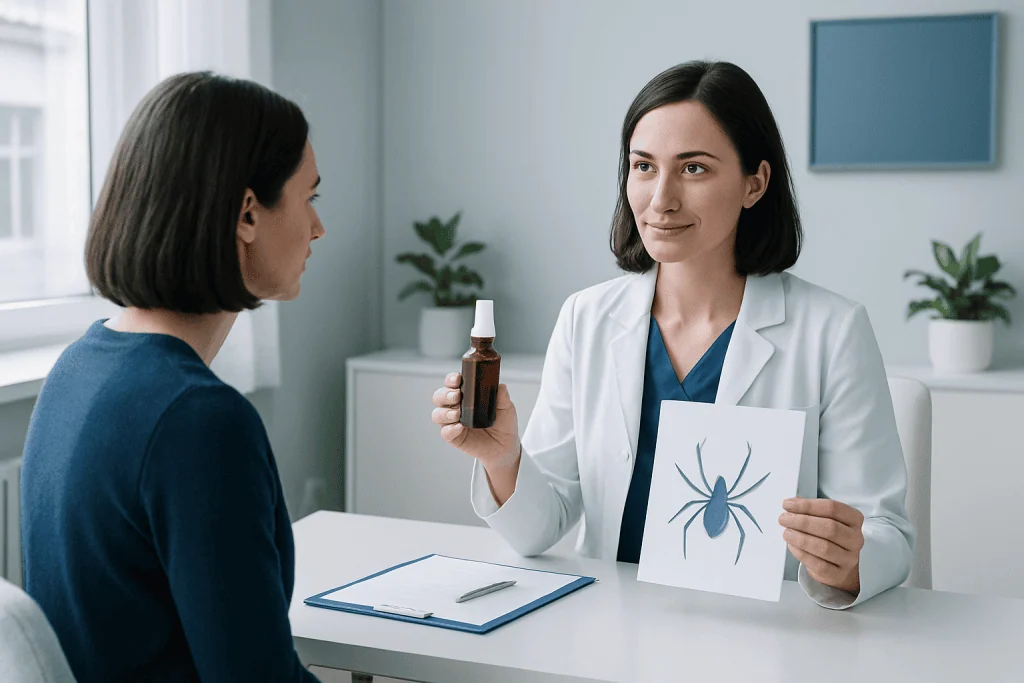
Peppermint essential oil contains aromatic compounds, including menthol and menthone. Essential oils can affect the behavior of some insects and arthropods in controlled settings. However, laboratory findings do not automatically show that a product will work at household concentrations, remain effective after drying, or meaningfully reduce spider numbers over time.
There are no broadly accepted medical or public-health recommendations that name peppermint oil as a reliable method for preventing spider bites or managing an indoor spider infestation. The concentration, formulation, placement, ventilation, and type of spider can all influence any effect. Commercial products may also vary greatly in their actual ingredients and strength.
A strong scent can mask odors for a short time, but it does not correct environmental factors that attract prey or provide shelter. Reapplying oil frequently can increase household exposure without providing dependable benefit. When spider activity is persistent, targeted integrated pest management or advice from a qualified pest-control professional is usually more effective.
Safety Considerations for Peppermint Oil
Essential oils are concentrated substances, not harmless fragrances. Peppermint oil can cause burning, redness, itching, or allergic contact dermatitis when applied to the skin, particularly if used undiluted. It can also irritate the eyes, nose, throat, and lungs. People should not spray it on bedding, clothing, children’s toys, food-preparation surfaces, or areas where it may reach the face.
Inhalation of strong fragrances may trigger coughing, headache, nausea, or breathing discomfort in some people, especially those with asthma, chronic lung disease, migraine sensitivity, or fragrance allergy. Use in enclosed or poorly ventilated spaces can increase irritation. Anyone who develops wheezing, facial swelling, widespread rash, or significant breathing difficulty should stop exposure and seek urgent medical help.
Ingestion is not appropriate. Essential oils can be toxic if swallowed, especially for children. They should be stored in their original containers, closed securely, and kept out of reach of children and pets. Pet safety is also important: cats, dogs, birds, and other animals may react adversely to concentrated oils, whether through licking, skin contact, or inhalation.
- Do not apply undiluted peppermint oil to skin.
- Do not mix essential oils with household chemicals or use them near flames or heat sources.
- Test any cleaning or repellent product on a small, hidden surface first to avoid damage.
- Contact a local poison center or emergency service promptly if a child or pet may have swallowed an essential oil.
More Reliable Ways to Reduce Spider Activity
Reducing spiders indoors usually works best through several small environmental measures. Inspect and seal cracks around windows, doors, utility pipes, and foundations where practical. Repair torn screens, install door sweeps, and reduce gaps that may allow spiders and insects to enter. Regularly remove webs and egg sacs using a vacuum attachment, then empty the vacuum safely.
Indoor clutter can provide quiet spaces for spiders to hide. Keeping stored goods in sealed containers, moving boxes away from walls, and cleaning behind furniture can make these areas less suitable. Shoes, gloves, gardening items, and clothing that have been kept in garages, sheds, or basements should be shaken out before use.
Outdoor changes can also help. Keep vegetation, woodpiles, leaf litter, and stored materials away from the home’s exterior where possible. Consider reducing outdoor lighting that attracts insects or using lights designed to attract fewer insects. If there are many spiders, repeated egg sacs, or concern about a potentially harmful species, a licensed pest-management professional can identify the problem and recommend suitable control options.
Spider Bites and Basic First Aid
Many skin lesions thought to be spider bites have other causes, including insect bites, skin irritation, infection, or allergic reactions. A confirmed bite is more likely when a person saw a spider bite them. When possible, it can be useful to take a clear photo of the spider from a safe distance, but no one should try to capture or handle it.
For a mild suspected spider bite, gently wash the area with soap and water. A cool compress wrapped in cloth may reduce pain and swelling. Keeping the affected limb elevated can also help if there is local swelling. Avoid cutting the skin, attempting to suck out venom, applying heat, or using unproven topical remedies, as these can worsen injury or delay appropriate care.
Monitor the area and the person’s general condition over the following hours. Mild pain, redness, and swelling may occur with many minor bites, but symptoms should not be ignored if they are worsening. A clinician can assess whether the symptoms fit a bite reaction, an allergic response, a skin infection, or another condition.
When to Seek Medical Care
Medical care is appropriate if a suspected spider bite causes severe or increasing pain, spreading redness, a blister, skin discoloration, pus, fever, vomiting, muscle cramps, sweating, dizziness, weakness, or feeling generally unwell. Urgent assessment is especially important after a bite from a spider that may be medically significant in the local region, or when the spider is identified by a qualified expert.
Emergency care is needed for trouble breathing, swelling of the lips, tongue, or throat, fainting, confusion, seizures, chest symptoms, or rapidly worsening illness. Infants, young children, older adults, pregnant people, and people with weakened immune systems may need earlier medical guidance because symptoms and risks can be harder to assess.
People should also speak with a doctor if a skin lesion is not healing, becomes increasingly tender, or develops signs of infection. Acibadem International’s multidisciplinary specialists and JCI-accredited hospitals can assess concerning bite reactions and related skin symptoms for international patients.
Frequently asked questions
Does peppermint oil keep spiders away?
Peppermint oil may temporarily discourage some spiders in certain settings because of its strong odor, but evidence that it reliably repels spiders from homes is limited. It does not eliminate spiders, remove egg sacs, or prevent entry through gaps. Home maintenance and appropriate pest-management measures are more dependable.
Can peppermint oil kill spiders?
Peppermint oil should not be considered a reliable spider-killing product. Effects can vary with the species, amount used, and directness of exposure, and household use may create irritation risks for people and pets. A suitable pest-control method is preferable when removal is needed.
Is it safe to spray peppermint oil around the home?
Concentrated peppermint oil can irritate skin, eyes, and airways, particularly in poorly ventilated areas. It should never be swallowed and should be kept away from children and pets. People with asthma, fragrance sensitivity, or allergies should be particularly cautious.
What is the best way to prevent spiders indoors?
Seal openings around doors, windows, pipes, and screens; remove webs and egg sacs; reduce clutter; and manage insects that may serve as prey. Checking shoes, gloves, and stored items before using them is also helpful. Recurrent or extensive activity may warrant advice from a licensed pest-management professional.
What should a person do after a suspected spider bite?
Wash the area with soap and water and use a cool compress for discomfort or swelling. Avoid cutting, squeezing, or trying to remove venom from the skin. Seek medical advice if symptoms are severe, spreading, worsening, or accompanied by fever, vomiting, muscle cramps, or breathing problems.
Are spider bites usually dangerous?
Most spider bites are mild or are mistaken for other skin conditions, and serious reactions are uncommon. However, the risk depends on the spider species, location, and the person’s symptoms. Prompt medical assessment is important for severe pain, systemic symptoms, allergic symptoms, or concern about a medically significant species.
This article is for general information only and is not a substitute for professional medical advice. Please consult a qualified doctor about your individual situation.
Explore treatments in Turkey — costs, top hospitals & a free quote
JCI-accredited · board-certified surgeons · reply within 24h
Add us as a Preferred Source to see more of our trusted health content across Google Search, AI Overviews and Discover.

More from the Health Library

After Swx — Explained by Medical Evidence, Not Myths

Age Expectancy for Muscular Dystrophy: An Evidence-Based Guide for Patients

Overactive Bladder — Explained by Medical Evidence, Not Myths

Monounsaturated Fat: What Patients Need to Know

Average height for a woman in united states: Charts, Averages, and What’s Normal