After Swx — Explained by Medical Evidence, Not Myths

After swx is a vague phrase, not a formal medical term, so it should be interpreted by context. Mild temporary symptoms after sex or after a procedure may be normal, but persistent pain, bleeding, fever, or urinary symptoms need medical review.
Key Takeaways
- After swx is a vague phrase, not a formal medical term, so it should be interpreted by context.
- Mild temporary symptoms after sex or after a procedure may be normal, but persistent pain, bleeding, fever, or urinary symptoms need medical review.
- Doctors evaluate after swx concerns by asking what happened before the symptoms began and by checking for infection, injury, hormonal, pelvic, urinary, or digestive causes.
- Self-care may help mild symptoms, but new, severe, or recurring problems should not be ignored.
- A clinician can explain whether symptoms are expected recovery or a sign that treatment is needed.
After swx is not a standard medical diagnosis. In most real-world searches, it refers to what happens after sex, after a procedure, or after a health event, so the meaning depends on the surrounding symptoms, timing, and personal medical context.
Overview: what “after swx” usually means
After swx is not a recognized medical condition or diagnosis. Most often, people use it as a shorthand or misspelling when searching for symptoms that happen after sex, after a procedure, or after a specific health event. Because the phrase is unclear on its own, the safest medical approach is to interpret it by context rather than assume one single meaning.
In patient education, this matters because the same symptom can have very different causes. For example, cramping after intercourse may come from muscle tension, vaginal dryness, pelvic inflammation, or an unrelated digestive problem. Tiredness after a procedure may be an expected part of recovery, while fever or worsening pain may suggest a complication.
An evidence-based explanation starts with simple questions: What happened before the symptoms began? How long have they lasted? Are there warning signs such as bleeding, fever, fainting, chest pain, severe abdominal pain, or trouble urinating? These details help separate common temporary effects from problems that need prompt evaluation.
Common situations people may mean by after swx
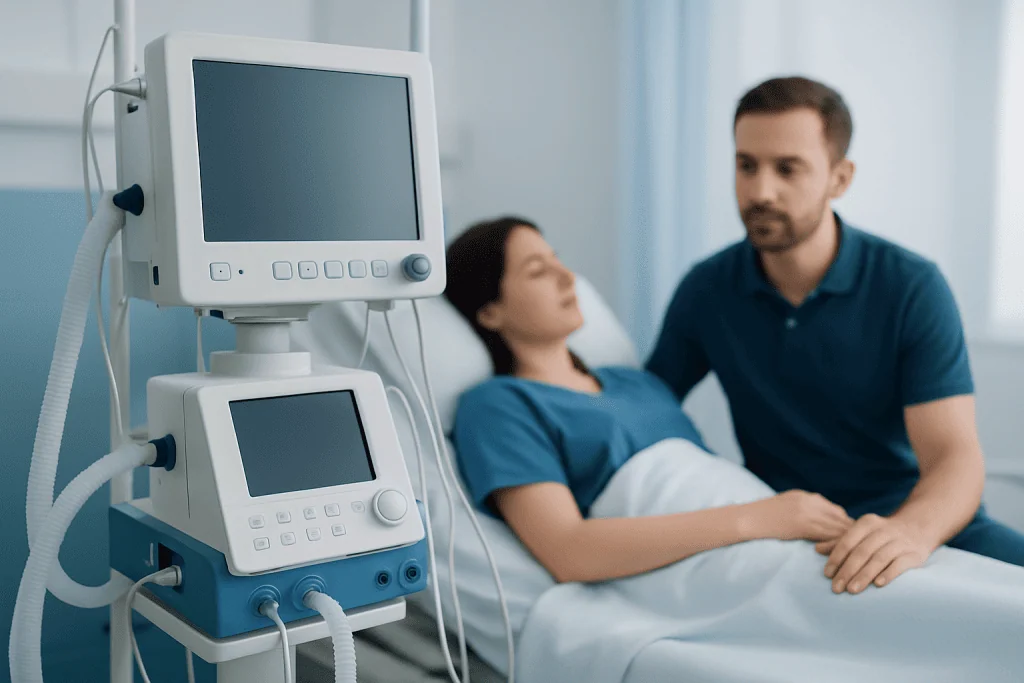
Online, after swx commonly points to symptoms that occur after sexual activity. These may include pelvic discomfort, vaginal soreness, light spotting, urinary burning, fatigue, or emotional changes. Many of these symptoms are short-lived and may relate to friction, inadequate lubrication, muscle tension, or a minor irritation. However, they can also be linked to infections, hormonal changes, or underlying gynecologic or urologic conditions.
Some people may also be using after swx to ask about recovery after a treatment or test. In that setting, symptoms such as mild tiredness, localized soreness, or temporary changes in bowel or bladder habits can sometimes be expected. The important question is whether the symptom is improving over time or getting worse.
There is also a third possibility: after swx may reflect a typing error for another term. Since medical acronyms can be confusing, a clinician may ask for the exact procedure, medicine, or event involved. That clarification often solves the uncertainty quickly and avoids misunderstanding.
- After sexual activity: pain, spotting, dryness, discharge, urinary symptoms
- After a procedure or treatment: soreness, fatigue, mild swelling, temporary recovery symptoms
- After another health event: symptoms triggered by stress, infection, or an unrelated condition
Possible symptoms and what they may suggest

The meaning of after swx depends heavily on the symptom itself. Mild soreness after intercourse may result from friction, tense pelvic floor muscles, or insufficient lubrication. Light spotting can occur around ovulation, with cervical sensitivity, or after minor irritation. Short-term fatigue may simply reflect physical exertion, poor sleep, or emotional stress.
Other symptoms deserve more attention. Burning during urination, urgency, pelvic pressure, unusual discharge, bad odor, or fever may suggest a urinary tract infection or a vaginal infection. Deep pelvic pain, repeated pain with intercourse, or pain associated with bowel movements can point to conditions such as ovarian cysts, endometriosis, pelvic inflammatory disease, or other pelvic disorders.
Symptoms outside the pelvis may also matter. Nausea, severe abdominal pain, dizziness, fainting, chest pain, shortness of breath, or heavy bleeding are not considered normal recovery symptoms and should be assessed promptly. In some cases, a doctor may evaluate for conditions such as endometriosis, a urinary infection, or less commonly an urgent surgical problem.
Causes and risk factors
Benign causes are common. Friction, inadequate lubrication, a new sexual activity pattern, anxiety-related muscle tightening, constipation, dehydration, or a recent menstrual cycle change can all contribute to symptoms after sex. Recovery symptoms after a medical procedure may also be expected for a limited period, especially if tissues were irritated or anesthesia was used.
Medical causes vary by age, sex, and health history. In women, causes can include vaginal dryness, yeast infection, bacterial vaginosis, pelvic floor dysfunction, ovarian cysts, fibroids, and inflammatory pelvic conditions. In men, discomfort after sexual activity may relate to prostate irritation, urinary infection, muscle strain, or skin irritation. In any adult, medications, hormonal changes, prior surgery, and chronic pain conditions can change how the body responds.
Risk factors for more significant problems include unprotected sex, multiple sexual partners, a history of sexually transmitted infections, recent pelvic procedures, pregnancy, menopause, immune suppression, kidney stones, or prior pelvic disease. People with recurrent symptoms may benefit from specialist assessment, especially if symptoms affect quality of life or return repeatedly.
How doctors evaluate after swx concerns
Diagnosis begins with a focused medical history. A doctor typically asks what the person means by after swx, when the symptoms started, how long they last, whether they happen every time, and whether there are associated symptoms such as fever, bleeding, discharge, nausea, or urinary changes. Menstrual timing, contraception, pregnancy possibility, medications, and past surgeries may also be relevant.
The physical examination depends on the symptoms. It may include an abdominal exam, pelvic exam, genital skin assessment, prostate evaluation, or blood pressure and heart rate check if dizziness or bleeding is present. Basic tests may include a urine test, pregnancy test, vaginal or urethral swab, blood tests, or imaging if a structural problem is suspected.
If deeper pelvic or abdominal causes are possible, doctors may use ultrasound or advanced imaging. Persistent or unexplained symptoms sometimes require referral for MRI imaging or ultrasound to look for cysts, fibroids, or inflammatory changes. The goal is not only to identify disease, but also to reassure patients when symptoms are part of normal recovery.
Treatment options and self-care
Treatment depends on the underlying cause. If symptoms are due to friction or dryness, simple measures such as adequate lubrication, more gradual activity, hydration, and rest may help. If a urinary or vaginal infection is found, a doctor may prescribe appropriate treatment. Hormonal, inflammatory, or structural causes may need targeted medical therapy or follow-up with a specialist.
Pelvic pain that repeats after sex or comes with heavy periods, bowel symptoms, or infertility concerns may need gynecologic assessment. In selected cases, treatment may involve pelvic floor therapy, medication adjustment, or evaluation for related conditions such as ovarian cysts. Symptoms after a procedure should always be interpreted using the procedure’s expected recovery timeline.
General self-care is reasonable for mild, short-lived symptoms, but it should not replace medical advice if the symptoms are recurrent, severe, or new. People should avoid self-diagnosing based only on online labels, because after swx does not point to one specific disease. A doctor can explain whether symptoms are expected, temporary, or a sign of a treatable condition.
- Rest and hydration for mild temporary symptoms
- Use of lubrication if dryness or friction seems likely
- Avoiding irritants such as scented products if genital irritation is present
- Medical review if symptoms persist, recur, or worsen
When to seek medical care
Medical care is advisable if after swx symptoms last more than a short period, return repeatedly, interfere with daily life, or cause concern. Ongoing pelvic pain, burning urination, unusual discharge, bleeding between periods, or pain during intercourse should not be ignored. Early assessment can often identify a simple and treatable cause.
Urgent care is important for heavy bleeding, severe abdominal or pelvic pain, fainting, fever, vomiting, chest pain, shortness of breath, or inability to pass urine. These symptoms are not typical minor after-effects and may require immediate evaluation. Pregnancy-related symptoms, especially pain or bleeding, also need prompt medical attention.
For people seeking coordinated assessment, multidisciplinary specialists may be involved depending on the symptoms, including gynecology, urology, gastroenterology, and imaging teams. Acibadem International’s multidisciplinary specialists and JCI-accredited hospitals diagnose and treat a wide range of pelvic, urinary, and general health concerns for international patients, including evaluations that may involve gynecology check-up when appropriate.
Frequently asked questions
Is after swx a real medical term?
No. After swx is not a standard medical diagnosis or scientific term. It is usually a vague search phrase that needs context, such as symptoms after sex, after a procedure, or after another health event.
Can pain after sex be normal?
Mild, short-lived soreness can happen and may relate to friction, dryness, or muscle tension. Repeated, deep, or severe pain is not considered normal and should be evaluated by a doctor.
What symptoms after swx should raise concern?
Warning signs include heavy bleeding, fever, severe pain, fainting, chest pain, shortness of breath, vomiting, or trouble urinating. Persistent discharge, burning urination, or recurring pelvic pain also deserve medical review.
Could after swx symptoms be caused by an infection?
Yes. Urinary tract infections, sexually transmitted infections, and vaginal infections can all cause symptoms after sexual activity. A clinician may recommend urine tests, swabs, or other exams based on the symptoms.
How is the cause of after swx symptoms diagnosed?
Doctors usually start with a history of the timing, triggers, and associated symptoms. Depending on the concern, they may perform a physical exam and order tests such as urine testing, pregnancy testing, swabs, blood tests, or imaging.
When should someone see a doctor for after swx symptoms?
A doctor should be seen if symptoms are new, worsening, recurring, or affecting quality of life. Immediate care is important for severe pain, heavy bleeding, fever, fainting, or pregnancy-related pain and bleeding.
References
- World Health Organization
- American College of Obstetricians and Gynecologists
- National Health Service
- Centers for Disease Control and Prevention
- Mayo Clinic
This article is for general information only and is not a substitute for professional medical advice. Please consult a qualified doctor about your individual situation.
Explore treatments in Turkey — costs, top hospitals & a free quote
JCI-accredited · board-certified surgeons · reply within 24h
Add us as a Preferred Source to see more of our trusted health content across Google Search, AI Overviews and Discover.
Check your numbers in seconds
BMI, calories, due date, blood pressure and 30+ more clinical calculators — free, instant, doctor-reviewed ranges.

More from the Health Library

Long Term Effects of Adderall: A Complete Medical Overview

Diy Home Humidifier — Explained by Medical Evidence, Not Myths

Labia: An Evidence-Based Guide for Patients

Workout Splits — Explained by Medical Evidence, Not Myths

Juice — Explained by Medical Evidence, Not Myths