Burning at the Tip When I Pee — Explained by Medical Evidence, Not Myths

Burning with urination is a symptom rather than a diagnosis, so the underlying cause matters. A urine test and, when appropriate, STI testing can help identify the cause accurately.
Key Takeaways
- Burning with urination is a symptom rather than a diagnosis, so the underlying cause matters.
- A urine test and, when appropriate, STI testing can help identify the cause accurately.
- Antibiotics are useful only for confirmed or strongly suspected bacterial infections and should be prescribed by a clinician.
- Drinking fluids and avoiding known irritants may ease mild symptoms, but they do not replace medical assessment when symptoms persist.
- Urgent assessment is important for fever, flank pain, inability to pass urine, visible blood in urine, severe pain, or pregnancy.
Burning at the tip when urinating usually reflects irritation or inflammation of the urethra, the tube that carries urine out of the body. Common causes include urinary tract infections, sexually transmitted infections, concentrated urine, skin irritation, and, less often, stones or prostate conditions.
What does burning at the tip when I pee mean?
Burning at the tip when I pee most often happens when urine passes over an irritated or inflamed urethra. The urethra is the channel that carries urine from the bladder to the outside of the body. The sensation may feel like stinging, rawness, sharp discomfort, or heat at the urine opening, and it can occur at the beginning, during, or just after urination.
The symptom is common and does not automatically mean a serious condition. A urinary tract infection (UTI), inflammation caused by a sexually transmitted infection (STI), dehydration, soaps or other chemical irritants, and minor skin inflammation are possible explanations. The pattern of symptoms, medical history, examination, and simple laboratory tests usually help a clinician identify the likely cause.
It is useful to notice whether discomfort is accompanied by urinary frequency, urgency, discharge, genital sores, lower abdominal pain, fever, cloudy urine, or blood in the urine. These details can guide testing and treatment. Self-diagnosis can be difficult because different conditions may cause similar sensations.
Symptoms that may occur alongside urethral burning
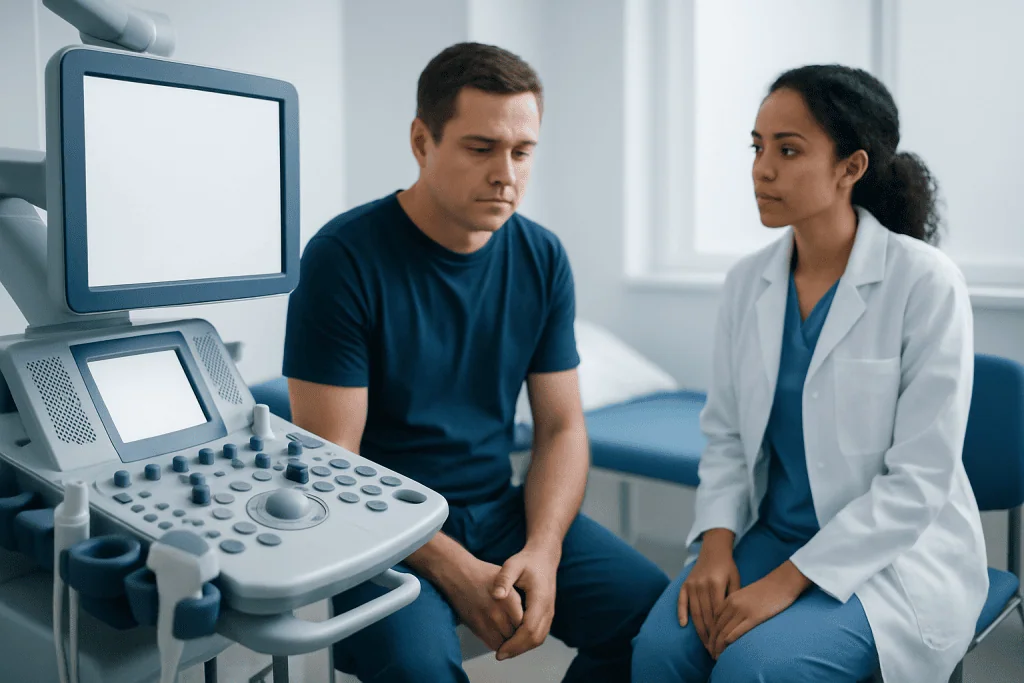
Burning may occur by itself or with other urinary and genital symptoms. In a bladder infection, a person may need to urinate more often, feel a strong urge to urinate, pass only small amounts, or notice pressure low in the abdomen. Urine can sometimes appear cloudy, darker than usual, or have a stronger smell, although appearance alone cannot diagnose an infection.
When urethritis is related to an STI, possible symptoms include discharge from the penis or vagina, genital itching, pelvic discomfort, pain during sex, bleeding between periods, or testicular discomfort. However, some people with chlamydia, gonorrhea, or other infections have few or no noticeable symptoms. Testing is therefore important when there has been potential sexual exposure.
Symptoms that suggest infection may be affecting the kidneys or another area beyond the lower urinary tract include fever, chills, nausea, vomiting, pain in the side or back below the ribs, and feeling significantly unwell. These symptoms need prompt medical attention.
- Burning only after using a new soap, lubricant, spermicide, or hygiene product may point to irritation.
- Burning with a visible rash, blisters, sores, or marked redness may require assessment for a skin condition or infection.
- Recurrent episodes should be evaluated rather than repeatedly treated without testing.
Common causes and contributing factors

A UTI is a frequent cause of painful urination. Bacteria can enter the urethra and cause inflammation in the bladder, known as cystitis. UTIs are more common in women because of anatomical differences, but they can affect people of any sex. Pregnancy, diabetes, a urinary catheter, urinary blockage, recent urinary procedures, and a weakened immune system can increase the likelihood of infection.
Urethritis means inflammation of the urethra. It may be caused by bacterial STIs such as chlamydia or gonorrhea, as well as other infections. Sexual contact without barrier protection, a new sexual partner, or a partner with an STI can increase risk. STI-related burning should not be assumed from symptoms alone, because testing is needed to identify the organism and choose the right treatment.
Not all burning is due to infection. Concentrated urine from not drinking enough fluids can sting. Fragranced washes, bubble bath, vaginal products, lubricants, spermicides, latex sensitivity, and vigorous friction can irritate delicate genital or urethral tissues. Kidney or bladder stones may cause burning, blood in urine, and pain that can be severe or come in waves. In men, prostate inflammation or enlargement may contribute to urinary discomfort and changes in flow.
Some people develop ongoing bladder pain and urinary urgency without evidence of bacterial infection. This can occur with conditions such as bladder pain syndrome. A clinician can consider this and other causes when urine cultures are repeatedly negative or symptoms continue despite appropriate care.
How clinicians find the cause
Assessment usually begins with questions about the timing of symptoms, urinary changes, recent sexual activity, medications, fluid intake, menstrual or pregnancy status where relevant, and exposure to potential irritants. A clinician may ask whether there have been previous UTIs, kidney stones, prostate symptoms, or conditions that affect immunity. These questions are routine and intended to ensure appropriate, respectful care.
A urine dipstick test can look for signs such as blood, white blood cells, and nitrites. A urine culture may be used to identify bacteria and determine which antibiotics are likely to work, especially with recurrent, complicated, or persistent symptoms. A clean-catch urine sample helps reduce contamination from skin bacteria.
Testing for STIs may involve a urine sample, genital swab, throat or rectal swab depending on exposure, and sometimes blood tests. A pelvic, genital, or prostate examination may be recommended when symptoms indicate it. Imaging, such as ultrasound or CT, is not necessary for every episode but may be considered when there is suspected obstruction, stone disease, recurrent infection, or signs of kidney involvement.
Accurate testing matters because treating symptoms with leftover antibiotics or someone else’s medication can delay the correct diagnosis, contribute to antibiotic resistance, and make test results harder to interpret.
Treatment depends on the underlying cause
Treatment is based on the diagnosis rather than on burning alone. A confirmed bacterial UTI may be treated with an antibiotic selected by a clinician. The choice depends on factors such as the infection site, local resistance patterns, allergy history, kidney function, pregnancy status, and culture results when available. Symptoms may begin to improve after treatment starts, but the prescribed course should be taken exactly as directed unless the clinician advises otherwise.
STI-related urethritis requires specific antimicrobial treatment and may involve testing and treatment for sexual partners. It is generally important to avoid sexual contact until the person and partner or partners have completed recommended treatment and a clinician has advised that it is safe to resume. Follow-up testing may be advised for certain infections.
If an irritant is responsible, stopping the suspected product and using gentle, fragrance-free cleansing can allow tissues to recover. Increasing fluid intake may reduce stinging from concentrated urine for people who do not have a medical reason to limit fluids. Pain-relieving medicines may be appropriate for some individuals, but they should be chosen with a pharmacist or clinician when there are kidney, stomach, liver, pregnancy, or medication considerations.
Stones, prostate conditions, recurrent infections, and persistent bladder symptoms may need more targeted evaluation. Urinary tract infection assessment can help clarify recurrent or complicated symptoms, while urology care may be appropriate when a structural urinary problem is suspected.
Prevention and practical self-care
Some causes cannot be prevented entirely, but simple measures can reduce irritation and lower the risk of some infections. Drinking adequate fluids throughout the day generally helps keep urine less concentrated and supports regular bladder emptying. People should follow any individual fluid restrictions recommended for heart, kidney, or liver conditions.
Gentle hygiene is usually enough. The genital area does not need strong soaps, douches, deodorant sprays, or antiseptic products, which can disturb normal tissue and cause irritation. Wiping from front to back after bowel movements can reduce the spread of bacteria toward the urethra. Changing out of wet clothing promptly may also improve comfort.
Barrier protection, such as condoms, can lower the chance of many STIs, although it does not prevent every infection in every circumstance. Regular STI screening may be appropriate for people with new or multiple partners or other exposure risks. Urinating after sex may be a reasonable habit for some people, but it should not be viewed as a substitute for safer-sex practices or testing when exposure is possible.
It is best not to use antibiotics “just in case.” If symptoms are mild but continue beyond a short period, or recur, medical review is safer than repeated home treatment. Keeping a brief note of triggers, urinary symptoms, and previous test results can be helpful at an appointment.
When to seek medical care
Medical advice should be sought promptly if burning lasts more than a day or two, is recurrent, or occurs with frequency, urgency, discharge, genital sores, pelvic pain, testicular pain, or possible STI exposure. People who are pregnant, children, men with new urinary symptoms, and people with diabetes, kidney disease, immune suppression, or a urinary catheter should contact a clinician early because infection can be more complicated in these situations.
Urgent assessment is needed for fever, chills, severe lower abdominal pain, pain in the side or back, nausea or vomiting, visible blood in the urine, inability to urinate, confusion, or feeling very unwell. These features can indicate a more significant infection, urinary blockage, or another condition requiring timely treatment.
Acibadem International’s multidisciplinary specialists and JCI-accredited hospitals assess urinary and genital symptoms for international patients, using appropriate laboratory testing and specialist referral when needed. A clinician can help distinguish a simple temporary irritation from an infection or condition that needs specific care.
Frequently asked questions
Can dehydration cause burning at the tip when I pee?
Yes. When urine is concentrated, it may irritate the urethra and create a stinging sensation, especially if tissues are already sensitive. Drinking fluids may help if dehydration is the cause, but persistent burning should still be assessed for infection or other causes.
Does burning when urinating always mean a UTI?
No. A UTI is common, but STIs, soaps or other irritants, stones, genital skin conditions, and prostate or bladder conditions can also cause burning. A urine test and, when relevant, STI testing can clarify the cause.
Can an STI cause burning without discharge?
Yes. Chlamydia, gonorrhea, and other STIs can cause urethral burning with little or no discharge, and some infections cause no symptoms at all. Testing is recommended after possible exposure or when symptoms are unexplained.
Should a person take leftover antibiotics for urinary burning?
No. Leftover antibiotics may not treat the actual cause, may be the wrong medication for the bacteria involved, and can contribute to antibiotic resistance. They can also interfere with accurate testing, so professional advice is preferable.
How long should burning after urination last?
Mild irritation from concentrated urine or a product may settle after avoiding the trigger and maintaining normal hydration. If symptoms persist longer than a day or two, worsen, recur, or occur with other urinary or genital symptoms, a clinician should assess them.
Is burning during urination more serious during pregnancy?
Urinary symptoms during pregnancy should be discussed with a healthcare professional promptly. UTIs can occur during pregnancy and may require timely testing and treatment to protect the health of the pregnant person and baby.
References
- Centers for Disease Control and Prevention
- National Institute of Diabetes and Digestive and Kidney Diseases
- National Health Service
- Mayo Clinic
- World Health Organization
This article is for general information only and is not a substitute for professional medical advice. Please consult a qualified doctor about your individual situation.
Explore treatments in Turkey — costs, top hospitals & a free quote
JCI-accredited · board-certified surgeons · reply within 24h
Add us as a Preferred Source to see more of our trusted health content across Google Search, AI Overviews and Discover.