What Causes Water to Break? Here Is What the Evidence Says

Water breaking is the rupture of the amniotic sac, which releases amniotic fluid through the vagina. For many people, membranes rupture at or near full term as part of normal labor.
Key Takeaways
- Water breaking is the rupture of the amniotic sac, which releases amniotic fluid through the vagina.
- For many people, membranes rupture at or near full term as part of normal labor.
- A gush or ongoing trickle of clear fluid may be water breaking, but urine and vaginal discharge can feel similar.
- Preterm rupture, fever, bleeding, reduced fetal movement, or green or brown fluid need prompt medical assessment.
- Clinicians can usually confirm rupture with an examination and fluid tests, sometimes supported by ultrasound.
Water breaking happens when the fluid-filled membranes around the baby rupture. It commonly occurs as labor begins or progresses, but it can happen before contractions, and any suspected fluid leak should be assessed by a maternity care team.
What causes water to break?
Water breaks when the amniotic sac—the thin, fluid-filled membranes surrounding the baby—ruptures. In most pregnancies, this happens at term, during labor or shortly before labor begins. Natural changes in the membranes, pressure from the growing baby and uterus, and contractions can all contribute to the sac opening.
Often, there is no single identifiable reason. The event is usually a normal part of childbirth rather than something caused by everyday movement, exercise, sex, bathing, or a minor bump. However, when membranes rupture before 37 weeks of pregnancy, or well before labor begins, clinicians look carefully for factors that may have weakened the membranes or triggered early labor.
Water breaking may feel like a sudden warm gush of fluid, but it can also be a slow, persistent trickle. Because urine leakage and increased vaginal discharge are common in pregnancy, it is not always possible to tell at home what the fluid is. Contacting the maternity unit or obstetric clinician is the safest next step whenever water breaking is suspected.
What happens when the membranes rupture
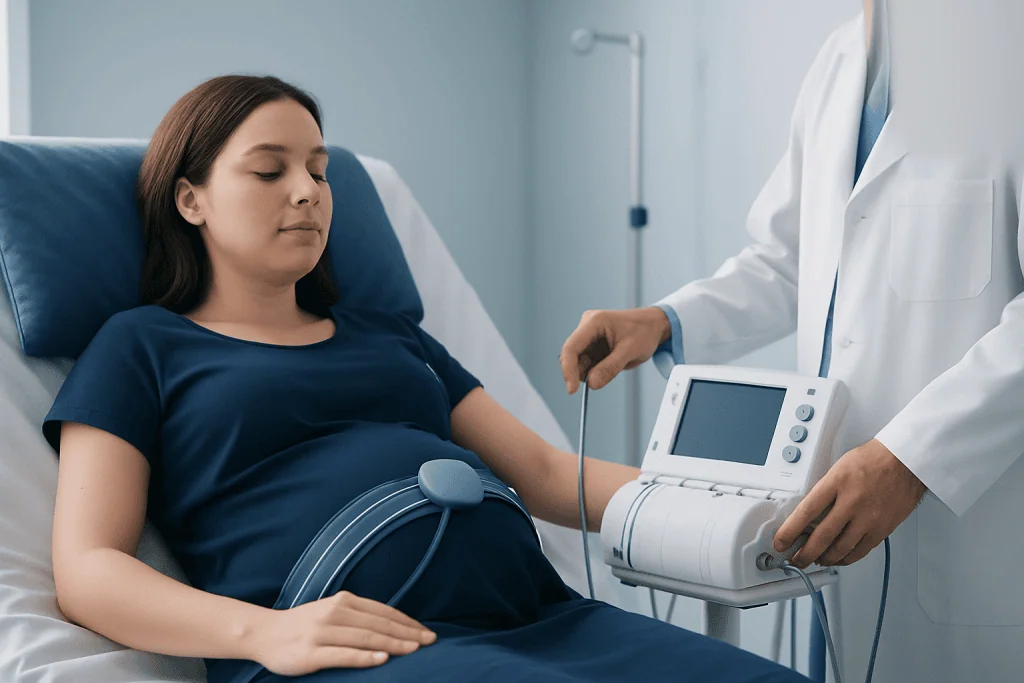
The amniotic sac contains fluid that cushions the baby, allows movement and helps support normal development. The membranes are made of layers of tissue that gradually change near the end of pregnancy. They become more vulnerable to tearing as biochemical processes associated with labor affect their strength.
In many cases, contractions and pressure on the cervix contribute to rupture. Sometimes the membranes break before regular contractions begin; labor often follows, particularly at full term. Less commonly, the membranes remain intact until late in labor and may be opened by a clinician only when there is a medical reason to do so.
The amount of fluid can vary. It may be enough to soak clothing or bedding, or it may appear as repeated dampness that continues after emptying the bladder. Amniotic fluid is often clear or pale yellow and may have little odor. It can also contain small white particles called vernix. The color and smell of the fluid can provide important information to the care team.
Factors that can increase the chance of early water breaking

When the membranes rupture before labor at term, this is commonly called prelabor rupture of membranes. When it occurs before 37 weeks, it is called preterm prelabor rupture of membranes. Preterm prelabor rupture of membranes requires individualized assessment because the care plan depends on gestational age, signs of infection, fetal wellbeing and whether labor has started.
Risk factors do not mean that water will definitely break early, and many people with early rupture have no known risk factor. Factors associated with a higher chance include a previous preterm birth or preterm membrane rupture, vaginal or uterine infection, bleeding during pregnancy, smoking, cervical shortening, carrying more than one baby, and excess amniotic fluid.
Some procedures performed for medical reasons, such as amniocentesis, can very rarely be followed by fluid leakage. Nutrition, access to prenatal care and some chronic health conditions may also influence the overall risk of preterm birth. A person should discuss their personal history with an obstetric clinician, especially after a prior preterm delivery.
- Most routine activities do not cause the waters to break.
- Sex is not generally considered a cause of membrane rupture in an uncomplicated pregnancy, unless a clinician has advised otherwise.
- Membranes may rupture without contractions, and contractions may occur for hours without water breaking.
How clinicians confirm whether water has broken
A clinician will first ask when the dampness began, whether it was a gush or trickle, the fluid’s color and odor, and whether there are contractions, pain, bleeding, fever, or changes in fetal movement. They will also review gestational age and relevant pregnancy history.
Diagnosis may involve looking for pooling of fluid in the vagina using a sterile speculum examination. Tests of vaginal fluid can help identify amniotic fluid. Ultrasound may be used to assess the amount of fluid around the baby and to support the overall clinical picture, although it cannot always confirm a leak on its own.
Repeated digital vaginal examinations are usually avoided when membranes may have ruptured unless they are necessary, because they can increase the chance of introducing infection. Depending on the situation, the team may monitor the baby’s heart rate, assess contractions, and perform tests for infection or other concerns.
If it is not clear whether the membranes have ruptured, the clinician may recommend observation, repeat assessment, or specific testing. This uncertainty is common and does not mean that something is wrong.
Care after water breaks
Care depends mainly on how far along the pregnancy is, whether labor has begun, the baby’s position and wellbeing, and whether there are signs of infection. At or near term, clinicians often discuss waiting for labor to begin naturally for a limited period or recommending induction of labor. The best option is individualized and should be discussed with the maternity team.
If rupture happens preterm, the goal is to balance the benefits of continuing the pregnancy with the risks of infection, labor, or complications for the baby. Hospital monitoring may be recommended. Depending on gestational age and clinical findings, treatment can include antibiotics, medicines that support fetal lung development, or other measures guided by an obstetric specialist.
In certain situations, including labor that needs help to start or progress, induction of labor may be considered. If there are complications that make vaginal birth unsafe, a cesarean section may be recommended. These decisions are based on clinical need, not on membrane rupture alone.
Until evaluated, a person who suspects water breaking should use a sanitary pad rather than a tampon, note the time and fluid color, and avoid putting anything in the vagina. They should not attempt to check the cervix themselves or use home tests as a substitute for medical assessment.
When to seek medical care
Anyone who thinks their water has broken should contact their midwife, obstetrician, or maternity unit promptly, even if they feel well and do not have contractions. This is especially important before 37 weeks, because early assessment can help clinicians identify infection, preterm labor, or other issues and explain the available options.
Urgent medical review is needed if the fluid is green, brown, bloody, foul-smelling, or if there is heavy vaginal bleeding. Fever, chills, feeling unwell, significant abdominal pain, regular painful contractions, or reduced or changed fetal movement also require immediate contact with maternity services or emergency care according to local guidance.
It is reassuring that a suspected leak often has a harmless explanation, such as urine leakage or normal discharge. Still, only an in-person assessment can reliably distinguish these from amniotic fluid. Acibadem International’s multidisciplinary obstetric specialists and JCI-accredited hospitals diagnose and treat pregnancy concerns for international patients.
Reducing risks and preparing for birth
Not every case of membrane rupture can be prevented, particularly when it occurs naturally at the start of labor. Regular prenatal appointments help clinicians identify and manage conditions linked with preterm birth, such as infections, cervical changes, high blood pressure, or diabetes.
Avoiding smoking and nicotine products, seeking care for unusual discharge or urinary symptoms, and following advice for chronic health conditions can support a healthier pregnancy. People with a history of preterm birth or early membrane rupture should ask early in pregnancy whether additional monitoring or preventive care is appropriate.
In the final weeks of pregnancy, it can be useful to know how to reach the maternity unit at any time and to keep a pad available when traveling. If fluid leakage occurs, noting its time, amount, color, and odor can help the clinical team, but the priority is to call for guidance rather than trying to determine the cause alone.
Frequently asked questions
Can water break without contractions?
Yes. The membranes can rupture before regular contractions begin, especially at term. Labor often starts afterward, but the timing varies, so the maternity team should be contacted for advice.
How can someone tell whether it is amniotic fluid or urine?
Amniotic fluid may be a gush or a continuing trickle that cannot be controlled like urine. However, the two can be difficult to distinguish, particularly late in pregnancy, and a clinician can confirm the cause with an examination and fluid testing.
Does water always break dramatically?
No. Some people experience a noticeable gush, while others only notice persistent dampness or a small trickle. A small leak can still need assessment, particularly if it continues.
What color should amniotic fluid be?
It is commonly clear or pale yellow. Green or brown fluid may indicate that the baby has passed meconium, while blood-stained, foul-smelling, or unusual fluid should be assessed urgently.
Can sex or exercise cause water to break?
In an uncomplicated pregnancy, ordinary exercise and sex do not usually cause the membranes to rupture. A clinician may advise avoiding sex or certain activities in specific situations, such as known placenta problems, bleeding, or suspected membrane rupture.
What happens if water breaks before 37 weeks?
Water breaking before 37 weeks needs prompt medical evaluation because it can be linked with preterm labor and infection. The care team will assess the pregnant person and baby, then recommend monitoring and treatment based on gestational age and individual findings.
This article is for general information only and is not a substitute for professional medical advice. Please consult a qualified doctor about your individual situation.
Explore treatments in Turkey — costs, top hospitals & a free quote
JCI-accredited · board-certified surgeons · reply within 24h
Add us as a Preferred Source to see more of our trusted health content across Google Search, AI Overviews and Discover.
Check your numbers in seconds
BMI, calories, due date, blood pressure and 30+ more clinical calculators — free, instant, doctor-reviewed ranges.

More from the Health Library

How Much Caffeine Is in a Cup of Coffee? Causes, Explanations, and Next Steps

Nasacort vs Flonase: Key Differences and How Doctors Tell Them Apart

Hypoglycemia Symptoms: Possible Causes and When to Seek Care

Is Matcha Good for You? Causes, Explanations, and Next Steps

Is Rotisserie Chicken Healthy? A Doctor-Reviewed Answer