Reproductive System: What Patients Need to Know
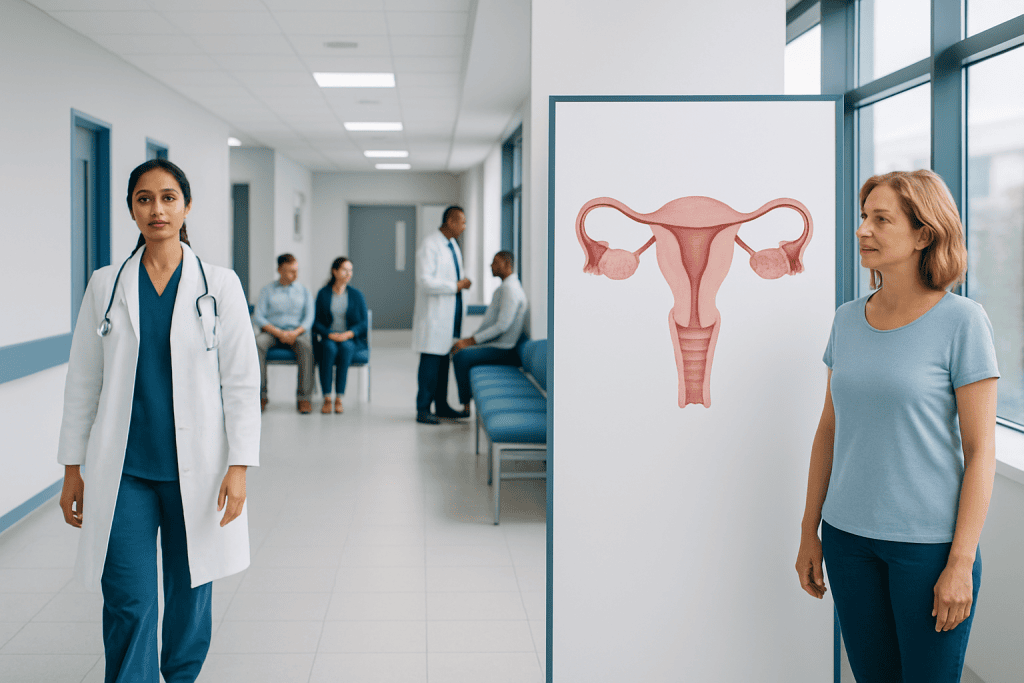
The reproductive system includes internal and external organs as well as hormone-producing glands. Its roles extend beyond reproduction to puberty, sexual function, menstrual cycles, and hormone balance.
Key Takeaways
- The reproductive system includes internal and external organs as well as hormone-producing glands.
- Its roles extend beyond reproduction to puberty, sexual function, menstrual cycles, and hormone balance.
- Many reproductive health symptoms have treatable causes, especially when assessed early.
- Regular preventive care, safer sex practices, and healthy lifestyle habits support reproductive health.
- Fertility concerns are common and can affect people of any sex.
The reproductive system is a group of organs, tissues, and hormones involved in producing eggs or sperm, sexual development, and the ability to conceive and carry a pregnancy. It differs between people with ovaries and people with testes, while hormones and overall health influence its function throughout life.
Reproductive System Definition and Main Functions
A reproductive system definition is the network of organs, glands, tissues, and hormones that enables the body to make reproductive cells—eggs or sperm—and supports sexual development and reproduction. In people who can become pregnant, it also supports fertilization, pregnancy, childbirth, and breastfeeding. In people who produce sperm, it supports sperm production, storage, transport, and ejaculation.
The reproductive system begins developing before birth and changes substantially during puberty. Hormones released by the brain, pituitary gland, ovaries, testes, and other glands coordinate these changes. These hormones influence menstrual cycles, sperm production, libido, bone health, body composition, and other functions beyond fertility.
Not everyone wants children or can conceive without assistance, and reproductive health is not defined by fertility alone. It includes physical, emotional, and social well-being related to sexuality, relationships, body changes, contraception, pregnancy planning, and the prevention and treatment of reproductive conditions.
The Main Parts of the Reproductive System
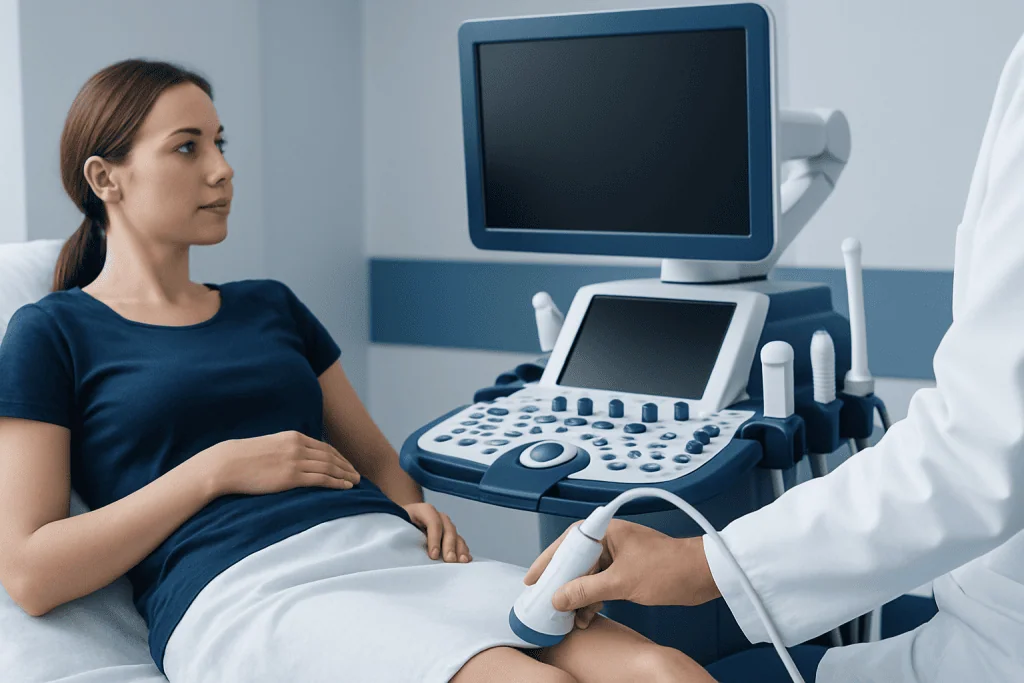
In people with ovaries, the main internal reproductive organs include the ovaries, fallopian tubes, uterus, cervix, and vagina. The ovaries release eggs and make hormones such as estrogen and progesterone. The fallopian tubes are where fertilization often occurs, while the uterus can support the growth of a pregnancy. The cervix is the lower opening of the uterus, and the vagina connects the cervix to the outside of the body.
External genital structures, collectively called the vulva, include the labia, clitoris, and vaginal opening. The breasts are also considered accessory reproductive organs because they can produce milk after pregnancy. These structures have important roles in sensation, sexual function, protection, and infant feeding.
In people with testes, the main organs include the testes, epididymis, vas deferens, seminal vesicles, prostate gland, urethra, penis, and scrotum. The testes make sperm and testosterone. Sperm mature in the epididymis, travel through the vas deferens, and mix with fluids from the seminal vesicles and prostate to form semen. The penis and urethra allow semen to leave the body during ejaculation.
How Hormones and Puberty Affect Reproductive Health
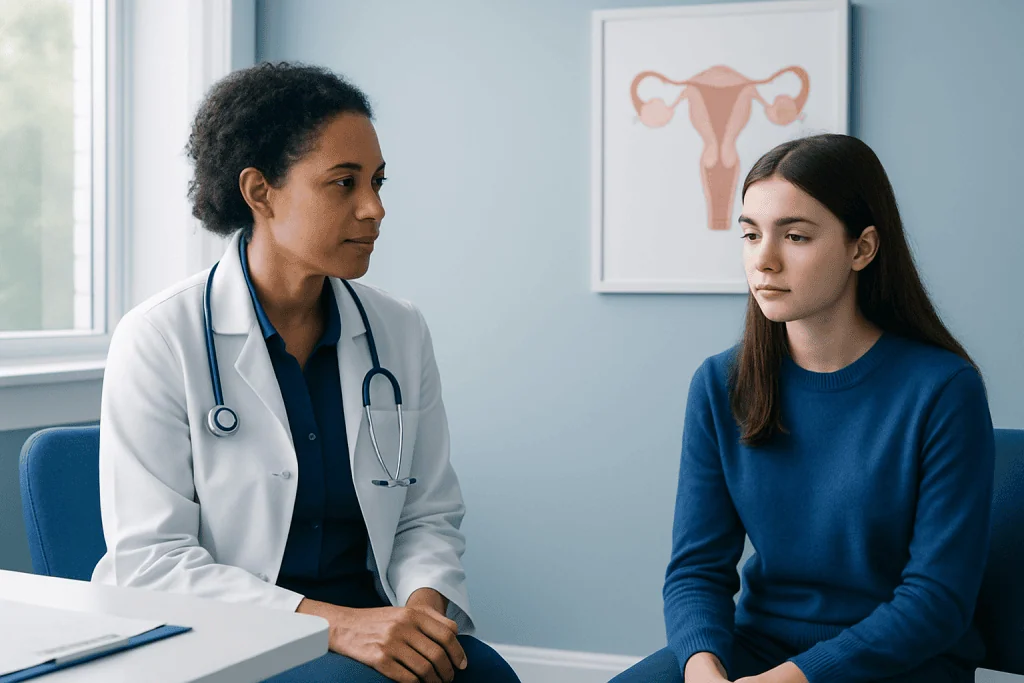
The brain plays a central role in reproductive function. The hypothalamus and pituitary gland send chemical signals that regulate the ovaries and testes. In response, the ovaries primarily produce estrogen and progesterone, while the testes primarily produce testosterone. All bodies produce more than one type of sex hormone, although levels vary.
During puberty, these hormonal signals help drive physical and emotional changes. These may include growth of body hair, changes in body shape, breast development, menstruation, enlargement of the testes and penis, voice changes, erections, and the start of sperm production. The timing and pattern of puberty vary, but significant delays or unusually early changes should be discussed with a clinician.
Throughout adulthood, hormones continue to affect menstrual patterns, fertility, sexual function, sleep, mood, and energy. Menopause marks the time when menstrual periods stop permanently because ovarian hormone production has changed. Age-related changes in testosterone and sperm quality may also occur, though sperm production can continue later in life for many people.
Menstrual Cycles, Sperm Production, and Fertility
A menstrual cycle is a recurring sequence of hormonal and physical changes that prepares the uterus for a possible pregnancy. An egg is typically released during ovulation. If sperm fertilizes the egg and it implants in the uterus, pregnancy can begin. If pregnancy does not occur, the uterine lining is shed during a menstrual period.
Sperm production takes place continuously in the testes after puberty, although the amount and quality of sperm can be affected by illness, certain medicines, heat exposure, smoking, alcohol, anabolic steroids, environmental exposures, and general health. Semen analysis is one of several tests that may be used when fertility is being assessed.
Pregnancy depends on several steps working together: ovulation, open fallopian tubes, healthy sperm, fertilization, embryo development, and implantation. Difficulty conceiving may relate to factors involving eggs, sperm, the uterus or tubes, hormones, age, or no clearly identified cause. Evaluation should generally involve both partners when applicable. In vitro fertilization (IVF) treatment may be considered for selected causes of infertility after an individualized assessment.
Fertility awareness can help some people understand cycle patterns, but it is not equally reliable for everyone as a method of preventing pregnancy. A healthcare professional can explain effective contraceptive choices or approaches to pregnancy planning based on a person’s goals and health history.
Common Reproductive Health Concerns
Reproductive symptoms can arise from temporary hormonal changes, infections, structural conditions, medicines, or other health concerns. In people with ovaries, common issues include painful or heavy periods, irregular bleeding, pelvic pain, vaginal dryness, fibroids, endometriosis, ovarian cysts, and polycystic ovary syndrome. Polycystic ovary syndrome (PCOS) can affect menstrual regularity, ovulation, skin and hair changes, metabolism, and fertility.
In people with testes, concerns may include erectile difficulties, changes in ejaculation, testicular pain or swelling, prostate symptoms, low testosterone, infections, or infertility. Erectile problems can have physical, psychological, medication-related, or relationship-related contributors. Persistent symptoms deserve evaluation because they may sometimes be associated with cardiovascular disease, diabetes, or hormonal conditions.
Sexually transmitted infections can affect any sexually active person, sometimes without causing symptoms. Depending on the infection, they may lead to discharge, sores, pelvic pain, painful urination, testicular pain, or fertility complications if left untreated. Testing, prompt treatment, partner notification where appropriate, and safer sex practices are important parts of care.
Symptoms do not necessarily mean a serious condition, but self-diagnosis can delay useful treatment. A clinician may recommend examination, laboratory testing, imaging, hormone testing, or referral to a gynecologist, urologist, endocrinologist, or fertility specialist.
Supporting Reproductive Health
Everyday health habits support reproductive function as well as general well-being. A balanced eating pattern, regular physical activity, adequate sleep, stress management, and avoiding tobacco and recreational drugs can be helpful. Limiting alcohol may also support fertility and sexual health. People planning pregnancy should discuss medicines, chronic conditions, vaccinations, and appropriate preconception supplements with a qualified clinician.
Condoms reduce the risk of many sexually transmitted infections when used correctly and consistently, although they do not eliminate all risk. Vaccination against human papillomavirus (HPV), where recommended, can help prevent several HPV-related cancers and genital warts. Routine cervical screening should be completed according to local guidance and an individual’s age, health history, and screening results.
Regular reproductive healthcare can include discussions of contraception, menstrual changes, sexual concerns, pregnancy planning, and fertility preservation before treatments that may affect egg or sperm production. It is also important to avoid non-prescribed hormones, testosterone, or anabolic steroids, as these can interfere with natural hormone signaling and fertility.
When to Seek Medical Care
Medical advice is appropriate for persistent or troublesome reproductive symptoms, including very painful or unusually heavy periods, bleeding between periods or after sex, pelvic pain, new vaginal discharge or odor, pain during sex, problems with erections, changes in ejaculation, or difficulties conceiving. A clinician can assess symptoms in a respectful, confidential setting and explain appropriate next steps.
Urgent assessment is needed for sudden severe pelvic or testicular pain, significant swelling of a testicle, fainting with pelvic pain, heavy bleeding that causes weakness or dizziness, fever with pelvic or genital pain, or a possible pregnancy with pain or bleeding. These symptoms can have several causes, and prompt care helps rule out conditions that need timely treatment.
People under 40 who have not conceived after 12 months of regular unprotected intercourse may consider a fertility evaluation. Those aged 40 or older, people with irregular or absent periods, a history of pelvic infection or surgery, known sperm concerns, or other risk factors may benefit from seeking advice sooner. Acibadem International’s multidisciplinary specialists and JCI-accredited hospitals support diagnosis and treatment for international patients with reproductive and fertility concerns.
Frequently asked questions
What is the reproductive system in simple terms?
The reproductive system is the group of body parts and hormones involved in sexual development and reproduction. It produces eggs or sperm and, in some people, supports pregnancy, birth, and breastfeeding.
What organs are part of the female reproductive system?
The main internal organs are the ovaries, fallopian tubes, uterus, cervix, and vagina. External structures include the vulva, while the breasts are accessory organs involved in milk production after pregnancy.
What organs are part of the male reproductive system?
The male reproductive system includes the testes, epididymis, vas deferens, seminal vesicles, prostate, urethra, penis, and scrotum. Together, these structures produce, mature, transport, and release sperm in semen.
What is the main function of the reproductive system?
Its main biological function is to produce reproductive cells and enable reproduction. It also has important roles in hormone production, puberty, menstrual cycles, sexual function, and physical development.
Can reproductive problems affect general health?
Yes. Some reproductive symptoms may be linked with hormonal, metabolic, infectious, or cardiovascular health concerns. For example, irregular periods, erectile difficulties, or unexplained changes in libido can sometimes warrant a broader health assessment.
When should someone seek help for infertility?
Many people seek evaluation after 12 months of regular unprotected intercourse without pregnancy if they are under 40. Earlier assessment may be appropriate for people aged 40 or older or those with irregular periods, known reproductive conditions, prior pelvic infections, testicular concerns, or cancer treatment history.
This article is for general information only and is not a substitute for professional medical advice. Please consult a qualified doctor about your individual situation.
Reproductive System in Turkey — costs, top hospitals & a free quote
JCI-accredited · board-certified surgeons · reply within 24h
Add us as a Preferred Source to see more of our trusted health content across Google Search, AI Overviews and Discover.
Check your numbers in seconds
BMI, calories, due date, blood pressure and 30+ more clinical calculators — free, instant, doctor-reviewed ranges.

Gynecology & Obstetrics
Women’s health across pregnancy, gynecologic surgery and high-risk pregnancy care.
186 specialists in this unitMore from the Health Library

Hemiplegia: A Complete Medical Overview

Burnt Toast Theory: A Complete Medical Overview

Pycnogenol: What Patients Need to Know
Weight Loss Injections: What Patients Need to Know

Workout Mobility: What Patients Need to Know

3rd Degree Burn: What Patients Need to Know
Gynecology & Obstetrics Specialists at Acibadem

Dr. Baha Celal Doğan
Gynecology & Obstetrics
Prof. Dr. Baki Erdem (m)
Gynecology & Obstetrics
Dr. Begüm Uzsezer Güler
Gynecology & Obstetrics
Prof. Dr. Belgin Selam
Gynecology & Obstetrics