Stamina What Does It Mean — Explained by Medical Evidence, Not Myths

Stamina describes sustained effort and differs from short-term strength, speed, or power. Physical stamina involves the heart, lungs, muscles, nervous system and energy availability working together.
Key Takeaways
- Stamina describes sustained effort and differs from short-term strength, speed, or power.
- Physical stamina involves the heart, lungs, muscles, nervous system and energy availability working together.
- Regular gradual exercise, sufficient sleep, balanced meals and recovery can improve stamina over time.
- A sudden or unexplained loss of stamina may need medical assessment, especially when accompanied by chest pain, breathlessness, dizziness or fainting.
- Supplements and extreme exercise plans are not required for most people and may be unsafe in some situations.
Stamina is the capacity to keep doing physical or mental activity for a sustained period before fatigue limits performance. It is not a fixed trait: aerobic fitness, muscular endurance, sleep, nutrition, stress, medical conditions and training habits can all affect it.
Stamina: what does it mean?
Stamina means the ability to sustain physical or mental effort over time. For example, it may describe being able to walk uphill, cycle, work through a demanding day, concentrate during a long task, or participate in sport without becoming exhausted sooner than expected.
In everyday language, stamina is often used interchangeably with endurance. In health and exercise science, endurance usually refers more specifically to the ability to continue an activity, while stamina can include both physical capacity and the perceived ability to cope with effort. Neither is simply a matter of willpower.
Stamina varies between people and can change across the lifespan. It may improve with appropriately paced activity and recovery, but it can also fall temporarily during illness, poor sleep, emotional stress, inadequate nutrition, inactivity, medication changes or overtraining.
How stamina differs from strength, fitness and energy
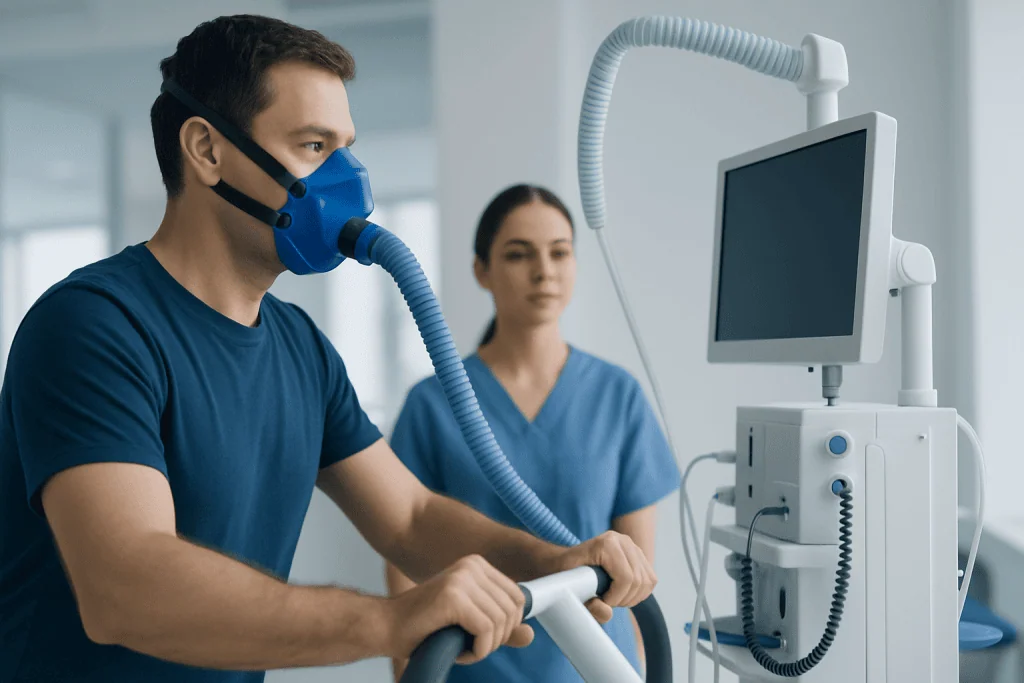
Stamina is related to fitness, but the terms are not identical. Cardiorespiratory fitness describes how effectively the heart, lungs and blood vessels deliver oxygen during activity. Muscular endurance is the ability of a muscle or muscle group to repeat work over time. Both contribute to physical stamina.
Strength is the maximum force a person can produce, such as lifting a heavy object once or a few times. Power is the ability to produce force quickly, as in jumping or sprinting. A person may have good strength but tire quickly during a long walk, or have strong endurance for walking but not be able to lift heavy loads.
Energy is also different from stamina. Feeling energetic can be influenced by mood, sleep and daily routines, whereas stamina is demonstrated by sustained performance. Low energy and low stamina can occur together, but either one can occur on its own.
- Aerobic stamina: sustaining activities such as brisk walking, swimming or cycling.
- Muscular stamina: repeatedly using muscles during climbing stairs, carrying items or resistance exercise.
- Mental stamina: maintaining concentration, decision-making and emotional regulation during prolonged demands.
What determines physical and mental stamina?

Physical stamina depends on coordinated body systems. During sustained activity, the heart increases blood flow, the lungs exchange oxygen and carbon dioxide, and muscles use available fuel to produce movement. Training helps these systems become more efficient, so the same activity may feel easier over time.
Muscle conditioning matters as well. Muscles adapt when they are challenged regularly and given time to recover. Balance, joint health, movement technique and body composition can also influence how efficiently a person moves and how much effort an activity requires.
Sleep is central to recovery, attention and exercise performance. Inadequate or disrupted sleep may make exertion feel harder and may reduce reaction time, motivation and concentration. Mental stamina can similarly be affected by stress, anxiety, depression, workload, caregiving responsibilities and insufficient breaks.
Nutrition and hydration support stamina, but there is no single food that instantly creates endurance. Regular meals that provide enough overall energy, carbohydrates, protein, healthy fats, vitamins and minerals help the body meet daily demands. Individual needs vary with age, health status, activity level and medical conditions.
Why stamina may feel low
Short-term tiredness after a busy period, a poor night of sleep, travel, a viral illness or an unusually intense workout is common. A reduction in stamina can also occur after a period of inactivity, including after injury or hospitalization, because the cardiovascular system and muscles gradually lose conditioning when they are not used.
Sometimes low stamina reflects a health issue that deserves assessment. Examples include anemia, thyroid disorders, diabetes, heart or lung disease, chronic infection, sleep disorders, nutritional deficiencies and certain mental health conditions. Some medicines, including those that cause drowsiness or affect heart rate, can contribute as well.
Breathlessness or fatigue should not automatically be attributed to being “out of shape.” A clinician can consider a person’s symptoms, medical history, medicines, activity level and examination findings. If appropriate, they may arrange tests such as blood tests, heart assessment or lung function testing.
Persistent fatigue is not always the same as reduced exercise endurance. People experiencing ongoing exhaustion that does not improve with rest, or fatigue that substantially affects daily life, should seek medical advice rather than trying to push through it.
Evidence-based ways to build stamina safely
For most adults, the most reliable way to improve stamina is gradual, consistent activity. Starting below the point of excessive fatigue and increasing duration or intensity slowly allows the body to adapt. Brisk walking, cycling, swimming, dancing and low-impact exercise can all improve aerobic endurance when performed regularly.
Resistance training supports muscular endurance, function and movement efficiency. Exercises using body weight, resistance bands, machines or free weights may be adapted to an individual’s ability. Working with a qualified professional can be useful for people who are new to exercise, have pain, or are returning after illness or injury.
Recovery is part of training rather than a sign of failure. Rest days, varied activity, adequate sleep and reasonable progression help reduce the risk of injury and overtraining. It is often more sustainable to begin with shorter sessions done consistently than to start with an intense routine that is difficult to maintain.
- Choose an enjoyable activity that fits daily routines.
- Increase one variable at a time, such as minutes walked or resistance used.
- Include both aerobic activity and muscle-strengthening exercise when appropriate.
- Use comfortable footwear, hydrate according to thirst and environmental conditions, and avoid exercising through significant pain.
- Discuss a new exercise program with a clinician if there is known heart, lung, metabolic or joint disease.
Nutrition, hydration and lifestyle habits
Regular nourishment supports daily activity and recovery. A balanced eating pattern commonly includes vegetables and fruits, whole grains or other fiber-rich carbohydrates, protein-rich foods and unsaturated fats. Carbohydrates are an important fuel source for many forms of exercise, while protein supports muscle repair and adaptation.
Skipping meals, restrictive dieting or inadequate food intake can reduce exercise tolerance, concentration and recovery. People with special dietary needs, unintentional weight loss, digestive symptoms or concerns about disordered eating should seek individualized advice from a clinician or registered dietitian.
Hydration needs vary. For ordinary activity, drinking fluids regularly and responding to thirst is sufficient for many people. During longer exercise, heat exposure, fever, vomiting or diarrhea, fluid and electrolyte needs may be different. Excessive water intake can also be harmful, so people should avoid forcing fluids beyond their needs.
Limiting tobacco exposure, moderating alcohol where relevant, managing stress and keeping a consistent sleep schedule can also support stamina. Commercial “energy” products and unregulated supplements are not substitutes for these fundamentals and can cause side effects or interact with medicines.
When to seek medical care
Medical care is important for new, marked or steadily worsening loss of stamina, especially when it affects usual daily activities. A clinician can help distinguish deconditioning from a potentially treatable medical cause and can recommend a safe plan for returning to activity.
Urgent evaluation is needed for chest pain or pressure, severe or sudden shortness of breath, fainting, new confusion, a fast or irregular heartbeat with symptoms, or weakness that starts suddenly. These symptoms may indicate a medical emergency and should not be managed with exercise or supplements.
Arrange a routine appointment if fatigue or reduced stamina persists for several weeks, occurs with unexplained weight change, fever, night sweats, persistent cough, swelling in the legs, palpitations, low mood, heavy menstrual bleeding or sleep problems. People with existing heart, lung or metabolic conditions should ask their healthcare professional about appropriate activity levels.
Acibadem International’s multidisciplinary specialists and JCI-accredited hospitals can assess symptoms affecting stamina and guide treatment for international patients when needed.
Frequently asked questions
Is stamina the same as endurance?
The terms are often used in the same way, but endurance usually refers more specifically to sustaining an activity over time. Stamina is a broader everyday term that may include physical endurance, mental persistence and the feeling of being able to cope with effort.
Can stamina improve at any age?
Yes. Many people can improve stamina through gradual, regular physical activity, resistance exercise, recovery and healthy daily habits. The starting point and pace should be tailored to current health, mobility and any medical conditions.
How long does it take to improve stamina?
The timeline varies with the person, their starting activity level, the type of training and consistency. Some people notice daily activities becoming easier within weeks, while larger changes in endurance often require ongoing training over months.
Does low stamina always mean someone is unfit?
No. A temporary decline may follow poor sleep, stress, infection, injury or a break from activity. Persistent or unexplained low stamina can also be related to medical conditions, medications or nutritional concerns and should be discussed with a clinician.
Do energy drinks improve stamina?
Caffeinated drinks may temporarily increase alertness for some people, but they do not build cardiovascular or muscular endurance. They can also cause palpitations, anxiety, sleep disruption and other side effects, particularly when used in large amounts or combined with alcohol.
What exercise is best for increasing stamina?
The best exercise is usually one a person can perform safely and consistently. Walking, cycling, swimming, dancing and similar activities can build aerobic stamina, while resistance training supports muscular endurance; combining both is often helpful.
This article is for general information only and is not a substitute for professional medical advice. Please consult a qualified doctor about your individual situation.
Explore treatments in Turkey — costs, top hospitals & a free quote
JCI-accredited · board-certified surgeons · reply within 24h
Add us as a Preferred Source to see more of our trusted health content across Google Search, AI Overviews and Discover.
Check your numbers in seconds
BMI, calories, due date, blood pressure and 30+ more clinical calculators — free, instant, doctor-reviewed ranges.

More from the Health Library

Cycle Syncing: What Patients Need to Know

Duodenalulcus: A Complete Medical Overview

Complete blood count haemogram: A Complete Medical Guide for Patients

Naomi Judd Cause of Death: A Complete Medical Overview

Nose Twitching: What Patients Need to Know