

Nose Twitching: What Patients Need to Know

Most nose twitching episodes are brief and harmless. Common triggers include stress, tiredness, caffeine, and irritation around the nose or face.
Key Takeaways
- Most nose twitching episodes are brief and harmless.
- Common triggers include stress, tiredness, caffeine, and irritation around the nose or face.
- Persistent twitching or twitching with weakness, numbness, or other facial changes should be assessed by a doctor.
- Diagnosis focuses on symptoms, medical history, medication review, and a neurological or ENT examination when needed.
- Self-care such as rest, hydration, and reducing stimulants may help when symptoms are mild.
Nose twitching is often caused by a small, temporary muscle spasm and is commonly linked to stress, fatigue, caffeine, or local irritation. Most episodes are not serious, but repeated or persistent twitching may need medical evaluation, especially if it comes with other facial or neurological symptoms.
Overview: what nose twitching usually means
Nose twitching usually refers to a brief, involuntary movement of the muscles around the nose. In many people, it happens occasionally and goes away on its own. A short episode is often related to common factors such as stress, fatigue, too much caffeine, or minor irritation of the skin or nasal tissues.
Although nose twitching can feel unusual, it is not always a sign of a serious illness. The muscles of the face are controlled by delicate nerve signals, and small changes in sleep, stress level, or stimulation can make them contract unexpectedly. This is similar to twitching that sometimes affects the eyelid or lip.
Still, nose twitching deserves more attention if it becomes frequent, lasts a long time, spreads to other parts of the face, or appears together with symptoms such as weakness, numbness, tremor, pain, or changes in speech. In these situations, a doctor may look for local nasal problems, medication effects, or less common nerve and movement disorders.
What it can feel like
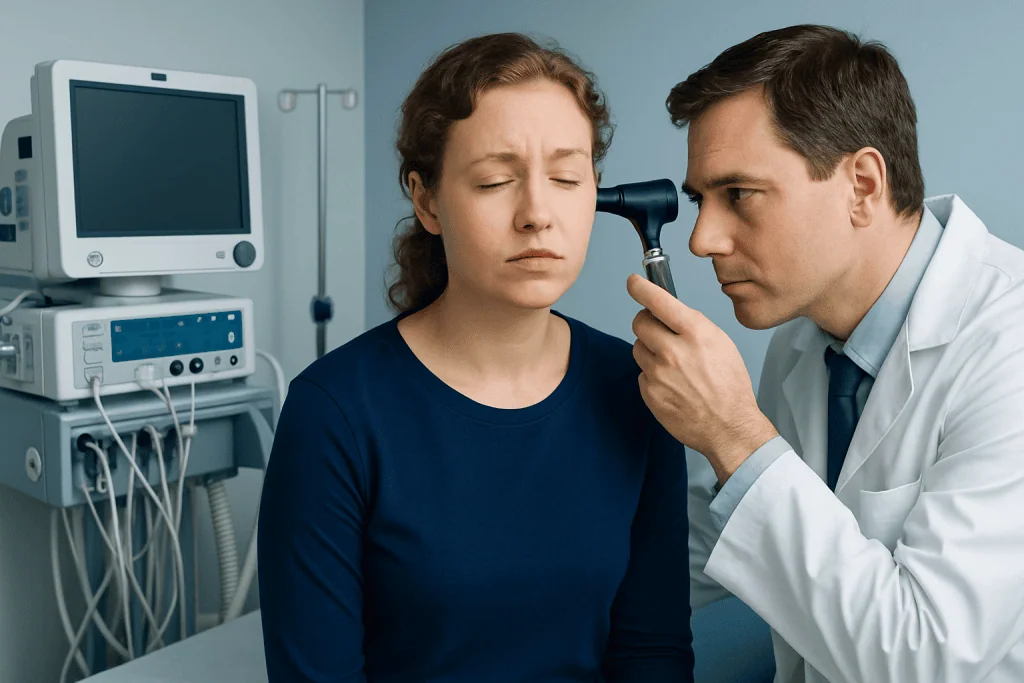
People describe nose twitching in different ways. Some notice a fluttering sensation at the bridge or sides of the nose. Others feel a quick pulling movement near the nostril, upper lip, or cheek. Because facial muscles work closely together, the sensation may seem to come from the nose even when nearby muscles are involved.
The twitching may happen once or recur several times in a day. It can last only a few seconds or continue on and off for longer periods. Some people notice it more when they are tired, anxious, or focusing on the sensation itself.
Associated symptoms can offer clues about the cause. These may include:
- Eye twitching or lip twitching at the same time
- Nasal stuffiness, sneezing, or irritation
- Facial tightness or spasms
- Tingling or numbness
- Headache, stress, or poor sleep
- Shaking, tremor, or other unusual movements
If the movement is rhythmic, forceful, or clearly visible to others, it may be more helpful to think of it as facial muscle twitching rather than a nose problem alone. That distinction can guide whether an ENT specialist, neurologist, or primary care doctor is most appropriate.
Common causes and possible risk factors
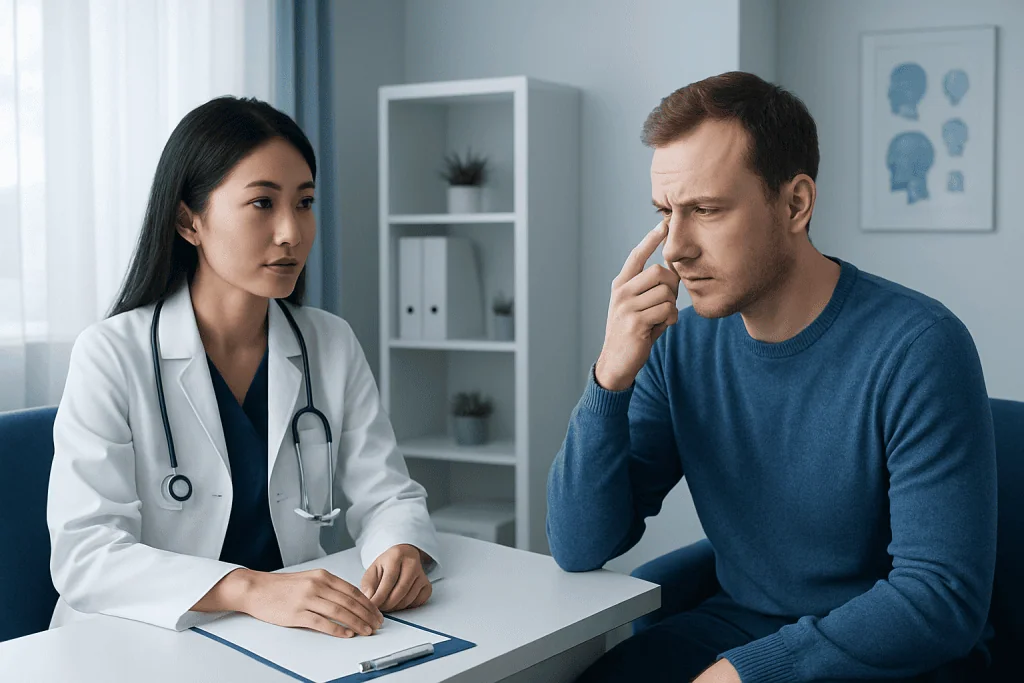
The most common explanation for nose twitching is a benign muscle spasm, also called a fasciculation. This can happen when muscles are tired or overstimulated. Stress and anxiety may make nerve signals more active, and fatigue can lower the threshold for twitching. Caffeine, nicotine, and some stimulant medications may also contribute in sensitive individuals.
Local irritation is another frequent cause. Allergies, frequent nose rubbing, dryness, a recent cold, sinus irritation, or skin sensitivity around the nose can all make the area feel active or twitchy. Sometimes the movement is a response to irritation rather than a true muscle disorder. People with recurring nasal symptoms may also have an underlying ENT issue such as sinusitis or allergy-related inflammation.
Less commonly, nose twitching may be related to medication side effects, electrolyte imbalance, or conditions that affect the facial nerve or brain signaling. Examples include hemifacial spasm, tic disorders, or other movement disorders. In these situations, twitching may be repetitive, more noticeable, or associated with other signs such as eyelid closure, cheek pulling, or involuntary movements elsewhere on the face. A broader neurological evaluation may then be appropriate.
Risk factors that can make twitching more likely include poor sleep, emotional stress, high caffeine intake, dehydration, recent illness, and certain medications. A past history of facial injury, nerve irritation, or chronic nasal disease may also play a role.
How doctors evaluate nose twitching
Diagnosis begins with a clear description of the symptom. A doctor will usually ask when the twitching started, how long it lasts, how often it happens, and whether anything triggers or relieves it. It is also helpful to mention recent stress, sleep problems, illness, allergies, caffeine use, and any new medications or supplements.
A physical examination may focus on the face, nose, and nervous system. The doctor may look for visible muscle activity, signs of nasal inflammation, facial symmetry, sensation changes, or weakness. If symptoms suggest a local nasal cause, an ENT assessment may be useful. If the pattern suggests a nerve or movement issue, the evaluation may include a neurological exam and, when needed, neurology care.
Most people do not need extensive testing. However, tests may be considered if twitching is persistent, unusual, or accompanied by other symptoms. Depending on the case, a doctor might recommend blood tests to look for metabolic causes, imaging to assess the sinuses or nervous system, or referral for specialist review. In selected cases, ENT evaluation or MRI imaging may help clarify the cause.
Treatment options depend on the cause
Treatment for nose twitching is guided by the underlying reason for the symptom. If the twitching is mild, occasional, and not linked to other problems, specific treatment may not be needed. Reassurance, observation, and practical lifestyle changes are often enough.
When stress, fatigue, or stimulant use appears to be the trigger, doctors often advise reducing caffeine, improving sleep habits, staying hydrated, and managing stress. If local nasal irritation is contributing, treatment may focus on dryness, allergies, or inflammation. That may include gentle nasal care and targeted treatment recommended by a clinician after evaluation.
If twitching is part of a more defined disorder, treatment becomes more individualized. For example, facial spasms, tic disorders, or nerve-related conditions may require specialist care. In some cases, a doctor may suggest further assessment for related neurological conditions such as Parkinson’s disease when other movement symptoms are present, though isolated nose twitching alone does not mean a person has this condition.
People should avoid starting supplements or medicines for twitching without medical advice. Because many different factors can lead to similar symptoms, the safest approach is to identify the cause first and then choose the most appropriate treatment plan.
Self-care steps that may help
Simple self-care can be useful when nose twitching is brief and there are no warning signs. The goal is to reduce common triggers and give the facial muscles and nerves time to settle. Improvement may take a few days if the twitching is linked to stress, overstimulation, or poor sleep.
Helpful measures include:
- Getting enough sleep and keeping a regular sleep schedule
- Reducing caffeine, energy drinks, and nicotine
- Drinking enough fluids during the day
- Taking breaks from prolonged screen time if facial strain is present
- Managing stress with breathing exercises, gentle activity, or relaxation techniques
- Avoiding repeated touching, rubbing, or squeezing of the nose
- Seeking treatment for nasal allergies or irritation if these symptoms are also present
Keeping a brief symptom diary can also help. Recording when the twitching occurs, what was eaten or consumed, sleep quality, stress level, and any associated symptoms may reveal useful patterns. This information can make a medical visit more productive if the symptom continues.
For international patients who need coordinated assessment, Acibadem International’s multidisciplinary specialists and JCI-accredited hospitals evaluate facial, neurological, and ENT-related causes of symptoms such as nose twitching.
When to seek medical care
Medical care is a good idea if nose twitching is frequent, keeps returning, or lasts for days to weeks without a clear reason. It is also worth discussing with a doctor if it is bothersome, disrupts sleep, or causes concern even if no other symptoms are present.
Prompt medical evaluation is more important when twitching is accompanied by other changes, such as facial weakness, numbness, drooping, difficulty speaking, trouble swallowing, severe headache, balance problems, vision changes, or involuntary movements in other body parts. These symptoms do not always signal an emergency, but they should not be ignored.
Urgent care may be needed if symptoms start suddenly along with one-sided facial weakness, confusion, severe dizziness, or new neurological deficits. In that setting, doctors may need to quickly rule out serious conditions affecting the brain, nerves, or circulation.
Frequently asked questions
Is nose twitching usually serious?
Most of the time, no. Nose twitching is commonly caused by a temporary muscle spasm or mild irritation and often settles on its own. It deserves more attention if it is persistent, worsening, or linked with other facial or neurological symptoms.
Can stress cause nose twitching?
Yes, stress is a common trigger. Stress can make facial muscles more likely to contract involuntarily, especially when combined with poor sleep or high caffeine intake. Relaxation and rest may help reduce episodes.
Why does my nose twitch along with my eye or lip?
The muscles of the face are closely connected and controlled by nearby nerve pathways. A small facial muscle spasm may affect the nose, eyelid, cheek, or lip at the same time. This pattern is often benign, but repeated or stronger spasms should be assessed by a doctor.
Can allergies or sinus problems make the nose twitch?
They can in some cases. Nasal irritation, repeated rubbing, congestion, dryness, or inflammation around the nose may create a twitching or fluttering sensation. Treating the underlying nasal problem may help the symptom improve.
How is nose twitching diagnosed?
Doctors diagnose it mainly by taking a history and performing an examination. They look at the timing, triggers, associated symptoms, medicines, and whether the movement involves the nose alone or other facial muscles. Tests are usually reserved for persistent, unusual, or concerning cases.
What can a person do at home for mild nose twitching?
Helpful steps include getting better sleep, cutting back on caffeine, staying hydrated, and reducing stress. It is also sensible to avoid rubbing the nose and to address allergies or irritation if present. If twitching continues or becomes more noticeable, medical advice is recommended.
References
- National Institute of Neurological Disorders and Stroke
- American Academy of Neurology
- American Academy of Otolaryngology–Head and Neck Surgery
- Mayo Clinic
- MedlinePlus
This article is for general information only and is not a substitute for professional medical advice. Please consult a qualified doctor about your individual situation.
Explore treatments in Turkey — costs, top hospitals & a free quote
JCI-accredited · board-certified surgeons · reply within 24h
Add us as a Preferred Source to see more of our trusted health content across Google Search, AI Overviews and Discover.

More from the Health Library

Carbs in Mushrooms — Explained by Medical Evidence, Not Myths

Shaving Foam Substitute: A Complete Medical Overview

Mommy Issues — Explained by Medical Evidence, Not Myths

Bright yellow snot: Symptoms, Causes, and Treatment — Complete Patient Guide

Anisakis: What Patients Need to Know
Beer and kidney stones: A Complete Medical Guide for Patients
Otorhinolaryngology Specialists at Acibadem

Prof. Dr. A. Erdem Kılavuz
Otorhinolaryngology
Dr. Abdülkadir Oran
Otorhinolaryngology
Dr. Ahmet Bülent Demirbağ
Otorhinolaryngology
Prof. Dr. Ahmet Koç
Otorhinolaryngology