Chromosomes and Genes and DNA: An Evidence-Based Guide for Patients
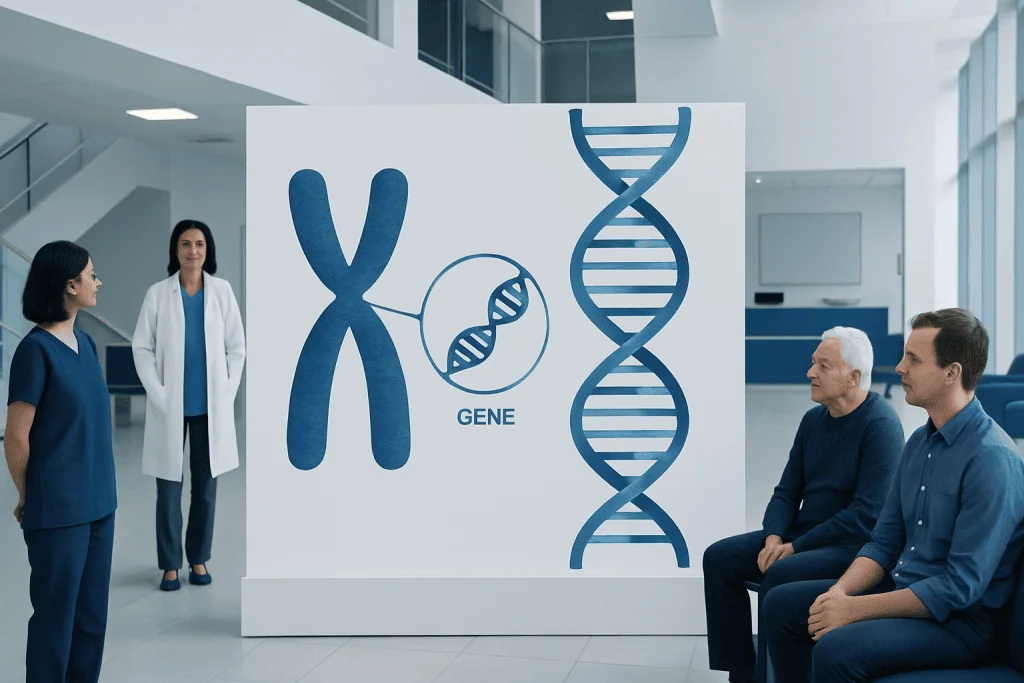
DNA is the molecule that stores genetic instructions used by cells. Genes are stretches of DNA that help guide the production of proteins or regulate biological processes.
Key Takeaways
- DNA is the molecule that stores genetic instructions used by cells.
- Genes are stretches of DNA that help guide the production of proteins or regulate biological processes.
- Chromosomes are tightly packaged structures that contain DNA and many genes.
- Most people have 46 chromosomes arranged in 23 pairs, although variations can occur.
- Genetic changes are common and do not always cause disease; their meaning depends on the specific change and clinical context.
- Genetic counseling can help people understand whether testing may be useful and what results may mean.
Chromosomes, genes and DNA are parts of the body’s genetic information system. DNA contains biological instructions, genes are specific sections of DNA, and chromosomes organize long DNA strands inside most cells.
Overview: how chromosomes, genes and DNA fit together
Chromosomes, genes and DNA describe related levels of the body’s genetic material. DNA is the chemical molecule that stores instructions for building, maintaining and operating cells. A gene is a particular stretch of DNA with a biological role, while a chromosome is a compact package containing one long DNA molecule and many genes.
A helpful comparison is a library. DNA is the language in which instructions are written; genes are individual recipes or chapters; and chromosomes are the volumes that organize many chapters together. This comparison is simplified, but it shows why a change at one level can sometimes affect health at another.
Nearly every cell in the body contains the same inherited genetic information, yet different cells use different sets of genes. For example, a heart cell and a skin cell have different jobs because they switch on different genetic instructions. This controlled use of genes is called gene expression.
DNA: the body’s instruction molecule
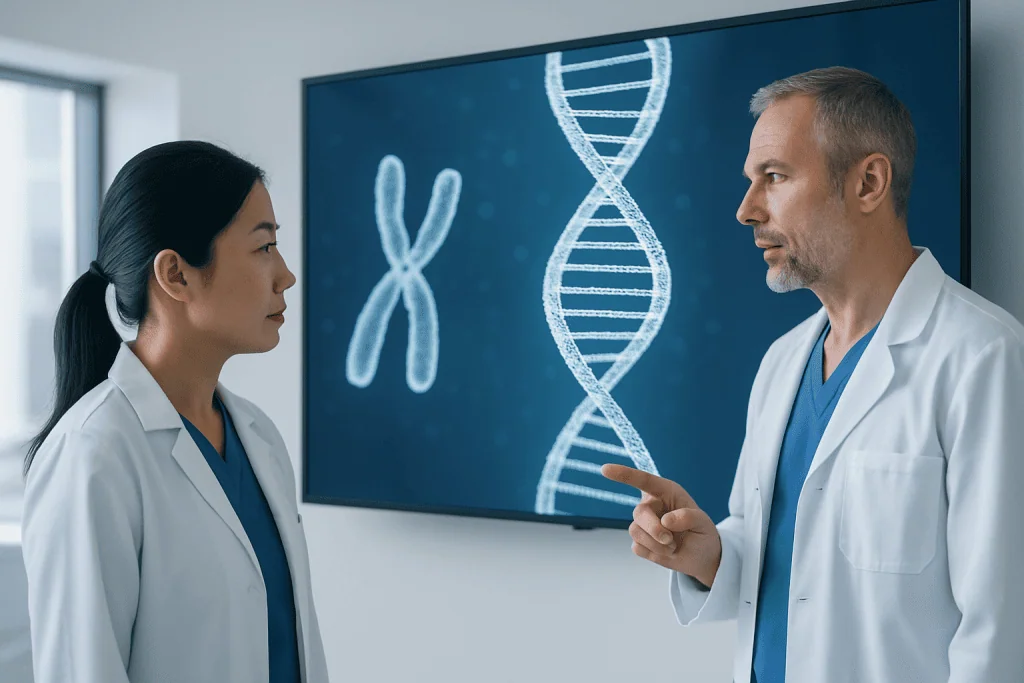
DNA stands for deoxyribonucleic acid. It is made of two strands that twist around one another in a double-helix shape. Its information is stored in a sequence of chemical building blocks, often represented by the letters A, T, C and G.
Cells copy DNA before they divide so that new cells can receive genetic instructions. Cells also read selected DNA sequences to make RNA, which can then help produce proteins. Proteins perform many essential tasks, including providing structure, sending signals, supporting immune defenses and helping chemical reactions occur.
DNA is inherited from biological parents, but it is not completely fixed throughout life. Small changes can arise as cells divide, through normal aging, environmental exposures or random copying errors. Most changes have no meaningful effect. Others may contribute to an inherited condition, influence a trait, or occur only in certain cells, such as cells within a tumor.
Genetic information is only one influence on health. Lifestyle, nutrition, infections, medicines, environment, access to care and many other factors also shape how the body develops and functions.
What genes do—and what they do not determine
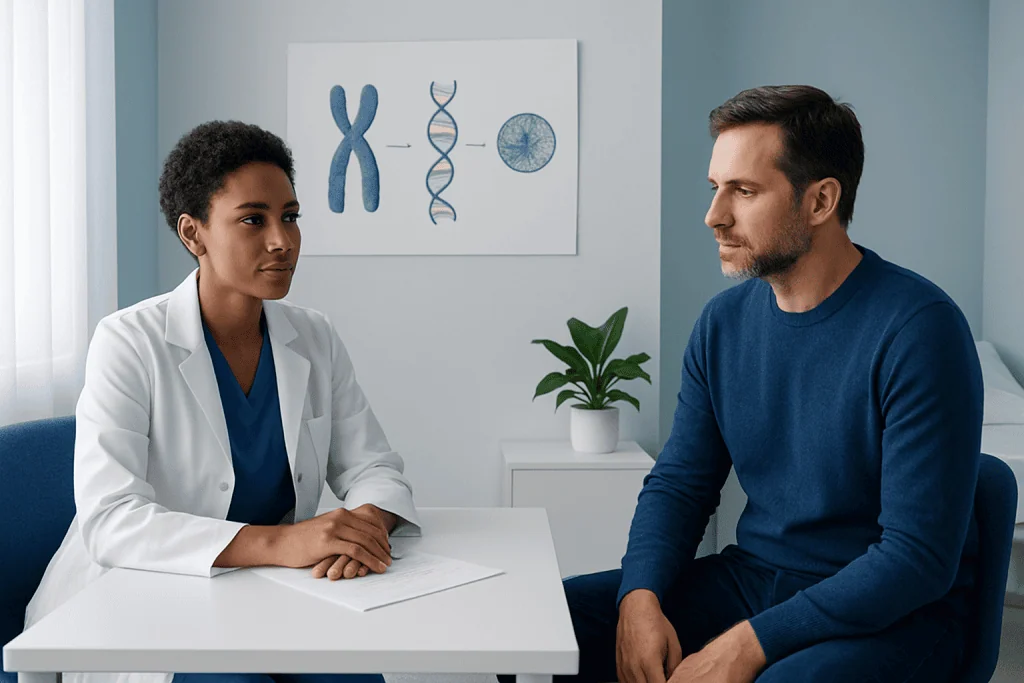
Genes are sections of DNA that contain instructions for making a protein or helping control when, where and how other genes are used. Humans have thousands of genes. Many work together in networks, meaning that a single feature or health condition may involve multiple genes as well as non-genetic influences.
Some genetic variants are common differences between people and are not harmful. Other variants may affect how a protein works or how much of it is made. A variant can be classified as benign, likely benign, uncertain, likely pathogenic or pathogenic, depending on the available evidence. A result described as a variant of uncertain significance does not confirm a diagnosis and should not usually guide major medical decisions on its own.
Having a disease-associated genetic variant does not always mean a person will develop the condition. This is because of concepts such as penetrance, variable expression and modifying factors. Conversely, a person may develop a condition without a known inherited variant, particularly when a disease has many possible causes.
- Inherited variants are present from conception and may be passed through families.
- New, or de novo, variants arise for the first time in an egg, sperm or early embryo.
- Somatic variants develop after conception in some body cells and generally are not passed to children.
Chromosomes: how DNA is organized
DNA is extremely long compared with the size of a cell. To fit safely inside the cell nucleus, it wraps around proteins and folds into organized structures called chromosomes. Chromosomes are easiest to see under a microscope when a cell is preparing to divide.
Most people have 46 chromosomes in 23 pairs in their body cells. Typically, one chromosome in each pair is inherited from each biological parent. Twenty-two pairs are called autosomes. The remaining pair are sex chromosomes: most females have two X chromosomes, while most males have one X and one Y chromosome. Variations in sex chromosome patterns are also possible.
Egg and sperm cells usually contain 23 chromosomes rather than 46. At fertilization, their chromosome sets combine. Changes in chromosome number or structure can occur before birth or later in life. Some are associated with developmental differences, infertility, pregnancy loss or medical conditions, while others have little or no apparent effect.
For example, Down syndrome is usually caused by an extra copy of chromosome 21. A chromosome finding should always be interpreted with the person’s symptoms, family history and appropriate laboratory assessment.
How genetic and chromosome changes are assessed
Healthcare professionals select genetic tests based on the clinical question. A family history, physical examination, health history and sometimes imaging or routine laboratory tests often help determine whether testing is appropriate. Testing may be considered for unexplained developmental differences, certain birth differences, recurrent pregnancy loss, infertility, a strong family history of a condition or selected cancer-related concerns.
Chromosome analysis, also called karyotyping, can identify some large changes in chromosome number or structure. Chromosomal microarray testing can detect smaller missing or extra DNA segments. Gene panels, whole-exome sequencing and whole-genome sequencing examine DNA at increasing levels of detail. No single test detects every possible genetic change.
Testing is usually performed using blood, saliva, cheek cells or another sample, depending on the reason for testing. Some tests are diagnostic, while others estimate whether a person has an increased chance of developing a condition or passing a variant to a child. Prenatal screening estimates likelihood and is different from diagnostic testing, which can confirm or rule out certain findings more directly.
Genetic counseling before and after testing can help a person understand the purpose, limitations, possible results and implications for relatives. It also supports informed decisions about whether to test at all.
Genetics in families, reproduction and cancer care
Family patterns can offer useful clues, but they do not provide certainty. Some conditions follow more recognizable inheritance patterns, such as autosomal dominant, autosomal recessive or X-linked inheritance. Others are influenced by many genes and environmental factors, making prediction less direct.
People who are planning a pregnancy may consider genetic counseling when there is a known inherited condition in the family, a previous pregnancy or child affected by a genetic condition, recurrent pregnancy loss, or a relevant personal medical history. Fertility specialists may discuss appropriate testing options in an individualized way, including in vitro fertilization (IVF) treatment when it is clinically suitable.
Genetic changes can also be important in cancer care. Some inherited variants may increase the likelihood of particular cancers, while genetic changes found only in a tumor may help guide treatment selection. These are different types of testing and answer different questions. A clinician can explain whether genetic testing or tumor testing is relevant in a specific situation.
Results may have emotional and practical implications for an individual and family members. It can be helpful to allow time for discussion with qualified clinicians and, where available, a genetic counselor before sharing results or making major health decisions.
Supporting genetic health and understanding results
There is no proven way to change the DNA inherited at conception. However, people can support overall health by avoiding tobacco, limiting alcohol where appropriate, following recommended vaccinations and screening, maintaining regular physical activity, eating a balanced diet and discussing occupational or environmental exposures with a clinician. These steps support health generally, even when genetic risk is present.
Direct-to-consumer genetic tests may provide information about ancestry, selected traits or limited health-related variants. They do not replace clinical testing, and they may not assess all relevant genes or variants. A result should be discussed with a healthcare professional before it is used to make medical, reproductive or medication decisions.
When a result identifies a disease-associated variant, the next step may include confirmatory testing, screening recommendations, specialist referral or family counseling. When testing is negative, it may still not exclude every genetic cause, especially if current technology cannot detect the relevant change. Interpreting a result in context is essential.
Acibadem International’s multidisciplinary specialists and JCI-accredited hospitals can assess genetic concerns and coordinate appropriate diagnostic and treatment planning for international patients.
When to seek medical care
A person should speak with a doctor or genetic counselor if they have a close relative with a known genetic condition, several relatives with the same or related health problem, an unexplained diagnosis in childhood, developmental concerns, multiple pregnancy losses, infertility or concerns about inherited cancer risk. Medical advice is also appropriate before pregnancy when there is a relevant personal or family history.
Prompt assessment is important for new or concerning symptoms, but symptoms alone do not prove a genetic condition. A healthcare professional can decide whether genetic evaluation is likely to help and may coordinate referral to pediatrics, reproductive medicine, neurology, cardiology, oncology or another specialty as needed.
Anyone who receives an unexpected genetic test result should avoid making sudden treatment or reproductive decisions without professional interpretation. A qualified clinician can explain what is known, what remains uncertain and whether relatives may benefit from counseling or testing.
Frequently asked questions
What is the difference between DNA, genes and chromosomes?
DNA is the molecule that contains genetic instructions. Genes are specific sections of DNA that have biological functions, such as helping make proteins or regulating other genes. Chromosomes are organized packages of DNA and proteins that contain many genes.
How many chromosomes do humans have?
Most people have 46 chromosomes in most body cells, arranged in 23 pairs. One chromosome of each pair is generally inherited from each biological parent. Egg and sperm cells usually contain 23 chromosomes each.
Can a genetic change always cause disease?
No. Many genetic changes are harmless normal variations. Even a disease-associated variant may not lead to disease in every person, because other genes, environment and health factors can influence outcome.
Are genes inherited only from parents?
Most genetic material is inherited from biological parents. However, some genetic changes occur for the first time in an egg, sperm or early embryo; these are called de novo variants. Other changes can develop later in some body cells during life.
What can genetic testing tell a person?
Genetic testing may identify certain changes in genes or chromosomes that help explain symptoms, clarify inherited risk or guide aspects of care. Its limits vary by test, and a negative result does not always rule out a genetic cause. Results are best reviewed with a qualified healthcare professional or genetic counselor.
Should everyone have genetic testing?
Genetic testing is not necessary or useful for every person. It is usually most helpful when there is a specific medical question, personal history or family pattern to investigate. A clinician or genetic counselor can help weigh potential benefits, limits and implications before testing.
References
- National Human Genome Research Institute
- Centers for Disease Control and Prevention
- MedlinePlus Genetics, U.S. National Library of Medicine
- American College of Medical Genetics and Genomics
- World Health Organization
This article is for general information only and is not a substitute for professional medical advice. Please consult a qualified doctor about your individual situation.
Explore treatments in Turkey — costs, top hospitals & a free quote
JCI-accredited · board-certified surgeons · reply within 24h
Add us as a Preferred Source to see more of our trusted health content across Google Search, AI Overviews and Discover.