Exposed Roots Teeth — Explained by Medical Evidence, Not Myths

Exposed tooth roots are most often linked to gum recession, not simply aging. Root surfaces are softer than enamel and may be more sensitive to cold, heat, touch, or sweet foods.
Key Takeaways
- Exposed tooth roots are most often linked to gum recession, not simply aging.
- Root surfaces are softer than enamel and may be more sensitive to cold, heat, touch, or sweet foods.
- Gum disease, aggressive brushing, teeth grinding, tobacco use, and tooth position can contribute to root exposure.
- Treatment depends on the cause and may include sensitivity control, fillings, periodontal care, bite protection, or gum grafting.
- Persistent sensitivity, bleeding gums, swelling, or a loose tooth should be assessed promptly by a dentist.
Exposed roots teeth occur when gum tissue recedes or a tooth loses protective enamel near the gumline, leaving the root surface less protected. They are common and treatable, but a dental assessment helps identify whether gum disease, brushing habits, bite forces, or another factor is involved.
Exposed Roots Teeth: What It Means
Exposed roots teeth means that part of a tooth root is no longer covered by the gum tissue that normally protects it. This often happens when the gumline moves downward on lower teeth or upward on upper teeth, a process called gum recession. It can also occur when a notch, cavity, crack, or loss of enamel develops near the gumline.
The visible crown of a tooth is covered by enamel, the body’s hardest tissue. The root is covered mainly by cementum and dentin, which are thinner and less resistant to everyday acids and abrasion. Dentin contains tiny channels connected to the tooth’s nerve, so an exposed root may feel sensitive even when the tooth otherwise looks healthy.
Root exposure is not always painful, and it does not automatically mean a tooth will be lost. However, it can increase the likelihood of root decay, tooth wear, and ongoing sensitivity. A dental examination can establish why it has occurred and whether treatment is needed.
What Exposed Tooth Roots May Feel Like
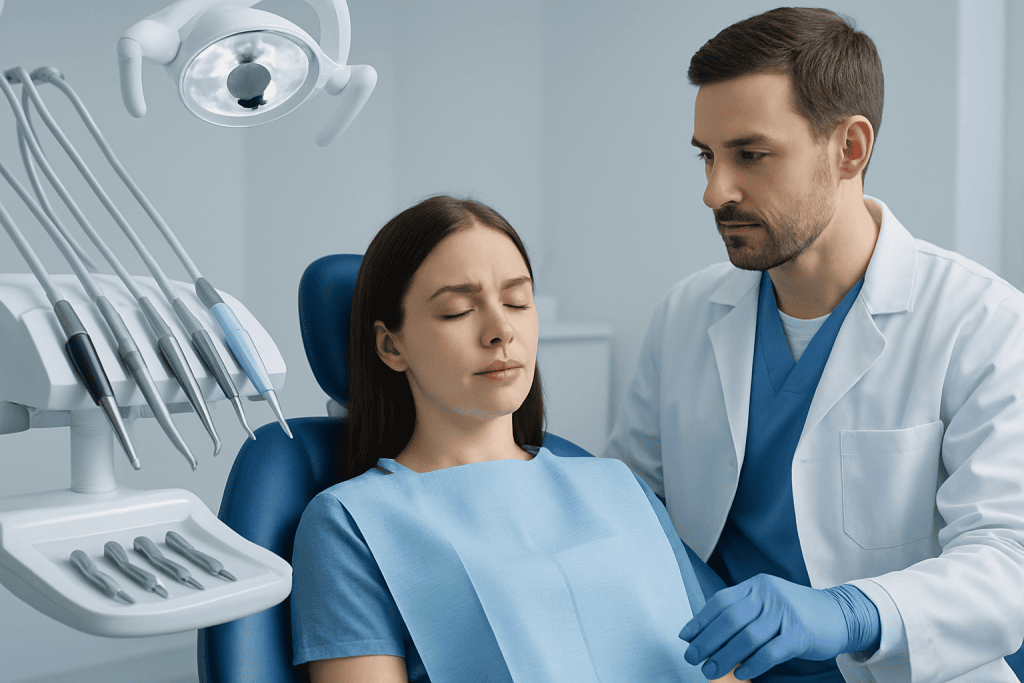
The most familiar symptom is a short, sharp sensation when cold air, cold drinks, hot foods, sweet foods, or brushing touches the affected area. The discomfort may last only seconds, but it can be bothersome enough that a person avoids certain foods or brushes less thoroughly around the tooth.
Some people notice that a tooth appears longer than before or that a small indentation has formed at the gumline. The gums may look uneven, thin, red, or swollen. If gum disease is involved, bleeding during brushing or flossing, persistent bad breath, tenderness, or changes in tooth position may also occur.
Not all sensitivity is caused by exposed roots. Cavities, cracked teeth, leaking restorations, worn enamel, and some dental procedures can create similar symptoms. Pain that is spontaneous, severe, prolonged after temperature changes, or associated with swelling requires professional assessment because it may indicate a different dental problem.
Why Tooth Roots Become Exposed
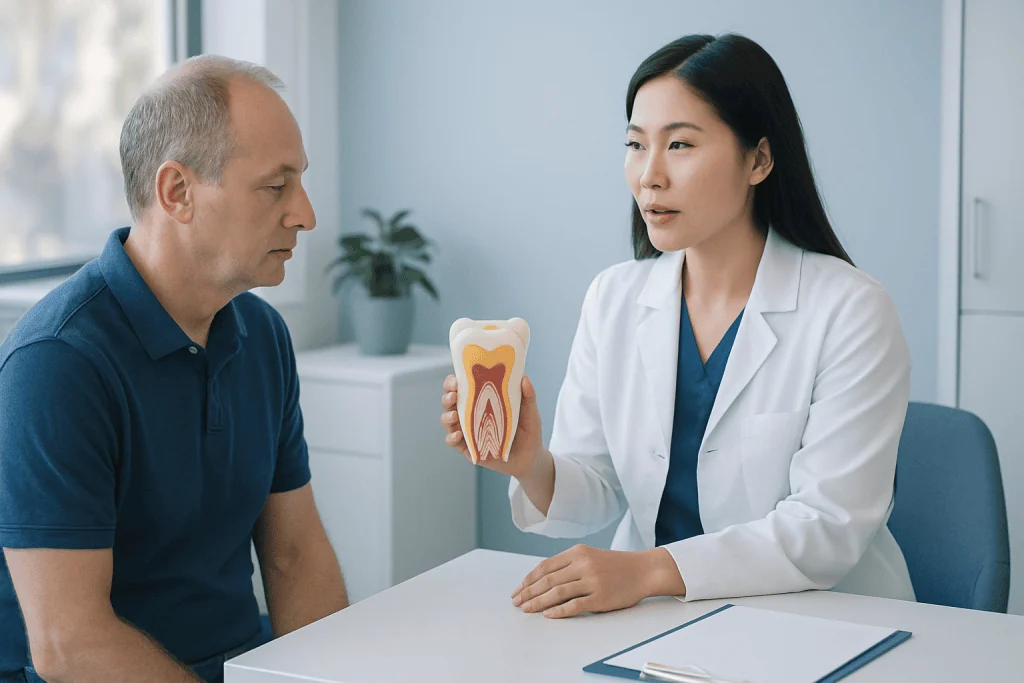
Gum recession has more than one possible cause. Plaque-related gum inflammation can progress to periodontal disease, which damages the tissues and bone supporting teeth. As support is lost, gums may recede and roots can become exposed. Good oral hygiene remains important, but established periodontal disease needs professional evaluation and care.
Mechanical irritation can also play a role. Brushing with excessive force, using a hard-bristled toothbrush, or scrubbing side to side may wear the gumline and root surface over time. Tooth grinding or clenching can place repeated force on teeth, while crowding, a thin gum type, a high lip or tongue attachment, and tooth position may make recession more likely in certain areas.
Other contributing factors include tobacco use, poorly fitting oral appliances, lip or tongue piercings that repeatedly rub the gums, and a history of orthodontic treatment in susceptible gums. Acid exposure from frequent acidic drinks, reflux, or vomiting can soften tooth surfaces and worsen wear, although it is not usually the only explanation for gum recession.
Recession can occur gradually and without obvious symptoms. It is therefore helpful to attend routine dental visits, where measurements of gum position and periodontal health can identify change before sensitivity or root decay becomes more significant.
How Dentists Assess Exposed Roots
A dentist will ask about sensitivity, brushing technique, gum bleeding, grinding or clenching, tobacco use, dietary acids, and medical history. They will examine the gumline, tooth surfaces, bite, and surrounding tissues. The goal is to distinguish simple recession from root decay, a non-carious cervical lesion, a crack, or an infection.
Periodontal probing measures the space between the gum and tooth and helps assess attachment loss. Dental X-rays may be used to check the bone around the teeth and look for decay or other conditions that are not visible during the examination. If grinding is suspected, the dentist may look for flattened or chipped tooth surfaces and jaw-muscle tenderness.
Because gum recession may affect one tooth or many teeth, the pattern matters. Localized recession may relate to brushing trauma, a thin gum area, or tooth position. More widespread changes, bleeding, and bone loss may suggest periodontal disease. Accurate diagnosis guides treatment and helps avoid unnecessary procedures.
Treatment Options: Protecting Teeth and Gums
Treatment is based on the cause, the degree of sensitivity, the risk of decay, and the appearance and stability of the gumline. When recession is mild and the tooth is stable, a dentist may recommend a soft-bristled toothbrush, a gentle technique, fluoride-based sensitivity products, and regular monitoring. Professional fluoride or desensitizing treatments may also help reduce discomfort.
If the root has a cavity, a deep worn area, or sensitivity that does not improve, a tooth-colored restoration may be placed to protect the root surface. This does not regrow gum tissue, but it can cover vulnerable dentin, improve comfort, and reduce the chance of further damage. When clenching or grinding contributes, a custom night guard may be considered alongside stress management and bite assessment.
For periodontal disease, treatment focuses on controlling bacterial plaque and inflammation through professional cleaning and periodontal therapy, combined with effective home care. In selected cases, a periodontist may recommend gum graft surgery or another root-coverage procedure. These procedures aim to strengthen thin gum tissue, cover part or all of an exposed root where appropriate, and improve long-term protection.
Root canal treatment is not routinely needed for exposed roots teeth. It is considered only when the tooth nerve has become irreversibly inflamed or infected, based on symptoms, testing, and imaging. A dentist can explain the likely benefit and limitations of each option for the individual tooth.
Daily Care and Prevention
Gentle, consistent plaque removal is central to protecting the gums. A soft toothbrush, light pressure, and small motions along the gumline are generally preferable to forceful scrubbing. An electric toothbrush with a pressure sensor can be useful for some people, although careful manual brushing can also be effective. Daily cleaning between teeth with floss or appropriately sized interdental brushes supports gum health.
For sensitivity, patients may be advised to use a toothpaste formulated for sensitive teeth and to avoid rinsing immediately after brushing so its active ingredients can remain on the tooth surfaces. A dentist can recommend fluoride products when root decay risk is higher. Abrasive whitening products and frequent home whitening may aggravate sensitivity in some people.
Reducing tobacco exposure supports gum health and healing. Limiting frequent acidic drinks and avoiding brushing immediately after acid exposure may also reduce wear; rinsing with water first can be a practical step. People who wake with jaw soreness, have worn teeth, or notice clenching should discuss this with a dentist rather than relying on an over-the-counter appliance alone.
When to Seek Medical Care
A dental appointment is appropriate when a tooth appears longer, sensitivity is persistent or worsening, gums bleed regularly, or there is a visible notch or dark area near the gumline. Early care can often prevent root decay and help identify correctable causes such as brushing trauma or gum inflammation.
More urgent dental assessment is needed for facial or gum swelling, pus, fever, severe pain, a loose tooth, injury to the mouth, or difficulty swallowing or breathing. These symptoms can signal infection or trauma that should not be managed with home remedies alone.
Patients with diabetes, immune suppression, pregnancy-related gum changes, or a history of periodontal disease may benefit from particularly regular dental follow-up. Acibadem International’s multidisciplinary dental specialists and JCI-accredited hospitals assess and treat dental and gum conditions for international patients.
Frequently asked questions
Can exposed tooth roots grow back on their own?
Gum tissue that has receded does not usually return to its original position on its own. However, the progression of recession can often be slowed or stopped by addressing its cause. In suitable cases, gum grafting or other periodontal procedures may improve root coverage.
Are exposed roots teeth always caused by gum disease?
No. Gum disease is an important cause, but forceful brushing, tooth position, thin gums, grinding, tobacco use, and tooth wear can also contribute. A dentist can determine the likely cause by examining the gums, teeth, bite, and supporting bone.
Why do exposed roots hurt with cold drinks?
Root dentin has microscopic channels that can transmit temperature changes toward the tooth nerve. When gum tissue or enamel no longer protects the area, cold, heat, touch, or sweet foods may trigger brief sensitivity. Desensitizing treatments and protecting the surface often help.
Can an exposed tooth root get a cavity?
Yes. Root surfaces are more vulnerable to decay than enamel, particularly when plaque remains near the gumline or saliva flow is reduced. Regular dental visits, fluoride use when recommended, and careful cleaning can lower this risk.
Should a person brush less if their gums are receding?
No. Stopping or reducing brushing can allow plaque to accumulate and worsen gum inflammation. The safer approach is gentle brushing with a soft brush, daily cleaning between the teeth, and advice from a dental professional on technique.
Is gum graft surgery necessary for every exposed root?
No. Many cases can be managed with prevention, sensitivity treatment, restorations, and monitoring. Gum grafting may be considered when recession is progressing, gum tissue is very thin, sensitivity or root decay risk is high, or improved root coverage is clinically appropriate.
This article is for general information only and is not a substitute for professional medical advice. Please consult a qualified doctor about your individual situation.
Explore treatments in Turkey — costs, top hospitals & a free quote
JCI-accredited · board-certified surgeons · reply within 24h
Add us as a Preferred Source to see more of our trusted health content across Google Search, AI Overviews and Discover.

More from the Health Library

Drinking Saffron Tea — Explained by Medical Evidence, Not Myths

Runing — Explained by Medical Evidence, Not Myths

Low Body Temperature — Explained by Medical Evidence, Not Myths

Underbite — Explained by Medical Evidence, Not Myths

Ground Turkey: What Patients Need to Know