Aching Body After Drinking: A Complete Medical Overview

Body aches after alcohol are often linked to dehydration, inflammatory responses, poor-quality sleep, and physical strain. Alcohol can worsen muscle cramps and fatigue by increasing fluid and electrolyte loss, particularly when vomiting or diarrhea occurs.
Key Takeaways
- Body aches after alcohol are often linked to dehydration, inflammatory responses, poor-quality sleep, and physical strain.
- Alcohol can worsen muscle cramps and fatigue by increasing fluid and electrolyte loss, particularly when vomiting or diarrhea occurs.
- Rest, non-alcoholic fluids, regular light meals, and avoiding further alcohol are usually the safest supportive measures.
- Pain medicines may not be suitable for everyone after drinking, especially for people with liver disease, stomach ulcers, kidney problems, or heavy alcohol use.
- Urgent medical care is needed for confusion, seizures, severe vomiting, chest pain, breathing difficulty, or signs of alcohol poisoning.
An aching body after drinking is commonly part of a hangover and may reflect dehydration, disrupted sleep, inflammation, and the effects of alcohol breakdown. Symptoms usually improve within a day, but severe, persistent, or unusual pain should be assessed by a healthcare professional.
Overview: Why the Body Can Ache After Drinking
An aching body after drinking is usually a temporary hangover symptom. Alcohol affects fluid balance, sleep, the immune system, blood sugar regulation, and muscles, so a person may wake with generalized soreness, headache, tiredness, weakness, or a feeling similar to having the flu.
The intensity of symptoms does not always match the amount of alcohol consumed. Drinking quickly, drinking on an empty stomach, poor sleep, heat exposure, physical activity, dehydration before drinking, and individual differences in alcohol metabolism can all make body aches more noticeable.
For many people, symptoms begin as blood alcohol levels fall and resolve over the next day. However, alcohol-related body pain should not automatically be assumed to be a hangover, particularly when it is severe, localized, lasts longer than expected, or occurs with other concerning symptoms.
How Alcohol Can Lead to Muscle and Body Aches
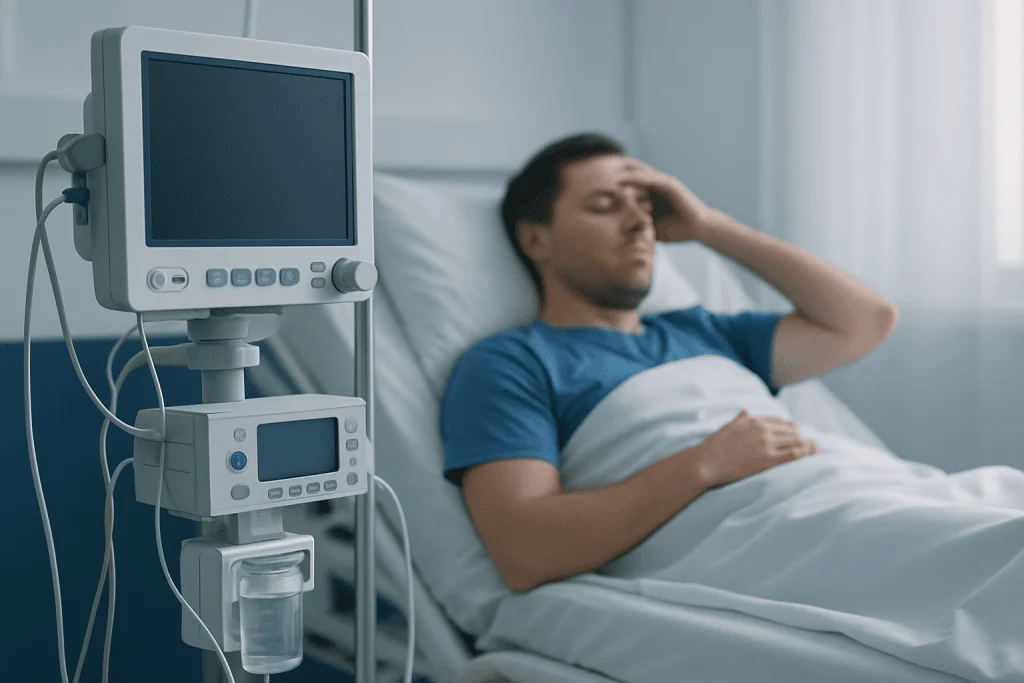
Alcohol has a diuretic effect, meaning it can increase urination and contribute to dehydration. When the body loses fluid, muscles may feel tired, heavy, cramped, or sore. Vomiting, sweating, or diarrhea after drinking can increase fluid and electrolyte losses further.
Alcohol can also interfere with restorative sleep. A person may fall asleep more quickly after drinking, but alcohol fragments sleep later in the night and can reduce sleep quality. Poor sleep can heighten sensitivity to pain and leave muscles feeling less recovered the next day.
As the liver breaks alcohol down, it produces substances that may contribute to nausea, flushing, fatigue, and general discomfort. Alcohol may also trigger inflammatory pathways in some people. These effects, together with dehydration and interrupted sleep, help explain the widespread aching that may accompany a hangover.
Physical factors matter as well. Dancing, walking long distances, sitting in an awkward position, or exercising while intoxicated may cause ordinary muscle strain that is noticed more strongly the following day. Injuries can also be missed when alcohol reduces coordination and pain awareness.
Symptoms That May Occur Alongside Body Aches
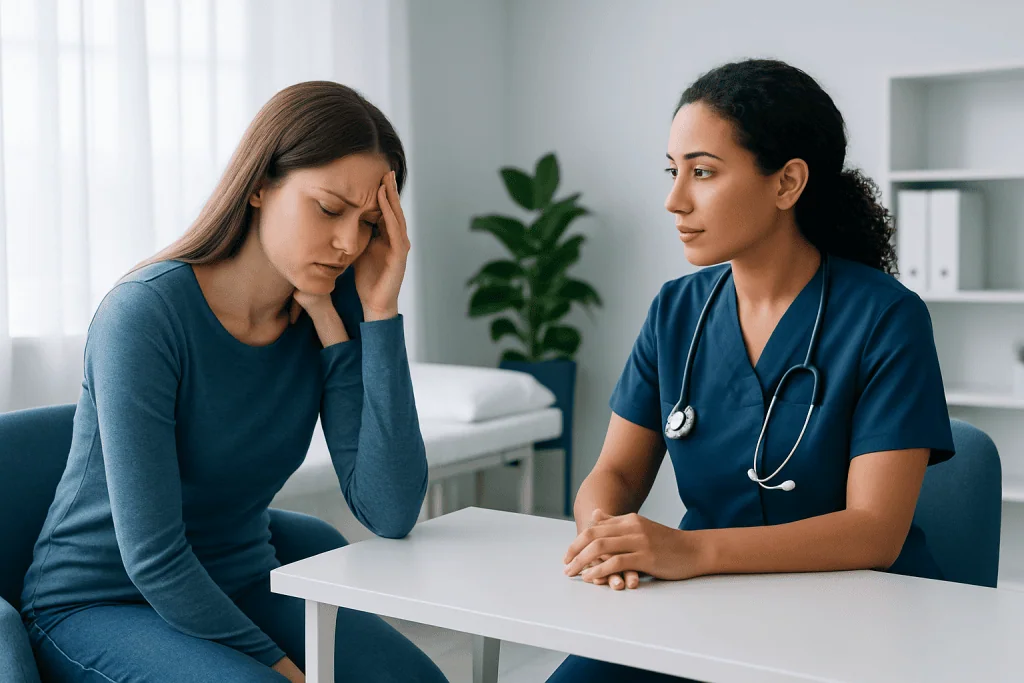
Body aches after alcohol commonly occur with other hangover symptoms. These may include thirst, dry mouth, headache, tiredness, nausea, sensitivity to light or sound, dizziness, reduced concentration, shakiness, and low mood or anxiety. Symptoms tend to vary from person to person.
Muscle soreness may be generalized or more noticeable in the neck, shoulders, back, legs, or calves. Cramping can occur when dehydration or electrolyte loss is significant, although cramps may also have unrelated causes such as overexertion, circulation problems, or medication effects.
Aches that are sharp, focused in one area, associated with swelling or weakness, or clearly linked to a fall or injury deserve separate attention. Likewise, fever, rash, cough, urinary symptoms, or abdominal pain may point to an illness unrelated to alcohol rather than a simple hangover.
- Common hangover features: fatigue, headache, thirst, nausea, and diffuse soreness.
- Possible dehydration features: dark urine, dizziness on standing, dry mouth, and reduced urination.
- Symptoms needing prompt assessment: confusion, fainting, chest pain, severe abdominal pain, or repeated vomiting.
Who May Be More Likely to Feel Aches After Alcohol
Anyone can develop body aches after drinking, but the risk may be higher when alcohol is consumed rapidly or in larger amounts than usual. Not eating before drinking, having inadequate fluid intake, sleeping poorly, and mixing alcohol with strenuous activity can also make recovery harder.
Age, body size, genetics, medications, liver health, kidney health, and other medical conditions can influence how the body handles alcohol. Some people experience stronger symptoms after small amounts because of alcohol intolerance, sensitivity to ingredients in particular drinks, or interactions with medicines.
People who drink heavily or regularly may develop tolerance to some effects of alcohol, but tolerance does not protect against dehydration, injury, liver disease, heart rhythm problems, or alcohol use disorder. Shaking, sweating, anxiety, nausea, or insomnia when alcohol wears off may be signs of withdrawal in someone who drinks frequently; stopping suddenly can be medically risky for some individuals and should be discussed with a clinician.
What Can Help at Home
Time is the main treatment for a typical hangover. Gentle self-care can make recovery more comfortable: stopping alcohol intake, resting, sipping water or oral rehydration fluids, and eating small, regular meals if tolerated. Soups, fruit, toast, rice, eggs, yogurt, and other easy-to-digest foods may help restore fluids and energy.
It is usually better to drink fluids steadily rather than consuming a very large amount at once. A person who has been vomiting may tolerate small, frequent sips better. Caffeinated drinks can make some people feel more alert, but they do not cure a hangover and may worsen jitteriness, stomach upset, or sleep disruption.
Gentle movement, a warm shower, stretching, and a quiet place to sleep may ease stiffness. Intense exercise is best postponed until the person is rehydrated, has eaten, and no longer feels dizzy or unwell. Drinking more alcohol to relieve hangover symptoms is not recommended because it can delay recovery and reinforce harmful drinking patterns.
Over-the-counter pain relief is not appropriate for every person after alcohol use. Some medicines can irritate the stomach or affect the kidneys, while acetaminophen may pose a greater liver risk when combined with alcohol or used by people who drink heavily. A pharmacist or doctor can advise on the safest option based on the individual’s health, medicines, and alcohol intake.
Prevention and Safer Alcohol Choices
The most reliable way to prevent alcohol-related aches and hangovers is to avoid alcohol or drink less. For adults who choose to drink, pacing intake, avoiding drinking games or rapid consumption, having food beforehand, and alternating alcoholic drinks with non-alcoholic fluids can reduce the likelihood of becoming significantly dehydrated or intoxicated.
Planning ahead can also help. A person may choose a set limit, avoid alcohol when ill, tired, or dehydrated, arrange safe transportation, and avoid mixing alcohol with recreational drugs or medicines unless a clinician has confirmed that it is safe. Alcohol should not be combined with sedatives, sleep medicines, or opioid pain medicines because the combination can dangerously slow breathing.
There is no proven hangover cure, supplement, or “detox” method that reliably removes alcohol from the body quickly. The liver needs time to process alcohol. If body aches or other symptoms happen regularly after modest drinking, it may be helpful to discuss alcohol tolerance, medications, and underlying health issues with a healthcare professional.
When to Seek Medical Care
Medical care is important if body aches are severe, last longer than 24 to 48 hours, recur frequently, or interfere with normal activity. A clinician can check for dehydration, injury, infection, medication interactions, nutritional concerns, or health conditions that may be contributing to the pain.
Emergency care is needed for possible alcohol poisoning or another serious problem. Warning signs include inability to wake someone, confusion, seizures, slow or irregular breathing, blue or pale skin, repeated vomiting, fainting, severe chest pain, severe abdominal pain, or weakness on one side of the body. A person who is unconscious or vomiting should not be left alone.
Someone with dark cola-colored urine, marked muscle weakness, swelling, or severe muscle pain after heavy drinking, intense exercise, prolonged immobility, or an injury should seek urgent assessment. These symptoms can occasionally indicate significant muscle damage or kidney stress.
Acibadem International’s multidisciplinary specialists and JCI-accredited hospitals assess alcohol-related symptoms, dehydration, injuries, and underlying health concerns for international patients. A qualified doctor can help distinguish a self-limited hangover from a condition requiring treatment.
Frequently asked questions
Why does my whole body ache after drinking alcohol?
Whole-body aches after drinking are often related to dehydration, poor-quality sleep, inflammatory effects of alcohol, and physical fatigue. Vomiting, diarrhea, dancing, exercise, or an unnoticed injury may add to the discomfort. Symptoms usually settle as the body rehydrates and recovers.
How long do body aches after drinking last?
For a typical hangover, body aches often improve within the next day as alcohol leaves the body and sleep, fluid intake, and food intake return to normal. Symptoms that persist beyond 24 to 48 hours, worsen, or are unusually intense should be reviewed by a healthcare professional.
Can dehydration from alcohol cause muscle cramps?
Yes. Alcohol can increase urine output, and vomiting or diarrhea can lead to further fluid and electrolyte loss. This may contribute to cramps, weakness, and muscle soreness, although persistent or severe cramping can have other causes and should be assessed.
Is it safe to take pain medicine for a hangover?
It depends on the medicine, how much alcohol was consumed, and the person’s medical history. Some pain medicines can irritate the stomach or affect kidney function, and acetaminophen may be unsafe for people with heavy alcohol use or liver disease. A pharmacist or doctor can provide individualized advice.
Do body aches after drinking mean alcohol intolerance?
Not necessarily. Body aches can occur as part of an ordinary hangover, especially after dehydration or poor sleep. Alcohol intolerance more often causes symptoms such as flushing, nasal congestion, rapid heartbeat, nausea, or headache after relatively small amounts, and a clinician can help assess recurring reactions.
When are body aches after alcohol an emergency?
Emergency help is needed for confusion, inability to wake up, seizures, slow or irregular breathing, fainting, repeated vomiting, severe chest or abdominal pain, or signs of serious injury. Severe muscle pain with dark urine or profound weakness also needs urgent medical attention.
This article is for general information only and is not a substitute for professional medical advice. Please consult a qualified doctor about your individual situation.
Explore treatments in Turkey — costs, top hospitals & a free quote
JCI-accredited · board-certified surgeons · reply within 24h
Add us as a Preferred Source to see more of our trusted health content across Google Search, AI Overviews and Discover.

More from the Health Library

Paternity Test: What Patients Need to Know

Sprained Ankle: An Evidence-Based Guide for Patients

Myasthenia Gravis: An Evidence-Based Guide for Patients

Salvia: A Complete Medical Overview

Under Tongue — Explained by Medical Evidence, Not Myths