Paternity Test: What Patients Need to Know

A paternity test compares DNA from the child, the possible father, and often the mother. DNA-based paternity testing is usually highly accurate when samples are collected and processed properly.
Key Takeaways
- A paternity test compares DNA from the child, the possible father, and often the mother.
- DNA-based paternity testing is usually highly accurate when samples are collected and processed properly.
- Testing may be done after birth or during pregnancy, depending on the medical situation and legal need.
- Home and legal paternity tests are not the same; chain-of-custody rules affect whether results can be used in court.
- A doctor or genetic counselor can help explain the safest testing option and what the results mean.
A paternity test uses DNA to determine whether a man is the biological father of a child. Most modern DNA-based tests are highly accurate when performed correctly, but the right type of test, timing, and legal requirements matter.
Overview
A paternity test is a DNA test used to find out whether a man is a child’s biological father. In most cases, the test compares genetic markers from the child and the alleged father, and it may also include the mother’s sample to improve interpretation. Because a child inherits half of their DNA from each biological parent, this comparison can usually confirm or exclude biological fatherhood with a high degree of confidence.
People seek paternity testing for different reasons. Some want clarity for personal or family questions, while others need results for legal matters such as custody, child support, birth registration, inheritance, or immigration. In medical care, knowing biological parentage can sometimes help doctors understand family history and inherited health risks.
Paternity testing is not the same as a general health check. It is a specific laboratory analysis, and its value depends on collecting the right samples, following the correct process, and choosing a trusted laboratory. If testing is being considered during pregnancy or in a situation involving family conflict, discussing the options with a qualified clinician can help people make informed, careful decisions.
How a Paternity Test Works
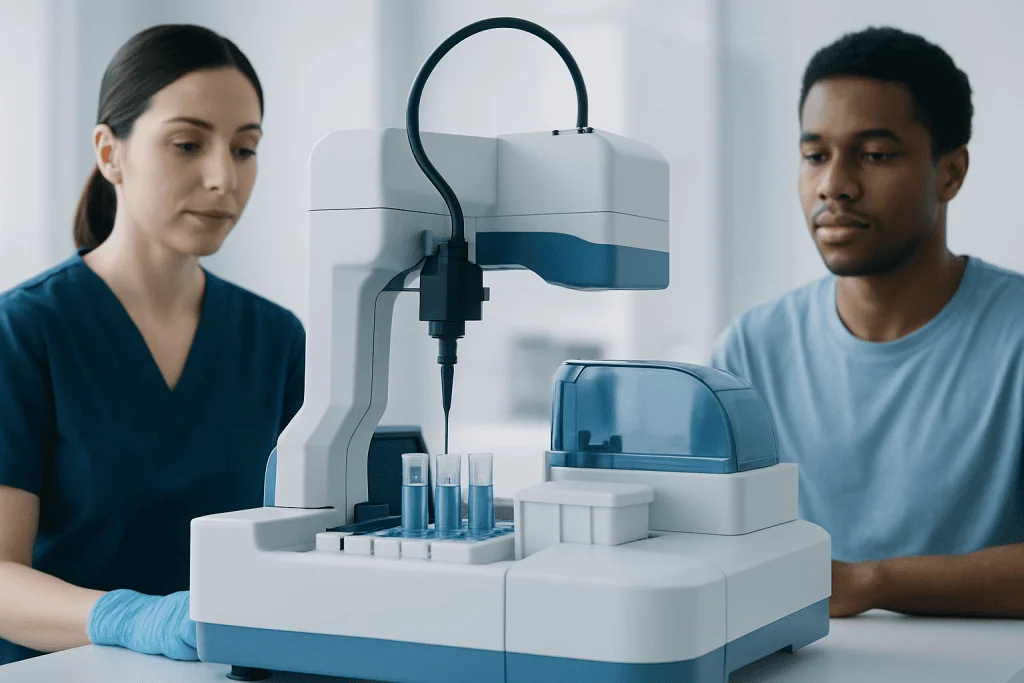
Modern paternity tests are based on DNA, the genetic material present in nearly all cells of the body. Laboratories study selected areas of DNA called genetic markers and compare the child’s markers with those of the possible father. If the markers match in the expected pattern, the results support paternity. If key markers do not match, the tested man can be excluded as the biological father.
Samples are commonly collected with a cheek swab, which gently gathers cells from the inside of the mouth. This method is simple, painless, and widely used for both adults and children after birth. In some settings, a blood sample may also be used, especially when testing is performed as part of broader laboratory or prenatal care services such as medical check-up testing.
Results are usually reported in one of two ways: exclusion or strong support for paternity. Laboratories may provide a probability of paternity based on the DNA comparison. This number should always be interpreted in context. A clinician or genetic specialist can help explain how the result was reached and whether any additional testing is needed.
- Postnatal testing: Done after the child is born, usually with cheek swabs.
- Prenatal testing: Done during pregnancy, using maternal blood in some cases or other procedures when medically appropriate.
- Legal testing: Follows documented identity checks and chain-of-custody procedures.
- At-home testing: May answer personal questions but may not be valid for court use.
Types of Paternity Tests and When They Are Used

There are several types of paternity tests, and the best choice depends on timing, purpose, and safety considerations. The most straightforward option is postnatal DNA testing after birth. This is commonly done using cheek swabs from the child and the alleged father, sometimes with the mother included as well. For many families, this is the simplest and least invasive method.
Prenatal paternity testing may be considered when answers are needed during pregnancy. Non-invasive prenatal paternity testing generally uses a blood sample from the pregnant person and a sample from the alleged father. The laboratory analyzes cell-free fetal DNA circulating in maternal blood. This approach avoids entering the uterus and is often preferred when available and appropriate. If a pregnancy is already being monitored for other reasons, prenatal assessment may also involve pregnancy follow-up with an obstetric team.
Some older invasive methods involved obtaining samples through procedures such as chorionic villus sampling or amniocentesis. These procedures have important medical uses, especially when evaluating genetic conditions, but they are not usually chosen solely for paternity questions because they carry procedural considerations. If there are concerns about inherited disorders, a doctor may discuss related testing and conditions such as genetic diseases separately from paternity testing itself.
Another key difference is personal versus legal testing. A personal test may help answer a private question, but if the result is needed for court or official documentation, the test usually must follow strict identity verification and sample handling rules. This process helps ensure that the reported results are linked to the correct individuals.
Accuracy, Reliability, and What Can Affect Results
DNA paternity testing is generally very accurate when performed by an accredited laboratory using proper sample collection and quality controls. In most cases, the test can either exclude paternity or provide very strong evidence that the tested man is the biological father. Including the mother’s DNA is not always required, but it can make the analysis easier to interpret in some situations.
Accuracy depends on more than the laboratory technology alone. Reliable identification of the tested individuals, clean sample collection, and careful transport are all important. A mislabeled sample, contaminated swab, or administrative error can lead to delay or uncertainty. This is one reason legal paternity tests use supervised collection and documented chain-of-custody procedures.
Certain situations may require expert interpretation or additional testing. Examples include recent bone marrow transplant, rare genetic variants, testing involving close male relatives, or cases where one parent is unavailable. If family health questions are also relevant, clinicians may recommend broader evaluation through genetic testing to understand hereditary findings that are separate from paternity.
People should also be cautious about assumptions based on blood type, appearance, or home folklore. These cannot confirm paternity reliably. DNA analysis is the accepted medical and laboratory standard for paternity testing.
Before, During, and After the Test
Before testing, it helps to clarify the purpose of the test. If the result is intended for a legal case, official registration, or immigration process, it is important to ask in advance whether a legal chain-of-custody test is required. The clinic or laboratory may ask for identification documents and consent forms. For children, consent requirements may vary depending on age and local regulations.
During a postnatal test, sample collection is usually quick and comfortable. A healthcare professional or trained collector rubs a swab inside the cheek to gather cells. Prenatal testing may involve maternal blood collection, depending on the method chosen. In all cases, patients should tell the doctor about any recent transfusions, transplants, or unusual medical history that could affect interpretation.
After the test, results may take days to weeks depending on the laboratory and the type of analysis. The report is often technical, so many people benefit from a clear explanation from a doctor, genetics professional, or counselor. This conversation can also address emotional, family, and legal implications, which may be just as important as the laboratory finding itself.
Because paternity results can have significant personal consequences, emotional support may be helpful. Some individuals prefer to involve a counselor, social worker, or trusted healthcare professional before sharing the result with family members.
Ethical, Emotional, and Legal Considerations
Paternity testing can answer a biological question, but it may also raise difficult emotional and ethical issues. Families may experience anxiety, uncertainty, conflict, or relief depending on the outcome. In some situations, people choose to seek counseling before and after testing so they can understand possible consequences and communicate thoughtfully.
Privacy is another important issue. DNA information is sensitive personal data, and patients should know how their samples and results will be stored, who can access them, and whether samples may be retained after testing. Reputable providers explain their confidentiality practices and obtain informed consent before proceeding.
Legal requirements also differ by country and purpose. A result from a home kit may not be accepted in court, while legal testing usually requires witnessed sample collection and identity verification. Anyone arranging a paternity test for official use should confirm the required standard in advance. This can prevent the need to repeat testing later.
Near the end of the care pathway, some patients choose to review the result with specialists who can place it in a wider medical context, especially if family history or reproductive planning is involved. Acibadem International’s multidisciplinary specialists and JCI-accredited hospitals diagnose and support patients who need paternity-related laboratory evaluation and counseling for international care needs.
When to Seek Medical Care
A paternity test itself is usually not a medical emergency, but medical guidance can be helpful in several situations. A person should seek professional advice if they are considering testing during pregnancy, have a high-risk pregnancy, or have been told they may need invasive prenatal procedures for other health reasons. In these cases, the safest testing option should be discussed with an obstetrician or maternal-fetal medicine specialist.
Medical care is also appropriate when paternity questions are connected to a child’s health, inherited disease risk, organ or tissue matching, or the need for a more complete family history. A doctor may recommend related evaluation if there are concerns about inherited conditions, developmental issues, or unexplained health problems in a child.
People should also seek medical or psychological support if the testing process is causing significant stress, conflict, or safety concerns at home. A clinician, counselor, or social worker may help with decision-making, confidentiality, and support planning. If there is any concern about coercion, domestic violence, or lack of consent, immediate professional support is important.
Frequently asked questions
How accurate is a paternity test?
A DNA-based paternity test is generally very accurate when samples are collected properly and analyzed by a qualified laboratory. It can usually either exclude a man as the biological father or provide very strong evidence that he is the father.
Can a paternity test be done during pregnancy?
Yes, in some cases paternity testing can be done during pregnancy. Non-invasive prenatal testing usually uses a blood sample from the pregnant person and a DNA sample from the alleged father, and a doctor can explain whether this is appropriate.
What samples are needed for a paternity test?
After birth, the most common sample is a cheek swab from the child and the alleged father. The mother’s sample may also be included to help with interpretation, although it is not always required.
Are home paternity tests and legal paternity tests the same?
No. A home test may be useful for personal information, but legal tests usually require identity verification and documented chain-of-custody procedures. Without these steps, the result may not be accepted in court or by official agencies.
Can blood type prove who the father is?
No, blood type alone cannot reliably prove paternity. It may sometimes exclude a possibility in limited situations, but DNA testing is the accepted standard for determining biological fatherhood.
Why might a doctor be involved in paternity testing?
A doctor may help when testing is being considered during pregnancy, when there are concerns about inherited conditions, or when results could affect medical decisions. Medical guidance can also help patients understand testing options, safety, and confidentiality.
This article is for general information only and is not a substitute for professional medical advice. Please consult a qualified doctor about your individual situation.
Explore treatments in Turkey — costs, top hospitals & a free quote
JCI-accredited · board-certified surgeons · reply within 24h
Add us as a Preferred Source to see more of our trusted health content across Google Search, AI Overviews and Discover.

More from the Health Library

Headgear Braces — Explained by Medical Evidence, Not Myths

Methylparaben — Explained by Medical Evidence, Not Myths

Black Tea — Explained by Medical Evidence, Not Myths

Bumps Under Eyes: What Patients Need to Know

Running and Itching: A Complete Medical Overview