Gas After an Operation: Recovery Tips and Warning Signs

Gas and bloating are common after surgery because anesthesia, pain medicines, and reduced activity can slow the intestines. Shoulder-tip discomfort after laparoscopic surgery can occur as the body absorbs the carbon dioxide used during the procedure.
Key Takeaways
- Gas and bloating are common after surgery because anesthesia, pain medicines, and reduced activity can slow the intestines.
- Shoulder-tip discomfort after laparoscopic surgery can occur as the body absorbs the carbon dioxide used during the procedure.
- Walking when approved, changing positions, drinking fluids as directed, and following the surgical diet plan can support bowel recovery.
- Passing gas is often a reassuring sign that intestinal movement is returning after abdominal surgery.
- Severe or worsening abdominal pain, repeated vomiting, fever, a swollen abdomen, or inability to pass gas or stool requires prompt medical advice.
Gas after operation is usually a temporary part of recovery, especially after abdominal or pelvic procedures. It may result from slowed bowel movement, swallowed air, medications, or the carbon dioxide used during laparoscopic surgery, but persistent or severe symptoms should be assessed by a clinician.
Gas After Operation: What It Usually Means
Gas after operation is common and is usually temporary. Surgery, anesthesia, pain-relieving medicines, fasting, and spending more time in bed can all slow the normal movement of the stomach and intestines. This can lead to bloating, cramping, burping, flatulence, or a feeling of pressure until the digestive system resumes its usual rhythm.
For many people, passing gas after an abdominal operation is a welcome sign that bowel activity is returning. The timing varies according to the procedure, the person’s overall health, the type of anesthesia, and the medicines used during recovery. The surgical team will advise when eating and drinking can safely restart and what symptoms are expected after the specific operation.
Not all discomfort described as “gas” comes from the intestines. After laparoscopic, or keyhole, surgery, some people develop temporary upper abdominal or shoulder-tip discomfort. This may be related to carbon dioxide gas used to create working space during the procedure, which is gradually absorbed by the body.
How Surgery Can Affect the Digestive System
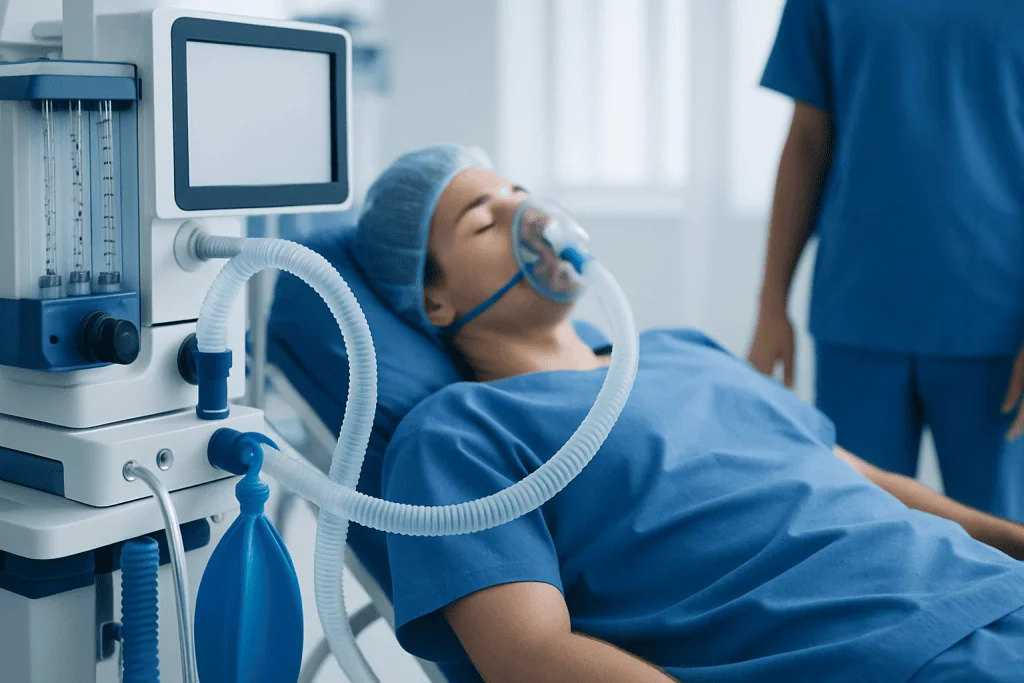
The intestines normally move food, fluid, and air forward through coordinated muscle contractions. General anesthesia and the body’s stress response to surgery can temporarily reduce these contractions. This short-term slowing is often called postoperative ileus and is especially common after operations involving the abdomen or pelvis.
Opioid pain medicines can further slow bowel movement and contribute to constipation, trapped gas, and abdominal fullness. Anticholinergic medicines, some anti-nausea treatments, dehydration, changes in routine, and limited food intake may also play a role. In addition, people may swallow more air while eating quickly, chewing gum, drinking through a straw, or talking while eating during recovery.
The expected pattern depends on the operation. Bowel activity may take longer to return after major intestinal surgery than after a minor procedure away from the abdomen. A clinician considers the whole recovery picture, including pain level, appetite, nausea, bowel sounds, ability to pass gas or stool, and examination findings.
Common Symptoms and What Can Be Expected

Common symptoms of postoperative gas include abdominal bloating, mild cramping, a rumbling sensation, burping, and passing wind. Some people feel pressure beneath the ribs or have discomfort that moves around the abdomen. These symptoms often improve as the person becomes more mobile, resumes food and fluids according to medical instructions, and the bowel begins functioning normally again.
After laparoscopic surgery, remaining carbon dioxide can irritate the diaphragm, a muscle below the lungs. Because the diaphragm shares nerve pathways with the shoulder area, this may cause referred pain at one or both shoulder tips. It generally settles as the gas is absorbed, although the time course differs between individuals.
Constipation can occur alongside gas, particularly when opioid medicines are needed. Hard stools, straining, infrequent bowel movements, and a sense of incomplete emptying may all increase bloating. The care team may recommend a bowel regimen or adjust pain treatment where appropriate; patients should not start laxatives, enemas, or over-the-counter remedies without checking that they are suitable for their operation and health history.
- Often expected: mild to moderate bloating, intermittent cramps, burping, or passing gas that gradually improves.
- Worth discussing: symptoms that interfere with drinking, eating, walking, sleep, or taking prescribed medicines.
- Potentially urgent: escalating pain, a markedly swollen abdomen, repeated vomiting, fever, or no passage of gas or stool with worsening discomfort.
Practical Ways to Support Recovery From Gas
Following the surgeon’s recovery plan is the safest starting point. When the surgical team approves it, getting out of bed and taking short, frequent walks can encourage circulation and normal intestinal movement. Even changing position in bed, sitting upright, and taking gentle steps with assistance may be useful early in recovery.
Fluids are important when they are permitted, especially if constipation is contributing to symptoms. The recommended diet may begin with clear liquids or other easy-to-digest foods and progress gradually. Eating small portions slowly may be more comfortable than having large meals. Some people find it helpful to temporarily limit carbonated drinks and foods that reliably cause them extra gas, such as beans, onions, or certain high-fiber foods, until digestion feels more settled.
It is important to take prescribed pain medicines exactly as directed and tell the care team if side effects are troublesome. A clinician may be able to suggest options that maintain pain control while reducing constipation risk. Deep breathing exercises, if included in the postoperative plan, and gentle movement can also support overall recovery.
Patients should avoid forcing bowel movements, using herbal products, or taking non-prescribed gas, constipation, or pain remedies unless the surgeon or pharmacist confirms they are appropriate. This is particularly important after gastrointestinal surgery, bariatric surgery, or operations where diet and medication restrictions are part of healing.
When Gas May Be More Than a Normal Recovery Symptom
Although gas is usually benign, clinicians remain alert for less common complications that can cause similar symptoms. A prolonged ileus means bowel movement has not returned as expected. A mechanical bowel obstruction, infection, bleeding, or a leak after certain abdominal procedures can also cause pain, distension, nausea, and changes in bowel function. These conditions require medical assessment rather than home treatment.
The risk depends on the type and extent of surgery, prior abdominal operations, existing bowel disease, electrolyte imbalances, infection, and the medicines used. Previous abdominal surgery can sometimes lead to internal scar tissue, known as adhesions, which may contribute to later obstruction. This does not mean that every episode of bloating indicates a complication, but it explains why new or worsening symptoms should be reported.
People recovering after intestinal or colorectal surgery may be given specific instructions about expected output from a stoma, diet progression, drains, and symptoms that should be reported. Those individualized instructions take priority over general information. For related information on bowel blockage, see intestinal obstruction.
When to Seek Medical Care
Patients should contact their surgeon, postoperative care team, or another qualified clinician if gas pain is severe, is getting worse rather than better, or is preventing normal recovery. Prompt advice is also important for persistent nausea, poor fluid intake, constipation that does not respond to the agreed plan, or symptoms that continue beyond the timeframe the surgical team described.
Urgent medical assessment is needed for severe or increasing abdominal pain, a hard or rapidly enlarging abdomen, repeated vomiting, fever, chills, fainting, new shortness of breath, chest pain, blood in vomit or stool, or inability to pass gas or stool together with worsening bloating or pain. These symptoms do not always indicate a serious problem, but they should not be managed as ordinary gas without clinical guidance.
Patients should seek emergency care immediately if they feel acutely unwell or have signs of an allergic reaction, such as swelling of the face or throat or difficulty breathing. If there is uncertainty, contacting the surgical team is appropriate; they can advise whether the symptoms fit the expected recovery process or need examination.
Planning a Comfortable Postoperative Recovery
Before leaving hospital, patients can ask what degree of bloating is expected, when they may restart usual foods, how much activity is safe, and which medicines may affect bowel function. It can also be useful to clarify whom to contact outside normal office hours. Keeping a simple note of symptoms, fluid intake, food tolerance, bowel movements, and passing gas may help the care team assess a concern.
Recovery is not identical for everyone. Older adults, people with long-term digestive conditions, those taking multiple medicines, and patients having major abdominal procedures may need closer follow-up. A gradual return to activity, regular hydration when allowed, and adherence to discharge instructions generally provide the best foundation for recovery.
Acibadem International’s multidisciplinary specialists and JCI-accredited hospitals support international patients with diagnosis, surgery, and postoperative follow-up when needed. Any new or concerning digestive symptoms after an operation should be discussed with a qualified healthcare professional rather than self-treated.
Frequently asked questions
How long does gas after operation usually last?
The duration depends on the procedure and the person’s recovery. Mild gas and bloating commonly improve over the first several days as activity and normal bowel movement return. After major abdominal surgery, bowel recovery may take longer, and the surgeon’s instructions are the best guide.
Is passing gas after surgery a good sign?
After abdominal surgery, passing gas is often a reassuring sign that the intestines are beginning to move again. It does not by itself confirm that recovery is complete, but it is one observation the care team may use alongside appetite, pain, nausea, and bowel movements. Patients should still report worsening symptoms.
Why does gas after laparoscopy cause shoulder pain?
Laparoscopic surgery uses carbon dioxide to create space inside the abdomen. Small amounts may remain temporarily and irritate the diaphragm, causing pain felt in the shoulder area through shared nerve pathways. This discomfort generally improves as the gas is absorbed, but severe or persistent pain should be reported.
Can walking help relieve gas after surgery?
When approved by the surgical team, short and frequent walks can help stimulate bowel movement and reduce the effects of prolonged bed rest. Movement should be gradual and safe, especially after major surgery or when dizziness, weakness, or mobility restrictions are present. A patient should ask for assistance if needed.
What foods should be avoided when there is gas after operation?
The appropriate diet depends on the operation, so the surgical diet plan should come first. Some people are more comfortable temporarily avoiding fizzy drinks, large meals, and foods that personally cause bloating while digestion recovers. Food restrictions may be more important after gastrointestinal procedures, so changes should be discussed with the care team.
When is gas after operation an emergency?
Emergency assessment is appropriate when gas-like symptoms occur with severe or worsening abdominal pain, repeated vomiting, fever, a markedly swollen or rigid abdomen, fainting, chest pain, or breathing difficulty. Inability to pass gas or stool along with worsening pain or distension also needs urgent medical advice. These signs can have causes other than gas and should be evaluated promptly.
References
- American College of Surgeons
- National Institute of Diabetes and Digestive and Kidney Diseases
- MedlinePlus, U.S. National Library of Medicine
- National Health Service
- World Health Organization
This article is for general information only and is not a substitute for professional medical advice. Please consult a qualified doctor about your individual situation.
Persistent digestive symptoms? Get evaluated in Turkey
JCI-accredited · board-certified surgeons · reply within 24h
Add us as a Preferred Source to see more of our trusted health content across Google Search, AI Overviews and Discover.

More from the Health Library

Alert and Oriented X4: What Patients Need to Know

Connective Tissue — Explained by Medical Evidence, Not Myths

Potatoes: An Evidence-Based Guide for Patients

Mommy Issues — Explained by Medical Evidence, Not Myths

Bloating: What Patients Need to Know