

When Can You Fly After Surgery in Turkey? A Procedure-Specific Guide

When can you fly after surgery in Turkey? Your safe travel date depends on your procedure, recovery, fit-to-fly review and airline rules.
Planning your return journey after surgery in Turkey should start with your individual recovery—not a fixed calendar date. This guide explains the practical factors that affect when you can fly, how different procedures may change your plan, and how to prepare for a comfortable trip home.
At a glance
- Main decision: Your treating surgeon confirms when you are fit to fly.
- What affects timing: Procedure type, anaesthesia, wound healing, mobility and complications.
- Before departure: Arrange a follow-up review and collect your medical documents.
- On the flight: Move regularly, stay hydrated and follow your medication plan.
- If your plan changes: Do not travel with new or worsening symptoms without medical advice.
Your return flight should follow your recovery plan
After treatment abroad, it is understandable to want a clear answer to the question, “When can I fly?” In practice, the safest answer is personal: your travel date should be agreed with the surgeon or clinical team responsible for your care. They will consider the operation you had, the type of anaesthesia used, your examination findings, your pain control, your ability to walk safely and whether your recovery has been straightforward.
Air travel adds practical demands after surgery. You may need to sit for a prolonged period, walk through an airport, lift or manage belongings, cope with cabin pressure changes and access medical help less easily than at your hospital. A fit-to-fly discussion is therefore part of discharge and follow-up planning, rather than simply a booking decision.
At Acibadem International, your international patient services team can help coordinate follow-up appointments around your expected travel plans. However, your clinical team’s assessment always takes priority over a preferred flight date, hotel reservation or onward itinerary.
Typical timing varies by the type of surgery
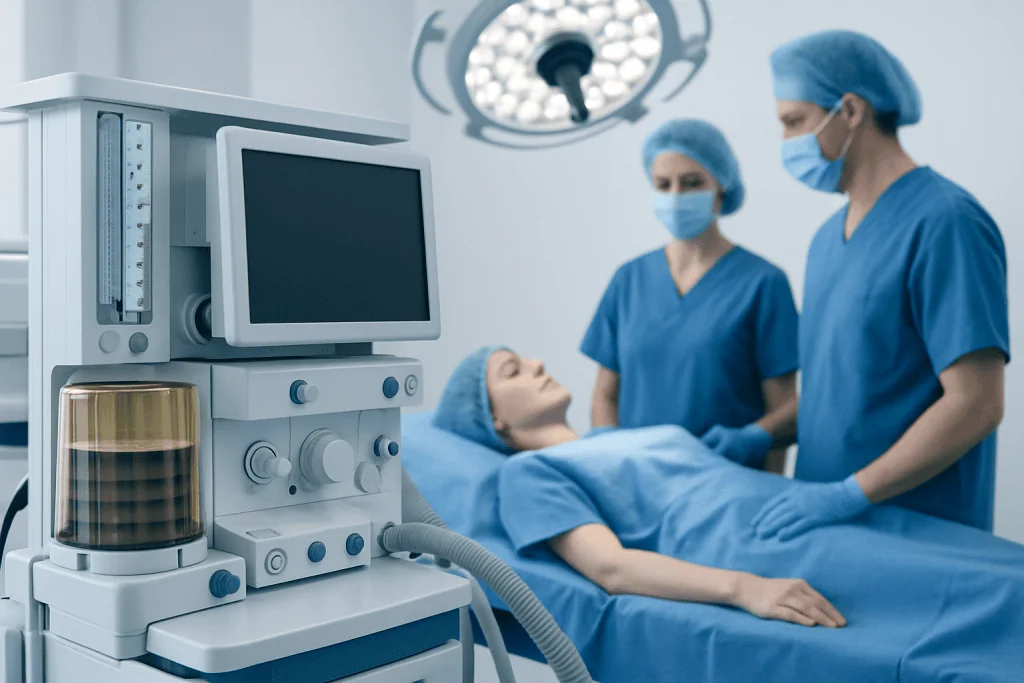
There is no single waiting period that applies to every operation. Minor procedures performed under local anaesthesia may allow a much earlier return than surgery involving general anaesthesia, large incisions, implants, internal organs or significant restrictions on movement. Your surgeon may also advise additional time in Turkey if an early wound check, dressing change, drain review or repeat assessment is needed.
For many patients, the broad pattern is that simpler skin or soft-tissue procedures may require only a short local recovery period, while more extensive cosmetic, orthopaedic, abdominal, chest, neurological or cardiac operations commonly need a longer period of supervised recovery before flying. Surgery involving the nose, ears, sinuses, eyes, chest or abdomen can require special consideration because swelling, pressure changes, bleeding risk or trapped air may affect travel safety.
These are planning principles, not a substitute for your own medical clearance. If you are having a combined procedure, have a long flight home, live with a medical condition, or have had any unexpected recovery issue, your recommended travel date may differ substantially from general guidance.
- Ask your surgeon for a written estimated travel window before you book a non-flexible ticket.
- Confirm whether you need a final in-person review before departure.
- Check whether your airline requires a medical information or fit-to-fly form.
Why long flights need extra attention after surgery
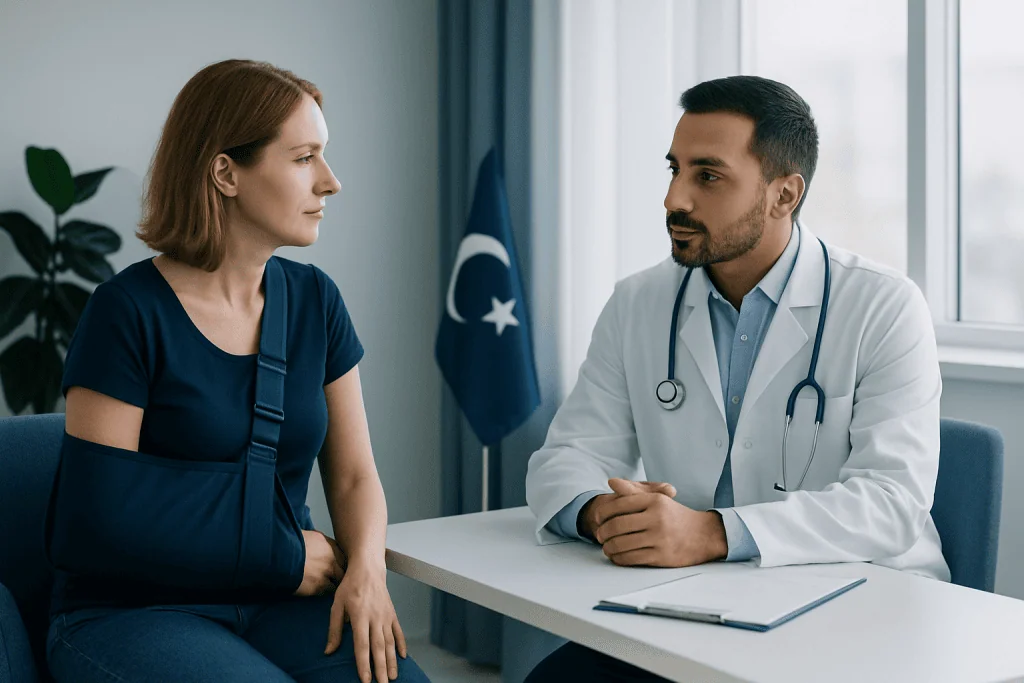
After an operation, reduced movement, inflammation and dehydration can contribute to a higher risk of blood clots in some people. Long periods seated on a flight may add to that risk. Your team will assess your individual risk based on your procedure, medical history, age, mobility, smoking status, previous clotting problems and planned journey length.
You may be advised to take regular short walks when safe, perform simple ankle and calf movements while seated, wear compression stockings if prescribed, drink water regularly and avoid alcohol around travel. Some patients may need medication to reduce clotting risk, but this should only be used exactly as directed by the treating clinician; it is not appropriate for everyone.
Comfort matters too. Plan clothing that does not rub on dressings or incisions, allow extra time at the airport, and request airport assistance if walking long distances will be difficult. If you have a cast, brace, drainage device, mobility aid or recent limb surgery, confirm airline arrangements early because seating, screening and equipment policies can vary.
What you should arrange before leaving Turkey
A final review is your opportunity to make sure the journey home is realistic and safe. Tell your team about your flight date, flight duration, connections, seat type and whether someone is travelling with you. Mention any concerns such as increasing pain, swelling, nausea, breathlessness, wound leakage, fever or difficulty walking, even if they seem minor.
Before departure, ask for your discharge summary, operative information where appropriate, medication list, prescriptions, wound-care instructions and contact details for follow-up. Keep these documents with you in your hand luggage, together with any medication and essential supplies. Do not pack important medicines in checked baggage.
Acibadem International can assist international patients with practical coordination, including interpreters, records for onward care and travel or accommodation planning where available. If you need an extended stay because your doctor advises against flying, tell the international patient services team as early as possible so they can help you explore practical options.
How to make the journey home more manageable
Choose the simplest itinerary you can reasonably manage. A direct flight is often easier than multiple connections after surgery, especially if you have limited mobility, need regular medication, are travelling with dressings or are still tired from anaesthesia. If a connection is unavoidable, allow generous time between flights and ask the airline about wheelchair or buggy assistance in advance.
Travel with a responsible adult if your procedure or recovery makes independent travel difficult. Your companion can help with luggage, check-in, meals, medication reminders and communicating with airport staff. Depending on the operation, your surgeon may advise that you should not drive, travel alone or make important decisions for a period after anaesthesia or sedating pain medicines.
During the flight, follow the specific advice you were given. In general, keep medication accessible, change position regularly if permitted, avoid lifting heavy bags, protect your wound or support garment from friction, and listen to your body. Let cabin crew know if you feel unwell, and seek urgent help after landing if symptoms are severe or worsening.
When to delay travel and seek medical advice
Do not assume that a booked flight means you should travel. Contact your treating team promptly if you develop symptoms that could signal a complication, such as fever, worsening or uncontrolled pain, increasing redness around a wound, pus-like drainage, persistent vomiting, fainting, new leg swelling, chest pain or shortness of breath. These symptoms need medical assessment and may mean your journey should be delayed.
Some changes may be less urgent but still important, including a dressing that has become loose or soaked, medication side effects, constipation that is causing marked discomfort, difficulty passing urine, or concerns about a cast or brace. Getting advice early is usually easier than trying to manage a problem in transit or once you are home.
If you have already returned home, follow the escalation advice in your discharge information and arrange local medical assessment when needed. Your care does not end at the airport: keep your planned follow-up appointments, share your discharge summary with your usual doctor if appropriate, and contact your treating team for guidance on post-treatment questions.
Step by step
- Discuss your likely travel window before treatment. At your consultation or pre-treatment planning stage, ask how long you may need to remain in Turkey and whether a follow-up visit is expected before travel. Use this as a planning estimate rather than a guarantee, and consider booking flexible travel where possible.
- Share your full travel itinerary. Tell your clinical team about your destination, flight duration, connections and planned date of departure. Long-haul travel, multiple airport transfers and limited mobility can affect the advice you receive.
- Attend your post-operative review. Your surgeon or clinical team will assess how you are recovering and whether your wound, pain, movement and overall condition support air travel. Raise every concern openly, including symptoms that started after discharge.
- Obtain fit-to-fly and airline information if needed. Ask whether your airline needs a medical certificate, MEDIF form or confirmation about equipment such as a wheelchair, cast, brace or oxygen. Airline requirements are separate from clinical clearance, so check them directly before travel.
- Prepare hand luggage for recovery. Carry medication, prescriptions, discharge records, wound-care supplies, a water bottle after security and any required support garments in your cabin bag. Keep documents and medicines easy to reach without lifting heavy luggage.
- Plan airport support and a companion. Request mobility assistance early if you may struggle with long walks, queues or transfers. If advised by your team, travel with a companion who can help you manage the journey and respond if you feel unwell.
- Follow your travel-day instructions. Take medicines only as prescribed, move safely and regularly when permitted, and stay hydrated. Avoid heavy lifting and seek help from airport or cabin staff if you feel dizzy, breathless, faint or suddenly unwell.
Your checklist
- Confirm your travel date with your surgeon or treating clinical team.
- Attend all recommended wound checks and post-operative reviews.
- Ask if your procedure requires a fit-to-fly letter or airline medical form.
- Check your airline’s rules for mobility aids, casts, medical devices and assistance.
- Keep medicines, prescriptions and discharge documents in hand luggage.
- Arrange airport wheelchair or buggy assistance if walking may be difficult.
- Choose a direct flight or allow generous connection times where possible.
- Travel with a companion if your team recommends it or you need practical support.
- Know the warning symptoms that should delay travel or prompt urgent medical care.
Key takeaways
- Your surgeon’s individual fit-to-fly assessment is more reliable than a standard number of days after surgery.
- The procedure, anaesthesia, wound healing, mobility, flight length and your medical history all influence travel timing.
- Long flights may require extra clot-prevention and comfort measures tailored to you.
- A final review, clear discharge documents and advance airline planning can make your return journey smoother.
- Seek medical advice before flying if you have new, worsening or concerning symptoms.
Frequently asked questions
How soon after surgery in Turkey can I fly home?
The right timing depends on your operation and your recovery, so your treating surgeon should confirm when you are fit to fly. Minor procedures may have a shorter recovery window than major operations or surgery involving the chest, abdomen, bones, eyes, ears or nose. Your travel date may also change if you need a wound review or develop any complication.
Can I book my return flight before my surgery?
You can often make a provisional booking, but flexible tickets or changeable arrangements are sensible when possible. Ask your clinical team for an estimated stay before you travel to Turkey, then wait for your post-operative assessment before treating the flight as final. A planned date should never override medical advice.
Do I need a fit-to-fly certificate after surgery?
Not every patient needs one, but some airlines request medical clearance after recent surgery or when a passenger has a cast, mobility aid, medical device or special assistance needs. Ask both your treating team and your airline well in advance. Your international patient coordinator can help you understand what documents to request, but the airline makes its own boarding decisions.
Is it safe to take a long-haul flight after surgery?
It can be appropriate when your surgeon has cleared you, but longer flights may need more careful planning. Your team may advise movement, hydration, compression stockings or other measures based on your personal risk of blood clots. Do not start blood-thinning medicine or use compression products without individual medical advice.
What symptoms mean I should not fly after surgery?
Contact your treating team urgently before travel if you have chest pain, shortness of breath, fainting, new significant leg swelling, fever, uncontrolled pain, worsening wound redness or drainage, or persistent vomiting. These symptoms can have different causes, but they should be assessed rather than managed during a flight. If symptoms are severe, seek emergency care immediately.
Should I travel with someone after surgery?
For some procedures, travelling with a companion is strongly advisable, particularly if you have limited mobility, are taking sedating medication or may need help with luggage and airport navigation. Your surgeon can advise whether independent travel is suitable for you. If you do travel alone, arrange airport assistance and keep essential items in an easy-to-reach bag.
What documents should I take home after treatment in Turkey?
Keep your discharge summary, medication list, prescriptions, wound-care advice, follow-up plan and relevant test or operative information in your hand luggage. These records can help your doctor at home understand your treatment if you need review after returning. Make digital copies as a backup where practical.
Add us as a Preferred Source to see more of our trusted health content across Google Search, AI Overviews and Discover.
More Patient Guides

At Acibadem, How to Prepare for a Safe Flight Home
Safe flight home after treatment starts with medical clearance, medication planning, and airport support from Turkey or Istanbul.
9 min read
Returning Home with New Medicines from Turkey: How to Organize Your First Week
Returning home with new medicines from Turkey is easier when you organize your first week with clear labels, timing, supplies, and follow-up…
9 min read
Follow-Up Tests After Treatment in Turkey: When You May Need Imaging or Labs
Follow-up tests after treatment in Turkey may include imaging or labs if your doctor needs to monitor healing, symptoms, or medication effects.
9 min read