

Medical Records Privacy in Turkey: Consent, Sharing, and Patient Rights

Medical records privacy in Turkey gives you rights to informed consent, confidential care, record access and controlled sharing during treatment in Istanbul.
When you seek treatment abroad, understanding who can access your health information can help you feel more in control. This guide explains how consent, confidentiality, record sharing and practical privacy choices generally work for international patients receiving care in Turkey.
At a glance
- Your information: Health records should be handled confidentially and used for your care.
- Your consent: You can ask what you are agreeing to before signing forms.
- Record sharing: Clinical teams may share relevant information for safe, coordinated treatment.
- Your access: You can request copies or summaries of your medical records.
- Support available: International patient services can help explain documents and arrange interpreters.
Why medical privacy matters when you travel for care
Your medical record may include identification details, medical history, test results, imaging, prescriptions, consultation notes and treatment plans. When you travel to Turkey for care, these records often move between you, your home doctor, your chosen hospital and sometimes an insurer, embassy support service or family member. Knowing how this information is used can make each stage of your journey easier to manage.
Privacy does not mean that nobody involved in your care can see your information. For safe treatment, the clinicians and staff directly supporting your care may need access to relevant details. The practical goal is for information to be available to the right people for a clear care purpose, while being handled confidentially and not shared more widely than necessary.
At Acibadem International, international patient coordinators can help you understand which documents are needed before arrival, where they will be stored and who may need them during your care. If a form or privacy notice is unclear, you can pause and ask for an explanation in a language you understand before proceeding.
Consent: what you should understand before signing
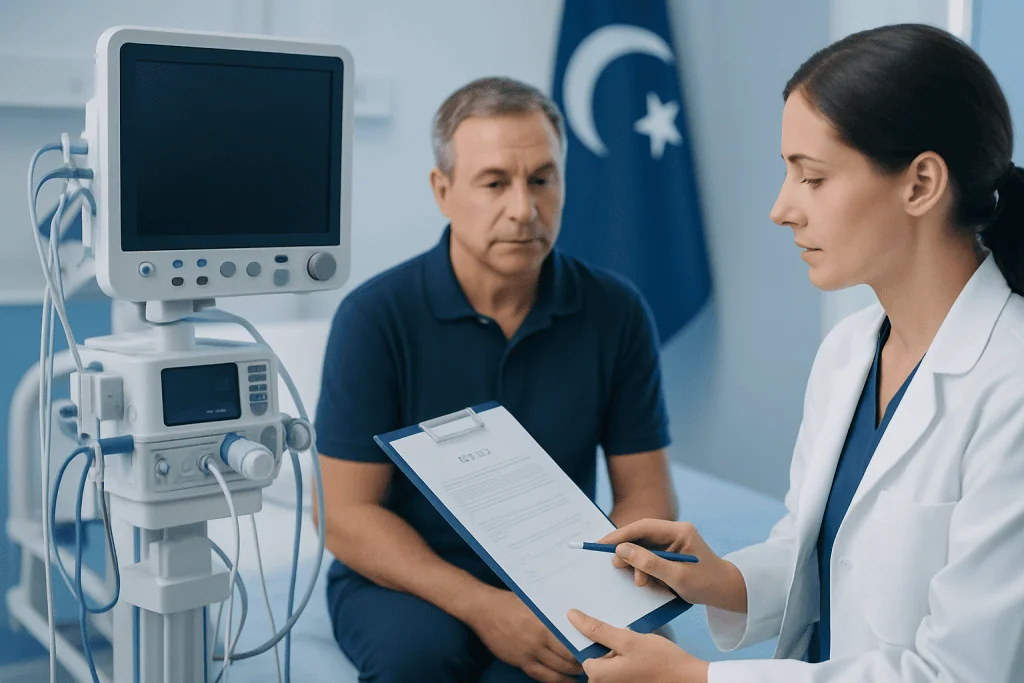
Consent is your agreement to a proposed action after you have received understandable information and had the opportunity to ask questions. In a healthcare setting, you may be asked to sign separate documents for clinical assessment or treatment, processing personal and health information, financial administration, insurance communication and, in some cases, specific optional uses of data.
Before you sign, ask what the document covers, why the information is needed, who may receive it and whether the permission is required for your immediate care or is optional. You can also ask how long the consent applies and whether there is a process for changing or withdrawing a non-essential permission. Keep a copy or photograph of documents you sign whenever this is permitted.
Clinical consent and privacy consent are related but not identical. Agreeing to a consultation or procedure does not mean you should assume every possible use or disclosure of your information has been explained. Ask your coordinator or the care team to distinguish the forms clearly, particularly if you are arranging treatment remotely before arriving in Istanbul.
- Request an interpreter if you do not fully understand the language used.
- Ask for key terms to be explained in plain language.
- Check that your name, date of birth and contact details are accurate.
- Do not feel pressured to sign an optional form without time to review it.
When your medical information may be shared

Relevant medical information may need to be shared within the treating hospital or across a multidisciplinary team. For example, a specialist, nurse, radiologist, laboratory professional, pharmacist and international patient coordinator may each need certain information to organise and deliver safe care. This internal sharing should be connected to your treatment, safety, appointment coordination or necessary administration.
Your records may also be shared outside the hospital when you request it or when it is necessary for a defined care-related purpose, such as obtaining prior records from your doctor at home, sending a discharge summary to your follow-up clinician or providing documentation requested by your insurer. Ask what will be shared, in which format, with whom and whether the receiving organisation has a secure method for receiving health information.
There can be limited situations in which disclosure is required or permitted under applicable law, such as public-health reporting, legal obligations or urgent circumstances affecting safety. If you are concerned about a particular situation, ask the hospital’s patient services or privacy contact to explain the process. They can tell you what can be controlled by your consent and what may be governed by legal requirements.
Your practical rights as a patient
As a patient, you can generally expect respectful, confidential handling of your health information and clear communication about your care. You can ask to review the information being recorded, request correction of factual inaccuracies where appropriate and seek copies of reports, images or discharge documents. The exact process, timing and available format can vary, so make requests early if you need records for travel, insurance or follow-up at home.
You can also say who may receive updates about your care. If you are travelling with a spouse, parent, adult child, friend or medical travel facilitator, do not assume staff may discuss your records with them simply because they are accompanying you. Tell your coordinator in writing whom you authorise to receive information, what type of updates they may receive and whether that permission should end at discharge.
If you prefer not to discuss sensitive matters in front of a companion, say so privately to a nurse, doctor or coordinator. You may ask for a private conversation, an interpreter of a preferred gender where available, or communication by a particular contact method. These requests are often easiest to arrange before your first appointment, but you can raise them at any time.
Protecting privacy before, during and after your visit
Start with secure preparation. Send records only through the hospital’s recommended channels rather than open social media, shared public links or unfamiliar email addresses. When you send reports electronically, check the recipient address carefully and include only what has been requested. Keep originals and a secure digital backup for yourself, particularly if you are carrying imaging discs or printed reports while travelling.
During your stay, be thoughtful about what you discuss in public areas, hotel lobbies, transport and shared rooms. Use a passcode on your phone and avoid leaving documents visible in your room or luggage. If you use a shared family email address, decide whether you want appointment confirmations, results or invoices sent there, as these messages may contain personal health details.
Before returning home, ask for a clear discharge summary, medication list, test results and instructions for follow-up. Confirm the best contact point for future record requests and whether you need to give written authorisation for information to be sent to your doctor. Acibadem International can help coordinate the documents needed for continuity of care, while your home clinician remains an important partner in your ongoing care.
If you have a privacy concern or need help
If something about the handling of your information concerns you, raise it promptly with your international patient coordinator, the relevant department or the hospital’s patient relations team. Describe what happened, when it happened, which information was involved and what outcome you are seeking. Keeping a short written record of dates, names and correspondence can help the team review your concern accurately.
Many concerns can be resolved by clarifying a consent form, correcting contact information, updating your preferred communication method or documenting who is authorised to receive information. If you need language support, ask for an interpreter or translated explanation. You should not have to rely on a relative to interpret private or complex medical information if professional support can be arranged.
For urgent clinical issues, contact the treating team or seek emergency care rather than waiting for an administrative privacy response. For non-urgent questions, contact the hospital before travel if possible. Early discussion gives the team time to record your preferences and make your arrival, appointments and discharge process more comfortable.
Step by step
- List the records you need to share. Gather recent reports, imaging summaries, medication lists, allergies and relevant prior treatment details. Send only through the secure method recommended by the hospital, and retain copies for your own records.
- Name your authorised contacts. Decide whether a companion, family member, insurer or doctor at home may receive updates. Be specific about who is authorised and whether they may receive clinical, appointment or billing information.
- Review consent forms carefully. Read each form before signing and ask what it permits. Request an interpreter or plain-language explanation if any wording, purpose or recipient is unclear.
- Confirm your communication preferences. Tell the team whether you prefer email, phone or another contact method, and provide a secure address and number. Mention if messages should not be sent to a shared account or discussed with a travel companion.
- Ask for documents at discharge. Request a discharge summary, results, imaging reports, medication information and follow-up recommendations before you leave. Check that your identifying details are correct and ask how to request further records after returning home.
- Arrange secure follow-up sharing. Discuss how records will be sent to your clinician at home, if you want this arranged. Confirm the destination, the documents to be sent and any authorisation required for the transfer.
Your checklist
- Bring a current medication list, including doses and allergies.
- Use the hospital’s recommended secure channel to send records.
- Keep copies of consent forms and key correspondence.
- Tell staff exactly who may receive information about you.
- Ask for an interpreter if you do not fully understand a form or discussion.
- Use a private email address and phone number where possible.
- Request discharge documents before leaving Turkey.
- Confirm how your home doctor can receive follow-up records.
- Keep paper documents and devices secure while travelling.
Key takeaways
- Your health information should be handled confidentially, while relevant care teams may access what they need for safe treatment.
- Ask for a clear explanation of every consent form before you sign it.
- Specify which companions, relatives, insurers or doctors may receive updates about you.
- Request your discharge summary and key results before returning home.
- Raise privacy questions early with international patient services, patient relations or your treating team.
Frequently asked questions
Can my family member receive updates about my treatment in Turkey?
You can usually authorise a family member, companion or other trusted person to receive updates, but it is best to state this clearly to the hospital. Tell the team who may receive information and what type of information they may receive. If you do not authorise someone, staff may be limited in what they can discuss with them.
Can I ask for a copy of my medical records?
Yes, you can ask for copies or summaries of relevant records, such as consultation notes, reports, imaging results and discharge documents. Make the request as early as possible, especially if you need records translated, reviewed by a clinician at home or submitted to an insurer. Ask about the available format and secure delivery method.
What should I do if I do not understand a consent form?
Do not sign until you have had a reasonable explanation and the chance to ask questions. Ask for an interpreter, translated support where available or a plain-language explanation of the document’s purpose. You can also ask whether the consent is necessary for immediate care or relates to an optional activity.
Will my insurer automatically receive my medical information?
Not necessarily. Insurers often need selected documents to assess authorisation or reimbursement, but you should ask what information is being requested and how it will be sent. If you want the hospital to communicate with your insurer, confirm the required consent and provide accurate policy details.
How can I share records securely with a doctor in my home country?
Ask the hospital for its recommended secure process and confirm the receiving clinician’s correct contact details. Send only the documents needed for follow-up, such as a discharge summary, results and medication plan. Avoid using informal public file-sharing links or sending sensitive records to an unverified address.
Can I change who is allowed to receive information about me?
Yes, tell your coordinator or patient relations team as soon as your preference changes. Ask them to update your file and clarify whether a new written authorisation is needed. It is helpful to confirm the update in writing, particularly if a previous companion or representative was authorised.
What if I am concerned that my information was handled incorrectly?
Contact the hospital’s patient relations team, your international patient coordinator or the relevant privacy contact promptly. Explain the concern clearly and include dates, the people or department involved and the information affected if known. They can review the matter, explain the next steps and help address practical corrections or communication preferences.
Add us as a Preferred Source to see more of our trusted health content across Google Search, AI Overviews and Discover.
More Patient Guides

When You May Need ICU Care After Surgery in Turkey
ICU care after surgery in Turkey may be planned for close monitoring or needed if recovery requires extra support. Learn what to…
8 min read
When to Delay Travel for Treatment in Turkey Because of Cold, Flu, or Fever
Delay travel for treatment in Turkey if you have fever, worsening flu symptoms, or breathing difficulty; contact your care team before flying.
8 min read
Traveling to Turkey for Treatment While Pregnant: Safety Questions to Ask First
Traveling to Turkey while pregnant can be safe with medical clearance, airline checks and a tailored care plan. Ask these key safety…
8 min read