

How to Plan a Soft-Food Diet After Dental Treatment in Turkey
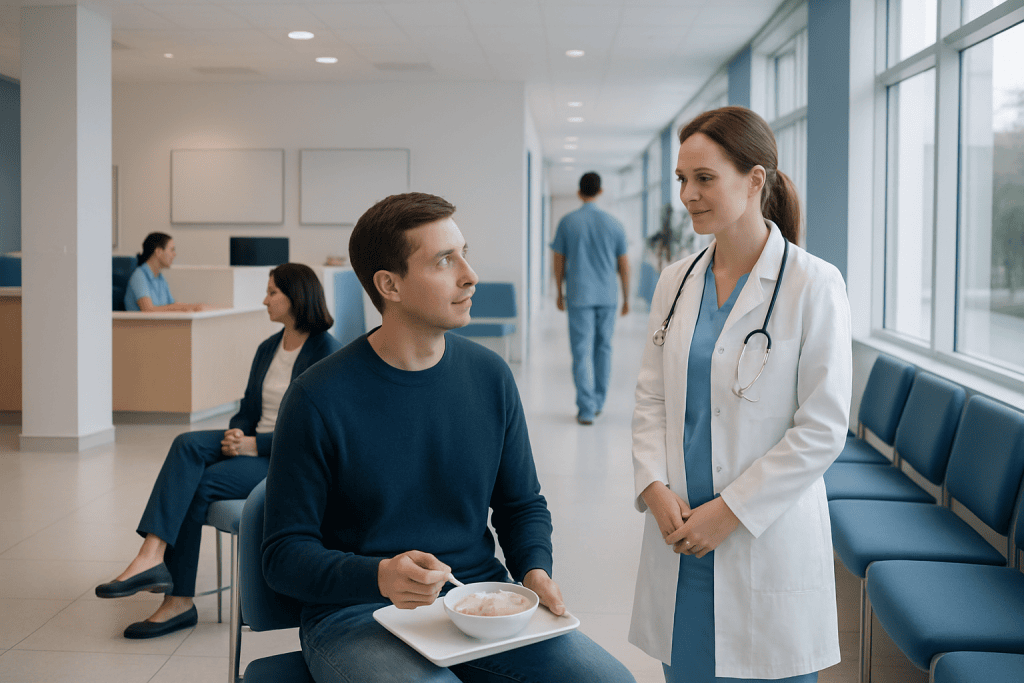
Plan a soft-food diet after dental treatment in Turkey with safe meal ideas, shopping tips and travel-friendly guidance for your recovery.
After dental treatment, choosing gentle, nourishing foods can make eating more comfortable while the treated area settles. This guide helps you plan practical meals, shop locally in Turkey and know when to contact your dental team.
At a glance
- Best for: The first days after dental treatment, or longer if your dentist advises
- Main aim: Comfortable eating without irritating the treated area
- Choose: Soft, smooth, lukewarm and nutrient-rich foods
- Avoid initially: Hard, crunchy, sticky, spicy or very hot foods
- When to adjust: Follow your dentist's personalised timeline and instructions
Start with your dentist's instructions
Your soft-food plan should begin with the written aftercare instructions from your dentist. The right texture and duration can vary depending on what you have had done, whether you have stitches, temporary restorations, a surgical area or a new dental appliance. If your instructions differ from general advice online, your own dental team’s advice should always come first.
Before leaving the clinic, ask when you may eat, whether you should avoid chewing on one side, and whether there are temperature restrictions. It is also helpful to ask how long to avoid foods with seeds, crumbs or small particles that could collect around the treated area. Keep the clinic’s contact details accessible in case eating becomes increasingly difficult or you are uncertain about a food.
If you are receiving care through Acibadem International, the international patient services team can help you understand practical aftercare information, arrange interpreter support where needed and help communicate non-urgent questions to your care team. This support is particularly useful when you are recovering away from home and navigating local food options.
What makes a food suitable for a soft-food diet?
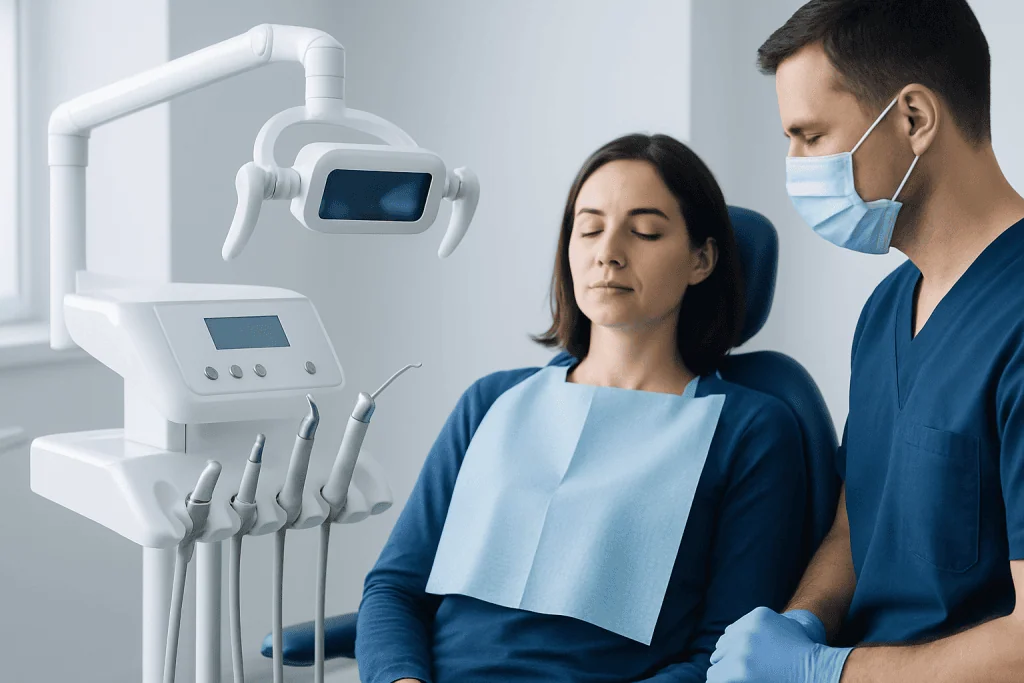
Soft foods require little chewing and should feel comfortable in your mouth. Good choices are usually smooth, moist and easy to break apart with a fork. During the earliest phase of recovery, lukewarm or cool foods may be more comfortable than hot meals, especially if you have tenderness or swelling.
Focus on foods that provide protein, energy and fluids, rather than relying only on desserts or drinks. Yogurt, eggs, tender fish, blended soups, well-cooked vegetables and soft grains can help you maintain balanced meals while your usual diet is temporarily limited. Choose plain versions if acidity, spice or sugar causes irritation.
Small portions are often easier than trying to finish a large meal. Eat slowly, take modest bites and stop if chewing is painful. Where your dentist has advised chewing away from the treatment site, prepare foods that can be comfortably eaten on the other side of your mouth.
- Try: plain yogurt, kefir, scrambled eggs, mashed potato, soft rice, oatmeal, banana and blended soup.
- Add protein: smooth lentil soup, soft cheese, tender flaky fish, blended beans or well-cooked minced dishes if permitted.
- Use care with: rice, grains and foods containing seeds, as small pieces may not be suitable after certain treatments.
Foods and drinks to avoid during early recovery
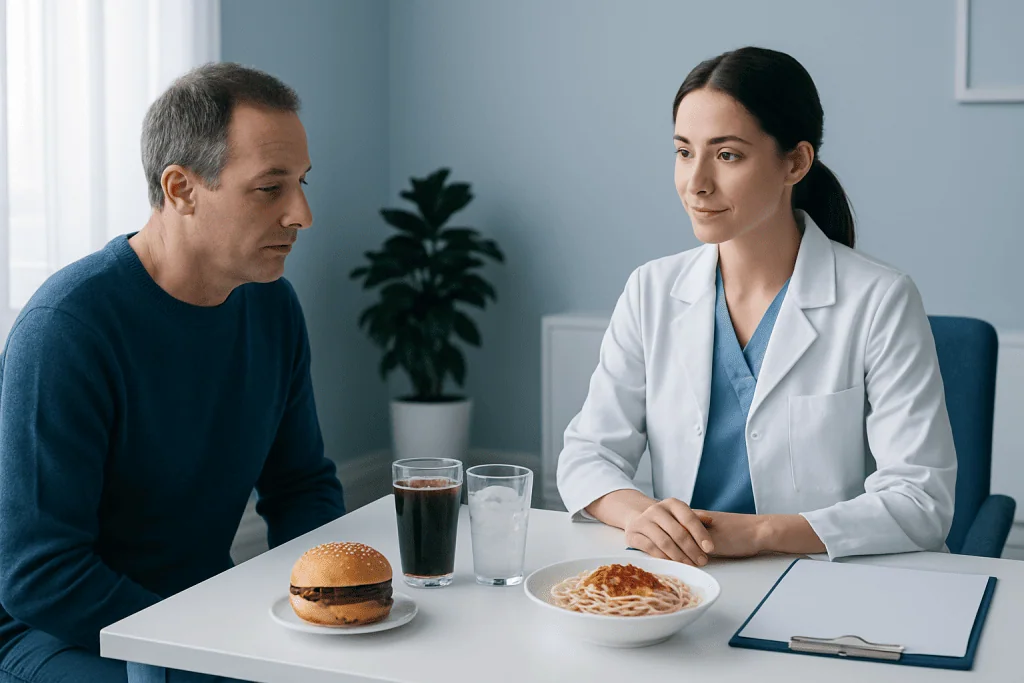
Hard, crisp and crumbly foods can press on sensitive tissues, disturb a temporary restoration or leave particles near a healing area. For the first stage of recovery, avoid items such as nuts, crisps, crusty bread, raw vegetables, popcorn, hard sweets and brittle crackers unless your dentist says otherwise. Sticky foods, including chewing gum, caramel and some dried fruits, may also pull on dental work or be difficult to clean away.
Very hot foods and drinks may increase discomfort when the mouth is sensitive. Strongly spicy, acidic or highly seasoned foods can sting some treatment areas. Alcohol should be avoided if your clinician has advised against it, particularly when you are taking certain medicines or recovering from sedation.
Do not use a straw unless your dental team confirms it is appropriate. Suction can be unsuitable after some oral procedures because it may interfere with normal healing. Likewise, do not test a treated tooth or restoration by biting down on hard food; return gradually to firmer textures only when you have been advised that it is safe and comfortable.
Easy meal ideas while you are in Turkey
Turkey offers many convenient soft-food options, whether you are staying in a hotel, apartment or with family. For breakfast, consider plain yogurt, soft-boiled or scrambled eggs, oatmeal, a ripe banana, avocado or a mild soup. Ask for foods to be served lukewarm if temperature sensitivity is an issue.
For lunch or dinner, a smooth mercimek çorbası (lentil soup) can be a practical option if it is mild and free from crunchy toppings. Other possibilities include pureed vegetable soups, mashed potatoes, soft rice dishes, well-cooked vegetables, tender fish and yogurt-based dishes. If a meal contains bread, toasted pieces, seeds, grilled edges or crunchy garnishes, leave these aside during your early recovery period.
When ordering at a restaurant, keep your request simple: ask for food to be soft, mild, without nuts or seeds, and not very hot. If you are unsure how a dish is prepared, choose a familiar option such as soup, yogurt or eggs. Hotel staff may also be able to provide plain porridge, mashed vegetables or a softly cooked egg on request.
If you are staying near an Acibadem International hospital, patient coordinators can help with practical communication needs and local arrangements. They cannot replace your dentist’s dietary advice, but they can help you feel more prepared while you organise meals and recovery time in Istanbul or elsewhere in Turkey.
Shopping, storage and eating in your accommodation
Buy enough gentle foods for at least one or two days before your treatment when possible. This means you will not need to make an unnecessary trip while tired, swollen or adapting to medication. A nearby supermarket can usually provide yogurt, milk or plant-based alternatives, bananas, eggs, soup ingredients, oatmeal, soft cheese and bottled water.
If you have a kitchenette, prepare a few uncomplicated foods in advance: blended soup, mashed vegetables, porridge or soft pasta. Keep foods refrigerated as directed, reheat them thoroughly when appropriate, and allow hot dishes to cool to a comfortable temperature before eating. If your accommodation has no kitchen, ask about room-service soups, plain breakfast items or nearby delivery options.
Stay well hydrated with water unless your clinician has given you different instructions. Sip regularly rather than waiting until you feel thirsty. If your mouth is sore, cool water may feel soothing, but avoid icy temperatures if they trigger sensitivity. Limit sugary drinks, as frequent sugar exposure can be unhelpful for oral health and may leave your mouth feeling uncomfortable.
Returning to your usual diet safely
Move from liquids and very soft foods to more textured meals according to your dentist’s advice and your comfort. A useful progression may be smooth foods, then fork-mashable foods, then tender foods requiring light chewing. Do not rush because you feel hungry or because swelling has improved; the treated area may still need protection.
When you reintroduce firmer foods, begin with a small amount and chew slowly on the side your dentist has recommended. If you notice sharp pain, a change in your bite, a loose restoration, persistent bleeding or worsening swelling, stop eating that item and contact your dental team. Do not attempt to adjust, glue or repair dental work yourself.
If you are travelling home soon after treatment, pack familiar soft snacks that are easy to carry and permitted under your travel arrangements. Your care team can explain any follow-up plan, including when you can return to normal eating and how to contact them after you leave Turkey. Acibadem International can also help coordinate post-treatment communication when this has been arranged as part of your care pathway.
Step by step
- Confirm your personal food restrictions. Before you leave the dental clinic, ask exactly what textures, temperatures and chewing restrictions apply to you. Clarify whether you should avoid straws, alcohol, spicy foods, seeds or chewing on a particular side.
- Prepare a two-day food supply. Arrange soft, nourishing choices before treatment if possible, especially if you expect to feel tired afterward. Include easy breakfasts, meals, snacks and water so you do not need to make decisions when you are uncomfortable.
- Choose cool or lukewarm, gentle meals. Start with foods that are smooth, moist and easy to swallow or lightly chew. Let hot dishes cool, and avoid anything that stings, creates pressure or requires forceful biting.
- Build nutrition into each day. Aim to include protein, fluids and soft sources of energy rather than eating only sweet foods. Yogurt, eggs, soups, mashed vegetables and tender fish can be practical choices if they suit your instructions.
- Keep the treatment area protected. Chew away from the treated area if your dentist has advised this, and take small bites. Avoid foods that break into sharp crumbs, stick to teeth or contain particles that may lodge near a healing site.
- Increase texture gradually. Only progress to firmer foods when your dentist's timeline and your comfort allow it. If a food hurts, stop and return to a softer option until you can speak with your dental team.
- Know when to seek advice. Contact your dental provider if pain, swelling or bleeding worsens, if you cannot keep fluids down, or if a restoration feels loose or your bite changes. For urgent symptoms, follow the emergency guidance provided by your treating clinic.
Your checklist
- Written dental aftercare instructions and clinic contact details
- Soft foods for the first one to two days
- Bottled water or another suitable hydration option
- Protein-rich soft foods such as yogurt, eggs or soup
- A plan for meals during your hotel stay or travel day
- Any prescribed medicines, taken exactly as directed
- A small spoon and travel-friendly soft snacks if you are flying
- A reminder of which side of your mouth to avoid chewing on, if applicable
Key takeaways
- Your dentist's personalised aftercare instructions determine how long you need soft foods.
- Choose smooth, moist and nourishing meals that are comfortable to eat.
- Avoid hard, crunchy, sticky and very hot foods during the early recovery period.
- Plan meals and hydration before treatment so recovery days are less stressful.
- Contact your dental team if symptoms worsen or eating becomes increasingly difficult.
Frequently asked questions
How long should I follow a soft-food diet after dental treatment?
The duration depends on the treatment you have received and your dentist's individual instructions. Some people need soft foods only briefly, while others may need a gradual diet progression for longer. Ask your dentist for a clear timeline before you leave the clinic.
Can I eat Turkish soup after dental treatment?
A smooth, mild soup can often be a practical soft-food choice, provided it fits your dentist's instructions. Let it cool to lukewarm, avoid crunchy toppings and check that it does not contain ingredients you have been asked to avoid. Lentil soup may be suitable for some patients, but personal advice should guide your choice.
What can I eat for breakfast after dental work?
Plain yogurt, oatmeal, a ripe banana, scrambled eggs or a soft-boiled egg are commonly convenient options. Choose foods that do not require forceful chewing and avoid hard toast, seeded bread or crunchy cereal during early recovery. If you have temperature sensitivity, allow food and drinks to cool first.
Should I avoid using a straw?
You should ask your dentist, as straw use may not be appropriate after certain oral procedures. The suction action can interfere with healing in some situations. Drink directly from a cup unless your treating team has told you that a straw is safe for you.
Can I drink coffee or tea after dental treatment?
This depends on your treatment and your dentist's instructions. Very hot drinks can cause discomfort, and caffeine or certain beverages may not be advised alongside some medicines or after sedation. If permitted, choose a lukewarm drink and avoid it if it causes pain or sensitivity.
What should I do if food gets near the treated area?
Do not poke the area with fingers, toothpicks or any sharp object. Follow your dentist's instructions for rinsing and oral hygiene, as the correct approach can differ by treatment. Contact the clinic if you are unable to clear food gently or develop increasing pain, swelling or bleeding.
How can I manage soft foods while travelling home from Turkey?
Prepare portable, permitted options such as smooth yogurt where refrigeration is available, mashed fruit pouches, soft banana or other foods approved by your dentist. Keep water with you after security where possible, and follow airline and destination rules for liquids and foods. Ask your dental team before departure if your travel schedule affects your aftercare or follow-up needs.
Add us as a Preferred Source to see more of our trusted health content across Google Search, AI Overviews and Discover.
More Patient Guides

Flying Home After Sedation or Anesthesia: When Is It Safe?
Flying home after sedation or anesthesia is safest only after your care team clears you, you are stable, and airline travel risks…
8 min read
Can You Fly Soon After Treatment in Turkey?
Flying after treatment in Turkey depends on your recovery, procedure and medical clearance. Plan your return flight with your care team.
8 min read
At Acibadem, How We Prepare Your Discharge Summary and Medical Records
Discharge summary and medical records at Acibadem explain your treatment, medicines, and follow-up, with copies prepared for your return home from Turkey.
9 min read