

Flying to Turkey After a Cancer Diagnosis: How to Plan the First Trip
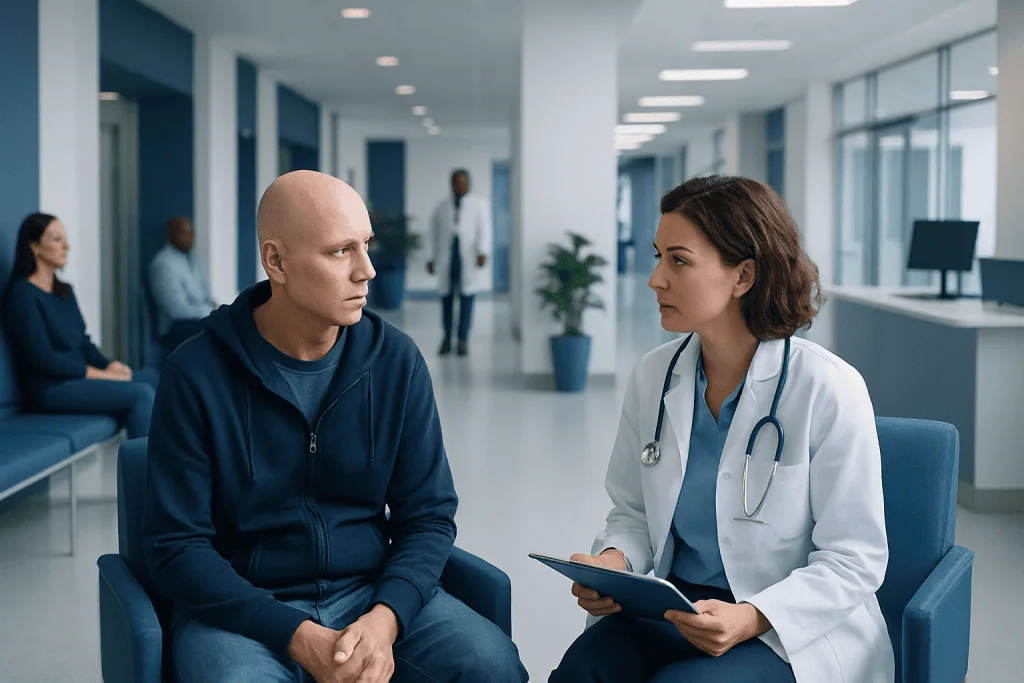
Flying to Turkey after a cancer diagnosis is easier with early medical review, records, travel support and a flexible first-visit plan in Istanbul.
Planning your first trip after a cancer diagnosis can feel overwhelming, especially when appointments, paperwork and travel happen at the same time. This guide helps you organise a safe, manageable visit to Turkey, with practical steps for records, flights, accommodation, companions and your arrival.
At a glance
- Plan ahead: Start sharing records and discussing travel needs before booking flights.
- Bring with you: Medical reports, imaging, medication list, passport, insurance documents and contact details.
- Best support: A companion can help with travel, appointments, note-taking and rest breaks.
- On arrival: Allow time to settle in before your first consultation whenever possible.
- During your stay: Keep plans flexible; additional tests or multidisciplinary reviews may be recommended.
Start with a medical review before you book
Before arranging flights, send your recent medical information to the hospital or international patient team you plan to visit. This usually includes your diagnosis, pathology report, biopsy results, imaging reports, scan files when available, treatment summary, current medication list and a short note from your treating doctor. A review of these records can help the team understand which specialists you may need to see and whether travel timing needs particular consideration.
Cancer care is individual, and whether you are fit to fly depends on your condition, symptoms, recent treatment and the length of the journey. Your local oncologist or treating clinician is an important part of this decision, particularly if you have recently had surgery, have severe pain, shortness of breath, fever, low blood counts, a blood clot, or need regular oxygen or other medical support.
At Acibadem International, international patient services can help coordinate record collection and appointment requests before you travel. This does not replace advice from your own medical team, but it can make your first visit more focused and reduce avoidable delays after you arrive.
Prepare a complete, easy-to-share medical file

Make one organised digital folder and one paper folder for your health information. Label files clearly with dates, such as “CT chest – June 2026” or “Pathology report – biopsy.” If documents are not in English, ask whether an English translation is needed; do not delay sharing the original records while you arrange translations.
Include both written reports and the actual image files where possible. Imaging may be supplied on a CD, USB drive or secure download link. Keep these in your hand luggage, not checked baggage, and take photographs or scans of essential paper documents as a backup.
Your file should also explain what has already happened: prior chemotherapy, radiotherapy, surgery, immunotherapy, targeted medicines, allergies, complications and any implanted device such as a port. A clear timeline helps a multidisciplinary team review your situation efficiently and ensures that discussions are based on the most complete information available.
- Passport and visa documents, if required
- Pathology, biopsy and genetic or molecular test results
- Recent scan reports and image files
- Medication list with doses and schedule
- Letter from your treating clinician, if available
- Emergency contacts and insurance information
Choose flights and accommodation around your energy levels

For a first cancer-related trip, the simplest itinerary is often the best one. Consider direct flights where practical, minimise tight connections, and leave enough time between arrival and your first appointment to rest, eat, hydrate and adjust. If you are travelling a long distance, ask your treating team whether movement, compression stockings, hydration or other measures are appropriate for you.
Request airline assistance early if walking long distances, handling luggage or standing in queues may be difficult. Many airlines can provide wheelchair support from check-in to the gate and from landing to baggage collection, but requirements and notice periods vary. If you use oxygen, have mobility equipment or need medical clearance, contact the airline well in advance because specific documentation may be required.
Choose accommodation that keeps daily logistics simple: a reliable route to the hospital, lift access, a quiet room, nearby food options and room for your companion if you have one. Acibadem International patient services may be able to guide you on practical transport, interpreter arrangements and accommodation considerations, depending on your care plan and location.
Travel with medication safely and keep essentials close
Carry all medication in your hand luggage, ideally in original labelled packaging. Bring enough for the full trip plus a small buffer for unexpected delays, and carry a current prescription or clinician letter that states the generic medicine names, doses and why they are needed. Rules for controlled medicines, injectable medication and sharps vary by country and airline, so check requirements before departure.
Keep a separate list of any medicines you have recently stopped, as well as supplements, herbal products and over-the-counter remedies. These can matter when your new team reviews treatment options. Do not change, pause or start cancer medicines solely because of travel without speaking with the clinician who prescribed them.
Pack a small comfort kit for the journey: water after security, easy snacks if permitted for your diet, a light layer, hand sanitiser, tissues, a phone charger and copies of appointment confirmations. If fatigue, nausea, anxiety or pain are concerns, discuss a travel plan with your treating clinician before leaving home.
Plan your first days in Istanbul with room for changes
Your first visit may include consultations, laboratory tests, imaging, pathology review or meetings with more than one specialist. This is common in cancer care, where surgeons, medical oncologists, radiation oncologists, radiologists, pathologists and supportive-care professionals may need to contribute to a coordinated recommendation. Avoid booking sightseeing, business commitments or a return flight too close to your initial appointments.
It can be helpful to arrive one day early if your itinerary allows. Use that time to rest, confirm transport, organise documents and learn the route to the hospital. Bring a notebook or use your phone to record questions and key points from each appointment; a companion can be especially helpful for taking notes when information feels emotionally difficult to absorb.
JCI-accredited Acibadem hospitals and multidisciplinary teams may support care planning for international patients, while interpreters can help facilitate communication where needed. Ask your patient coordinator in advance what language support is available and how you will receive your schedule, test instructions and follow-up information.
Know when to seek urgent advice before or during travel
Contact your treating clinician promptly before travelling if you develop new or worsening symptoms, including fever, chest pain, breathing difficulty, confusion, uncontrolled pain, persistent vomiting, severe weakness, one-sided leg swelling or sudden bleeding. These symptoms may need assessment before you fly, and it is safer to adjust plans than to travel while unwell.
During travel, tell cabin crew if you feel acutely unwell. On arrival, use local emergency services or go to an emergency department for urgent symptoms rather than waiting for a scheduled outpatient appointment. Keep the hospital contact details and your coordinator’s number saved in your phone, but remember that emergency care should not be delayed while trying to reach an administrative contact.
A cancer diagnosis can also bring understandable anxiety, uncertainty and exhaustion. Build in breaks, accept help from your companion or patient support team, and focus on one step at a time. Your first trip does not need to be perfect; it needs to be safe, organised enough and flexible around your wellbeing.
Step by step
- Share your records early. Send recent reports, scan information and your treatment history before booking non-refundable travel where possible. Ask what additional documents, translations or image files may be needed for an initial review.
- Discuss fitness to fly with your treating clinician. Your local oncology team knows your recent treatment, symptoms and medical risks. Ask specifically about long-haul travel, recent procedures, blood-clot risk, oxygen needs and medication timing.
- Request appointments and confirm the likely schedule. Ask whether your first visit may involve more than one consultation, tests or pathology review. Leave flexibility in your itinerary because recommendations may depend on findings during the assessment.
- Book travel with comfort and accessibility in mind. Choose manageable routes, allow recovery time after arrival and request airport assistance early if needed. Check airline requirements for medical equipment, medicines, wheelchairs or oxygen.
- Arrange accommodation and local transport. Stay somewhere practical for hospital visits, with easy access, lifts and quiet rest space. Confirm how you will travel between the airport, hotel and hospital before you leave home.
- Pack your health essentials in hand luggage. Keep medications, prescriptions, key records, image files and appointment information with you at all times. Bring extra medication for delays and a simple written list of diagnoses, allergies and emergency contacts.
- Use your first day to settle in. Rest, hydrate, check your appointment time and prepare your questions. If possible, avoid demanding plans so you can begin consultations with as much energy as possible.
Your checklist
- Passport, visa and travel insurance documents checked
- Medical reports and imaging files saved digitally and packed in hand luggage
- Current medication list, prescriptions and extra supply prepared
- Fitness-to-fly questions discussed with your treating clinician
- Airline wheelchair, mobility or medical-equipment assistance requested if needed
- Hospital appointments, interpreter needs and contact details confirmed
- Accommodation booked with practical access to the hospital
- Airport transfer or local transport plan confirmed
- Companion arrangements and emergency contacts shared
- Return travel kept flexible where possible
Key takeaways
- Speak with your treating clinician and share records before finalising travel plans.
- Keep your itinerary simple, with rest time after arrival and flexibility around appointments.
- Carry medicines, medical documents and imaging files in your hand luggage.
- Ask for airline, interpreter, transport and mobility support early rather than managing it at the airport.
- Seek urgent medical help for concerning symptoms instead of waiting for a scheduled consultation.
Frequently asked questions
Can I fly to Turkey after receiving a cancer diagnosis?
Many people can travel after a cancer diagnosis, but the right timing depends on your individual health, symptoms and recent treatment. Speak with your treating oncologist or clinician before booking, especially after surgery or if you have fever, breathing problems, severe fatigue, blood-clot concerns or active complications. The receiving hospital can review records, but your local team should advise on your immediate fitness to fly.
How far in advance should I send my medical records?
Send them as early as you can, ideally before booking fixed travel arrangements. This gives the international patient team and relevant specialists time to identify missing reports, request scan files or suggest the most appropriate appointment sequence. Keep your original copies and bring them with you even if you have shared digital versions.
What records should I bring for my first cancer consultation?
Bring pathology and biopsy reports, recent imaging reports and image files, a treatment summary, medication list, allergy information and details of previous surgery, chemotherapy or radiotherapy. A letter from your current doctor can also be helpful. If your records are not in English, ask the receiving team whether translations are needed.
Should I travel with a companion?
A companion is not always required, but many patients find it reassuring and practical. They can help with luggage, transport, meals, appointment notes and communication during a busy or emotional period. If you travel alone, ask in advance about interpreter services, transport guidance and who to contact if you need support.
Can Acibadem International help with travel arrangements?
Acibadem International patient services can help international patients coordinate appointments and may provide practical guidance on interpreters, transport and accommodation-related planning. The exact support available can depend on the hospital, location and your individual schedule. Ask your coordinator early so that needs such as mobility support or language assistance can be planned in advance.
What if I become unwell before my scheduled appointment in Istanbul?
If you develop urgent symptoms such as chest pain, severe breathing difficulty, confusion, uncontrolled bleeding, a high fever or sudden severe weakness, seek emergency medical care immediately. Do not wait for an outpatient appointment or delay care while trying to contact a coordinator. For non-urgent changes in your condition, contact your treating clinician and the hospital team as soon as possible.
How long should I plan to stay for a first visit?
The needed length of stay varies because some patients only need consultations while others may need imaging, laboratory tests, pathology review or several specialist appointments. Ask for an estimated schedule, but keep some flexibility because additional assessment may be recommended. Avoid making your return journey so tight that you have to miss an important discussion or travel while exhausted.
Add us as a Preferred Source to see more of our trusted health content across Google Search, AI Overviews and Discover.
More Patient Guides

Planning Medical Travel to Turkey During Peak Holiday Seasons
Plan medical travel to Turkey during peak holidays with early bookings, flexible dates, document checks and coordinated care in Istanbul.
8 min read
After You Accept a Treatment Quote: Your Next Planning Steps for Turkey
After accepting your treatment quote, plan your Turkey trip with visa, travel, records, payment and arrival steps for a smoother care journey.
8 min read
Flexible Return Flights After Treatment in Turkey: How to Book Safely
Flexible return flights after treatment in Turkey are safest when you book changeable fares, confirm fit-to-fly timing, and keep airline-ready medical documents.
9 min read