

Flying Home After Sedation or Anesthesia: When Is It Safe?

Flying home after sedation or anesthesia is safest only after your care team clears you, you are stable, and airline travel risks are reviewed.
Flying home after sedation or anesthesia requires more than simply feeling awake. Your treating team should confirm that you are medically stable, your pain and nausea are controlled, and your planned journey is appropriate for your procedure and recovery.
At a glance
- Most important step: Get individual travel clearance from your treating clinician before booking or boarding.
- Same-day travel: Usually not appropriate after sedation, general anesthesia, or an invasive procedure.
- Why flying matters: Cabin pressure, limited mobility, dehydration, pain, bleeding, and clot risk can affect recovery.
- Travel companion: Arrange a responsible adult to accompany you after sedation or anesthesia when advised.
- Before departure: Confirm medications, wound care, follow-up plans, medical documents, and emergency contacts.
Why travel timing after anesthesia is personal
There is no single number of hours or days that is safe for every person flying home after sedation or anesthesia. Your readiness depends on the type of anesthesia, the procedure you had, your general health, how long the flight will be, and whether you have experienced issues such as pain, dizziness, nausea, bleeding, breathing symptoms, or reduced mobility.
Sedation and anesthesia can temporarily affect alertness, balance, judgment, memory, and coordination even after you feel more normal. The procedure itself may also create separate travel considerations, including a need for observation, wound care, activity restrictions, or protection against blood clots. Your treating clinician is best placed to assess these factors before you travel.
For international patients, the practical plan matters too. You may need to leave enough flexibility in your itinerary for an extra night or a rescheduled flight if recovery is slower than expected. Acibadem International patient services can help you coordinate practical arrangements, including communication with your care team, interpreter support, and travel or accommodation planning when needed.
Sedation, general anesthesia, and the first 24 hours
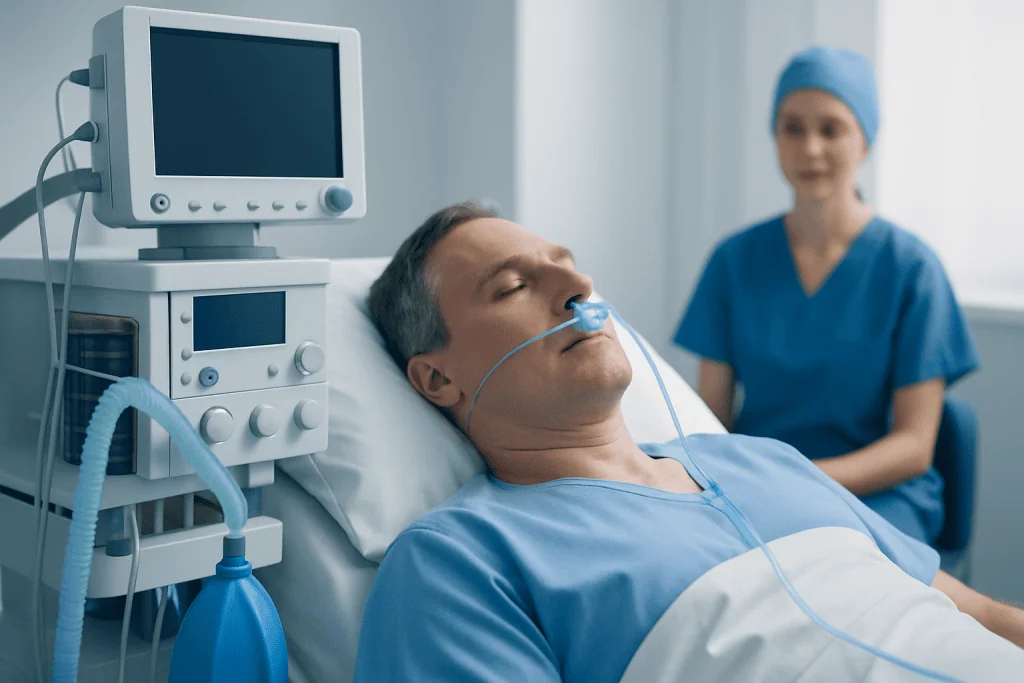
After sedation or general anesthesia, you should not plan to travel independently immediately after treatment. Even if you are discharged, you may still be tired, less steady on your feet, or slower to recognise and respond to a problem. For this reason, your discharge instructions may advise that a responsible adult stays with you for a defined period, commonly through the first night.
During the early recovery period, do not drive, operate machinery, sign important documents, make major decisions, drink alcohol, or take medicines that have not been approved by your clinician. These precautions remain important if you are travelling to an airport, checking into a hotel, or navigating a long journey home.
Ask your team specifically about your flight rather than assuming that being discharged means you are fit to fly. A short domestic transfer and a long-haul international flight place very different demands on your body. If you have had an outpatient procedure, it may be sensible to plan recovery accommodation close to the hospital before any onward travel.
What your care team considers before clearing you to fly

Your clinician will look at your overall recovery, not just the anesthesia. They may check that you are awake and oriented, able to drink fluids, able to pass urine where relevant, and able to move safely. They will also consider whether your pain, nausea, dizziness, and any bleeding or swelling are manageable with the plan you have for travel.
The nature of your procedure is especially important. Surgery involving the abdomen, chest, brain, eyes, bones, blood vessels, or air-filled spaces may have specific restrictions. Procedures that limit mobility, carry a higher risk of clotting, or require close early follow-up can also mean that travel should be delayed or modified.
Tell your team about health conditions that may affect flying, such as heart or lung disease, sleep apnea, a history of blood clots, anemia, pregnancy, diabetes, or use of blood-thinning medication. Also share your exact route, flight duration, planned layovers, whether you will have a companion, and where you will stay after landing. This information helps your team give advice that fits your actual journey.
- Ask whether you are fit for a short flight, a long-haul flight, or both.
- Ask whether you need airport wheelchair assistance or extra legroom.
- Ask whether compression stockings, movement breaks, or preventive medicines are appropriate for you.
- Ask whether the airline needs a medical certificate or fitness-to-fly form.
Planning a safer journey home
Once your clinician has cleared travel, make the trip as simple and low-effort as possible. Avoid tight connections, long walks through terminals, heavy luggage, and a schedule that leaves no room for rest. Consider requesting wheelchair assistance from the airline in advance, even if you can walk short distances; airports can involve much more walking and standing than expected.
Keep essential items in your hand luggage: prescribed medicines, a current medication list, discharge summary, clinician contact details, dressings or other approved supplies, water if permitted, and a change of clothing. Do not pack important medication in checked baggage. Bring medicines in their original labelled containers and check airline and border requirements before you leave.
During the flight, follow your team’s instructions on movement, hydration, food, pain control, and wound care. If it is safe for you, regularly move your ankles and legs while seated and take short walks when the seatbelt sign is off. Avoid alcohol, and do not add sleeping tablets, sedatives, or strong pain medicines unless they have been specifically prescribed and your clinician has explained how to use them safely during travel.
Blood clot prevention and comfort on longer flights
Long periods of sitting can increase the risk of a blood clot in the leg, also called deep vein thrombosis. Recent surgery, reduced mobility, dehydration, certain medical conditions, and a personal or family history of clots can increase this risk further. Your care team may recommend individual measures based on your procedure and health history.
Simple measures may include choosing an aisle seat, wearing loose clothing, drinking suitable fluids, moving your feet and calves regularly, and walking at intervals if you are able. Some people may be advised to use compression stockings or preventive medication, but these are not right for everyone. Only use them if your treating clinician recommends them and explains the correct timing and method.
Comfort also supports recovery. Bring a small pillow or other approved support if it helps protect an incision or makes sitting easier, but do not place anything that interferes with your seatbelt. Plan enough time at the airport to use the restroom, take prescribed medication, and board without rushing. If pain or fatigue becomes difficult to manage before departure, tell airline staff and contact your care team rather than pushing through.
When to delay travel or seek urgent help
Do not board a flight if you have not been cleared by your treating team, if you feel significantly worse, or if you cannot safely manage the journey. New or increasing symptoms may need assessment before travel, particularly after surgery or a procedure involving sedation or anesthesia. A delayed flight can be frustrating, but timely medical review is safer than managing a possible complication in the air or far from your treatment team.
Seek urgent medical help for chest pain, shortness of breath, coughing blood, fainting, severe confusion, one-sided weakness, a new severe headache, or swelling and pain in one leg. These symptoms can have serious causes and should not be managed by waiting for your scheduled flight or relying on routine travel medication.
Contact your clinician promptly for fever, worsening pain, persistent vomiting, increasing wound redness or drainage, uncontrolled bleeding, inability to drink fluids, or any concern that your recovery is not following the plan. Acibadem International can help international patients understand discharge instructions and coordinate communication with the appropriate clinical team, but urgent symptoms should always be assessed without delay.
Step by step
- Discuss your return date before treatment. Tell your care team your intended flight date, route, connection times, and expected flight duration before your procedure. Keep your travel booking flexible where possible, because your clearance should be based on your actual recovery rather than a fixed itinerary.
- Receive and review discharge instructions. Before leaving the hospital, ask for clear written instructions about medications, activity, wound care, eating and drinking, and warning signs. Make sure you understand who to contact during your stay in Turkey and after you return home.
- Ask directly if you are fit to fly. Ask your clinician whether you are medically fit for air travel and whether any procedure-specific restrictions apply. Confirm whether you need a companion, mobility assistance, compression stockings, preventive medication, or airline documentation.
- Plan recovery accommodation and airport support. If advised, stay locally for observation or early follow-up rather than travelling immediately. Arrange airport wheelchair assistance, a low-stress transfer, and help with luggage in advance.
- Prepare a hand-luggage recovery kit. Carry all essential medicines, your discharge summary, clinician contact numbers, insurance information, and approved wound-care supplies in your cabin bag. Keep medication in original labelled packaging and bring enough for delays as well as the journey.
- Travel with sensible precautions. Hydrate as advised, avoid alcohol, and move your legs regularly if it is safe for you to do so. Follow your prescribed pain and nausea plan, and do not take extra sedatives or sleeping medicines unless your clinician has specifically approved them.
- Know when to stop and seek help. If you develop concerning symptoms before or during travel, alert staff and seek medical assessment. Do not continue your journey simply because you have a ticket or a planned connection.
Your checklist
- Ask your clinician for individual fitness-to-fly advice.
- Keep your flight schedule flexible if possible.
- Arrange a responsible adult companion if advised after sedation or anesthesia.
- Request airline wheelchair or special assistance before departure.
- Carry your discharge summary and treatment contact details in hand luggage.
- Pack all prescribed medication in original labelled containers.
- Bring enough medication and supplies for possible delays.
- Know your blood clot prevention plan for the flight.
- Avoid alcohol and unapproved sedating medicines during recovery.
- Save emergency contacts at your destination and at home.
Key takeaways
- Only your treating clinician can confirm when flying is appropriate after sedation or anesthesia.
- The procedure, your recovery, your health history, and flight length all affect travel timing.
- Plan for flexibility, a companion when advised, and airport assistance to reduce physical strain.
- Keep medicines and medical documents in hand luggage and follow your individual clot-prevention plan.
- Delay travel and seek urgent assessment for serious or worsening symptoms.
Frequently asked questions
Can I fly home on the same day after sedation?
Same-day flying after sedation is often not appropriate, particularly if you would be travelling alone or taking a long flight. Sedation can affect alertness, balance, and judgment after discharge, and your procedure may require observation. Ask your treating clinician for advice based on your recovery and route.
How long should I wait to fly after general anesthesia?
The timing varies widely because general anesthesia is only one part of the decision. Your procedure, symptoms, mobility, medical history, and flight duration all matter. Your clinician should give you individual guidance and may recommend staying nearby for early recovery or follow-up.
Do I need someone to travel with me after anesthesia?
You may be advised to have a responsible adult with you after sedation or general anesthesia, especially during the first stage of recovery. A companion can help with transport, luggage, medication timing, and recognising if you become unwell. Confirm the recommendation with your discharge team before making travel plans.
What should I carry in my cabin bag after a procedure?
Carry prescribed medicines, a medication list, your discharge summary, contact numbers, insurance details, and any clinician-approved care supplies. Keep medicines in original labelled packaging and do not place essential items in checked luggage. It is also helpful to have water and a light snack if these are suitable for your recovery plan.
Can flying increase the risk of blood clots after surgery?
Long periods of sitting can contribute to clot risk, and recent surgery or reduced mobility may increase that risk further. Your clinician may recommend movement, hydration, compression stockings, medication, or delayed travel depending on your circumstances. Do not start preventive medication or use compression garments without individual advice.
What symptoms mean I should not fly?
Do not travel without urgent assessment if you have chest pain, shortness of breath, fainting, coughing blood, severe confusion, one-sided weakness, or painful swelling in one leg. You should also contact your treating team about fever, worsening pain, persistent vomiting, uncontrolled bleeding, or concerning wound changes. If you are in immediate danger, use local emergency services.
Can Acibadem International help with my return travel planning?
Acibadem International patient services can help you understand practical discharge arrangements, communicate with the relevant care team, and coordinate interpreter or travel-related support where available. Your treating clinician remains responsible for the medical decision about fitness to fly. Share your itinerary early so the team can help you plan around your recovery needs.
Add us as a Preferred Source to see more of our trusted health content across Google Search, AI Overviews and Discover.
More Patient Guides

Can You Fly Soon After Treatment in Turkey?
Flying after treatment in Turkey depends on your recovery, procedure and medical clearance. Plan your return flight with your care team.
8 min read
How to Plan a Soft-Food Diet After Dental Treatment in Turkey
Plan a soft-food diet after dental treatment in Turkey with safe meal ideas, shopping tips and travel-friendly guidance for your recovery.
8 min read
At Acibadem, How We Prepare Your Discharge Summary and Medical Records
Discharge summary and medical records at Acibadem explain your treatment, medicines, and follow-up, with copies prepared for your return home from Turkey.
9 min read