

Aesthetic Neck Contouring
Aesthetic neck contouring reshapes the neck and jawline by reducing excess fat, tightening loose skin, or adjusting neck muscles. It aims for a smoother, more defined lower face profile.

Quick answer
Aesthetic neck contouring is a treatment that improves the shape of the neck and jawline by removing excess fat, tightening loose skin, and, when needed, adjusting underlying neck muscles. At Acibadem in Turkey, the procedure is planned according to the patient’s anatomy and goals, using surgical or minimally invasive techniques to create a smoother, more defined lower-face profile.
Considering Aesthetic Neck Contouring: When the Neck No Longer Reflects How You Feel
The neck and jawline have a quiet but powerful effect on facial balance. Even when the skin of the face appears rested, fullness under the chin, soft definition along the jaw, vertical neck bands, or loose skin can make a person look older, heavier, or more tired than they feel. For many patients, the concern is not about changing their identity. It is about restoring a cleaner lower-face profile and feeling more comfortable in photographs, video calls, professional settings, and daily life.
Aesthetic neck contouring is often considered by people who have noticed a “double chin,” a blurred jawline, sagging skin beneath the chin, or early neck laxity that does not improve with diet, exercise, skincare, or nonsurgical treatments. These concerns can appear gradually with aging, after weight changes, or because of inherited anatomy. Some patients are young and have good skin quality but persistent fat under the chin. Others are bothered by skin looseness, muscle banding, or deeper structural changes that require a more comprehensive surgical approach.
It is natural to have questions before choosing treatment, especially when seeking care abroad. Patients often want to know whether the result will look natural, whether the scars will be visible, how long recovery takes, and whether a procedure is truly necessary. At Acibadem, aesthetic neck contouring is approached through careful facial analysis, medical evaluation, and an individualized treatment plan. The goal is a refined, balanced neck and jawline that fits the patient’s anatomy rather than an overcorrected or artificial appearance.
What Is Aesthetic Neck Contouring?
Aesthetic neck contouring is a group of surgical and, in selected cases, minimally invasive procedures designed to improve the shape and definition of the neck, chin, and lower jawline. The treatment may reduce excess fat, tighten loose skin, reposition or adjust neck muscles, or combine several techniques to create a smoother contour from the chin to the collarbone.
The term does not describe one single operation. Instead, it refers to a tailored plan that may include submental liposuction, neck lift surgery, platysma muscle tightening, limited skin removal, or a lower facelift when the jawline and neck need to be corrected together. In some patients, chin augmentation or other facial balancing procedures may be discussed if the chin is small and contributes to a less defined neckline. The recommended approach depends on the cause of the concern: fat, skin laxity, muscle separation, bone structure, or a combination of these factors.
In broad terms, neck contouring may involve:
- Reducing localized fat: Fat beneath the chin or along the upper neck can be removed with carefully planned liposuction when skin elasticity is sufficient.
- Tightening the platysma muscle: The platysma is a thin sheet-like muscle in the neck. With age, it can separate or create vertical bands. Surgical tightening can improve neck angle and contour.
- Removing or redraping loose skin: When skin laxity is significant, excess skin may be removed through discreet incisions, often placed around the ears and sometimes beneath the chin.
- Refining the jawline: Lower facial tissues may be lifted or supported to reduce jowling and restore the transition between the face and neck.
- Improving facial proportions: In selected cases, additional procedures may be considered to improve harmony between the chin, jaw, and neck.
Aesthetic neck contouring is not intended to create a different face. When planned well, it improves the lower face profile in a way that appears natural in motion and at rest. The most appropriate technique is selected after direct examination of skin quality, fat distribution, muscle tone, facial proportions, medical history, and personal goals.
Who May Need Aesthetic Neck Contouring?
Patients may consider aesthetic neck contouring when the appearance of the neck or jawline affects their confidence or creates a mismatch between how they look and how they feel. The most common concerns include fullness under the chin, lack of jawline definition, loose skin, neck creases, and visible vertical bands. Some people describe the area as “heavy,” “soft,” or “undefined.” Others notice that the lower face looks wider or less elegant in side-view photographs.
Typical reasons patients seek evaluation include:
- A double chin that persists despite stable weight and healthy lifestyle habits
- A jawline that appears blurred or poorly defined
- Loose skin under the chin or along the front of the neck
- Vertical neck bands that become more visible when speaking or smiling
- Mild to moderate jowling that affects the jaw-neck transition
- Neck fullness related to inherited anatomy rather than excess body weight
- Changes after weight loss, aging, pregnancy, or lifestyle changes
- Desire for a more balanced profile without changing core facial features
Diagnosis and treatment planning begin with a consultation. The physician examines the neck from the front, side, and oblique angles, assessing skin elasticity, fat thickness, muscle banding, chin projection, jawline structure, and the position of the salivary glands and deeper neck tissues. Medical history is reviewed carefully, including previous facial procedures, medications, smoking or nicotine use, bleeding tendency, healing problems, and chronic conditions.
Photographs are often taken for analysis and surgical planning. In some cases, imaging or additional medical tests may be requested, particularly if anesthesia is planned or if there are underlying health concerns. The evaluation also includes a detailed discussion of expectations. This is an important step because the best candidates understand what neck contouring can realistically improve and what it cannot change.
Good candidates are typically in stable health, at or near a stable weight, and have a clear concern that can be corrected with an appropriate procedure. Patients with mild fat fullness and good skin tone may benefit from liposuction alone. Patients with loose skin, jowling, or muscle banding usually require a neck lift or combined lower face and neck procedure. Patients with significant weight fluctuations may be advised to stabilize their weight before surgery to help maintain the result.
Conditions and Aesthetic Indications Addressed by Neck Contouring
Aesthetic neck contouring addresses anatomical and age-related changes rather than a disease in the traditional sense. However, these changes can be significant and can affect self-image, professional confidence, and comfort in social situations. The procedure is most often recommended for patients with one or more structural causes of neck fullness or laxity.
Submental fullness, commonly called a double chin, is one of the most frequent indications. It may occur in slender patients because of genetics, facial structure, or localized fat distribution. When the skin has enough elasticity, targeted fat removal can create a more defined angle beneath the chin.
Skin laxity becomes more common with aging, sun exposure, genetics, and weight changes. When skin no longer retracts well, fat removal alone may leave looseness behind. In these cases, skin redraping and removal are often needed to create a smoother contour.
Platysmal banding appears as vertical cords in the neck. These bands may be mild at rest but more visible during expression. A neck lift can tighten or reposition the platysma muscle to soften banding and improve the neck line.
Jowling and lower face descent can cause the jawline to lose definition. Because the neck and lower face are anatomically connected, treating the neck alone may not be enough when jowls are prominent. A lower facelift component may be recommended to support the tissues and improve the jawline-neck transition.
Post-weight-loss neck changes may include loose skin, residual fat pockets, and reduced tissue elasticity. Treatment planning in this situation is especially individualized because the skin may require more support and careful redraping.
Profile imbalance may occur when the chin is recessed or the jaw structure is less prominent. Neck contouring may improve the soft tissue outline, but facial balance may be better achieved when chin or jaw proportions are considered as part of the overall plan. This is discussed carefully and only when relevant to the patient’s goals.
How Aesthetic Neck Contouring Is Performed
The exact steps depend on the patient’s anatomy and the technique selected. Aesthetic neck contouring may be performed under local anesthesia with sedation or general anesthesia, depending on the extent of treatment, patient comfort, and medical considerations. More limited procedures, such as submental liposuction, are usually shorter. A comprehensive neck lift or lower face and neck procedure takes longer and involves a more detailed recovery process.
Preparation Before Treatment
Preparation begins with an in-depth consultation and medical assessment. Patients are asked about their goals, previous procedures, allergies, medications, supplements, smoking or nicotine use, and general health. The surgeon evaluates the neck and lower face to determine whether the primary issue is fat, skin, muscle, facial structure, or a combination.
Before surgery, patients may need routine blood tests, anesthesia evaluation, and other assessments based on age and medical history. Certain medications and supplements that increase bleeding risk may need to be stopped under medical guidance. Patients who smoke or use nicotine are usually advised to stop well before and after surgery because nicotine can impair circulation and wound healing.
For international patients, planning also includes travel timing, length of stay, recovery needs, and postoperative follow-up. Acibadem’s international patient services can help coordinate appointments, language support, hospital admission processes, and communication with the care team. Patients are usually advised to arrive with enough time for consultation, final planning, and preoperative testing before the procedure.
Planning the Surgical Approach
Modern aesthetic neck contouring relies on careful analysis rather than a standard template. The surgeon studies the neck angle, chin position, jawline, skin thickness, fat distribution, and muscle activity. Medical photography supports planning and helps the patient understand what changes are realistic. In some cases, digital visualization or image-based discussion may be used to explain possible contours, although these tools are for communication rather than a promise of an exact result.
The plan may include one or more of the following techniques:
- Submental liposuction: Small incisions allow removal of localized fat under the chin and upper neck. This is best suited to patients with good skin elasticity.
- Direct submental contouring: Through a small incision beneath the chin, the surgeon may address fat and muscle directly when deeper shaping is needed.
- Platysmaplasty: The neck muscle is tightened or repositioned to improve vertical bands and the central neck contour.
- Neck lift: Skin and underlying tissues are lifted and redraped, with incisions typically placed around the ears and sometimes under the chin.
- Lower face and neck lift: When jowls and lower facial descent are present, the lower face and neck may be treated together for a more continuous jawline.
During the Procedure
On the day of surgery, markings are made while the patient is upright so the natural folds, jawline, and areas of fullness can be evaluated accurately. After anesthesia is administered, the surgeon makes incisions based on the planned technique. For liposuction, small entry points may be placed beneath the chin or behind the ears. For a neck lift, incisions are commonly positioned around the ear contours and sometimes in the natural crease beneath the chin, allowing access to deeper tissues while helping scars mature discreetly.
If fat reduction is needed, fine cannulas are used to remove selected fat deposits in a controlled manner. The goal is not simply to remove as much fat as possible; over-removal can create irregularities or an aged appearance. Instead, fat is sculpted to support a smooth, natural contour. When the platysma muscle is separated or banded, it may be tightened in the midline or adjusted laterally. If skin is loose, it is redraped without excessive tension and the extra skin is removed carefully.
Technology supports safety and precision throughout the process. Surgical lighting, magnification when appropriate, modern anesthesia monitoring, electrosurgical tools for bleeding control, and structured sterile protocols help the team perform the procedure with accuracy. In selected cases, energy-assisted methods may be used to support tissue contraction or refine contour, depending on clinical judgment and available technology. The choice of tools is always secondary to the quality of diagnosis, tissue handling, and surgical planning.
A limited neck contouring procedure may take about one to two hours, while a more comprehensive neck lift or lower face and neck procedure may take several hours. The duration varies according to the complexity of the anatomy and whether additional procedures are performed. After surgery, patients are monitored in a recovery area. Some may go home or return to their accommodation the same day with instructions, while others may stay in the hospital overnight, particularly after more extensive surgery or when medical observation is preferred.
Early Recovery and Follow-Up
After aesthetic neck contouring, swelling, bruising, tightness, and mild to moderate discomfort are expected. A supportive dressing or compression garment may be used to help control swelling and support the new contour during early healing. Patients are typically advised to keep the head elevated, avoid bending or heavy lifting, and follow instructions for wound care and medication.
Most patients are able to walk soon after surgery, and light daily activities usually resume gradually. Social recovery depends on the extent of the procedure. After liposuction alone, many patients feel comfortable returning to remote work or quiet activities within several days. After a neck lift, visible bruising and swelling may last longer, and patients often plan one to two weeks before resuming public-facing activities. Final refinement takes time. Swelling continues to improve over weeks and months, and scars mature gradually.
Follow-up visits allow the surgeon to monitor healing, remove sutures if needed, adjust dressings, and answer questions. For international patients, the care team provides guidance on when it is safe to fly, how long to remain nearby, and how to communicate after returning home. The recommended stay varies by procedure extent and individual healing.
Why Acting Early Can Matter
Aesthetic neck contouring is an elective procedure, so timing should be thoughtful rather than rushed. However, waiting too long may allow certain changes to become more advanced. Mild fat fullness with good skin elasticity may sometimes be treated with a less extensive approach. If skin laxity progresses, liposuction alone may no longer be appropriate, and a surgical lift may become necessary to achieve a smooth contour.
Early evaluation can also prevent patients from choosing treatments that are unlikely to help. Many people try repeated skincare procedures, massage, or nonsurgical tightening when the main issue is muscle banding or significant loose skin. While nonsurgical methods can be helpful for selected mild concerns, they cannot remove excess skin or reposition deeper neck structures. A specialist consultation can clarify what is realistic and help avoid unnecessary treatments.
Delaying treatment may also matter for patients planning major life events, professional commitments, or travel. Surgery requires time for swelling to settle and scars to mature. Patients who want to look natural for an important event should plan months in advance rather than seeking correction shortly before a deadline.
There are also medical reasons not to delay evaluation when a neck concern is unusual. Aesthetic fullness is common, but a rapidly growing neck mass, one-sided swelling, pain, difficulty swallowing, voice change, or unexplained lymph node enlargement should be assessed medically before any cosmetic plan is considered. A responsible aesthetic pathway begins by distinguishing cosmetic concerns from conditions that need diagnostic attention.
Benefits of Aesthetic Neck Contouring
The potential benefits depend on the technique used and the patient’s anatomy, but the following improvements are commonly discussed during consultation.
| Benefit | What It Means for You |
|---|---|
| More defined jawline and neck angle | The transition from the chin to the neck may appear cleaner and more structured, especially in profile. |
| Reduction of double chin fullness | Localized fat beneath the chin can be reduced when it is the main cause of heaviness. |
| Smoother neck contour | Loose skin and muscle banding may be improved with lifting, tightening, and careful redraping. |
| Improved facial balance | The lower face may look more proportionate when the neck, chin, and jawline are evaluated together. |
| Natural-looking rejuvenation | A well-planned procedure can refresh the neck without changing the patient’s essential facial character. |
| Long-lasting improvement | Surgical contouring can provide durable change, although normal aging, weight changes, and genetics continue to influence the neck over time. |
Recovery Timeline After Aesthetic Neck Contouring
Recovery varies by procedure, but this general timeline helps patients understand what to expect after neck liposuction, neck lift surgery, or a combined approach.
| Time Period | What Patients Can Expect |
|---|---|
| Day 1 | Patients may have a dressing or compression garment, swelling, tightness, and mild discomfort. Walking is encouraged, but rest and head elevation are important. |
| First Week | Bruising and swelling are most noticeable. Follow-up visits may include dressing checks or suture care. Many patients resume light activities while avoiding strenuous movement. |
| First Month | Swelling gradually decreases and the neckline becomes easier to appreciate. Patients often return to work and social routines, depending on the extent of surgery and personal comfort. |
| Three to Six Months | Contour refinement continues as deeper swelling resolves. Scars begin to soften and fade, although they are still maturing. |
| Longer Term | The result becomes more settled. Ongoing skin care, weight stability, and sun protection help maintain the appearance, while natural aging continues gradually. |
What Influences a Good Result?
A good result in aesthetic neck contouring depends on more than the procedure itself. It reflects the relationship between anatomy, surgical planning, tissue quality, healing, and patient expectations. Two patients with similar concerns may need different approaches because the cause of neck fullness or laxity can vary significantly.
Skin elasticity is one of the most important factors. Younger patients or those with firm skin may see good improvement after fat reduction alone. Patients with loose or thin skin usually need lifting and redraping. If liposuction is performed when skin elasticity is poor, the result may be uneven or insufficient.
Fat distribution also affects planning. Superficial fat can often be reduced with liposuction, while deeper fat or prominent glands require more careful assessment. Not every fullness in the neck is removable fat, and aggressive treatment of deeper structures is not appropriate for every patient. Safe, conservative judgment is essential.
Platysma muscle condition determines whether muscle tightening is needed. Visible bands, central separation, or muscle laxity may require platysmaplasty. Without addressing the muscle, skin-only procedures may not correct the underlying contour issue.
Chin and jaw structure shape the final profile. A small or recessed chin can make the neck look fuller even when fat is limited. In such cases, the surgeon may discuss whether soft tissue contouring alone can meet the patient’s goals or whether profile-balancing options should be considered.
Weight stability matters. Significant weight gain after surgery can reintroduce fullness, while major weight loss may create new skin laxity. Patients are generally encouraged to pursue treatment when their weight is reasonably stable.
Smoking and nicotine use can increase the risk of wound healing problems, skin compromise, and visible scarring. Patients should be honest about nicotine exposure, including vaping and nicotine replacement products, so the team can plan safely.
General health and medications influence anesthesia, bleeding risk, healing, and recovery. Conditions such as uncontrolled diabetes, clotting disorders, or significant cardiovascular disease require careful review. Medications and supplements should be discussed before treatment.
Surgeon-patient communication is central to satisfaction. Patients should describe what bothers them most, bring photographs if helpful, and ask direct questions about scars, downtime, risks, and expected limitations. The surgeon should explain what can be improved, what may remain, and what approach is most suitable.
Like all procedures, aesthetic neck contouring has potential risks. These may include bleeding, infection, fluid collection, temporary or persistent numbness, asymmetry, irregular contour, unfavorable scarring, hairline changes near incisions, skin healing problems, and the possibility of revision surgery. Temporary tightness and altered sensation are common during healing. Serious complications are uncommon but possible, which is why careful patient selection, accredited hospital standards, and structured follow-up are important.
Why International Patients Choose Acibadem for Aesthetic Neck Contouring
For patients traveling from the United States or other countries, choosing where to have aesthetic neck contouring involves more than selecting a surgeon. It requires confidence in the hospital environment, anesthesia safety, communication, postoperative support, and the ability to manage the full patient journey. Acibadem Hospitals in Turkey provide care within JCI-accredited hospital settings, with established clinical processes, experienced physicians, and dedicated services for international patients.
Neck contouring may seem like a focused cosmetic procedure, but it benefits from a comprehensive medical infrastructure. Preoperative testing, anesthesia evaluation, operating room protocols, recovery monitoring, and access to medical specialists all contribute to a safer pathway. When patients have medical conditions or require additional review, care can be coordinated with relevant specialists. This hospital-based structure is particularly important for international patients who want careful planning before traveling and reliable support after surgery.
Acibadem’s approach begins with individualized assessment. The physician evaluates not only the neck but also the lower face, chin, jawline, skin quality, and overall facial balance. Treatment recommendations are tailored to the patient’s anatomy and goals rather than built around a single technique. Some patients may be advised to have liposuction only. Others may need a neck lift, lower face and neck lift, or a staged plan. In some cases, the best recommendation may be to delay surgery, choose a less invasive option, or address a medical issue first.
Advanced diagnostic and surgical planning pathways support decision-making. Medical photography, structured preoperative assessment, anesthesia monitoring, and modern operating room technology help the team plan and perform treatment with precision. The emphasis is on appropriate use of technology: selecting the tools that support safe tissue handling, accurate contouring, and effective recovery rather than relying on devices alone.
International patients also value clear communication. Acibadem International provides assistance in more than 20 languages, helping patients coordinate medical records, appointments, treatment schedules, hospital admission, interpretation, and follow-up communication. This support is especially helpful when patients are comparing treatment options from abroad, requesting a second opinion, or traveling with a companion.
Multidisciplinary care is available when needed. Although aesthetic neck contouring is typically managed by plastic, reconstructive, and aesthetic surgery specialists, some patients may require input from dermatology, endocrinology, cardiology, anesthesia, or other departments depending on medical history. For patients with unusual neck findings or previous medical conditions, access to broader hospital expertise can be valuable before proceeding with an aesthetic plan.
Recovery planning is also important for medical travelers. Patients need realistic guidance about how long to stay in Turkey, when follow-up visits should occur, when sutures may be removed, how to manage swelling during travel, and when flying is appropriate. The care team provides individualized instructions based on the procedure performed and the patient’s healing progress. After returning home, patients may continue communication with the team as appropriate for postoperative guidance.
The decision to travel for aesthetic surgery should be made carefully. Patients should feel that their questions are answered, that the proposed plan matches their anatomy, and that recovery expectations are clear. Acibadem’s model is designed to combine medical standards with an international patient experience that supports both clinical care and practical logistics.
Taking the Next Step
Aesthetic neck contouring can help refine the lower face and neck when fullness, loose skin, or muscle banding affects facial balance. The most successful plans begin with an accurate diagnosis of what is causing the concern. For some patients, a limited procedure may be enough. For others, a neck lift or combined lower face approach may provide a more appropriate correction. The right choice depends on anatomy, health, expectations, and the level of change desired.
If you are considering aesthetic neck contouring, a consultation or second opinion can help clarify your options. Sharing photographs, medical history, previous procedure details, and your main concerns allows the care team to provide more meaningful guidance before you travel. International patients can request an evaluation through Acibadem International to discuss suitability, estimated recovery time, and the practical steps involved in planning care in Turkey.
This information is general and is not a substitute for professional medical advice, diagnosis, or treatment from a qualified healthcare provider.
Preparation
- Before aesthetic neck contouring, the plastic surgeon evaluates skin quality, fat distribution, jawline anatomy, and overall health. Patients may need blood tests and anesthesia assessment, and should share all medications and supplements. Smoking, alcohol, and blood-thinning medicines may need to be stopped as advised before surgery.
Aftercare
- After surgery, patients usually wear a supportive compression garment to reduce swelling and help the neck contour settle. Mild bruising, tightness, and swelling are expected and improve gradually. Avoid strenuous activity, heavy lifting, and direct sun exposure until cleared by the surgeon, and attend follow-up visits as scheduled.
Turkey vs UK, Germany & USA
Aesthetic neck contouring can involve fat reduction, skin tightening, muscle adjustment, or a combination approach. Costs and patient experience vary by technique, surgeon expertise, hospital setting, anaesthesia needs, and travel arrangements.
The comparison below outlines common factors that may influence the total cost and experience for international patients considering aesthetic neck contouring.
| Factor | Turkey | UK | Germany | USA |
|---|---|---|---|---|
| Price drivers | Often offered through bundled international patient packages; final cost depends on technique, anaesthesia, facility, and surgeon plan. | Usually priced separately by clinic, hospital, anaesthetist, and aftercare provider. | Costs may vary by private clinic, hospital setting, diagnostic workup, and surgeon seniority. | Private aesthetic surgery pricing can vary widely by city, facility, surgeon, anaesthesia, and postoperative care. |
| Hospital and surgeon factors | International hospitals such as Acibadem may provide coordinated care with experienced plastic surgery teams and multidisciplinary support. | Care is commonly provided in private clinics or hospitals, with surgeon credentials and facility standards influencing cost. | Private hospitals and specialist clinics may offer structured assessments and regulated surgical pathways. | Care may range from office based aesthetic practices to accredited surgical centres and hospitals. |
| Accreditation and quality | JCI accreditation and international patient services may be relevant when comparing hospital based care. | Patients may review national registration, private hospital standards, and surgeon professional memberships. | Patients may review hospital certification, medical board registration, and clinic quality systems. | Patients may review surgical facility accreditation, board certification, and hospital privileges. |
| Waiting times | Private scheduling may be flexible for suitable international patients after medical review. | Private scheduling may be available, while consultation and theatre availability can vary by region. | Private pathways may offer planned scheduling, depending on clinic capacity and preoperative requirements. | Scheduling depends on provider demand, location, and facility availability. |
| Travel and language logistics | International patient teams may help with airport transfers, hotel coordination, interpreter support, and appointment planning. | Usually simpler for local residents; international patients may need to arrange travel and accommodation separately. | International patients may need language support and coordination between clinic, hotel, and follow up care. | Long distance travel may add planning needs for accommodation, recovery time, and follow up visits. |
| Typical package scope | Packages may include consultation coordination, preoperative tests, hospital fees, surgeon and anaesthesia services, interpreter support, and transfers, depending on the plan. | Quotes may separate consultation, surgery, anaesthesia, facility fees, garments, medicines, and follow up. | Packages may include medical assessment and surgery, while travel and aftercare items may be separate. | Quotes often separate surgeon, facility, anaesthesia, medications, garments, and follow up services. |
What affects your final cost:
- The chosen technique, such as liposuction, neck lift, muscle tightening, or combined surgery.
- The amount of fat, skin laxity, and muscle banding to be addressed.
- Whether the procedure is performed under local anaesthesia, sedation, or general anaesthesia.
- Surgeon experience, hospital accreditation, operating room setting, and length of stay if needed.
- Preoperative tests, compression garments, medications, and follow up visits.
- Travel, accommodation, interpreter support, transfers, and companion arrangements.
Compare your options
Aesthetic neck contouring is planned after examination of skin quality, fat distribution, jawline anatomy, and neck muscle tone. Suitability for any option is decided by a specialist after medical assessment.
| Option | What it is | Typical use | Key considerations |
|---|---|---|---|
| Neck liposuction | Removal of excess fat through small access points using suction assisted techniques. | Commonly considered when fullness under the chin or along the neck is mainly due to localised fat and skin elasticity is adequate. | Best suited to patients with good skin recoil; loose skin or muscle banding may require additional procedures. |
| Submentoplasty or platysmaplasty | Surgical tightening or adjustment of the neck muscles beneath the chin. | Used when visible neck bands, muscle separation, or a less defined neck angle contribute to the concern. | May be combined with fat removal or skin tightening; recovery and incision placement depend on the surgical plan. |
| Neck lift | Surgical lifting and redraping of loose neck skin, often with deeper tissue support. | Typically considered for more noticeable skin laxity, jowling, or an ageing neck contour. | More comprehensive than liposuction alone; may involve incisions around the ears and under the chin. |
| Lower facelift with neck lift | A combined approach addressing the jawline, lower face, and neck together. | Used when neck changes are linked with jowls, lower facial sagging, or loss of jawline definition. | Can create a more balanced lower face result, but involves a broader surgical plan and recovery pathway. |
| Non surgical skin tightening | Energy based or injectable based treatments intended to improve mild laxity or contour without surgery. | May be considered for mild concerns or patients not ready for surgery. | Results are generally more subtle than surgical options and may require maintenance; not suitable for significant loose skin. |
Trusted care for international patients
General information only — not medical or financial advice. Final costs depend on the factors above and your individual case; request a free, personalised quote.
Doctors Performing This Treatment

Prof. Dr. Bülent Saçak
Aesthetic Plastic & Reconstructive Surgery
Prof. Dr. Ersin Ülkür
Aesthetic Plastic & Reconstructive Surgery
Prof. Dr. Hakan Ağır
Aesthetic Plastic & Reconstructive Surgery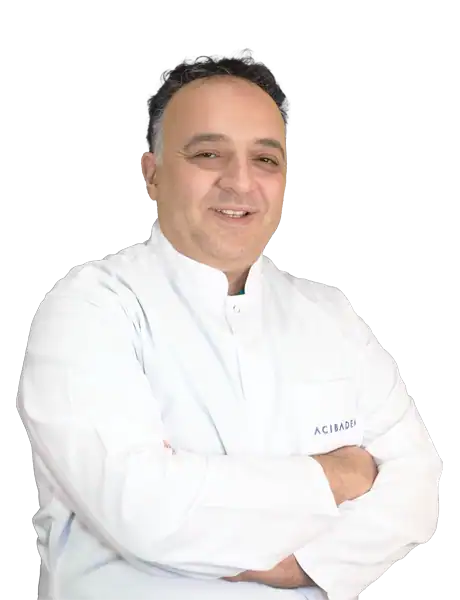
Prof. Dr. Mehmet Veli Karaaltın
Aesthetic Plastic & Reconstructive Surgery
Prof. Dr. Çiğdem Ünal Gülmeden
Aesthetic Plastic & Reconstructive Surgery
Assoc. Prof. Dr. Ahmet Küçükçelebi
Aesthetic Plastic & Reconstructive Surgery
Assoc. Prof. Dr. Mehmet Altiparmak
Aesthetic Plastic & Reconstructive Surgery
Assoc. Prof. Dr. Mehmet Sağır
Aesthetic Plastic & Reconstructive Surgery
Asst. Prof. Dr. Berkhan Yilmaz
Aesthetic Plastic & Reconstructive Surgery
Dr. Abdullah Etöz
Aesthetic Plastic & Reconstructive Surgery
Dr. Ayşe İrem İskenderoğlu
Aesthetic Plastic & Reconstructive Surgery
Dr. Burak Sercan Erçin
Aesthetic Plastic & Reconstructive Surgery
Dr. Cem Öz
Aesthetic Plastic & Reconstructive Surgery
Dr. Mahmut Özyilmaz
Aesthetic Plastic & Reconstructive Surgery
Dr. Mehmet Severcan
Aesthetic Plastic & Reconstructive Surgery
Dr. Mithat Ulay
Aesthetic Plastic & Reconstructive Surgery
Dr. Mutluhan Temizsoy
Aesthetic Plastic & Reconstructive Surgery
Dr. Münür Selçuk Kendir
Aesthetic Plastic & Reconstructive Surgery
Dr. Nargiz Ibrahimli
Aesthetic Plastic & Reconstructive Surgery
Dr. Nezail Demircler
Aesthetic Plastic & Reconstructive Surgery
Dr. Nihal Üstün
Aesthetic Plastic & Reconstructive Surgery
Dr. Nuri Soysal
Aesthetic Plastic & Reconstructive Surgery
Dr. Okan Acıcbe
Aesthetic Plastic & Reconstructive Surgery
Dr. Serkan Tokgönül
Aesthetic Plastic & Reconstructive SurgeryMedical Units
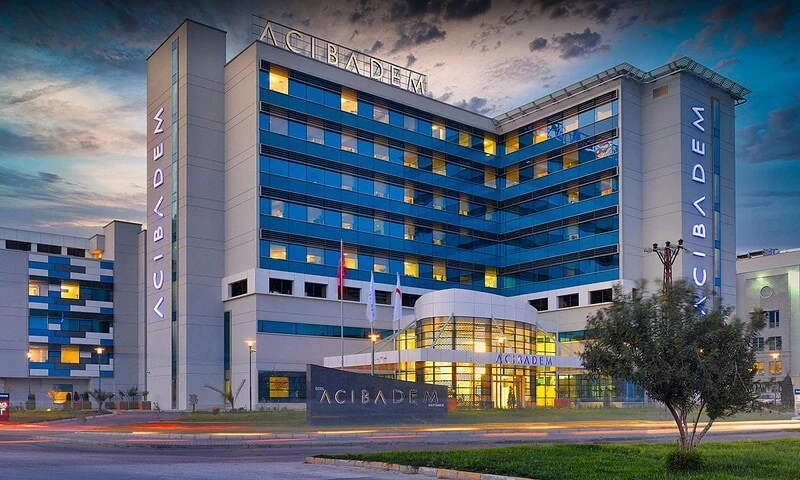
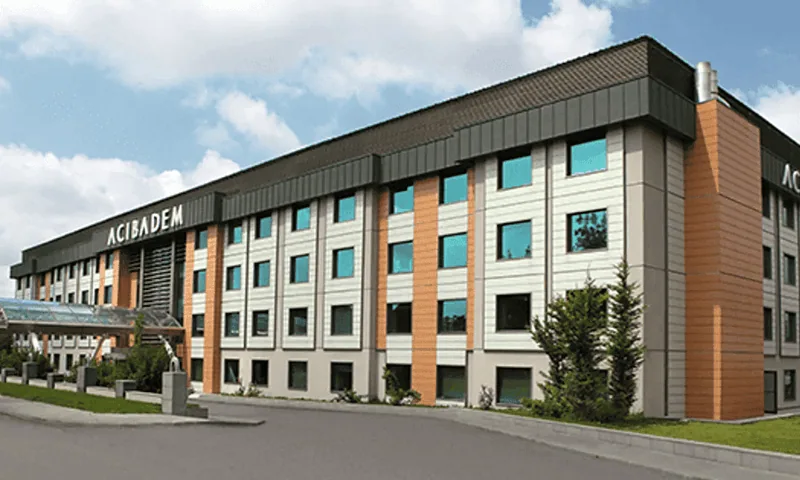
Available at These Hospitals










Frequently Asked Questions
What affects the cost of aesthetic neck contouring?
The main factors are the technique used, the amount of fat or loose skin, whether muscle tightening is needed, anaesthesia type, hospital or clinic setting, surgeon experience, preoperative tests, garments, medicines, and follow up arrangements.
How can I get a personalised quote from Acibadem?
You can request a free consultation and share photos, medical history, previous procedures, and your goals. A specialist team can review your suitability and provide a personalised treatment plan and quote. This is general information and not medical or financial advice.
Is neck liposuction less costly than a neck lift?
Neck liposuction is usually a more limited procedure than a neck lift, but the appropriate option depends on skin elasticity, fat volume, muscle tone, and aesthetic goals. A specialist examination is needed before comparing costs accurately.
What is usually included in an international patient package?
A package may include care coordination, specialist consultation planning, preoperative tests, surgery related hospital services, anaesthesia, interpreter support, transfers, and follow up guidance. The exact inclusions should be confirmed in your written quote.
Will travel and accommodation change the total cost?
Yes. Flights, hotel stay, airport transfers, companion travel, recovery time, and any extended follow up can affect the total budget. International patient coordinators can help clarify which services are included and which are separate.