What is a Labiaplasty?

Labia vary widely in size, shape, color and symmetry, and variation alone does not mean treatment is needed. Labiaplasty most commonly reshapes the labia minora, although surgery on the outer labia majora is also possible.
Key Takeaways
- Labia vary widely in size, shape, color and symmetry, and variation alone does not mean treatment is needed.
- Labiaplasty most commonly reshapes the labia minora, although surgery on the outer labia majora is also possible.
- The procedure does not tighten the vagina or improve vaginal muscle tone.
- Swelling, bruising and soreness are expected during early recovery; final results may take several months to settle.
- A qualified surgeon should assess symptoms, explain non-surgical options and discuss risks before surgery.
Labiaplasty is an operation that reduces or reshapes the labia, most often the inner labia minora, when a person has persistent discomfort or wishes to change its appearance. It is an individual decision that requires an informed consultation about alternatives, recovery, realistic results and possible risks.
What Is a Labiaplasty?
Labiaplasty is surgery to reduce or reshape one or both sides of the labia, the folds of skin around the vaginal opening. It most often involves the labia minora, or inner labia, but may also involve the labia majora, the outer labia.
What is a labiaplasty for? For some people, the aim is to relieve repeated rubbing, pulling or discomfort during exercise, sex, cycling, or when wearing fitted clothing. Others consider it because they would prefer a different labial appearance. Labia naturally differ greatly between people and may also be uneven from side to side, so there is no single normal size or shape that requires correction.
The question sometimes written as what is a labiaplasty majora usually refers to reduction or reshaping of the outer labia. This is sometimes called labia majoraplasty and is a different procedure from the more common reduction of the inner labia. A surgeon can explain which area is involved and whether surgery is likely to address the person’s specific concern.
Why Would Someone Get a Labiaplasty?
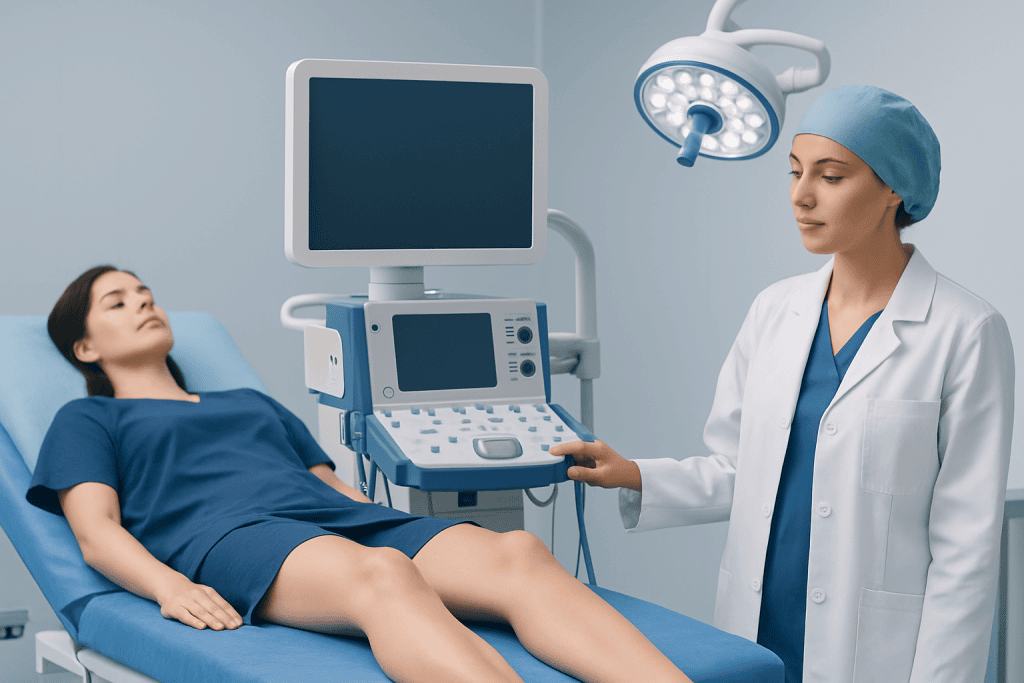
People consider labiaplasty for both physical and personal reasons. Physical concerns can include chafing, pinching, twisting of labial tissue, discomfort during activities, or pain caused by friction. However, itching, burning, discharge, skin changes or vulvar pain can also result from infections, skin conditions, hormonal changes or other health issues; these need medical assessment rather than an assumption that surgery is the answer.
A suitable candidate is someone who understands the procedure, has realistic expectations and is making an unpressured decision for their own reasons. A consultation should cover general health, medications, smoking or nicotine use, previous surgeries, childbirth plans and any history of pelvic or vulvar pain. Surgery is usually deferred until genital development is complete, and adolescents require particularly careful specialist assessment.
There is no requirement to have surgery because of a partner’s comments, social media images or concerns about appearing normal. A careful clinician will discuss whether observation, changes in clothing or activity, treatment for an underlying condition, or support for body-image concerns may be more appropriate. If surgery remains a preferred option, the surgeon should explain what can and cannot realistically be changed.
What Is a Labiaplasty Surgery and How Does It Work?

What is a labiaplasty procedure in practical terms? It is usually an outpatient operation performed by a suitably trained plastic surgeon or gynecologic surgeon. The procedure may be done under local anesthetic with sedation or under general anesthetic, depending on the planned surgery, the patient’s health and the clinical setting. Common techniques include trimming excess edge tissue or removing a small wedge of tissue and joining the remaining edges.
The exact surgical design is individualized. The surgeon aims to preserve natural contour and sensation while addressing the agreed area of concern, but no operation can guarantee perfect symmetry or a particular appearance. Dissolving stitches are commonly used, and most patients go home on the same day with written aftercare instructions and a planned follow-up visit.
- Consultation and planning: The clinician reviews symptoms, medical history, goals, alternatives and consent.
- Preparation: The surgical area is cleaned, and anesthesia is administered.
- Reshaping: The surgeon removes or repositions a carefully planned amount of tissue.
- Closure and recovery: The incision is closed with absorbable sutures, followed by monitoring before discharge.
Is Labiaplasty Really Painful? Recovery and Before-and-After Changes
Labiaplasty can cause pain and soreness, especially in the first few days, but the experience varies from person to person. Local anesthetic used during surgery, rest, cool packs wrapped in cloth, loose clothing and pain relief recommended by the surgical team can help manage discomfort. Increasing pain rather than gradual improvement should be discussed with the surgeon.
Swelling, bruising, tenderness and mild spotting can occur early in recovery. Many people return to desk-based or non-strenuous work after about one to two weeks, depending on comfort and their clinician’s advice. Strenuous exercise, cycling, swimming, sexual activity and tampon use are commonly restricted for around four to six weeks, or longer if healing is incomplete; the surgeon’s instructions should take priority.
What is a labiaplasty before and after result like? In the early weeks, swelling can make the area look uneven or fuller than expected, so early appearance does not show the final result. As tissues heal, the contour gradually settles over weeks to months. Follow-up appointments are important for checking healing and discussing any concerns about scars, symmetry or sensation.
Does Labiaplasty Make You Tighter? Benefits, Risks and Revision
No. Labiaplasty changes external labial tissue and does not tighten the vagina, strengthen pelvic floor muscles or restore vaginal muscle tone. Concerns about vaginal looseness, urine leakage, pelvic pressure or pain with sex should be assessed separately, as they may have different causes and treatments.
Possible benefits include less friction or pulling during daily activities and greater comfort with the labial appearance. These outcomes cannot be guaranteed, and satisfaction depends on healing, expectations and the underlying reason for symptoms. Potential risks include bleeding, infection, wound separation, scarring, asymmetry, over- or under-correction, altered sensation, persistent pain, painful sex and dissatisfaction with the result.
A labiaplasty revision is a second operation intended to address a concern after an earlier procedure, such as asymmetry, scar-related discomfort or an unsatisfactory contour. Revision surgery is not routinely needed and can carry additional risks because scar tissue may affect healing. Surgeons generally allow adequate time for swelling to resolve and tissues to mature before deciding whether a revision is appropriate.
How Much Does Labiaplasty Usually Cost?
There is no single usual cost for labiaplasty because pricing varies by country, surgeon experience, facility, anesthesia type, surgical complexity and the care included before and after the operation. When labiaplasty is requested for cosmetic reasons, it is often paid for privately. Coverage may be considered in limited circumstances when there is a documented medical indication, but this depends on the insurer and local health system.
A written estimate should clearly state whether it includes the surgeon’s fee, anesthesia, operating facility, laboratory tests, medications, garments if needed and follow-up care. Choosing a procedure based on price alone can overlook important safety considerations. Patients should ask about the surgeon’s relevant training, the setting where surgery will take place, expected aftercare and how complications would be managed.
When to Seek Medical Care
Before considering surgery, a person should seek medical care for ongoing vulvar itching, burning, discharge, sores, bleeding, skin color changes, a new lump, recurrent pain or discomfort with sex. These symptoms may have treatable causes that need examination. A gynecologist or other qualified clinician can determine whether testing, medication, skin-care measures or referral is appropriate.
After labiaplasty, the surgical team should be contacted promptly for fever, worsening redness or swelling, foul-smelling drainage, heavy bleeding, a wound that appears to open, difficulty urinating or pain that is not controlled by the advised plan. Urgent emergency care is appropriate for severe bleeding, chest pain, breathing difficulty or other severe symptoms.
For international patients, Acibadem International’s multidisciplinary specialists and JCI-accredited hospitals can assess vulvar concerns and provide individualized counseling and treatment planning for labiaplasty. A consultation with a qualified surgeon helps ensure that the decision is informed, voluntary and based on the person’s health needs and goals.
Frequently asked questions
Is labiaplasty the same as vaginal rejuvenation?
No. Labiaplasty reshapes the external labia, while the phrase vaginal rejuvenation may refer to a range of procedures or treatments involving the vagina, pelvic floor or surrounding tissues. These options have different purposes, evidence and risks, so they should be discussed separately with a qualified clinician.
How long does labiaplasty take?
The operation is commonly completed as a day procedure, although the exact surgical time varies with the technique and whether other procedures are performed. The treating surgeon can explain the expected schedule, anesthesia plan and time needed for discharge.
Will labiaplasty leave scars?
Any incision can leave a scar, although scars often soften and become less noticeable as healing progresses. Scar appearance varies between individuals and can be affected by healing, infection, tension on the wound and smoking or nicotine exposure.
Can childbirth change labiaplasty results?
Pregnancy and vaginal childbirth can change vulvar tissues, although the extent is unpredictable. People who plan future pregnancies can discuss timing and the possibility of anatomical changes with their surgeon before deciding on surgery.
Can labiaplasty treat itching or recurrent infections?
Not necessarily. Itching, irritation and recurrent symptoms can be caused by infections, dermatitis, hormonal changes or vulvar skin conditions, which may need medical treatment rather than surgery. An examination is important before linking these symptoms to labial size or shape.
When can someone have sex after labiaplasty?
Sexual activity is usually postponed until the incisions have healed and the surgeon confirms it is safe, often for about four to six weeks. Resuming too early may increase discomfort, bleeding or wound problems, so individual postoperative advice should be followed.
References
- American College of Obstetricians and Gynecologists
- Royal College of Obstetricians and Gynaecologists
- American Society of Plastic Surgeons
- Mayo Clinic
This article is for general information only and is not a substitute for professional medical advice. Please consult a qualified doctor about your individual situation.
Labiaplasty in Turkey — costs, top hospitals & a free quote
JCI-accredited · board-certified surgeons · reply within 24h
Add us as a Preferred Source to see more of our trusted health content across Google Search, AI Overviews and Discover.

Gynecology & Obstetrics
Women’s health across pregnancy, gynecologic surgery and high-risk pregnancy care.
186 specialists in this unit