Signs of UTI in Women: Procedure, Recovery and Results

Burning urination, urgency and frequent small amounts of urine are common signs of a bladder UTI. Escherichia coli, often shortened to E. coli, causes most uncomplicated UTIs in women.
Key Takeaways
- Burning urination, urgency and frequent small amounts of urine are common signs of a bladder UTI.
- Escherichia coli, often shortened to E. coli, causes most uncomplicated UTIs in women.
- A urine test can help confirm infection and identify the most suitable treatment when needed.
- Symptoms often start improving within 24 to 48 hours of effective treatment, although full recovery can take several days.
- Fever, flank pain, vomiting, pregnancy or worsening symptoms require prompt medical assessment.
Signs of UTI in women most often include burning during urination, a frequent or urgent need to urinate, and discomfort in the lower abdomen. Most uncomplicated bladder infections improve promptly with appropriate medical assessment and treatment, but persistent or severe symptoms need timely care.
Overview: Signs of UTI in Women
Signs of UTI in women commonly include burning or stinging during urination, a sudden need to urinate, and passing small amounts of urine more often than usual. Lower abdominal pressure or discomfort, cloudy urine, or urine with a strong smell may also occur. Since these symptoms can overlap with vaginal infections, sexually transmitted infections, and other conditions, a clinician’s assessment and urine testing can be helpful.
A urinary tract infection, or UTI, occurs when microorganisms enter part of the urinary system. Most infections in women involve the bladder and are called cystitis. Less commonly, an infection can affect the kidneys, which requires more urgent medical attention.
Women experience UTIs more often than men largely because the urethra, the tube that carries urine out of the body, is shorter and closer to the anus. This makes it easier for bacteria from the bowel area to reach the urinary tract. A UTI is common and treatable, but it should not be diagnosed based on urine colour or smell alone.
Common Symptoms and What They May Mean
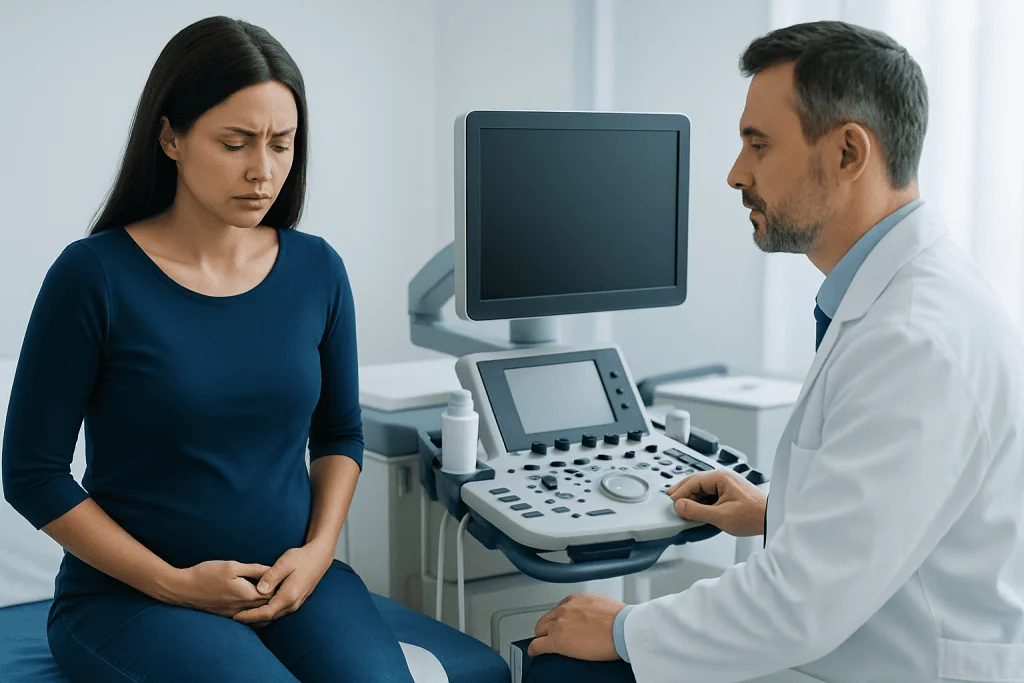
A lower UTI or bladder infection often causes symptoms that are uncomfortable but localized to urination and the lower pelvis. A person may feel an urgent need to use the toilet even when very little urine comes out. Burning, pressure above the pubic bone, and waking at night to urinate can also occur.
- Burning, pain, or stinging while passing urine
- Frequent urination or urgency that is difficult to delay
- Passing only small volumes of urine
- Lower abdominal pressure, cramping, or discomfort
- Cloudy, unusually strong-smelling, or blood-tinged urine
Not every woman has every symptom. Cloudy or strong-smelling urine by itself may result from dehydration, foods, medicines, or other harmless causes. Vaginal itching, discharge, sores, or irritation are less typical of a simple bladder UTI and should be discussed with a clinician because another condition may be present.
Symptoms such as fever, chills, pain in the side or back below the ribs, nausea, or vomiting may suggest that infection has reached the kidneys. These symptoms need prompt medical assessment, particularly in pregnancy or in people with diabetes, reduced immunity, kidney disease, or an indwelling urinary catheter.
Causes and Risk Factors

Most UTIs develop when bacteria enter the urethra and multiply in the bladder. Sexual activity can increase the chance of this happening, but a UTI is not generally considered a sexually transmitted infection. UTIs are also not usually a sign that a person is unclean.
What causes 80% of UTIs?
In uncomplicated community-acquired UTIs, the bacterium Escherichia coli, usually called E. coli, causes roughly 80% or more of cases. E. coli normally lives harmlessly in the bowel, but it can cause infection when it reaches the urethra or bladder. Other bacteria can also cause UTIs, especially in people with recurrent infections, catheter use, or certain health conditions.
Factors that can raise the risk include previous UTIs, intercourse, use of spermicides or a diaphragm, pregnancy, and hormonal changes after menopause. Diabetes, urinary stones, difficulty emptying the bladder, urinary tract blockage, catheters, and conditions that affect immunity can also increase susceptibility. Recurrent symptoms deserve assessment to identify whether an underlying factor needs treatment.
Diagnosis, Testing Procedure and Treatment
The usual diagnostic procedure for a suspected UTI is noninvasive. A clinician asks about symptoms, medical history, medicines, pregnancy status, and previous infections, and may perform a physical examination. A pelvic examination is not routinely needed for straightforward symptoms, but it may be appropriate when vaginal symptoms, pelvic pain, or another diagnosis is suspected.
A midstream urine sample is commonly collected using a clean-catch method to reduce contamination from skin bacteria. A urine dipstick or urinalysis can look for signs of inflammation and bacteria, while a urine culture can identify the organism and show which antibiotics are likely to work. Culture results are especially useful for recurrent, severe, unusual, treatment-resistant, or pregnancy-related infections.
When a bacterial UTI is likely, a clinician may prescribe an antibiotic chosen according to symptoms, health history, local resistance patterns, allergies, and test results where available. Some people may also be advised about short-term pain relief and hydration. Antibiotics should be taken exactly as prescribed, and leftover or another person’s antibiotics should not be used. Imaging or a specialist assessment is generally reserved for recurrent infections, suspected stones, urinary obstruction, kidney involvement, or persistent blood in the urine.
Recovery and Results After UTI Treatment
How long does it take to recover from UTI after treatment?
For a simple bladder UTI treated with an effective antibiotic, burning and urgency often begin to improve within 24 to 48 hours. Full symptom relief may take several days, and recovery can be slower when symptoms were severe, treatment was delayed, or another health condition is present. A person should complete the prescribed treatment unless the clinician advises otherwise and should contact the clinic if symptoms do not improve within about 48 hours or worsen at any point.
How to know if a UTI is recovering?
Recovery is usually shown by a steady reduction in burning, urgency, frequency, lower abdominal discomfort, and blood-tinged urine. Urine appearance alone is not a reliable measure of recovery. For a straightforward UTI in a non-pregnant person whose symptoms fully resolve, a repeat urine test is not usually necessary, although follow-up may be recommended in pregnancy or after recurrent or complicated infection.
What to expect when recovering from a UTI?
During recovery, a person may notice that toilet visits become less frequent and more comfortable over one to several days. Drinking fluids regularly according to thirst, resting as needed, and avoiding activities that worsen discomfort can be supportive. Mild bladder sensitivity may briefly linger, but new fever, flank pain, vomiting, a rash, severe diarrhoea, or worsening symptoms should be reported promptly, as these may indicate a complication or treatment side effect.
Prevention and Everyday Self-Care
There is no guaranteed way to prevent every UTI, but several practical habits may reduce risk. Drinking enough fluid to avoid frequent dehydration and not delaying urination for long periods may help regular bladder emptying. The appropriate amount of fluid varies with climate, activity level, kidney and heart health, and medical advice.
For women who notice a link between intercourse and infections, urinating after sex and gently washing the external genital area with water may be reasonable low-risk habits. Avoiding spermicides may help people with recurrent UTIs. Douching, scented intimate products, and harsh soaps can irritate sensitive tissues and are generally best avoided.
People who have repeated UTIs should discuss prevention with a qualified clinician rather than self-treating each episode. For some postmenopausal women, locally applied vaginal estrogen may reduce recurrence when it is medically suitable. Cranberry products may help some individuals, but evidence is mixed and they should not replace medical treatment; anyone taking regular medication should ask a clinician or pharmacist about possible interactions.
When to Seek Medical Care
Medical assessment is appropriate for new urinary symptoms, particularly when they are painful, persistent, or interfering with daily life. A clinician can confirm whether a UTI is likely and rule out conditions that may need different treatment, including vaginal infections, sexually transmitted infections, kidney stones, or bladder irritation.
Prompt same-day care is important for fever, chills, side or back pain, nausea, vomiting, visible blood in the urine, or rapidly worsening symptoms. Pregnant women and people with diabetes, kidney disease, weakened immunity, urinary tract abnormalities, or a catheter should seek advice early. Emergency care is needed for severe weakness, fainting, confusion, difficulty staying awake, or signs of severe illness.
Further review is also sensible when symptoms return soon after treatment or occur repeatedly. For international patients needing assessment, Acibadem International’s multidisciplinary specialists and JCI-accredited hospitals diagnose and treat urinary conditions with individualized clinical evaluation.
Frequently asked questions
Can a UTI go away without antibiotics?
Some mild uncomplicated UTIs may improve without antibiotics, but symptoms can persist and infection can occasionally spread to the kidneys. A clinician can advise whether observation, testing, or antibiotic treatment is the safest option based on symptoms and individual risk factors.
Does cloudy or strong-smelling urine always mean a UTI?
No. Concentrated urine from not drinking enough fluid, certain foods, vitamins, and medicines can change urine colour or smell. These changes are more suggestive of a UTI when they occur with burning, urgency, frequent urination, pain, or fever.
Is a urine culture always needed for a UTI?
A urine culture is not always needed for classic, uncomplicated bladder UTI symptoms in otherwise healthy non-pregnant women. It is more often recommended for recurrent, severe, unusual, treatment-resistant, pregnancy-related, or suspected kidney infections.
Can sex lead to a UTI?
Intercourse can increase the chance that bacteria from the bowel area reach the urethra, which may trigger a UTI in some women. A UTI is not usually a sexually transmitted infection, although sexually transmitted infections can cause similar urinary symptoms.
What is considered a recurrent UTI?
Recurrent UTI is commonly defined as two confirmed infections within six months or three within one year. A clinician may recommend urine cultures and review possible contributing factors to guide prevention and avoid unnecessary antibiotics.
Can UTI symptoms return after treatment?
Yes. Symptoms may return if the original bacteria were not fully cleared, if treatment was not effective for that organism, or if a new infection develops. Recurrent symptoms should be assessed rather than treated with leftover antibiotics, as a urine culture may help guide care.
References
- National Institute of Diabetes and Digestive and Kidney Diseases
- Centers for Disease Control and Prevention
- American Urological Association
- European Association of Urology
- National Health Service
This article is for general information only and is not a substitute for professional medical advice. Please consult a qualified doctor about your individual situation.
Explore treatments in Turkey — costs, top hospitals & a free quote
JCI-accredited · board-certified surgeons · reply within 24h
Add us as a Preferred Source to see more of our trusted health content across Google Search, AI Overviews and Discover.