Newborn Metabolic Screening: How It Works, Results and What to Expect

Newborn metabolic screening is commonly performed with a few drops of blood collected from a baby’s heel. The conditions included vary by country, region and screening program.
Key Takeaways
- Newborn metabolic screening is commonly performed with a few drops of blood collected from a baby’s heel.
- The conditions included vary by country, region and screening program.
- An abnormal screening result does not confirm that a baby has a disorder; further tests are needed.
- Early detection can allow dietary, medication or specialist care before serious symptoms develop.
- Parents should make sure the maternity team and pediatrician have current contact details for communicating results.
Newborn metabolic screening is a routine blood test, usually collected in the first days after birth, that looks for selected inherited conditions that may benefit from early treatment. A result outside the expected range is a signal for timely follow-up testing, not a diagnosis on its own.
Newborn Metabolic Screening: An Early Check for Treatable Conditions
Newborn metabolic screening is a public health test that checks a small blood sample for signs of selected inherited metabolic, endocrine and other conditions. These conditions are uncommon, but some can cause significant health problems if they are not recognized early. Screening helps identify babies who may need prompt confirmatory testing and care, often before any symptoms are visible.
The test is sometimes called a newborn blood spot test or heel-prick test. It is different from routine examinations performed after birth, such as a physical assessment, hearing screening or pulse oximetry screening for certain heart conditions. Newborn metabolic screening specifically analyzes substances in the blood, including amino acids, fatty acids, hormones or other markers associated with particular disorders.
Screening programs are designed around the conditions most relevant to the local population and healthcare system. Therefore, the exact panel differs between countries and sometimes between regions. Parents can ask the maternity hospital, birth center or pediatrician which conditions are included where their baby is born.
Who Should Have Newborn Metabolic Screening?
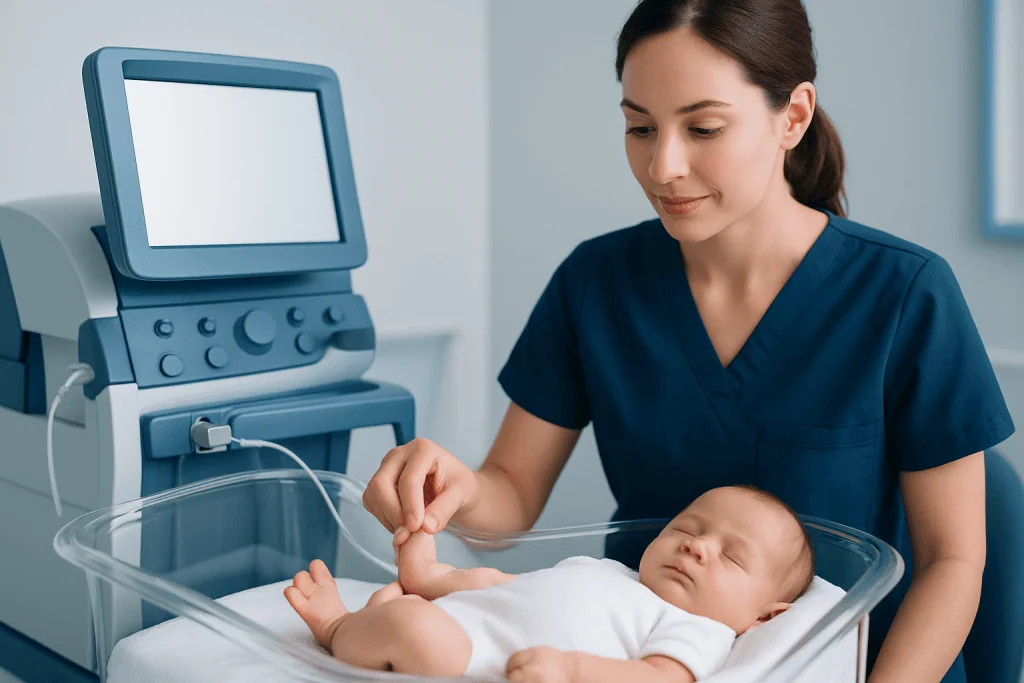
Newborn metabolic screening is recommended for nearly all babies, including babies who appear healthy. Many of the conditions screened for are inherited and may not cause obvious signs in the first days or weeks of life. A baby can look well, feed normally and still benefit from screening.
It is usually offered shortly after birth in a hospital, birth center or community setting. Babies born at home should also have access to screening through their midwife, pediatrician or local newborn screening program. Parents who are considering declining screening should discuss the possible benefits and limitations with a qualified healthcare professional.
Some babies need special planning or repeat testing. This may include premature babies, babies receiving intensive care, infants who have had a blood transfusion, or those receiving intravenous nutrition. The clinical team will advise on the most appropriate sample timing in these situations.
How Does Newborn Metabolic Screening Work?

The procedure is brief. A trained healthcare professional warms and cleans the baby’s heel, then uses a small sterile lancet to collect a few drops of blood. The blood is placed onto a special absorbent card, allowed to dry and sent to an approved laboratory for analysis.
Sampling is commonly performed after the baby has begun feeding and is typically collected between 24 and 72 hours after birth, depending on local guidance. Collecting too early may make some results less reliable, while waiting too long can delay identification of conditions that require early attention. If the sample is collected early, a repeat sample may be requested.
Laboratories use specialized methods to measure patterns of chemicals or enzymes that can suggest a metabolic condition. The laboratory does not usually make a final diagnosis from this initial blood spot. Instead, results are reported as within the expected range, requiring a repeat sample, or needing urgent diagnostic follow-up.
The heel prick may cause a short period of discomfort, similar to other blood sampling procedures. Holding, feeding or comforting the baby during and after collection can help. There is no recovery period beyond the brief skin puncture, and most babies settle quickly.
What Do Newborn Metabolic Screening Tests For?
Newborn metabolic screening tests for markers that may indicate inherited disorders affecting how the body processes nutrients, produces energy or regulates certain hormones. The panel may also include conditions outside metabolism, such as some hemoglobin disorders, depending on the national or regional program.
Metabolic conditions often involve difficulties breaking down or using proteins, fats or carbohydrates. Without treatment, certain substances may build up in the body or the body may lack substances needed for normal growth and development. Early treatment may involve tailored feeding, avoiding long fasting periods, medicines, vitamins or close monitoring by pediatric specialists.
Programs may screen for disorders such as phenylketonuria, congenital hypothyroidism, congenital adrenal hyperplasia, medium-chain acyl-CoA dehydrogenase deficiency and galactosemia. Other possible conditions include maple syrup urine disease, biotinidase deficiency, cystic fibrosis and selected amino acid, organic acid or fatty-acid oxidation disorders. The specific list should always be confirmed locally.
Screening does not test for every genetic or metabolic condition. A normal result reduces the likelihood of the disorders included in that program, but it does not replace routine pediatric care or assessment when a baby develops concerning symptoms.
What Are the Five Metabolic Disorders That Can Be Detected by Newborn Screening?
There is no single worldwide list of five disorders because newborn screening panels vary. However, five well-known conditions that may be included in many programs are phenylketonuria (PKU), galactosemia, maple syrup urine disease (MSUD), medium-chain acyl-CoA dehydrogenase deficiency (MCADD) and congenital adrenal hyperplasia (CAH). Congenital hypothyroidism is also commonly included, although it is primarily an endocrine condition rather than a metabolic disorder.
PKU affects the processing of the amino acid phenylalanine. Galactosemia affects the body’s ability to process galactose, a sugar found in milk. MSUD affects the breakdown of certain amino acids, while MCADD affects the use of medium-chain fats for energy, particularly during fasting or illness.
CAH affects hormone production by the adrenal glands and may cause dangerous salt loss in some infants if not recognized. The purpose of screening is to identify babies at possible risk so that diagnostic testing and specialist advice can begin without unnecessary delay.
How Long Does It Take to Get Newborn Metabolic Screening Results?
Newborn metabolic screening results are commonly available within several days to a few weeks, depending on the local laboratory, the timing of collection and the condition being evaluated. Many screening programs contact the baby’s doctor or parents quickly if a result needs urgent follow-up. Families may not always be contacted directly when all findings are within the expected range, so it is helpful to ask how results will be shared.
A request for another blood spot sample may occur if the original card was collected too early, had insufficient blood, was affected by handling, or showed a borderline finding. A repeat sample does not necessarily mean that a baby has a condition. It is often a practical step to obtain a clear and reliable result.
Parents should ensure that the birth facility and pediatrician have correct telephone numbers and contact information, particularly if they will be travelling or moving soon after delivery. If no result has been discussed within the expected timeframe, parents can contact their baby’s healthcare provider or the local newborn screening service.
What Does It Mean if My Newborn Has Abnormal Metabolic Screening Results?
An abnormal newborn metabolic screening result means the test found a marker outside the expected range. It does not mean that the baby definitely has the condition. Screening tests are intentionally sensitive so that babies who might be affected are not missed; as a result, some babies with an abnormal result will be found to be unaffected after further assessment.
The next step depends on the result and how urgently the condition needs to be excluded. The healthcare team may arrange a repeat blood spot, more detailed blood or urine tests, genetic testing, a physical examination or referral to a pediatric metabolic, endocrine or genetics specialist. For certain results, families may be contacted on the same day because early assessment is especially important.
Until the team provides individualized guidance, parents should continue feeding and caring for their baby as advised. They should not begin a special diet, stop breastfeeding or change formula without medical instruction. If a diagnosis is confirmed, the care plan will be tailored to the baby and may involve pediatricians, dietitians, metabolic specialists and genetic counselors.
Acibadem International’s multidisciplinary specialists and JCI-accredited hospitals can support international patients who need evaluation and care for suspected or confirmed childhood metabolic conditions.
Benefits, Limitations and When to Seek Medical Care
The main benefit of newborn metabolic screening is the opportunity to recognize certain conditions before they cause illness. When treatment is started early, it may help prevent or reduce complications associated with some disorders. The test is quick, uses only a small amount of blood and has a very low risk of complications beyond temporary discomfort or a small bruise at the heel-prick site.
Screening also has limitations. It cannot diagnose a disorder by itself, and it cannot identify every condition a child may develop. False-positive results can occur and may cause understandable worry while confirmatory testing is completed. False-negative results are less common but possible, which is why parents should still seek medical assessment if their baby seems unwell.
Parents should seek urgent medical care if a newborn has poor feeding, repeated vomiting, unusual sleepiness or difficulty waking, breathing difficulty, seizures, fever, a marked change in behavior, jaundice that is worsening, or signs of dehydration such as fewer wet diapers. These symptoms can have many causes and do not necessarily indicate a metabolic disorder, but newborns should be assessed promptly when they are unwell.
For non-urgent questions about screening status, pending results or repeat testing, parents can contact the maternity unit, pediatrician or local newborn screening program. Keeping routine newborn appointments is important even when screening results are normal.
Frequently asked questions
Is newborn metabolic screening mandatory?
Requirements differ by country, region and healthcare system. In many places, screening is routinely offered or required because it can identify conditions that benefit from early treatment. Parents can ask their maternity team about local policies and the conditions included in the program.
Does a normal newborn metabolic screening result mean my baby is completely healthy?
A normal result means the screening did not identify evidence of the conditions included in that particular panel. It does not rule out every genetic, metabolic or childhood condition. Routine pediatric visits remain important, and any new symptoms should be discussed with a doctor.
Can newborn metabolic screening be done after a home birth?
Yes, babies born at home should still receive newborn screening. A midwife, pediatrician, family doctor or local public health service can usually arrange blood spot collection. It is best to ask about arrangements before delivery when possible.
Will breastfeeding affect newborn metabolic screening results?
Feeding before collection is often helpful because some conditions are more reliably detected after a baby has taken milk. Breastfeeding is generally encouraged unless a healthcare professional gives specific instructions otherwise. Parents should not stop breastfeeding because of a screening result without medical advice.
Why might my baby need a repeat heel-prick test?
A repeat test may be needed because the sample was collected very early, did not contain enough blood, was difficult for the laboratory to analyze or showed a borderline result. This is relatively common and does not by itself diagnose a condition. The healthcare team will explain the timing and reason for the repeat sample.
What happens if a metabolic disorder is confirmed?
The baby will be referred to the appropriate pediatric specialists for an individualized care plan. Depending on the condition, treatment may include nutritional guidance, special formula or diet, medication, supplements and monitoring during illness. Families may also be offered genetic counseling to understand inheritance and future pregnancy considerations.
References
- World Health Organization
- Centers for Disease Control and Prevention
- American Academy of Pediatrics
- National Institutes of Health
- International Society for Neonatal Screening
This article is for general information only and is not a substitute for professional medical advice. Please consult a qualified doctor about your individual situation.
Explore treatments in Turkey — costs, top hospitals & a free quote
JCI-accredited · board-certified surgeons · reply within 24h
Add us as a Preferred Source to see more of our trusted health content across Google Search, AI Overviews and Discover.

More from the Health Library



Related Specialists

Asst. Prof. Dr. Altuğ Özagar
Otorhinolaryngology
Prof. Dr. Sezgin Sarban
Orthopedic Surgery & Traumatology
Dr. Cihan Göktaş
Inpatient Clinic Physicians
Dr. Funda Kılıç
Clinical Laboratory