Botox for Migraines Injection Sites: How It Works, Results and What to Expect

Botox is a preventive treatment approved for chronic migraine, not a treatment to stop a migraine once it has started. A typical treatment session involves 31 small injections in seven muscle areas of the head and neck.
Key Takeaways
- Botox is a preventive treatment approved for chronic migraine, not a treatment to stop a migraine once it has started.
- A typical treatment session involves 31 small injections in seven muscle areas of the head and neck.
- Some people notice benefit within days to weeks, but the full response may take two or three treatment cycles.
- Temporary neck pain, injection-site discomfort and eyelid drooping are possible side effects.
- Botox treatment should be planned and monitored by a qualified clinician experienced in headache medicine.
Botox for migraines injection sites are standardized points across the forehead, temples, back of the head, neck and upper shoulders. For eligible adults with chronic migraine, these small injections may reduce migraine days over time and are usually repeated every 12 weeks.
Overview: Botox for Migraines Injection Sites
Botox for migraines injection sites follow a well-established pattern across the forehead, between the eyebrows, temples, back of the head, upper neck and shoulders. The medicine is injected in very small amounts into selected muscles to help prevent attacks in adults with chronic migraine. It is not intended to provide immediate relief during an active migraine attack.
Botox is the brand name for onabotulinumtoxinA. In chronic migraine, it is thought to reduce the release of pain-related chemical signals from nerve endings and make migraine pathways less sensitive over time. The treatment is given by a trained healthcare professional, usually every 12 weeks.
Chronic migraine generally means having headache on 15 or more days each month for more than three months, with migraine features on at least eight of those days. A headache specialist can distinguish chronic migraine from other headache conditions and discuss whether migraine assessment and care is appropriate.
How Botox Works and Who May Be a Candidate
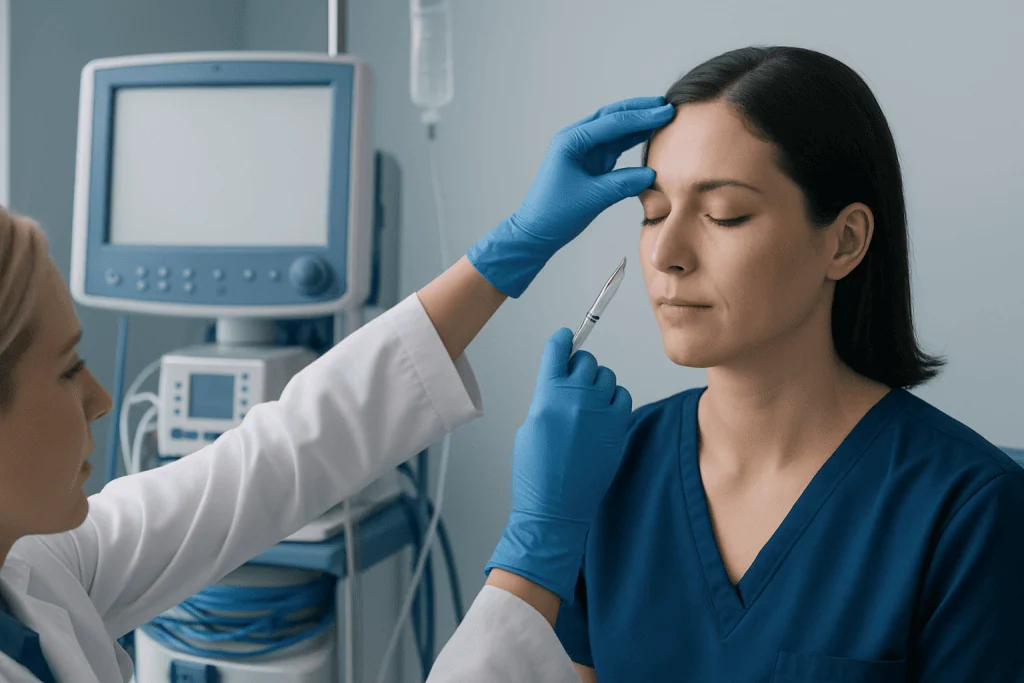
Botox works as a preventive therapy. Rather than simply relaxing muscles, its effect in migraine is believed to involve blocking or reducing signals that contribute to pain processing. This may lower the frequency of headache days and, for some people, reduce how severe or disabling attacks feel.
It is usually considered for adults with chronic migraine, particularly when attacks remain frequent or disruptive despite lifestyle measures and other preventive options. A clinician will review the pattern of headaches, current medicines, previous treatments, medical history and any factors that could make injections unsuitable.
Botox is not generally used for episodic migraine, meaning migraine that occurs on fewer than 15 headache days per month. People who are pregnant, breastfeeding, have a neuromuscular condition, have an infection at a planned injection site, or have had an allergic reaction to botulinum toxin should discuss this carefully with their doctor before treatment.
Keeping a headache diary before and during treatment can be especially helpful. It records headache days, migraine symptoms, acute medicine use, triggers and the effect on work, school or daily activities, allowing the care team to judge whether treatment is helping.
Where Are the Injection Sites and What Happens During the Procedure?
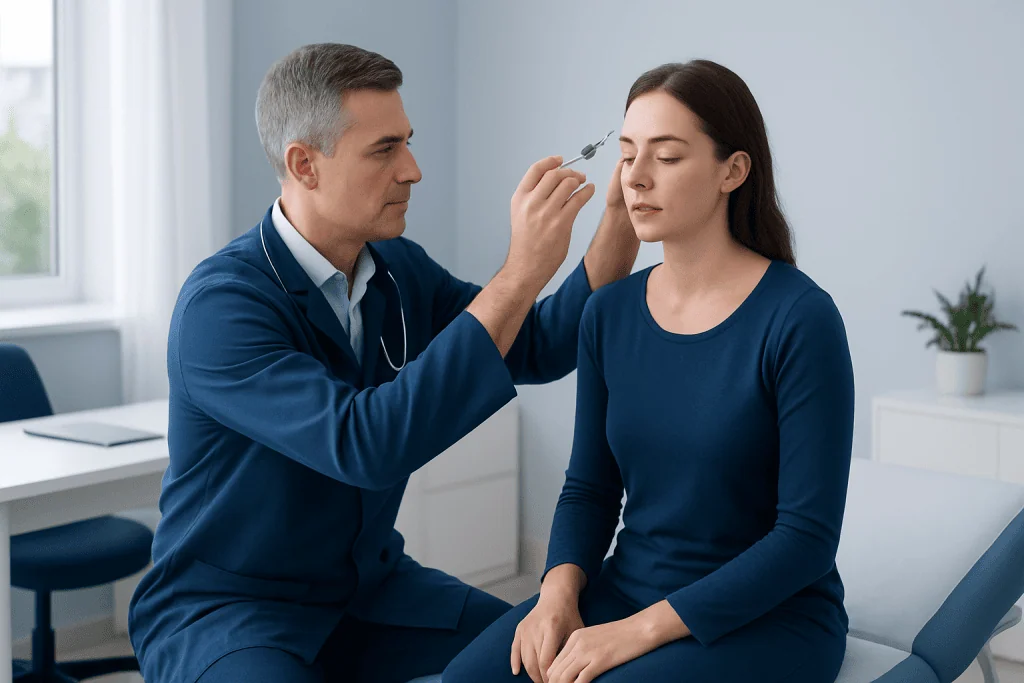
The standard chronic migraine protocol commonly uses 31 injection sites across seven head and neck muscle regions. These include the corrugator and procerus muscles between the eyebrows, the frontalis muscle in the forehead, the temporalis muscles at the sides of the head, the occipitalis muscles at the back of the scalp, the upper neck muscles and the trapezius muscles across the upper shoulders.
The appointment often takes about 15 to 30 minutes. The clinician reviews any changes in health or medicines, identifies the injection points and uses a very fine needle to place small amounts of Botox into the targeted muscles. Most people describe brief pinching, pressure or stinging rather than significant pain.
No general anesthesia is normally needed, and patients can usually go home shortly afterward. The exact pattern may be adjusted within accepted clinical guidance when a person has particular areas of pain or tenderness, but treatment should remain individualized and medically supervised.
For patients considering a structured preventive approach, Botox treatment for chronic migraine can be discussed with a neurologist or headache specialist. The aim is to reduce the overall migraine burden, while continuing an appropriate plan for treating breakthrough attacks.
How Many Days Does It Take for Migraine Botox to Kick In?
Some people notice a change within several days to two weeks, while others need longer. Botox gradually affects nerve signaling, so the response is not always immediate or the same from one person to another.
Clinicians often assess results over two or three treatment cycles, with sessions typically spaced about 12 weeks apart. A person may first notice fewer headache days, less intense attacks, fewer days needing rescue medicine, or improved ability to manage everyday activities.
Not everyone responds to Botox, and improvement may be partial rather than complete. Continuing a headache diary helps show patterns that can be difficult to remember accurately, especially when change is gradual.
It is important not to stop other prescribed migraine medicines unless the treating clinician recommends doing so. Botox may be one part of a wider plan that can include trigger management, sleep support, acute migraine medicines and other preventive treatments.
What Is the Downside of Botox for Migraines?
The main downsides are that Botox requires repeat appointments, does not work for everyone and may take several months to show its full benefit. It is a preventive treatment rather than a cure, so people may still experience migraine attacks and may still need medication for acute symptoms.
Common temporary effects include pain, tenderness, swelling or bruising where injections were given. Neck pain, stiffness, headache, temporary muscle weakness and a drooping eyelid or eyebrow can also occur. These effects are usually mild and resolve over time, but they should be reported to the clinician.
Rarely, botulinum toxin effects can extend beyond the injection area and cause more significant weakness, swallowing difficulty, speech changes or breathing problems. Urgent medical care is needed if these symptoms occur. A qualified clinician should also know about medicines or health conditions that may affect muscle strength or bleeding risk.
Benefits need to be weighed against the practical commitment of treatment every 12 weeks. A shared decision with a headache clinician can help determine whether Botox fits a person’s migraine pattern, preferences and treatment history.
What Not to Do After Migraine Botox Injections
Most people can resume normal light activities after the appointment. However, the treating clinician may advise avoiding rubbing, massaging or applying firm pressure to injection areas for the rest of the day, as well as avoiding strenuous exercise, sauna use or excessive heat for a short period.
It may also be sensible to remain upright for several hours after treatment and avoid facial treatments, scalp massage or other procedures involving the injected areas until the clinician says they are appropriate. Recommendations can vary, so individual aftercare instructions should take priority.
A cool pack may help minor soreness or swelling if advised by the healthcare professional. People should contact their clinic if they develop persistent or concerning symptoms, including marked weakness, significant eyelid drooping, difficulty swallowing, or symptoms that feel unusual for them.
Regular meals, hydration, consistent sleep and careful use of acute migraine medicines remain important after treatment. Overuse of pain-relieving or migraine-relief medicines can contribute to medication-overuse headache, so a doctor can advise on safe limits for an individual’s medicines.
What I Wish I Knew Before Botox
A helpful expectation is that Botox is a planned, long-term preventive strategy rather than a one-time intervention. The injection session itself is short, but the treatment may need to be repeated every 12 weeks and evaluated over several visits before its value is clear.
It can be useful to arrive with a current medication list and a headache diary, including the number of headache days, migraine days and days of acute medication use. This information helps confirm eligibility, guide treatment decisions and monitor whether outcomes are meaningful.
People should also know that the injections are placed in medically selected muscles, including the neck and shoulders, not only in the forehead. Temporary soreness or tightness is possible, and results vary. Asking about expected benefits, potential adverse effects and follow-up arrangements supports informed decision-making.
Acibadem International’s multidisciplinary specialists and JCI-accredited hospitals can assess and treat chronic migraine for international patients, including coordinated neurological evaluation when needed. The most appropriate plan depends on the individual’s diagnosis and health history.
When to Seek Medical Care
Medical evaluation is important for frequent headaches, a change in an established migraine pattern, headaches that interfere with daily life, or increasing reliance on pain medicines. A clinician can confirm the diagnosis, rule out other causes and discuss preventive options, including Botox when appropriate.
Urgent medical care is needed for a sudden, severe headache that reaches maximum intensity quickly; a headache after a head injury; or headache with fever, stiff neck, fainting, seizures, confusion, new weakness, numbness, vision loss or trouble speaking. These symptoms are not typical migraine symptoms and need prompt assessment.
After Botox, urgent assessment is also needed for trouble breathing, swallowing or speaking, or widespread muscle weakness. Such reactions are uncommon, but acting promptly is important.
People with chronic migraine may benefit from coordinated care that includes neurology, pain management and lifestyle support. A qualified doctor can advise whether Botox or another preventive strategy is the safest and most suitable option.
Frequently asked questions
How many Botox injections are used for chronic migraine?
The standard protocol commonly uses 31 injections across seven muscle areas of the head, neck and shoulders. A clinician may use additional sites in selected cases according to clinical guidance and the person's pain pattern.
Does migraine Botox hurt?
Most people feel brief pinching, stinging or pressure with each injection. The needles are very fine, and the treatment is usually completed within 15 to 30 minutes without general anesthesia.
How many days does it take for migraine Botox to kick in?
Some people notice changes within days to two weeks, while others need more time. The response is often assessed after two or three treatment sessions because benefit can build gradually.
What is the downside of Botox for migraines?
Botox requires repeat treatment, may not work for everyone and does not eliminate every migraine attack. Temporary neck pain, injection-site discomfort, muscle weakness or eyelid drooping can occur, although serious side effects are uncommon.
What not to do after migraine Botox injections?
Patients are commonly advised not to rub or massage the injected areas and to avoid strenuous activity or excessive heat for a short time. They should follow the specific instructions provided by their treating clinician.
Can Botox cure chronic migraine?
Botox does not cure migraine, but it may reduce the number of headache days and lessen the impact of attacks for some people with chronic migraine. Ongoing monitoring helps determine whether it provides enough benefit to continue.
References
- American Migraine Foundation
- American Academy of Neurology
- National Institute for Health and Care Excellence
- U.S. Food and Drug Administration
- International Headache Society
This article is for general information only and is not a substitute for professional medical advice. Please consult a qualified doctor about your individual situation.
Migraine in Turkey — costs, top hospitals & a free quote
JCI-accredited · board-certified surgeons · reply within 24h
Add us as a Preferred Source to see more of our trusted health content across Google Search, AI Overviews and Discover.

More from the Health Library



Related Specialists

Prof. Dr. Yunus Aydın
Neurosurgery
Embriyolog Feray Farsak
Vitro Fertilization and Reproductive Medicine Center
Dr. Süreyya Menteş
Gynecology & Obstetrics
Dr. Sezgi Güllü Erciyestepe
Gynecology & Obstetrics