

Does Chemo Make You Lose Weight: How It Works, Results and What to Expect

Chemotherapy does not cause weight loss in everyone, and the amount of weight change varies widely. Nausea, mouth sores, altered taste, bowel changes, fatigue and emotional stress can all reduce food intake during treatment.
Key Takeaways
- Chemotherapy does not cause weight loss in everyone, and the amount of weight change varies widely.
- Nausea, mouth sores, altered taste, bowel changes, fatigue and emotional stress can all reduce food intake during treatment.
- Unplanned weight loss should be reported early so the cancer team can address symptoms and arrange nutrition support.
- Small frequent meals, protein-rich foods, hydration and tailored symptom treatment may help prevent or limit weight loss.
- Treatment response cannot be judged by weight loss or side effects alone; scans, examinations and laboratory tests are more reliable.
Does chemo make you lose weight? Chemotherapy can contribute to weight loss through appetite changes, nausea, taste changes and other side effects, but many people maintain their weight with timely symptom management and individualized nutrition support. Weight changes should be monitored throughout treatment because they can affect wellbeing, strength and treatment planning.
Does chemo make you lose weight?
Does chemo make you lose weight? It can, but it does not happen to everyone. Chemotherapy may affect appetite, digestion, taste and energy levels, making it harder to eat enough; however, some people maintain their weight or gain weight during treatment because of reduced activity, fluid retention or certain medicines.
Weight loss during cancer treatment is usually not a desired effect. Maintaining nourishment supports strength, daily function and recovery, so the oncology team will usually track weight and eating patterns at appointments. Early support can often reduce the impact of treatment side effects and help a person continue their planned care.
The pattern depends on the cancer type, treatment medicines, treatment schedule, other health conditions and a person’s nutritional status before treatment. A dietitian with oncology experience can provide practical, individualized advice when appetite or weight changes become difficult.
How chemotherapy can affect weight and appetite
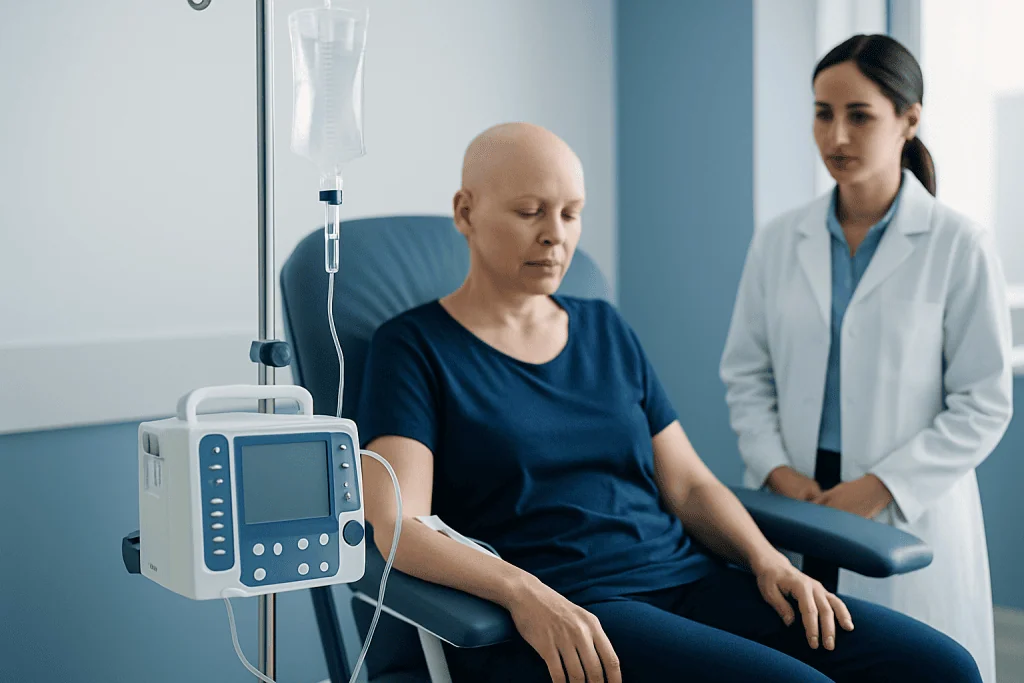
Chemotherapy medicines travel through the bloodstream to damage or slow the growth of cancer cells. Because some healthy cells also divide quickly, treatment can temporarily affect tissues in the mouth, stomach and intestines. These effects may lead to symptoms that interfere with eating, although each chemotherapy regimen has a different side-effect profile.
Common contributors to reduced intake include nausea, vomiting, constipation, diarrhea, early fullness, mouth sores, dry mouth, swallowing discomfort and changes in smell or taste. Foods that were previously enjoyable may taste metallic, overly sweet, bitter or bland. Fatigue can also make shopping, cooking and eating feel more demanding.
Cancer itself may contribute to weight loss before or during treatment. In some people, inflammation and changes in metabolism can cause loss of muscle and body weight, sometimes called cancer-related cachexia. This is different from ordinary dieting and needs medical assessment because simply trying to eat more may not fully address the underlying problem.
Supportive medicines, including anti-nausea treatment and pain management, are often an important part of chemotherapy care. The oncology team can adjust these measures based on symptoms, rather than expecting a person to tolerate persistent eating difficulties.
How much weight do you usually lose during chemo?

There is no usual or predictable amount of weight loss during chemotherapy. Some people lose no weight, while others lose a noticeable amount because their cancer or treatment side effects make eating difficult. The amount may also vary between treatment cycles, particularly if symptoms are stronger for several days after an infusion and then improve.
Rather than comparing weight changes with another person’s experience, clinicians look for an unplanned downward trend and changes in muscle strength, appetite, hydration and ability to manage daily activities. Even a modest loss can matter when it occurs quickly or in someone who was already underweight or had poor intake before treatment.
People should tell their cancer team if they are losing weight without trying, eating much less than usual, or struggling to keep fluids down. The team may review medication side effects, check for dehydration or infection, arrange blood tests when appropriate and refer to an oncology dietitian.
- Keep a simple record of weight, appetite and troubling symptoms if the care team recommends it.
- Ask which weight changes should prompt a call between appointments.
- Do not start restrictive diets, fasting plans or unproven supplements during chemotherapy without medical advice.
What are the signs that chemo is working?
Weight loss, hair loss, nausea or other side effects do not show whether chemotherapy is working. A person may have few side effects and still respond very well, while significant side effects do not necessarily mean the treatment is more effective. Side effects mainly reflect how the body responds to the medicine, not how the cancer is responding.
The oncology team assesses treatment response through planned examinations, blood tests, imaging scans and, for some cancers, tumor markers or other specialized tests. Depending on the type and stage of cancer, the goals may be to cure the cancer, reduce its size before surgery, lower the risk of recurrence or control disease and symptoms.
Some symptoms caused by cancer may improve with successful treatment, such as pain, cough, bleeding or pressure-related symptoms. However, symptom changes alone are not enough to determine response. It is important to attend scheduled assessments and discuss results directly with the treating oncologist.
Chemotherapy may be given alone or alongside surgery, radiation therapy, immunotherapy or targeted medicines. The treatment plan is individualized according to the cancer diagnosis and overall health.
What week of chemo is the hardest?
There is no single hardest week of chemotherapy for everyone. The timing of side effects depends on the medicines used, dose, cycle length and a person’s overall health. Some symptoms, such as nausea or tiredness, may occur on treatment day or in the days immediately afterward, while changes in blood counts may occur later in the cycle.
For many regimens, fatigue can build over repeated cycles. People may also find later cycles more challenging if appetite has been poor for some time, sleep has been disrupted or activity levels have fallen. In contrast, others feel more prepared after the first cycle because they understand their symptom pattern and know what support is available.
The cancer team can explain the expected timing of side effects for the specific regimen. Keeping a symptom diary can help identify when nausea, bowel changes, mouth discomfort or low energy are most likely, allowing meals, rest and medicines to be planned around those days.
A sudden change from the expected pattern, especially fever, severe vomiting, confusion, shortness of breath or inability to drink fluids, should be reported promptly. Chemotherapy teams typically provide clear contact instructions for urgent concerns between visits.
How to avoid weight loss during chemo
Preventing weight loss during chemotherapy usually involves treating symptoms early and making food choices easier on difficult days. The best approach is personal: nutritional needs differ according to body size, cancer type, treatment, kidney or heart health, diabetes and other medical considerations. An oncology dietitian can create a plan that fits cultural preferences, symptoms and practical routines.
Many people find it easier to eat small meals or snacks every two to three hours instead of aiming for large meals. Foods rich in protein and energy, such as eggs, yogurt, cheese, beans, lentils, fish, poultry, nut butters or fortified soups and smoothies, may help when appetite is limited. The care team can advise on food safety, particularly if white blood cell counts are low.
Drinking enough fluids is important, especially with vomiting or diarrhea. Cool foods may be easier if smells trigger nausea, while soft, moist foods can help with a sore mouth. If taste changes occur, experimenting with plastic cutlery, mild seasonings, cold protein foods or tart flavors may be useful, provided there are no mouth sores or other reasons to avoid them.
- Take prescribed anti-nausea medicines exactly as directed, including preventive doses when advised.
- Choose easy-to-prepare foods and accept practical help with shopping or cooking.
- Eat when appetite is strongest, which may be earlier in the day for some people.
- Ask about oral nutritional drinks if ordinary food is not meeting needs.
- Contact the team early for persistent pain, vomiting, diarrhea, constipation or mouth sores.
When to seek medical care
Weight loss or reduced appetite should be mentioned at routine oncology visits, but some symptoms need earlier advice. Contact the cancer care team if food or fluids cannot be kept down, vomiting or diarrhea is persistent, urination becomes much less frequent, dizziness develops, or mouth pain prevents drinking and eating.
Fever during chemotherapy can be urgent because treatment may lower white blood cell counts and reduce the body’s ability to fight infection. Patients should follow the temperature guidance and emergency contact plan provided by their oncology team. They should also seek urgent medical advice for chills, new confusion, severe weakness, chest pain, trouble breathing or uncontrolled pain.
It is helpful to bring a list of symptoms, medicines, supplements and recent weight changes to appointments. The care team may adjust supportive medicines, investigate other causes of symptoms or arrange specialist nutritional care. People should not stop chemotherapy or change prescribed medication without speaking to their oncologist.
Acibadem International’s multidisciplinary specialists and JCI-accredited hospitals provide cancer diagnosis, chemotherapy care and supportive treatment for international patients, with nutritional and symptom-management needs considered as part of the treatment plan.
Frequently asked questions
Does everyone lose weight on chemotherapy?
No. Some people lose weight, some maintain a stable weight, and some gain weight during chemotherapy. The result depends on the cancer, treatment regimen, symptoms, activity level, fluid balance and medicines such as steroids.
Can chemotherapy make someone gain weight?
Yes, weight gain can occur during chemotherapy. Possible reasons include lower activity, increased appetite from some medicines, fluid retention and changes in metabolism. Rapid weight gain or swelling should be discussed with the cancer team.
Is weight loss during chemotherapy dangerous?
Unplanned weight loss is not always an emergency, but it should be reported because it may affect strength, nutrition and tolerance of treatment. Rapid loss, inability to eat or drink, or signs of dehydration need more prompt medical advice.
Should a person force themselves to eat during chemo?
Forcing large meals can worsen nausea or discomfort. Smaller, frequent meals and snacks are often more manageable, with a focus on protein, energy and fluids. A dietitian can help when appetite remains low despite these measures.
Can protein drinks help prevent weight loss during chemotherapy?
Protein or nutritional drinks may be useful when regular meals are difficult, but they are not right for every person or medical condition. The oncology team or dietitian can recommend suitable options and explain how to use them safely.
When does appetite return after chemotherapy?
Appetite may improve within days to weeks after a treatment cycle, but timing varies by regimen and by person. Taste changes, fatigue and digestive symptoms can persist longer for some people. Persistent poor appetite should be reviewed by the oncology team.
References
- National Cancer Institute
- American Cancer Society
- American Society of Clinical Oncology
- European Society for Medical Oncology
- Academy of Nutrition and Dietetics
This article is for general information only and is not a substitute for professional medical advice. Please consult a qualified doctor about your individual situation.
Medical weight-loss options in Turkey — costs & eligibility
JCI-accredited · board-certified surgeons · reply within 24h
Add us as a Preferred Source to see more of our trusted health content across Google Search, AI Overviews and Discover.

More from the Health Library


Related Specialists

Assoc. Prof. Dr. Burak Elmas
Vitro Fertilization and Reproductive Medicine Center
Dr. Serpil Kılınç
Internal Medicine
Dr. Ümit Yaşar Guleser
Ophthalmology
Dr. Hakan Özbay
Orthopedic Surgery & Traumatology