Sex after Prostate Surgery: Procedure, Recovery and Results

Erectile function may recover gradually over months to two years or longer after radical prostatectomy. Nerve-sparing surgery can improve the likelihood of erectile recovery, but it is not suitable or successful in every case.
Key Takeaways
- Erectile function may recover gradually over months to two years or longer after radical prostatectomy.
- Nerve-sparing surgery can improve the likelihood of erectile recovery, but it is not suitable or successful in every case.
- Orgasm may still be possible after prostate removal, but it is usually dry because semen is no longer produced or released.
- Penile rehabilitation and treatments for erectile dysfunction may support sexual recovery after surgery.
- New severe pain, fever, wound concerns, urinary retention or heavy bleeding require prompt medical advice.
Sex after prostate surgery often involves a period of erectile difficulties, changes in orgasm and infertility, particularly after radical prostatectomy. Recovery varies with the procedure, baseline sexual function, age, nerve preservation and access to rehabilitation, and many treatment options can help.
Overview: What to Expect From Sex After Prostate Surgery
Sex after prostate surgery can be different, especially following radical prostatectomy, an operation that removes the prostate gland to treat prostate cancer. The most common change is difficulty getting or keeping an erection, while orgasm may still be possible but is usually dry because the prostate and seminal vesicles no longer contribute fluid to semen.
Recovery is individual. Some people notice gradual erectile improvement within several months, while others need one to two years or longer and may benefit from treatment. The type of surgery, whether erectile nerves can be preserved, erections before surgery, age, other health conditions and emotional wellbeing all influence the outcome.
This article focuses mainly on sexual recovery after radical prostatectomy. Other prostate procedures, such as surgery for benign enlargement, may have different effects. A urologist can explain the expected sexual outcomes of the specific procedure and create a plan that reflects the person’s priorities and overall health.
How Prostate Surgery Affects Sexual Function
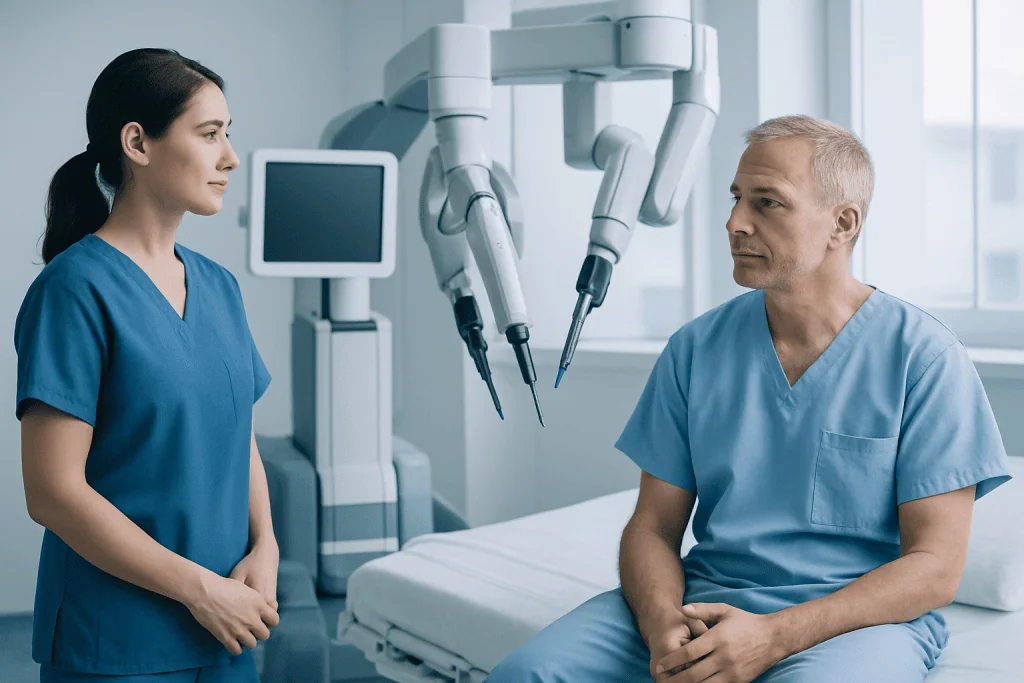
The prostate sits below the bladder and surrounds part of the urethra. During radical prostatectomy, the surgeon removes the prostate, reconnects the bladder to the urethra and may remove nearby lymph nodes when clinically appropriate. It may be performed through open surgery, laparoscopic surgery or robot-assisted laparoscopic surgery.
The nerves that help produce erections run closely alongside the prostate. When cancer location and safety allow, a nerve-sparing approach may preserve one or both bundles of these nerves. However, preserving nerves cannot be prioritized if it could leave cancer behind, and even carefully preserved nerves may be temporarily affected by swelling, stretching or reduced blood flow.
Sex after prostate removal surgery also changes fertility. Because semen is no longer ejaculated, natural conception is not possible after radical prostatectomy. Sperm banking before treatment may be considered for people who may wish to have biological children in the future. Sexual desire and the ability to reach orgasm can remain, although both may be affected by recovery, hormone treatment, stress, fatigue or relationship concerns.
Candidacy and What Happens During the Procedure

Radical prostatectomy may be recommended for selected people with prostate cancer that is confined to the prostate or has limited spread nearby. Decisions are based on cancer characteristics, imaging and test results, age, general health, life expectancy, urinary function and personal preferences. Alternatives may include active surveillance, radiotherapy, hormone therapy or other cancer treatments depending on the clinical situation.
Before surgery, the care team discusses the likely need for nerve-sparing surgery and explains that the final surgical approach may depend on what is found during the operation. Preoperative assessment commonly includes medical history, physical examination, blood tests, anesthesia review and discussions about medication use, smoking cessation and recovery planning.
During the procedure, anesthesia keeps the patient asleep and pain-free. The surgeon removes the prostate and reconnects the urinary tract; a urinary catheter is usually left in place temporarily to allow healing. The removed tissue is examined by a pathologist, and follow-up prostate-specific antigen testing helps monitor treatment results after surgery.
- Potential benefits include removal of cancerous prostate tissue and detailed pathology information.
- Important risks include urinary leakage, erectile dysfunction, bleeding, infection, blood clots, narrowing at the urinary connection and changes in orgasm.
- The surgeon can discuss how individual cancer features affect the balance between cancer control and preservation of sexual and urinary function.
Recovery Timeline and Sexual Rehabilitation
Early recovery focuses on healing, walking regularly as advised, avoiding heavy lifting until cleared and caring for the catheter if one is still in place. Sexual activity should generally wait until the surgical team confirms it is safe, often after the catheter has been removed and healing is progressing. The exact timing differs between individuals and procedures.
It is common not to have reliable erections immediately after radical prostatectomy. Even when nerves are spared, they may need time to recover. Sexual rehabilitation may begin soon after surgery or once the clinician advises it is appropriate. Its purpose is to support blood flow and erectile tissue health while natural nerve recovery occurs.
Options may include oral medicines for erectile dysfunction, vacuum erection devices, injections, urethral medication or, for persistent erectile dysfunction, a penile implant. Pelvic floor physiotherapy can help address urinary leakage and may support confidence during intimacy. Prostate cancer treatment planning should include an open discussion of sexual health before and after surgery.
Emotional recovery matters as well. Worries about cancer, altered body image, urinary leakage and pressure to “perform” can affect desire and intimacy. Communication with a partner, counseling or sex therapy may help people explore comfortable forms of closeness while recovery continues.
How Long Does Erectile Dysfunction Last After Prostate Surgery?
Erectile dysfunction after prostate surgery may be temporary, but recovery can be slow. Some people regain erections adequate for sexual activity in the first few months, while many recover gradually over 12 to 24 months. In some cases, improvement continues beyond two years, particularly after nerve-sparing surgery.
There is no single timeline that applies to everyone. People with strong erections before surgery, younger age, fewer conditions affecting blood vessels or nerves, and successful preservation of both nerve bundles often have a better chance of recovery. Diabetes, smoking, heart and vascular disease, certain medicines and the need to remove nerves because of cancer can make recovery less likely.
Early erectile difficulties do not necessarily predict a permanent result. A urologist or sexual medicine specialist can review progress, identify contributing factors and discuss rehabilitation options. Treatment can be useful whether nerve recovery is expected or whether erectile dysfunction becomes long-term.
What Are the Permanent Side Effects of Prostate Removal?
Possible long-term effects of radical prostatectomy include dry orgasm, infertility, erectile dysfunction and some degree of urinary leakage. Most people experience dry orgasm permanently because semen-producing structures have been removed. The sensation of orgasm may feel different, but it can still be pleasurable.
Urinary control often improves with healing and pelvic floor rehabilitation, but a smaller number of people have persistent stress urinary incontinence, such as leakage with coughing, lifting or exercise. Erectile dysfunction may also be lasting, particularly if the nerves could not be spared or if erectile function was already reduced before surgery.
Some people notice a shorter apparent penile length, climacturia (urine leakage during orgasm), changes in sexual desire or occasional pain with orgasm. These effects are not inevitable, and several can be managed with specialist guidance. Follow-up appointments are an important opportunity to raise concerns that may otherwise feel difficult to discuss.
Is Nerve Damage Common After Prostate Surgery?
The erectile nerves are very close to the prostate, so they can be affected during radical prostatectomy even when a nerve-sparing technique is used. In many cases, the nerves are not cut but are temporarily impaired by swelling, traction or changes in blood supply. This temporary nerve dysfunction is a major reason erections may not return immediately after surgery.
Whether nerves can be preserved depends largely on the location and extent of the cancer. If cancer is close to or involving the nerve bundles, removing some or all of the nerves may be the safest option for cancer control. The surgeon will aim to explain this possibility before surgery, although final decisions can sometimes depend on operative findings.
Nerve damage is therefore a recognized risk rather than a sign that something has necessarily gone wrong. Nerve-sparing techniques can improve the chance of recovery but do not guarantee it. People who have ongoing erectile concerns should ask about evidence-based erectile dysfunction treatments rather than waiting in silence.
Can I Drive a Car After Prostate Surgery?
Driving should wait until the person is no longer taking opioid pain medicine or other medicines that affect alertness, can comfortably sit and move, and can safely perform an emergency stop without pain or hesitation. For many people this is at least one to two weeks after surgery, but the correct timing varies according to the surgical approach, recovery and medical advice.
A catheter, fatigue, discomfort, restricted movement or complications may delay return to driving. Insurance and local regulations may also have requirements after surgery. The surgical team should be asked for personalized advice, particularly before long journeys.
Returning to normal daily activities should be gradual. Walking is commonly encouraged early in recovery, but strenuous exercise, cycling, heavy lifting and sexual activity should only resume when the surgeon or nurse confirms that healing is sufficient.
When to Seek Medical Care
Contact the surgical team promptly for fever, chills, worsening redness or drainage from the wound, increasing abdominal or pelvic pain, persistent vomiting, difficulty draining the catheter, inability to pass urine after catheter removal, or leg swelling and pain. Urgent assessment is also needed for chest pain, shortness of breath, fainting or heavy bleeding.
Non-urgent follow-up is appropriate for ongoing urinary leakage, painful erections, difficulty with sexual function, low mood or relationship stress. These concerns are common after prostate surgery and deserve medical attention. Timely support can improve comfort, confidence and quality of life.
Acibadem International’s multidisciplinary specialists and JCI-accredited hospitals diagnose and treat prostate conditions for international patients, with follow-up care that can include urology, oncology, rehabilitation and sexual health support.
Frequently asked questions
When can sex resume after prostate surgery?
Sexual activity can usually resume when the surgical team confirms that healing is adequate, pain is controlled and any catheter has been removed. This often takes several weeks, but the exact timing depends on the operation and individual recovery. Intimacy without penetration may be comfortable sooner for some people.
Can a person have an orgasm after radical prostatectomy?
Yes. Many people can still experience orgasm after radical prostatectomy, although it may feel different. It is usually a dry orgasm because the prostate and seminal vesicles, which contribute fluid to semen, have been removed.
Does nerve-sparing prostate surgery guarantee erections?
No. Nerve-sparing surgery improves the chance of erectile recovery when it can be performed safely, but it does not guarantee erections after surgery. Recovery also depends on baseline erectile function, age, medical conditions and the degree of nerve healing.
Can erectile dysfunction treatment start soon after prostate surgery?
A clinician may discuss penile rehabilitation early in recovery, although the timing and method should be individualized. Options can include oral medicines, vacuum devices, injections or other approaches. Treatment should only be started with guidance from the urology team.
Will testosterone levels drop after prostate removal?
Radical prostatectomy does not usually remove the testes, so it does not directly cause testosterone levels to fall. However, sexual desire can be affected by recovery, stress, fatigue, depression, medications or hormone therapy used for prostate cancer. A clinician can investigate persistent low desire or other symptoms.
Does prostate surgery cause infertility?
Radical prostatectomy causes infertility because semen is no longer ejaculated, so sperm cannot be delivered naturally during intercourse. If future biological parenthood is important, sperm banking should be discussed before treatment. Fertility options may depend on the individual situation and prior treatments.
References
- American Urological Association
- European Association of Urology
- National Cancer Institute
- American Cancer Society
- National Health Service
This article is for general information only and is not a substitute for professional medical advice. Please consult a qualified doctor about your individual situation.
Oncology care in Turkey — second opinion and treatment plan
JCI-accredited · board-certified surgeons · reply within 24h
Add us as a Preferred Source to see more of our trusted health content across Google Search, AI Overviews and Discover.