Inside Body after Hysterectomy: Procedure, Recovery and Results

After a hysterectomy, the body does not have an empty space; nearby pelvic organs gently adjust into the area formerly occupied by the uterus. In a total hysterectomy, the top of the vagina is closed with stitches, creating a vaginal cuff that needs time to heal.
Key Takeaways
- After a hysterectomy, the body does not have an empty space; nearby pelvic organs gently adjust into the area formerly occupied by the uterus.
- In a total hysterectomy, the top of the vagina is closed with stitches, creating a vaginal cuff that needs time to heal.
- Short walks and gradual activity usually support recovery, while prolonged bed rest can increase risks such as blood clots and constipation.
- Internal healing often takes 6 to 8 weeks, although abdominal soreness, fatigue, and return to usual activities can vary by procedure.
- Heavy bleeding, fever, worsening pain, wound concerns, breathing difficulty, or leg swelling should be assessed urgently.
Inside the body after hysterectomy, the uterus is removed and the remaining pelvic structures gradually settle into a supported position as tissues heal. Recovery varies by surgical approach and individual health, but internal healing commonly continues for around 6 to 8 weeks, sometimes longer.
Overview: What Happens Inside the Body After Hysterectomy?
Inside the body after hysterectomy, the uterus has been removed and the surrounding pelvic tissues begin a planned healing process. The bladder and bowel are not left unsupported or floating in an empty space. Instead, they naturally shift slightly and are supported by the pelvic floor, ligaments, connective tissue, and nearby structures.
A hysterectomy may remove the uterus alone, the uterus and cervix, or additional structures such as the fallopian tubes and ovaries. The exact internal changes depend on the type of operation and the reason it was needed, such as fibroids, heavy bleeding, endometriosis, prolapse, chronic pelvic pain, or cancer.
In a total hysterectomy, the uterus and cervix are removed. The surgeon closes the upper end of the vagina with dissolvable sutures; this closure is called the vaginal cuff. Healing occurs both at the incision sites and internally, so a person may feel better before all tissues have fully regained strength.
How Hysterectomy Works and Who May Need It
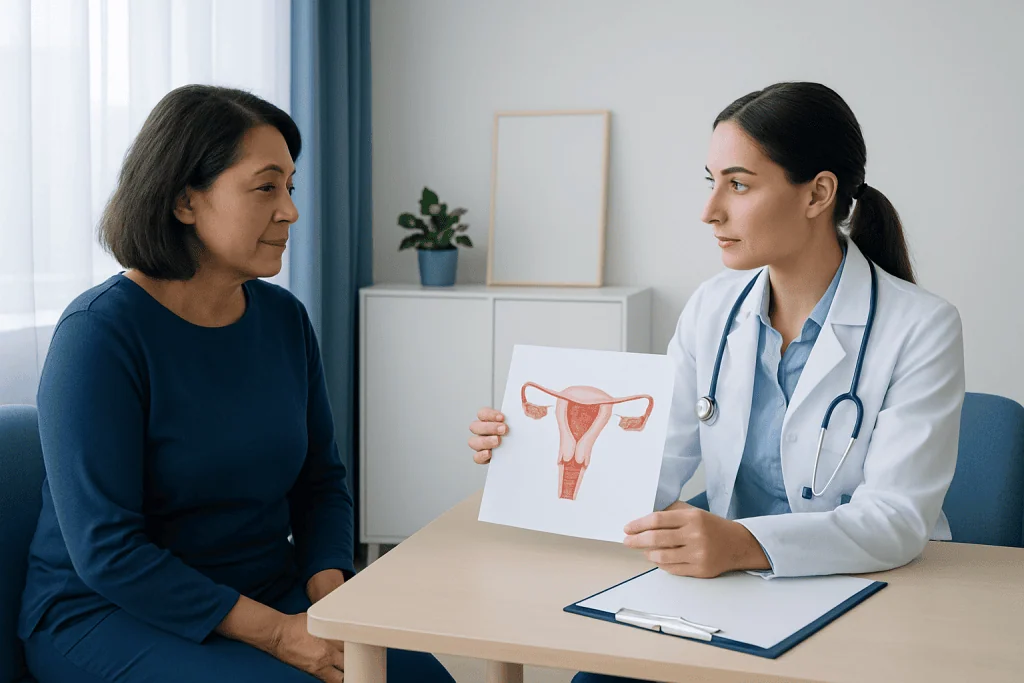
Hysterectomy is an operation to remove the uterus. Because pregnancy is no longer possible after the uterus is removed, it is considered only after a careful discussion of symptoms, alternatives, reproductive plans, and the likely benefits and risks. It may be recommended when symptoms are severe or when less invasive treatments have not provided adequate relief.
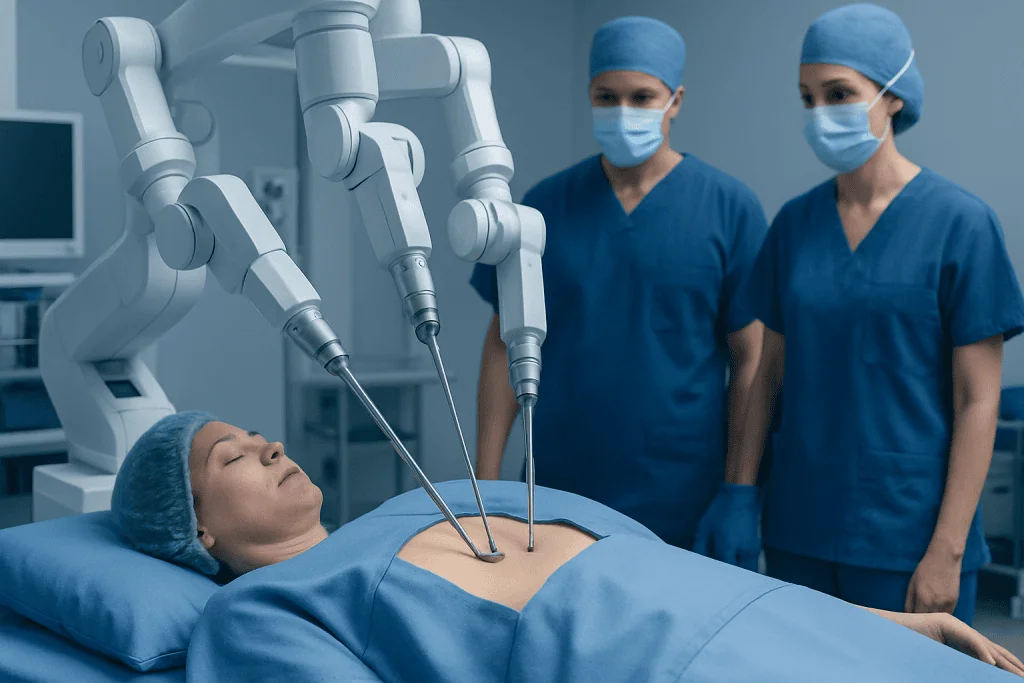
The procedure may be performed through an abdominal incision, through the vagina, or using minimally invasive laparoscopic or robotic techniques. The most appropriate route depends on the size and shape of the uterus, previous operations, the presence of pelvic adhesions or prolapse, the suspected diagnosis, and the surgeon’s assessment.
Whether the ovaries are removed is a separate decision. If the ovaries remain, they usually continue to produce hormones until natural menopause, although menopause may sometimes occur earlier than expected. If both ovaries are removed before menopause, surgical menopause occurs and symptoms can begin soon after surgery.
Conditions that can lead to discussion of hysterectomy include uterine fibroids, adenomyosis, endometriosis, pelvic organ prolapse, and some gynecologic cancers. A gynecologist can explain whether monitoring, medication, uterine-sparing procedures, or hysterectomy is most suitable for the individual situation.
Step by Step: What Happens During the Procedure
Before surgery, the care team reviews medical history, medicines, allergies, prior operations, and test results. General anesthesia is commonly used, so the patient is asleep and does not feel the operation. Depending on the planned procedure, the surgeon may use small abdominal incisions, a vaginal approach, or a larger abdominal incision.
The surgeon carefully separates the uterus from its supporting tissues and blood supply while protecting nearby structures, particularly the bladder, ureters, and bowel. The uterus is then removed through the vagina, through a small incision, or through an abdominal incision. If planned, the cervix, fallopian tubes, or ovaries may be removed at the same time.
For a total hysterectomy, the vaginal cuff is closed after removal of the cervix. Any abdominal incisions are then closed, and the patient is monitored as anesthesia wears off. A urinary catheter may be used temporarily, especially during and shortly after surgery.
For patients considering surgery, hysterectomy treatment and surgical planning can help clarify the available approaches, preparation, expected recovery, and follow-up. The surgical team should also explain which organs are planned for removal and why.
What Does the Inside of Your Body Look Like After a Total Hysterectomy?
After a total hysterectomy, the uterus and cervix are no longer present. The top of the vaginal canal is closed, forming the vaginal cuff. This is an internal surgical closure rather than a visible opening, and it gradually heals into strong scar tissue.
The bladder sits in front of the area where the uterus was, and the bowel sits behind and above it. These organs may settle slightly into the space over time, but the pelvis is not hollow. Muscles, fascia, ligaments, and pelvic-floor tissues continue to support the organs.
The ovaries, if retained, remain in the pelvis and continue their hormonal role. The fallopian tubes are often removed during hysterectomy when appropriate, as this may reduce the chance of certain future conditions without usually changing ovarian hormone production.
Some early bloating, pelvic pressure, altered bowel habits, or a pulling sensation can occur as inflammation settles and normal movement returns. These symptoms should gradually improve. Persistent or worsening pain, marked pressure, or new urinary or bowel difficulties should be discussed with the surgical team.
How Long Does It Take for Insides to Settle After a Hysterectomy?
Internal tissues commonly need around 6 to 8 weeks to heal after hysterectomy, although the timeline is individual. Recovery may be quicker after uncomplicated vaginal or laparoscopic surgery than after an open abdominal procedure, but the vaginal cuff and deeper pelvic tissues still need protection while they heal.
The feeling that the “insides” are settling may relate to reduced swelling, healing ligaments and connective tissue, bowel function returning to normal, and gradual adaptation of the bladder and bowel. Mild intermittent twinges, pressure, fatigue, and abdominal bloating can be part of early recovery if they are steadily improving.
Surgeons often advise avoiding vaginal intercourse, tampons, douching, swimming, heavy lifting, and strenuous exercise until the postoperative review confirms that internal healing is sufficient. The exact restrictions and timing differ, so the individual surgeon’s instructions take priority.
Healing can take longer when surgery was extensive, complications occurred, there are underlying conditions such as diabetes, or a person smokes. Follow-up appointments are important because the clinician can assess incision healing, symptoms, and the vaginal cuff when needed.
Recovery Timeline, Bed Rest, and the Hardest Part of Healing
In the first few days, pain control, gentle walking, hydration, and preventing constipation are important. Tiredness can be substantial, even after minimally invasive surgery. Many people need help with household tasks, meals, transport, or childcare during the early phase.
How much bed rest do you need after a hysterectomy? Complete bed rest is generally not recommended unless a clinician specifically advises it. Rest periods are important, but short, frequent walks around the home and gradual movement usually improve circulation, help bowel function, and lower the risk of blood clots. Activity should increase slowly, without pushing through pain or exhaustion.
What is the hardest part of hysterectomy recovery? For many people, the hardest part is managing the mismatch between feeling somewhat better and still needing to protect internal healing. Fatigue, sleep disruption, constipation, temporary bladder changes, limited mobility, and emotional adjustment can all be challenging. The experience may also be affected by the reason for surgery and whether the ovaries were removed.
People often return to light daily activities sooner than they return to lifting, intense exercise, driving, work requiring physical effort, or sexual activity. A clinician can provide individualized advice based on the surgical route, job demands, healing progress, and any other health conditions.
Benefits, Risks, and When to Seek Medical Care
For appropriately selected patients, hysterectomy can provide definitive treatment for uterine bleeding, fibroid-related symptoms, prolapse, some causes of pelvic pain, and certain cancers or precancerous conditions. The expected benefit depends on the diagnosis, and not every pelvic pain symptom is caused by the uterus. A thorough evaluation helps set realistic expectations.
Potential risks include bleeding, infection, blood clots, injury to the bladder, bowel, or ureters, anesthesia-related problems, wound complications, urinary retention, and pelvic adhesions. Rarely, the vaginal cuff may separate during healing. The care team takes steps to reduce these risks and will explain warning signs before discharge.
When to seek medical care: Contact the surgical team promptly for fever, increasing rather than improving abdominal or pelvic pain, heavy vaginal bleeding, foul-smelling discharge, persistent vomiting, inability to pass urine, redness or drainage from an incision, or worsening swelling. Seek emergency care for chest pain, shortness of breath, fainting, coughing blood, or one-sided leg pain or swelling, as these can be signs of a serious complication.
Acibadem International’s multidisciplinary specialists and JCI-accredited hospitals diagnose and treat gynecologic conditions for international patients. Ongoing follow-up with a qualified gynecologist remains an essential part of safe recovery after hysterectomy.
Frequently asked questions
Does everything move after a hysterectomy?
Nearby pelvic organs can shift slightly after the uterus is removed, but they remain supported by the pelvic floor, connective tissues, and ligaments. The body is designed to adapt to this change, and there is not usually an empty cavity inside the pelvis. New or persistent pelvic pressure should be assessed by a clinician.
Can the ovaries still work after a hysterectomy?
Yes, if the ovaries are left in place, they usually continue to produce hormones and release eggs until natural menopause. Periods stop because the uterus has been removed, but ovarian hormone function can continue. Some people may enter menopause earlier than expected after hysterectomy even when the ovaries are retained.
Why is my stomach still swollen after hysterectomy?
Abdominal swelling can result from normal postoperative inflammation, constipation, reduced activity, gas, and healing tissues. It should gradually improve over days to weeks. Increasing swelling, severe pain, vomiting, fever, or inability to pass stool or gas needs medical assessment.
When can sex be resumed after a total hysterectomy?
Vaginal intercourse is commonly postponed until the vaginal cuff and other internal tissues have healed, often for at least 6 to 8 weeks. The exact timing should be confirmed at the postoperative visit because healing and surgical techniques vary. Pain, bleeding, or discomfort with sex should be discussed with a gynecologist.
Will a hysterectomy cause weight gain?
Hysterectomy itself does not automatically cause weight gain. Reduced activity during recovery, changes in appetite, aging, and menopause-related hormone changes may influence weight over time. A gradual return to movement and balanced eating, guided by the care team, can support recovery and general health.
Is it normal to feel emotionally different after hysterectomy?
Emotional responses after hysterectomy are common and may include relief, sadness, anxiety, or mixed feelings. The reason for surgery, recovery demands, fertility changes, and hormone changes if the ovaries were removed can all contribute. Support from healthcare professionals, trusted people, or a mental health specialist may be helpful if low mood or anxiety persists.
References
- American College of Obstetricians and Gynecologists
- National Health Service
- Mayo Clinic
- MedlinePlus
- Royal College of Obstetricians and Gynaecologists
This article is for general information only and is not a substitute for professional medical advice. Please consult a qualified doctor about your individual situation.
Hysterectomy in Turkey — costs, top hospitals & a free quote
JCI-accredited · board-certified surgeons · reply within 24h
Add us as a Preferred Source to see more of our trusted health content across Google Search, AI Overviews and Discover.