Brain Injury and Treatment: How It Works, Results and What to Expect
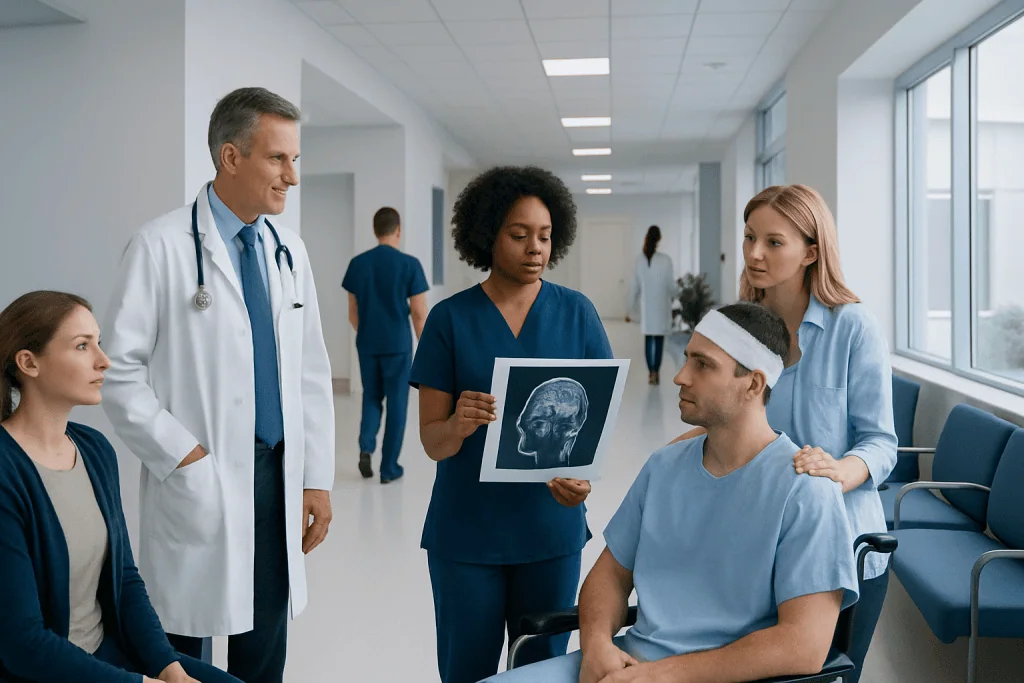
A brain injury needs prompt medical assessment, especially after a blow to the head or sudden neurological symptoms. Treatment is individualised and may range from rest and follow-up to intensive care, neurosurgery and multidisciplinary rehabilitation.
Key Takeaways
- A brain injury needs prompt medical assessment, especially after a blow to the head or sudden neurological symptoms.
- Treatment is individualised and may range from rest and follow-up to intensive care, neurosurgery and multidisciplinary rehabilitation.
- Recovery is variable; improvements can continue for months or longer, particularly with appropriate rehabilitation and support.
- New or worsening confusion, severe headache, repeated vomiting, weakness, seizures or reduced consciousness require urgent care.
- Rehabilitation focuses on practical goals such as movement, thinking, speech, daily activities and return to school, work or community life.
Brain injury and treatment depend on the cause, severity and symptoms. Care may include emergency stabilisation, monitoring, medicines, surgery in selected cases and rehabilitation to support physical, cognitive, emotional and communication recovery.
Overview: How brain injury and treatment work
Brain injury and treatment begin with identifying what has affected the brain and how urgently it needs care. A brain injury may be traumatic, such as an injury from a fall, road traffic collision, sports incident or assault. It may also result from a lack of oxygen, stroke, infection, tumour, poisoning or another medical condition. The immediate priorities are protecting breathing and circulation, preventing further injury and finding complications that need rapid treatment.
Traumatic brain injury (TBI) ranges from concussion to severe injury involving bleeding, swelling or damage to brain tissue. Symptoms may be physical, cognitive, emotional or behavioural, and they can develop immediately or appear gradually. For this reason, medical teams assess both the injury itself and the person’s neurological function over time.
Treatment is not one single procedure. It is a coordinated plan that may involve emergency physicians, neurologists, neurosurgeons, intensive care specialists, rehabilitation doctors, nurses, therapists and mental health professionals. The plan is adjusted as symptoms, scans and functional abilities change.
Symptoms and early warning signs of brain damage
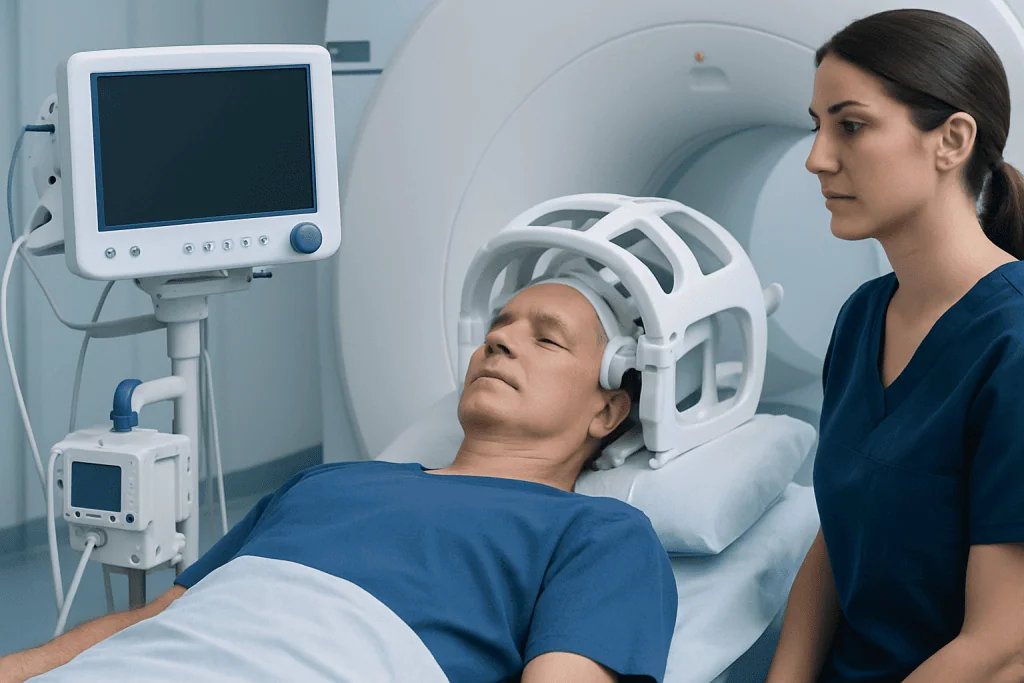
Possible symptoms after a head injury include headache, dizziness, nausea, vomiting, tiredness, blurred vision, sensitivity to light or noise, poor balance and changes in sleep. A person may also feel confused, slowed down, forgetful, irritable, unusually emotional or unable to concentrate. Symptoms can vary widely, including between people with injuries that initially seem similar.
Early warning signs of brain damage can include worsening headache, repeated vomiting, increasing drowsiness, loss of consciousness, confusion, slurred speech, weakness or numbness, unequal pupils, seizure, poor coordination or unusual behaviour. In infants and young children, persistent crying, feeding changes, unusual sleepiness, vomiting or reduced interest in usual activities may be concerning.
Some warning signs are not caused by traumatic injury alone. Sudden facial drooping, arm weakness, speech difficulty, a new severe headache, vision loss or sudden loss of balance can indicate a stroke or another neurological emergency. These symptoms should be treated as urgent even if there was no head impact.
- Symptoms that worsen rather than steadily improve need reassessment.
- People taking blood-thinning medicines may need a lower threshold for medical evaluation after a head injury.
- Alcohol, sedatives and other substances can mask symptoms and should not be used to manage possible concussion symptoms without medical advice.
Causes, severity and who may need specialised care
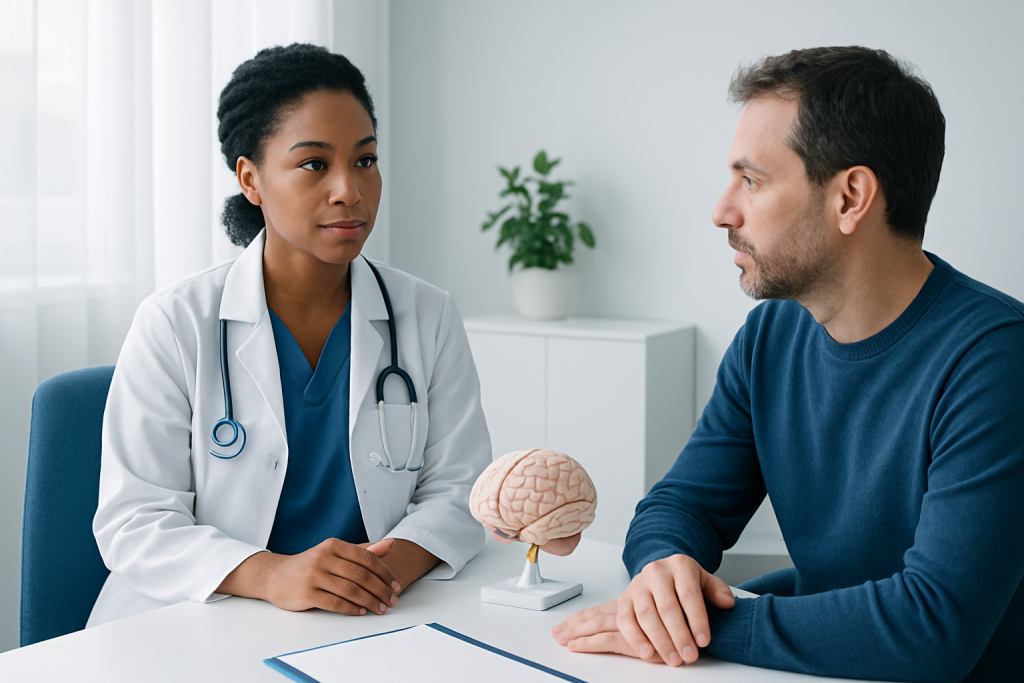
Traumatic brain injuries commonly follow falls, traffic incidents, workplace injuries, sports impacts and violence. The force of an impact can cause concussion, bruising of brain tissue, bleeding around or within the brain, skull fracture or diffuse injury to nerve fibres. A brain injury can occur even without a visible wound or a prolonged loss of consciousness.
Clinicians consider the person’s level of consciousness, symptoms, neurological examination and imaging findings when assessing severity. Age, previous brain injuries, pre-existing neurological conditions, use of anticoagulant medicines and other injuries can influence risk and recovery. Older adults and very young children deserve particularly careful evaluation after a significant head injury.
Specialised care may be needed when imaging shows bleeding or swelling, consciousness is reduced, symptoms are severe or worsening, seizures occur, or the person has complex physical or cognitive needs. People with moderate or severe injury often benefit from early involvement of rehabilitation specialists, rather than waiting until discharge planning begins.
Diagnosis and the step-by-step treatment process
Assessment usually starts with a detailed history of what happened, current symptoms, medicines and medical conditions. Clinicians check alertness, memory, pupils, eye movements, strength, sensation, speech, balance and coordination. They may use standard neurological scoring tools and repeat examinations because an injury can evolve over the first hours or days.
A CT scan is commonly used in urgent settings to look for skull fractures and acute bleeding. MRI may be used later or when more detail is needed, particularly for certain tissue injuries. Blood tests and other investigations may help identify contributing conditions or guide safe treatment. Not every mild head injury requires imaging; clinicians decide based on symptoms, examination findings and established clinical criteria.
In emergency care, treatment may include observation, pain and nausea management, oxygen and blood pressure support, seizure management when needed, and treatment of other injuries. Severe injuries may require intensive care monitoring. If bleeding, dangerous swelling or pressure inside the skull threatens the brain, neurosurgery may be considered to remove a clot, repair damage or relieve pressure. Brain surgery is only recommended when its expected benefits outweigh its risks.
Once medically stable, the focus shifts to abilities that matter in daily life. A rehabilitation plan may include physiotherapy for mobility and balance, occupational therapy for daily tasks, speech and language therapy for communication or swallowing, neuropsychological assessment for thinking and mood, and vocational support for return to education or work.
Recovery timeline, rehabilitation and expected results
Recovery does not follow a single timetable. Some people with mild concussion improve within days to a few weeks, while others have symptoms that persist longer and need structured follow-up. Moderate and severe brain injuries may require months or years of recovery work, and some effects may be long term. Early progress can be rapid, while later gains are often gradual.
Rehabilitation uses the brain’s capacity to adapt and build alternative pathways, sometimes called neuroplasticity. This does not mean that every injury can be reversed, but it explains why purposeful, repeated practice and targeted therapy can improve function. Rest is important in the early phase, followed by a carefully paced return to physical, cognitive and social activity under clinical guidance.
Progress is usually measured against individual goals rather than a fixed timeline. Goals may include walking safely, managing fatigue, communicating clearly, preparing meals, controlling headaches, returning to driving assessment when appropriate, or resuming work or education. Family education is also valuable because fatigue, reduced attention, personality changes and emotional symptoms can affect relationships and routines.
For people with complex needs, coordinated physical therapy and rehabilitation can help address movement, independence and participation in everyday life. Associated conditions such as stroke may require a similarly tailored neurological rehabilitation plan.
How long does it take the brain to heal after a brain injury?
The time it takes the brain to heal after a brain injury depends on the type and severity of injury, the person’s age and overall health, complications and access to rehabilitation. After a mild injury or concussion, many people notice substantial improvement over days or weeks. Persistent symptoms do not necessarily mean permanent damage, but they should be assessed so that treatment and activity plans can be adjusted.
With moderate or severe injury, improvement may continue over many months and sometimes longer. The greatest recovery is often seen early, but meaningful gains in mobility, communication, memory, coping and independence can still occur later with ongoing therapy and support. Follow-up appointments help the care team monitor recovery and address issues such as headache, sleep disturbance, mood changes, seizures or cognitive difficulties.
It is helpful to avoid comparing one person’s recovery with another’s. A clinician can provide a more individual outlook after reviewing the cause of injury, brain imaging, neurological findings and functional progress.
What are the signs that the brain is healing?
Signs that the brain is healing may include fewer or less intense headaches, better sleep, improved energy, clearer thinking, greater emotional stability and increasing tolerance for everyday activity. A person may gradually be able to concentrate for longer, remember information more reliably, communicate more easily or move with better balance and coordination.
Recovery is often uneven. Someone may have a good day followed by increased symptoms after physical exertion, stress, poor sleep or prolonged screen time. This pattern can be part of recovery, but activities should be increased gradually and according to advice from the clinical team rather than pushed through severe symptoms.
New symptoms or a clear deterioration are not expected signs of healing. Worsening headache, repeated vomiting, increasing confusion, weakness, seizures or reduced alertness should prompt urgent medical assessment.
Can someone with a brain injury fully recover?
Some people, particularly those with uncomplicated mild injuries, can make a full recovery. Others recover well but continue to have subtle effects, such as fatigue, headaches, difficulty concentrating or increased sensitivity to stress. After severe injury, some people have lasting changes in physical, cognitive, communication or emotional function, although rehabilitation can still support important improvements and independence.
Outcome cannot be predicted from one symptom alone. It depends on the brain area affected, injury severity, complications, co-existing health conditions, support systems and response to treatment. Honest, regular conversations with the treating team can help patients and families understand goals, likely challenges and practical next steps.
Emotional recovery matters alongside physical recovery. Anxiety, depression, irritability, trauma-related symptoms and changes in self-confidence are common and treatable. Psychological support, counselling and family involvement can be important components of comprehensive brain injury care.
When to seek medical care
Emergency medical care is needed after a head injury if there is loss of consciousness, a seizure, worsening or severe headache, repeated vomiting, confusion, unusual behaviour, increasing sleepiness, weakness, numbness, speech problems, poor coordination, vision changes or fluid or blood from the nose or ears. Emergency services should also be contacted for sudden stroke-like symptoms, even if they improve quickly.
A person should arrange a prompt medical review for symptoms that persist, interfere with daily life or return when activity increases. This includes ongoing headache, dizziness, memory difficulties, sleep problems, mood changes, reduced concentration or inability to return safely to usual work, school or sport. Children should be assessed by a qualified clinician before returning to sport after suspected concussion.
During recovery, it is generally sensible to avoid alcohol, recreational drugs, activities with a risk of another head impact and driving until a clinician confirms these are safe. Acibadem International’s multidisciplinary specialists and JCI-accredited hospitals provide assessment, neurological care and rehabilitation planning for international patients with brain injury.
Frequently asked questions
What is the first treatment for a brain injury?
The first treatment is rapid assessment and stabilisation. Medical teams check breathing, circulation and neurological function, look for bleeding or swelling, and treat urgent complications. The next steps depend on the cause and severity of the injury.
Is a CT scan always needed after a head injury?
No. Clinicians use symptoms, examination findings, the nature of the injury and individual risk factors to decide whether imaging is needed. A CT scan is often used urgently when there are signs that bleeding or serious injury may be present.
Can a concussion cause long-term symptoms?
Yes, some people have symptoms that last longer than expected, including headache, dizziness, fatigue, sleep disturbance and problems with concentration. Persistent symptoms should be reviewed by a clinician so that recovery, rehabilitation and return to activity can be managed safely.
What should be avoided after a brain injury?
Until medical advice is given, a person should avoid activities that could cause another head impact, alcohol, recreational drugs and driving if symptoms affect alertness, vision, reaction time or judgement. Returning to demanding physical or mental activity should usually be gradual and guided by a healthcare professional.
Why is rehabilitation important after brain injury?
Rehabilitation helps a person regain or adapt skills needed for everyday life. Depending on the symptoms, it can address mobility, balance, speech, swallowing, memory, attention, mood, fatigue and return to work or school. A multidisciplinary plan can be tailored to changing needs over time.
Can brain injury symptoms appear later?
Yes. Some symptoms may become clearer over hours or days, particularly as swelling, bleeding or fatigue develops. Any worsening symptoms, reduced consciousness, repeated vomiting, seizure, weakness or confusion require urgent medical evaluation.
References
- World Health Organization
- Centers for Disease Control and Prevention
- National Institute of Neurological Disorders and Stroke
- National Institute for Health and Care Excellence
- Brain Injury Association of America
This article is for general information only and is not a substitute for professional medical advice. Please consult a qualified doctor about your individual situation.
Oncology care in Turkey — second opinion and treatment plan
JCI-accredited · board-certified surgeons · reply within 24h
Add us as a Preferred Source to see more of our trusted health content across Google Search, AI Overviews and Discover.