Chemotherapy for Breast Cancer: How It Works, Results and What to Expect
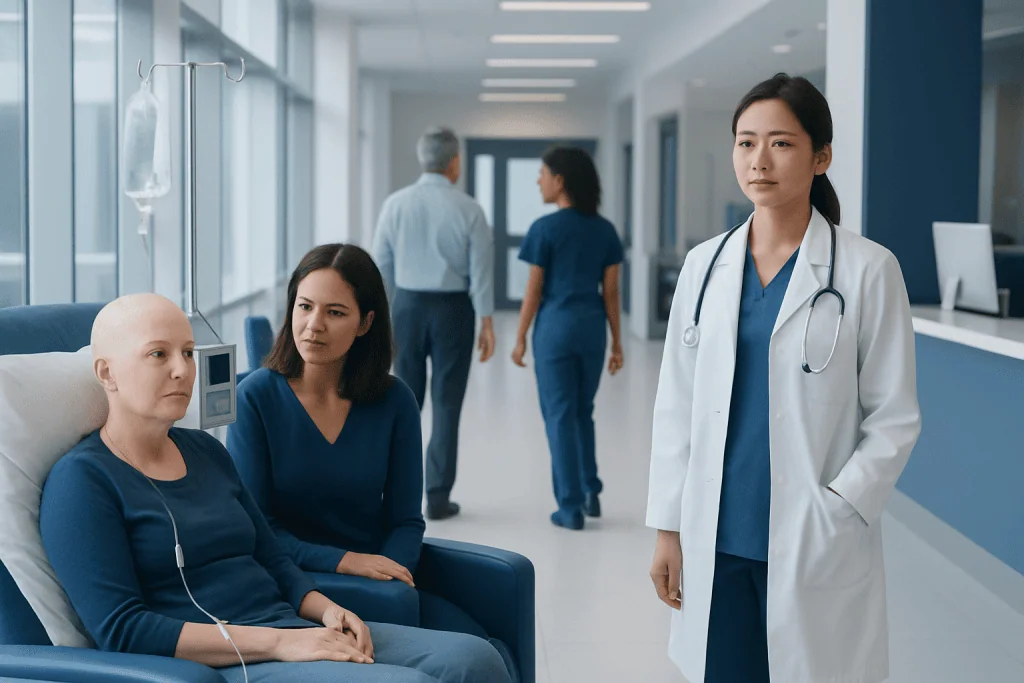
Chemotherapy is not needed for every breast cancer; treatment decisions are based on tumor features, stage, and individual health factors. It may be used before surgery to shrink a tumor, after surgery to reduce recurrence risk, or to control metastatic breast cancer.
Key Takeaways
- Chemotherapy is not needed for every breast cancer; treatment decisions are based on tumor features, stage, and individual health factors.
- It may be used before surgery to shrink a tumor, after surgery to reduce recurrence risk, or to control metastatic breast cancer.
- Treatment is delivered in cycles, allowing time for the body to recover between doses.
- Side effects vary and can often be prevented, monitored, or treated by the oncology team.
- Recovery includes physical healing, emotional support, follow-up care, and a gradual return to usual activities.
Chemotherapy for breast cancer uses medicines that travel through the bloodstream to destroy cancer cells or slow their growth. It may be given before surgery, after surgery, alongside other treatments, or for cancer that has spread, depending on the cancer’s biology and the person’s overall health.
Overview: How chemotherapy for breast cancer works
Chemotherapy for breast cancer uses anti-cancer medicines that circulate through the bloodstream. These medicines are designed to damage or stop the division of rapidly growing cells. Because cancer cells often grow and divide more quickly than many normal cells, chemotherapy can reduce the number of cancer cells throughout the body, including cells that may be too small to detect on scans.
For some people, chemotherapy is part of treatment with surgery, radiotherapy, hormone therapy, targeted therapy, or immunotherapy. The plan is individualized after the care team reviews the cancer type, its stage, hormone receptor and HER2 status, grade, genetic test results when appropriate, and the person’s medical history and preferences.
Breast cancer is not one single disease. Some tumors respond especially well to chemotherapy, while others are more likely to benefit from hormone-blocking or targeted medicines. A multidisciplinary discussion helps identify the combination and sequence of treatments most likely to be appropriate.
Who may benefit from chemotherapy?
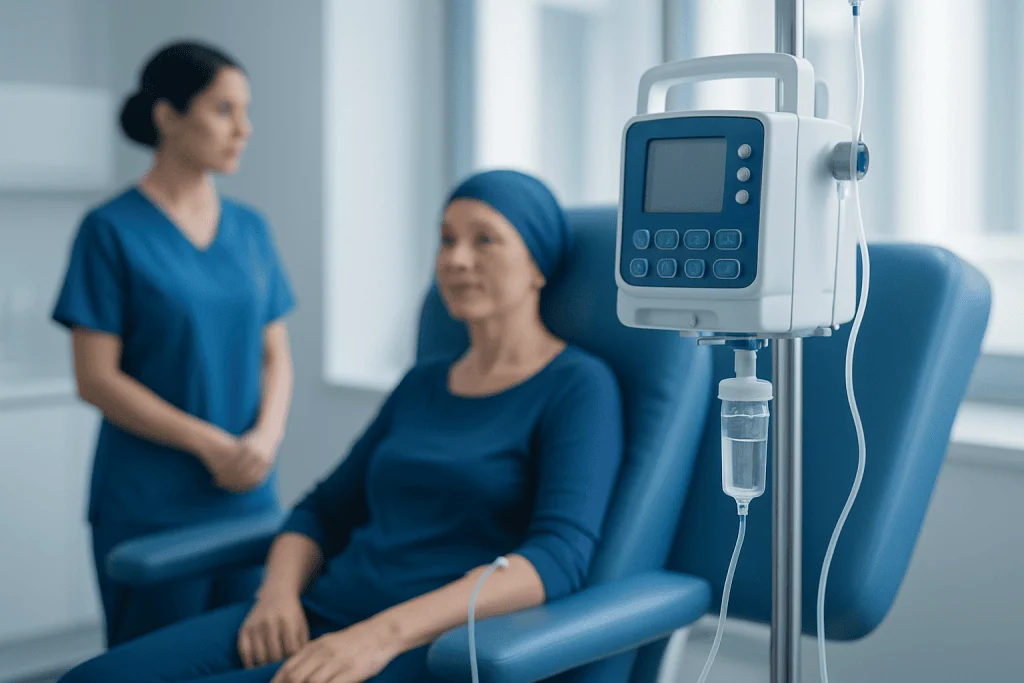
Doctors may recommend chemotherapy before surgery, known as neoadjuvant chemotherapy, to shrink a breast tumor and sometimes affected lymph nodes. This can make breast-conserving surgery more feasible and gives the team information about how the cancer responds to treatment. It is commonly considered for certain triple-negative and HER2-positive breast cancers, as well as some larger or locally advanced tumors.
When chemotherapy is given after surgery, it is called adjuvant chemotherapy. Its purpose is to lower the chance that cancer cells left elsewhere in the body could later grow. The expected benefit depends on the tumor’s characteristics and the person’s baseline risk of recurrence.
Chemotherapy can also be used when breast cancer has spread to distant organs, called metastatic breast cancer. In this setting, the aim may be to control cancer growth, relieve symptoms, and maintain quality of life. The treatment may change over time based on response, side effects, and newer test results.
For some hormone receptor-positive, HER2-negative early breast cancers, genomic tests on the tumor may help estimate whether chemotherapy is likely to add benefit to hormone therapy. These tests are not suitable for every person or every type of breast cancer.
What happens during treatment?
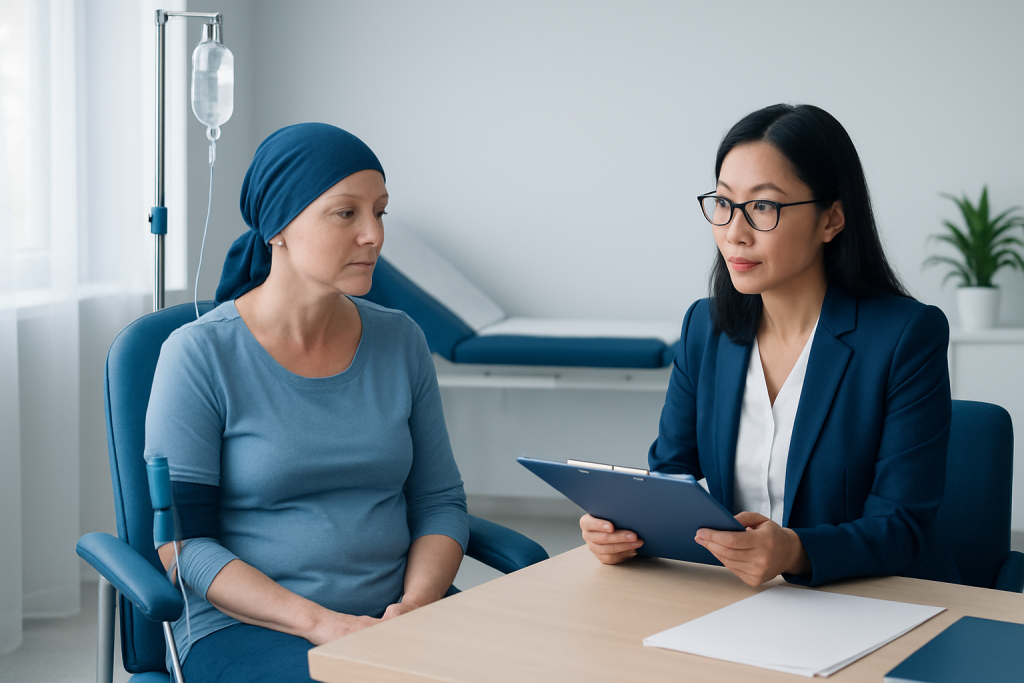
Before treatment begins, the oncology team confirms the diagnosis and treatment goals. Blood tests, heart assessment when indicated, imaging, fertility discussions, and a review of current medicines may be arranged. If intravenous chemotherapy will be repeated over several months, a small implanted device called a port may be considered to make blood draws and infusions easier.
Most chemotherapy is given through a vein in an outpatient infusion unit. Some medicines are tablets taken at home. A treatment cycle includes a day or days of treatment followed by a planned rest period. Cycles are often repeated over several months, but the exact schedule and number of cycles depend on the medicines and the treatment purpose.
On infusion days, patients typically have blood counts or other checks, meet with the oncology team, and receive medicines to reduce nausea or allergic reactions before chemotherapy. The infusion may take from a short period to several hours. Patients can usually go home the same day, although some regimens require different arrangements.
Throughout treatment, the team monitors symptoms, blood counts, organ function, and response. Dose timing or supportive medicines may be adjusted if side effects are significant. Breast cancer treatment often involves coordinated planning among medical oncologists, breast surgeons, radiation oncologists, pathologists, radiologists, nurses, and supportive-care professionals.
Benefits, risks, and common side effects
The potential benefit of chemotherapy depends on why it is being given. Before surgery, it may reduce tumor size and show whether the cancer is sensitive to treatment. After surgery, it may lower the likelihood of recurrence for people whose cancer features suggest a meaningful benefit. In metastatic disease, it can shrink or stabilize tumors and help manage cancer-related symptoms.
Side effects occur because chemotherapy can affect some healthy fast-growing cells, including cells in the hair follicles, digestive tract, and bone marrow. Common effects include tiredness, nausea, appetite or taste changes, hair thinning or loss, mouth soreness, constipation or diarrhea, skin or nail changes, and a lower blood-cell count. The pattern varies widely by medication and person.
A lower white blood-cell count can raise the risk of infection. Some treatments can also cause nerve symptoms such as tingling or numbness in the hands and feet, menstrual changes, early menopause, fertility concerns, heart effects, or other less common complications. The oncology team explains the risks associated with the specific regimen and offers preventive care, monitoring, and symptom management.
Patients should report new or worsening symptoms promptly rather than trying to manage severe symptoms alone. It is important not to stop, delay, or change prescribed cancer treatment without discussing it with the oncology team, as many problems can be addressed safely.
Recovery timeline and supportive care
Recovery during chemotherapy is usually gradual and differs from one cycle to the next. Some people feel well enough for many routine activities, while others need more rest or practical support. Fatigue can build over time and may continue for weeks or months after the last treatment. Blood counts often recover between cycles, but timing depends on the regimen and individual health.
Supportive care is an important part of treatment. This can include anti-nausea medicine, infection-risk guidance, nutrition support, pain or neuropathy management, mental health care, rehabilitation, and help with sleep. Gentle movement, when approved by the care team, can support energy, strength, mood, and sleep quality.
Hair commonly begins to regrow after chemotherapy ends, although texture or color can temporarily differ. Menstrual periods may return after treatment for some people, but this is not predictable and depends on age and the medicines used. Anyone who may want children in the future should raise fertility preservation before chemotherapy starts, because some options need to be arranged quickly.
Follow-up visits continue after active treatment. They focus on recovery, surveillance for recurrence, long-term treatment effects, breast health, and emotional well-being. An individualized survivorship plan can clarify who to contact, which symptoms need attention, and what follow-up testing is recommended.
What not to do when you have breast cancer?
People with breast cancer should avoid delaying evaluation or treatment decisions because of unverified information, fear, or pressure to pursue a particular approach. It is also important not to replace evidence-based cancer care with supplements, restrictive diets, or alternative therapies that claim to cure cancer. Some products can interact with chemotherapy, anesthesia, hormone therapy, or blood-thinning medicines.
During chemotherapy, patients should not start vitamins, herbal products, or over-the-counter medicines without checking with their oncology team. They should also avoid exposure to people with contagious illnesses when blood counts are low and follow food-safety guidance provided by their clinicians. Alcohol, smoking, and vaping should be discussed openly, as reducing or stopping these can support general health and treatment tolerance.
There is no need to face breast cancer alone. Asking questions, bringing a trusted person to appointments, and seeking psychological or practical support are appropriate parts of care. A person may also request a second medical opinion if it would help them understand their choices.
Does breast cancer change your life?
Breast cancer can affect daily routines, work, family roles, body image, finances, relationships, and emotional health. The degree of change varies greatly. Some changes are temporary and related to surgery or treatment, while others, such as ongoing hormone therapy, lymphedema risk management, or follow-up care, may become part of long-term life.
Many people find that their priorities and sense of normal change over time. Feelings such as uncertainty, sadness, anger, worry, or relief can all occur, including after treatment ends. Support from family, cancer nurses, counselors, support groups, social workers, and rehabilitation specialists can make these adjustments more manageable.
Physical activity, balanced eating, sleep routines, and gradual return to meaningful activities may help restore confidence and function. However, recovery is not a test of willpower. Each person’s pace and needs are valid, and additional help should be sought when symptoms or emotions interfere with daily living.
What is the best way to recover from breast cancer?
The best recovery plan is individualized and combines medical follow-up with supportive care. Attending scheduled visits, taking prescribed medicines as directed, reporting persistent symptoms, and following guidance about screening and imaging are central steps. Recovery also includes managing treatment effects, rebuilding strength, and caring for mental health.
A realistic approach is usually more helpful than trying to return immediately to pre-cancer routines. Regular gentle activity, adequate protein and fluids, a varied diet, sleep support, and pacing of responsibilities can be useful. A doctor, physiotherapist, dietitian, or occupational therapist can provide tailored advice, especially after surgery or when fatigue, nerve symptoms, or arm swelling are present.
At Acibadem International, multidisciplinary specialists in JCI-accredited hospitals support international patients with coordinated breast cancer diagnosis, treatment, and follow-up care. Patients should discuss their individual recovery goals and concerns with a qualified oncology team.
Do you ever feel normal after breast cancer? When to seek medical care
Many people do feel well and return to activities they value after breast cancer, but “normal” may take on a different meaning. Physical recovery and emotional adjustment often happen in stages, and concern about recurrence may come and go. Ongoing support, clear follow-up plans, and honest communication with clinicians can help people feel more secure over time.
During chemotherapy, urgent medical advice is needed for a fever or chills, shortness of breath, chest pain, confusion, uncontrolled vomiting or diarrhea, sudden severe pain, unusual bleeding, signs of an allergic reaction, or inability to drink enough fluids. The oncology team should provide a direct contact number and specific instructions for urgent symptoms, including what temperature requires immediate assessment.
Outside of urgent situations, patients should contact their doctor about a new breast or chest-wall lump, persistent bone pain, ongoing cough or breathlessness, unexplained weight loss, severe fatigue, arm swelling, or symptoms that are new, worsening, or concerning. These symptoms can have many causes, but timely assessment is important.
Frequently asked questions
How long does chemotherapy for breast cancer usually last?
The total duration depends on the medicines used, the cancer subtype, and whether chemotherapy is given before or after surgery. Many treatment plans last several months and are delivered in cycles with rest periods between treatments. The oncology team can explain the expected schedule and how it may change if side effects occur.
Will everyone with breast cancer need chemotherapy?
No. Chemotherapy is not recommended for every breast cancer. The decision is based on factors such as tumor size, lymph-node involvement, grade, hormone receptor and HER2 status, genomic testing when appropriate, and the person’s general health.
Can I work during breast cancer chemotherapy?
Some people continue working during treatment, sometimes with reduced hours or adjustments, while others need time away. Energy levels and side effects can vary between cycles and among treatment regimens. Discussing work demands with the care team can help with planning and obtaining necessary documentation.
How can chemotherapy side effects be managed?
The oncology team can prescribe medicines for nausea, help lower infection risk, and advise on fatigue, mouth care, bowel changes, pain, and nerve symptoms. Early reporting is important because side effects are often easier to manage before they become severe. Patients should check before using supplements or non-prescription remedies.
Can chemotherapy affect fertility?
Some chemotherapy medicines can affect ovarian or testicular function and may reduce fertility temporarily or permanently. The risk depends on age, existing fertility, and the treatment regimen. Anyone considering future pregnancy or parenthood should ask about fertility preservation before treatment begins.
What happens after chemotherapy ends?
After chemotherapy, patients may still need surgery, radiotherapy, hormone therapy, targeted therapy, or immunotherapy, depending on their treatment plan. Follow-up appointments monitor recovery and address late effects or new symptoms. Recovery can continue for months, and emotional support remains valuable after active treatment ends.
References
- National Cancer Institute
- American Cancer Society
- American Society of Clinical Oncology
- European Society for Medical Oncology
- World Health Organization
This article is for general information only and is not a substitute for professional medical advice. Please consult a qualified doctor about your individual situation.
Breast Cancer in Turkey — costs, top hospitals & a free quote
JCI-accredited · board-certified surgeons · reply within 24h
Add us as a Preferred Source to see more of our trusted health content across Google Search, AI Overviews and Discover.

Medical Oncology Department
Medical treatment of cancer with chemotherapy, immunotherapy and targeted therapies under a multidisciplinary tumor board.
60 specialists in this unitMore from the Health Library



Related Specialists

Prof. Dr. Özgüç Takmaz
Gynecology & Obstetrics
Dr. Nilgün Çavdar
Physical Medicine & Rehabilitation
Prof. Dr. Denizhan Dizdar
Otorhinolaryngology
Psk. Deniz Keskin
Psychology