Lymph Node Swelling Treatment: How It Works, Results and What to Expect

Most swollen lymph nodes are a temporary immune response to nearby infection or inflammation. Treatment may involve watchful waiting, treating an infection or inflammatory condition, or investigating the node when the cause is unclear.
Key Takeaways
- Most swollen lymph nodes are a temporary immune response to nearby infection or inflammation.
- Treatment may involve watchful waiting, treating an infection or inflammatory condition, or investigating the node when the cause is unclear.
- A lymph node biopsy or removal is usually considered when imaging, examination or symptoms suggest further assessment is needed.
- Recovery after lymph node surgery varies with the location and extent of surgery; discomfort is usually managed with a tailored pain-relief plan.
- Prompt medical review is important for a node that is enlarging, hard, fixed, persistent, or accompanied by unexplained systemic symptoms.
Lymph node swelling treatment is guided by the underlying cause, not by the swelling alone. Many enlarged nodes settle as an infection improves, while persistent or concerning swelling may need blood tests, imaging, a biopsy or, less often, surgical removal.
Lymph Node Swelling Treatment: How It Works
Lymph node swelling treatment starts with identifying why a node is enlarged. Lymph nodes are small immune-system structures found in clusters, commonly in the neck, underarms and groin. They can become larger when they filter germs, respond to inflammation or, less commonly, are affected by cancer.
For many people, treatment is observation and supportive care while a short-lived infection resolves. If a bacterial infection is confirmed or strongly suspected, a clinician may recommend an appropriate antibiotic. Other causes, such as viral illness, autoimmune disease, medication reactions or cancer, require treatment directed at that specific condition rather than treatment aimed simply at making the node smaller.
When swelling does not improve as expected or has concerning features, clinicians may investigate it with an examination, blood tests, imaging and sometimes a biopsy. This approach helps avoid unnecessary treatment while ensuring important causes are not missed.
How Long Does It Take for a Swollen Lymph Node to Heal?
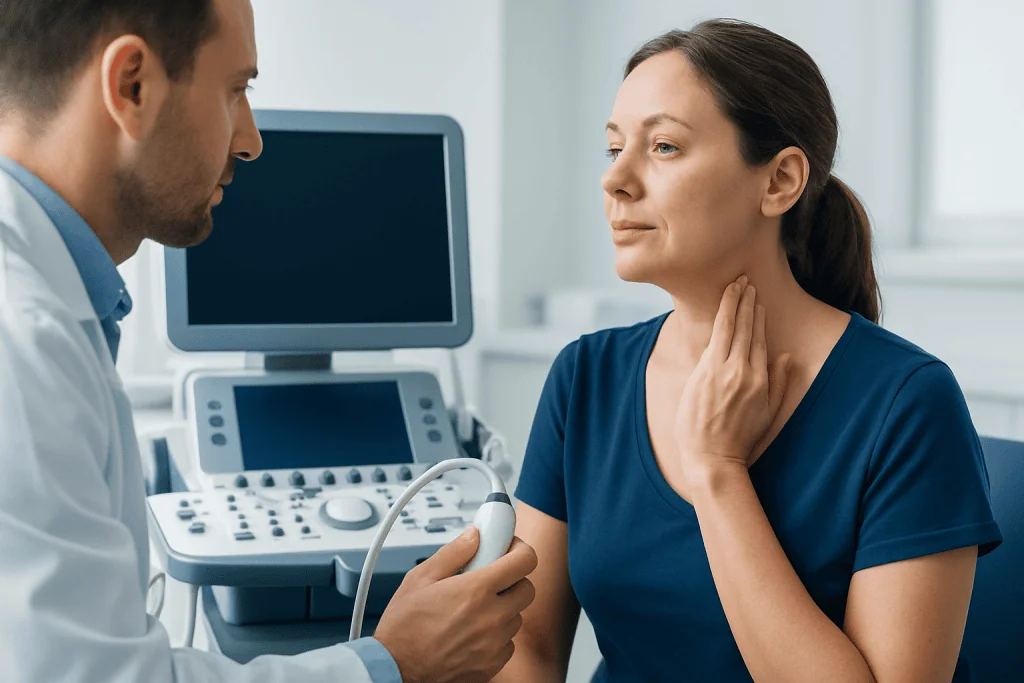
A swollen lymph node related to a mild infection often begins to reduce over days to a few weeks as the illness improves. Some nodes remain slightly enlarged or firm for longer, particularly after a significant throat, dental, skin or respiratory infection. The timeline depends on the cause, the location of the node and the person’s overall health.
A node that persists beyond several weeks, continues to grow, or returns repeatedly should be assessed by a qualified clinician. Persistence does not automatically mean a serious condition is present, but it may indicate that the original trigger remains active or that further testing is appropriate.
People should avoid repeatedly pressing or checking a swollen node, as this can irritate the area and make it feel more tender. Rest, hydration and managing the underlying illness as advised can support recovery.
Does a Swollen Lymph Node Mean You're Getting Better?
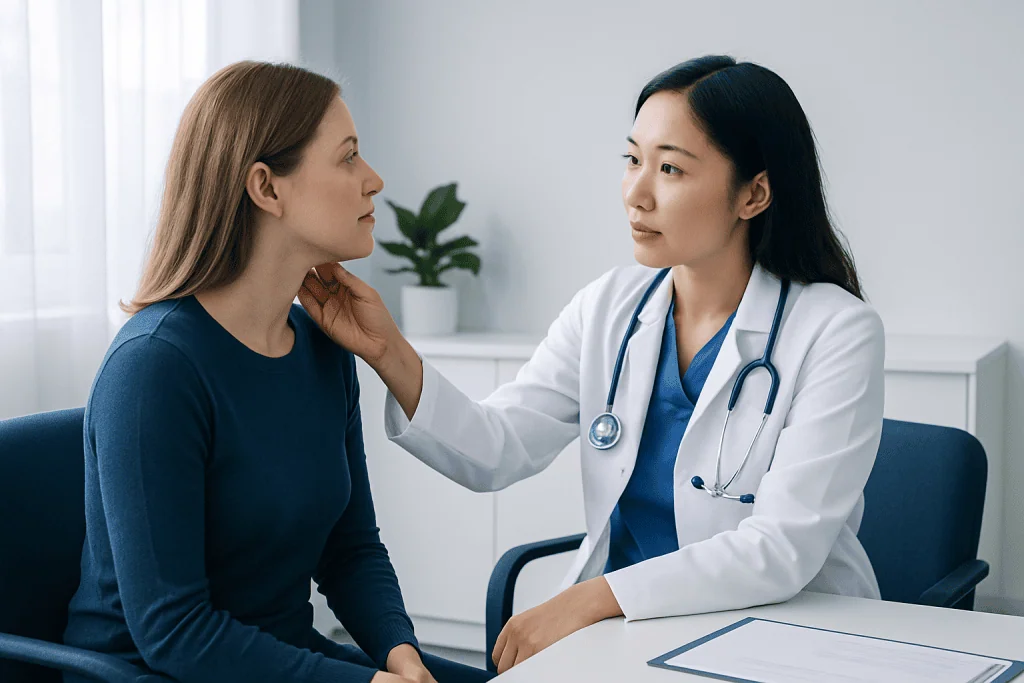
A swollen lymph node can be a sign that the immune system is responding to an infection, but it does not by itself confirm that someone is getting better. Nodes may enlarge early in an illness, stay enlarged while the body recovers and slowly shrink after other symptoms have resolved.
Improvement is better judged by the overall picture: fever settling, pain reducing, energy returning, and the original infection or inflammation improving. A lymph node that is becoming less tender and gradually smaller can be reassuring, but it is still sensible to seek advice if it remains enlarged or changes in a concerning way.
Symptoms in the area drained by the node may offer useful clues. For example, neck nodes may react to throat, ear or dental problems, while underarm nodes may respond to infections or inflammation in the arm, chest or breast area.
Assessment and Candidacy for Further Treatment
A clinician will usually ask when the swelling began, whether it is painful, whether it changes over time, and whether there have been recent infections, injuries, vaccinations, travel, medicines or contact with animals. The examination includes checking the size, texture, mobility and location of the node, along with nearby areas of the body that may contain an infection or inflammation.
Further assessment may be appropriate when a node is unexplained, enlarging, hard, fixed to surrounding tissue, present in certain locations such as above the collarbone, or accompanied by symptoms such as persistent fever, drenching night sweats or unintentional weight loss. Blood tests can look for infection or inflammation, while ultrasound, CT, MRI or PET imaging may be used in selected situations.
People may be candidates for a needle biopsy, core biopsy or surgical excision biopsy when examination and imaging do not provide a clear explanation. A biopsy can help distinguish reactive changes from infection, inflammatory disease or cancer and can guide the next stage of care.
Step by Step: Biopsy and Lymph Node Removal
If a biopsy is recommended, the team first explains the reason for the test, possible alternatives and what the result may mean. A needle biopsy takes samples through the skin, often with ultrasound or CT guidance. It may be performed using local anaesthetic and usually allows the person to go home the same day.
For an excision biopsy, a surgeon removes all or part of a lymph node so it can be examined in detail by a pathologist. Depending on the node’s location and the planned procedure, this may be done with local anaesthetic, sedation or general anaesthetic. The surgeon makes a small incision, removes the selected tissue and closes the wound with stitches, adhesive strips or skin glue.
Lymph node removal can also be part of cancer staging or treatment, rather than a test alone. The extent of surgery varies greatly: removing one suspicious node is different from removing a group of nodes in the neck, armpit or groin. The care team will explain the purpose of the procedure and whether less invasive options are suitable.
At Acibadem International, multidisciplinary specialists at JCI-accredited hospitals can assess unexplained lymph node swelling and coordinate imaging, pathology and surgical care for international patients when needed.
How Painful Is Lymph Node Removal?
Lymph node removal is performed with anaesthesia, so pain should not be felt during the operation. Afterwards, many people experience soreness, tightness, bruising or numbness around the incision. The degree of discomfort depends on the location of the node, how many nodes are removed and whether the procedure is combined with another operation.
Healthcare teams commonly use a personalised pain-management plan that may include simple pain medicines and practical measures such as rest and protecting the incision. Most discomfort improves steadily during the first days to weeks, although altered sensation can last longer in some people.
It is important to contact the surgical team for increasing pain, spreading redness, drainage, fever, significant swelling or any symptom that feels unexpected. Early review can identify issues such as infection, bleeding or fluid collection and help provide timely treatment.
Recovery Timeline, Benefits and Risks
After a needle biopsy, people can often resume gentle daily activities quickly, while avoiding strenuous activity for the period advised by the clinician. After surgical node removal, recovery can range from a few days for a small superficial procedure to several weeks for more extensive surgery. Wound-care instructions, activity limits and follow-up appointments should be followed carefully.
The main benefit of biopsy or removal is diagnostic clarity. Accurate pathology may identify an infection, benign immune reaction, inflammatory disorder or cancer, allowing treatment to be planned appropriately. When lymph nodes are removed as part of cancer treatment, surgery may also contribute to staging or local disease control.
Possible risks include bleeding, infection, scarring, numbness, nerve irritation, delayed healing and fluid accumulation. Removing multiple nodes can interfere with normal lymph drainage and may lead to lymphoedema, especially after surgery in the armpit or groin. The individual risk depends on the site and extent of surgery, and the surgeon can discuss ways to reduce it.
- Keep the wound clean and dry as directed.
- Attend follow-up appointments to review healing and pathology results.
- Gradually return to exercise only when the clinical team advises it is safe.
- Report new limb heaviness, persistent swelling or tightness after extensive node surgery.
How to Tell if It's a Swollen Lymph Node or Cancer?
It is not possible to tell with certainty from touch alone whether a swollen lymph node is due to cancer. Most enlarged nodes are caused by infection or inflammation, especially when they are tender and appear alongside symptoms such as a sore throat, cough, skin infection or dental problem. However, the appearance and feel of a node cannot replace medical assessment.
Features that deserve clinical review include a node that is growing, remains enlarged without a clear cause, feels hard or fixed, occurs above the collarbone, or is associated with unexplained weight loss, persistent fever, drenching night sweats or ongoing fatigue. These features can have different causes and do not establish a diagnosis.
Medical assessment may include examination, blood tests and imaging, followed by a biopsy if needed. A pathology result is the most reliable way to determine whether cancer cells are present. Seeking assessment early provides clarity and, if treatment is needed, helps the care team plan it appropriately.
When to Seek Medical Care
Medical advice is appropriate for any lymph node swelling that is unexplained, persistent, increasing in size or worrying to the individual. A clinician should also review nodes that are hard, immobile, larger than expected, located above the collarbone, or associated with a lump elsewhere in the body.
Urgent assessment is important if swollen nodes occur with difficulty breathing or swallowing, severe illness, rapidly spreading redness, high fever, or signs of a serious infection. People with a weakened immune system, a history of cancer or ongoing cancer treatment should contact their healthcare team promptly about new lymph node swelling.
Self-care should not replace assessment when symptoms persist. A doctor can determine whether reassurance and monitoring are appropriate or whether testing and targeted lymph node swelling treatment are needed.
Frequently asked questions
What is the best lymph node swelling treatment?
The best treatment depends on the cause of the swelling. Many cases need only monitoring while an infection settles, whereas bacterial infections, inflammatory conditions and cancer require cause-specific treatment. A clinician can assess whether tests or a biopsy are needed.
Can antibiotics make swollen lymph nodes go away?
Antibiotics may help when swelling is caused by a bacterial infection that requires antibiotic treatment. They do not treat viral infections and should not be used without medical guidance. Even after an infection improves, a node can take time to shrink.
When is a lymph node biopsy needed?
A biopsy may be advised when the cause remains unclear after examination and initial tests, or when the node has concerning features. It can provide a tissue sample for laboratory analysis and help guide treatment. The clinician will discuss the most suitable biopsy method.
Can swollen lymph nodes be treated at home?
If swelling occurs with a mild, clearly improving infection, rest, fluids and symptom relief may be appropriate alongside medical advice. Home treatment should not delay evaluation for persistent, growing or unexplained nodes. Avoid squeezing or repeatedly checking the swollen area.
How long is recovery after lymph node removal?
Recovery depends on the type and location of surgery. A small biopsy may allow a return to light activities within days, while removal of several nodes can require a longer recovery period. The surgical team provides individual wound-care and activity guidance.
Can lymph node swelling come back after treatment?
Yes. Nodes may enlarge again if there is another infection, inflammation or recurrence of the underlying condition. Recurrent swelling should be reviewed, especially if it occurs without a clear trigger or is accompanied by other symptoms.
References
- National Cancer Institute
- American Cancer Society
- National Health Service
- Mayo Clinic
- World Health Organization
This article is for general information only and is not a substitute for professional medical advice. Please consult a qualified doctor about your individual situation.
Oncology care in Turkey — second opinion and treatment plan
JCI-accredited · board-certified surgeons · reply within 24h
Add us as a Preferred Source to see more of our trusted health content across Google Search, AI Overviews and Discover.

More from the Health Library



Related Specialists

Prof. Dr. Kübra Eren Bozdağ
Dermatology
Dr. Kutay Çolakoğlu
Anesthesiology
Prof. Dr. Yılmaz Büyükuncu
General Surgery
Asst. Prof. Dr. Harika Bodur Öztürk
Gynecology & Obstetrics