

Medication Rules for Traveling to Turkey

You can usually bring prescription medicine to Turkey for personal use if it stays in its original labelled packaging and you carry a prescription plus a doctor letter. Keep essential medicines in your carry-on, bring your trip supply plus a small buffer, and check the rules early for controlled medicines such as strong painkillers, sedatives or stimulants.
Wondering whether your daily tablets, insulin pens or pain medicine will make it through the airport without trouble? If you rely on medication, a little preparation helps you travel to Turkey with confidence.
This guide explains how to pack, document and manage your medicines before, during and after your journey.
At a glance
- Best packing method: Keep medicines in original packaging with labels visible
- Documents to carry: Prescription, doctor letter and medication list
- Where to pack: Essential medicines in your carry-on bag
- Controlled medicines: Check rules before travel and bring supporting documents
- Patient support: Acibadem International can help coordinate medical information and interpreter support
Why medication planning matters before you fly
When you travel to Turkey for treatment, consultation or recovery, your regular medicines are part of your care plan. They may affect anesthesia, imaging, laboratory tests, surgery timing, blood pressure, blood sugar or how you feel during travel. Planning ahead helps your medical team understand what you already take and helps you avoid missed doses while moving between airports, hotels and hospital appointments.
Medication rules are also a border and airline matter. Most routine prescription and over-the-counter medicines can usually be carried for personal use when properly packed and documented, but some medicines need extra attention. This is especially true for controlled medicines, strong pain medicines, sleeping tablets, anti-anxiety medicines, stimulant medicines, certain psychiatric medicines and injections with needles or cooling requirements.
Because rules can change, you should check current guidance before you travel. Use official sources whenever possible, such as your airline, the Turkish embassy or consulate in your country, and your prescribing doctor. If you are coming to Acibadem International, your patient services contact can help you prepare a clear medication list and share relevant information with your care team, but they cannot replace official customs or legal advice.
What to bring for prescription medicines
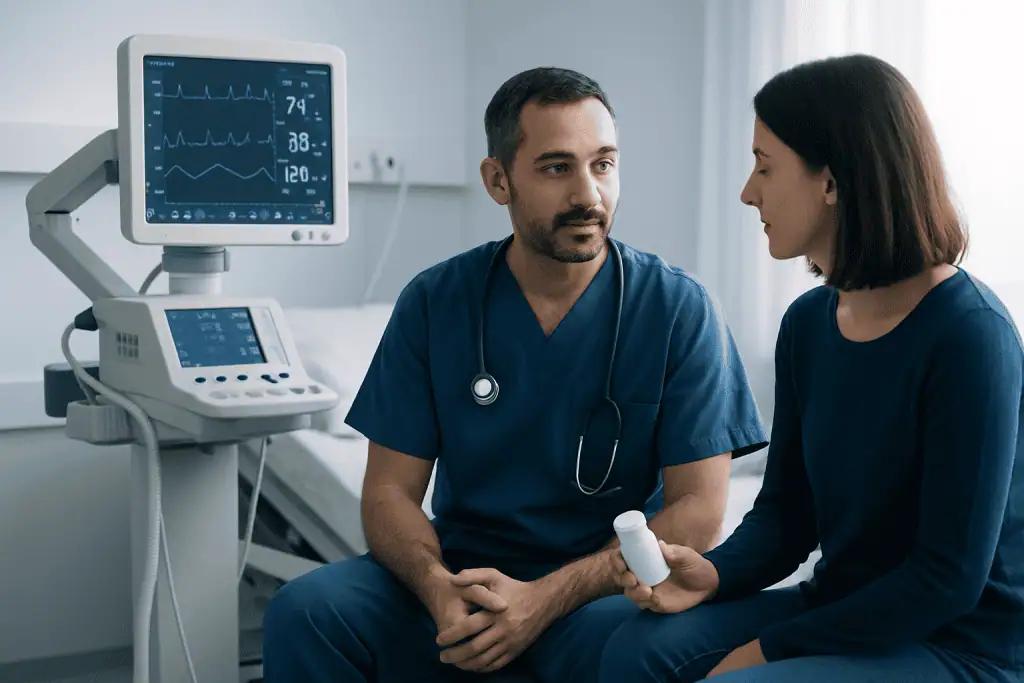
Bring enough medication for your planned stay in Turkey, plus a small extra supply in case of flight delays, appointment changes or recovery needs. A practical approach is to carry the amount needed for your trip and a reasonable buffer, rather than packing large quantities that may look inconsistent with personal use. If your treatment plan may change after consultation, ask your doctor at home what to do if a dose needs to be paused or adjusted.
Keep medicines in their original pharmacy packaging whenever possible. The label should show your name, the medicine name, strength, dosage instructions and prescribing doctor or pharmacy details. If you use a pill organizer, fill it after arrival or carry it together with the original packages so airport staff and clinicians can identify the medicine accurately.
You should also carry a written prescription and a doctor letter, especially if you take medicines every day or use injectable medicines. The letter should ideally include your diagnosis or reason for treatment, generic medicine names, doses, how often you take them and whether you need needles, syringes, a cooling device or medical equipment. If the document is not in English or Turkish, consider bringing a simple translation.
Controlled medicines and higher-risk items

Controlled medicines require the most careful preparation. These may include opioid pain medicines, medicines used for ADHD, some sedatives, some sleep medicines, anti-anxiety medicines, certain epilepsy medicines and some psychiatric medicines. The exact classification can vary by country, so do not assume that a medicine allowed at home will be treated the same way when entering another country.
Before travel, confirm whether your medicine is restricted in Turkey and whether special documentation is needed. Your prescribing doctor can provide a formal letter, but you may also need to check with official Turkish authorities or a Turkish embassy or consulate. Carry these medicines in the smallest reasonable personal-use quantity and keep them in their original packaging with your name clearly visible.
Do not carry medication for another person unless you are legally responsible for their care and have their documents as well. Do not bring medicines with missing labels, loose tablets in unmarked bags, or products purchased online without clear ingredients. If a medicine is essential and you are unsure about the rules, ask early so there is time to discuss alternatives with your prescribing doctor before departure.
Packing your medicines for the airport and flight
Your essential medicines should travel in your carry-on bag, not only in checked luggage. Checked bags can be delayed, lost or exposed to temperature changes. Keep at least several days of critical medicine with you, including items for diabetes, heart conditions, asthma, epilepsy, blood pressure, blood thinners, transplant care, hormone therapy or any medicine that should not be interrupted.
Airport security rules may affect liquids, gels, creams, aerosols, injections, ice packs and medical devices. If you need liquid medication above standard cabin limits, bring documentation and keep it separate for screening. For needles, syringes, insulin pens or injectable treatments, carry the prescription or doctor letter that explains medical need.
For temperature-sensitive medicines, use an appropriate insulated travel pouch and follow the storage instructions from your pharmacist or manufacturer. Do not place medicine directly against frozen gel packs unless the product is meant to be frozen, as this can damage some medications. During your stay, check that your hotel room or accommodation has safe storage, and ask your care coordinator if you need help identifying refrigeration options.
Sharing your medication list with your hospital team
Once you arrive for medical care, your medication list becomes part of your safety information. Bring a complete list to every consultation, including prescription medicines, over-the-counter medicines, herbal products, vitamins, supplements, eye drops, inhalers, patches, injections and medicines you take only as needed. Include the dose, timing and the reason you take each one.
This matters because some medicines may need to be continued, paused or adjusted before procedures. Blood thinners, diabetes medicines, blood pressure medicines, immune suppressants, steroids and supplements such as fish oil, ginkgo, garlic or St. John’s wort can be especially important to discuss. Never stop a prescribed medicine on your own unless your doctor has told you to do so.
At Acibadem International’s JCI-accredited hospitals, multidisciplinary teams review patient information to support safe planning. International patient services can help with interpreter support during appointments, so you can explain your usual medication routine clearly and ask questions in your preferred language. If possible, send your medication list before travel so the team can flag questions early.
Buying or replacing medicine in Turkey
If you run out of medicine, lose a package or need a replacement, speak with a doctor or pharmacist before buying a substitute. Brand names differ between countries, and the same brand name may not always mean the same formulation. The generic name, strength and dosage form are the safest way to compare medicines.
Turkey has pharmacies, known as eczane, and many common medicines are available through licensed pharmacies. However, availability, prescription requirements and equivalent formulations can vary. Some medicines used in your home country may not be available in Turkey, or they may be available under a different name or strength.
If you are under the care of Acibadem International during your visit, ask your care team before changing or replacing any regular medicine. They can review your current treatment plan, help identify the active ingredient and advise whether a local prescription or clinical review is needed. This is particularly important if you are preparing for surgery, chemotherapy, cardiac care, fertility treatment or any procedure involving anesthesia.
Step by step
- Make a complete medication list. Write down every medicine and supplement you take, including dose, strength, timing and reason. Use generic names as well as brand names, because generic names are easier for doctors and pharmacists in Turkey to recognize.
- Ask your prescribing doctor for travel documents. Request a prescription copy and a doctor letter before you leave. The letter should confirm that the medicines are for your personal medical use and should mention any needles, syringes, devices or cooling needs.
- Check controlled medicine rules early. If you take strong pain medicine, sedatives, stimulants or psychiatric medication, verify whether extra rules apply. Contact official sources before travel, because airline and border requirements can change.
- Pack medicines in original containers. Keep pharmacy labels visible and avoid loose tablets in unmarked containers. If you use a pill box, carry the original packages too, especially during the flight and at your first medical appointment.
- Keep essentials in your carry-on. Carry critical medicines, prescriptions and medical letters with you in the cabin. Do not rely only on checked luggage, as delays can happen even on well-planned trips.
- Plan for temperature and time zones. Ask your doctor or pharmacist how to adjust dose timing for the flight and time difference. For refrigerated medicines, use a suitable travel cooler and confirm safe storage at your accommodation.
- Review medicines with your Turkish care team. Show your medication list during your first appointment and before any procedure. Your doctors can advise which medicines to continue, pause or adjust based on your care plan.
Your checklist
- Original medicine packaging with your name on the label
- Copy of each prescription
- Doctor letter explaining your medical need and doses
- Generic names and brand names of all medicines
- Reasonable personal-use supply plus a small delay buffer
- Carry-on pouch for essential medicines
- Cooling pouch or insulated container if needed
- Documents for needles, syringes, injectables or devices
- Translated medication list if your documents are not in English or Turkish
- Acibadem International appointment details and patient services contact
Key takeaways
- Bring medicines for personal use in original packaging, with prescriptions and a doctor letter.
- Controlled medicines may need extra checks before travel, so confirm requirements early.
- Keep essential medicines in your carry-on bag, not only in checked luggage.
- Share a complete medication and supplement list with your hospital team before procedures.
- If you need a replacement in Turkey, use the generic name and consult a doctor or pharmacist first.
Frequently asked questions
Can I bring prescription medication to Turkey?
In many cases, travelers can bring prescription medication for personal use when it is properly documented and kept in original packaging. You should carry a prescription and ideally a doctor letter that explains your medical need. For controlled or high-risk medicines, check current rules with official sources before travel.
How much medication should I bring?
Bring enough for your planned stay and a small extra amount in case of delays or schedule changes. Avoid bringing unusually large quantities unless there is a clear medical reason and documentation. If you expect a longer recovery in Turkey, discuss this with your doctor before you travel.
Do my prescriptions need to be translated into Turkish?
A Turkish translation is not always required for routine situations, but it can be helpful. At minimum, your documents should clearly show generic medicine names, doses and your name. If your documents are in a language not commonly understood internationally, consider bringing an English or Turkish translation.
Can I bring insulin, syringes or injectable medication?
You can often travel with injectable medication when it is for personal medical use, but you should carry a prescription or doctor letter explaining the need for needles, syringes or pens. Keep these items in your carry-on and follow airline security instructions. Ask your pharmacist how to maintain the correct temperature during the journey.
What if my medicine is lost or I run out in Turkey?
Contact your doctor, your hospital team or a licensed pharmacy rather than choosing a substitute on your own. Medicine names and strengths may differ from your home country. If you are being treated at Acibadem International, your care team can help review the active ingredient and advise on safe next steps.
Should I stop blood thinners or diabetes medicine before treatment?
Do not stop these medicines without medical advice. Blood thinners, diabetes medicines and some heart or blood pressure medicines require careful planning before procedures. Your Turkish medical team will advise based on your treatment, test results and overall health.
Can Acibadem International help me with medication questions before arrival?
Acibadem International can help you organize your medical information, share your medication list with the relevant team and arrange interpreter support for appointments. They can also guide you on what medical documents are useful to bring. For official customs or import rules, you should still confirm requirements with the appropriate authorities.
Add us as a Preferred Source to see more of our trusted health content across Google Search, AI Overviews and Discover.

References (2)
- CDC Travelers' Health: Travel and Medicines — wwwnc.cdc.gov
- MedlinePlus: Traveling with Medicines — medlineplus.gov
More Patient Guides

Medical Check-In at Istanbul Airport for Patients: What to Expect
Medical check-in at Istanbul Airport for patients: practical arrival, transfer, documents and support guidance for your Turkey treatment trip.
8 min read
Hospital Check-In in Turkey: Documents International Patients Should Bring
Hospital check-in in Turkey is smoother when you bring your passport, medical records, test results, payment documents and travel details.
8 min read
Mobile Internet and SIM Cards in Turkey for International Patients
Mobile internet and SIM cards in Turkey: practical options for international patients, including eSIMs, local SIMs, registration and hospital connectivity.
8 min read
Airport Arrival After an Overnight Flight: How to Pace Your First Medical Day
Airport arrival after an overnight flight: pace your first medical day in Istanbul with rest, hydration, transport planning and clear check-in steps.
8 min read