

Hormone Replacement for Low Libido: Procedure, Recovery and Results

Low libido is common and usually has more than one possible cause. Menopausal hormone therapy can improve vaginal dryness and painful sex, which may indirectly improve desire.
Key Takeaways
- Low libido is common and usually has more than one possible cause.
- Menopausal hormone therapy can improve vaginal dryness and painful sex, which may indirectly improve desire.
- Systemic hormone therapy is not prescribed solely to increase libido for everyone.
- Testosterone may be considered for carefully selected postmenopausal women with persistent low desire after assessment.
- Benefits, risks, treatment type, and follow-up needs depend on the individual’s medical history.
Hormone replacement for low libido may improve sexual comfort and desire when symptoms are linked to menopause or another confirmed hormone-related condition. It is not a universal solution: a clinician should assess physical, emotional, relationship, medication, and health factors before recommending treatment.
Overview: hormone replacement for low libido
Hormone replacement for low libido can be helpful when a fall in estrogen around menopause causes vaginal dryness, discomfort during sex, sleep disruption, or hot flashes that affect intimacy. Hormone therapy may improve these symptoms and, for some people, this can support a return of sexual interest. It does not reliably restore libido when low desire is mainly related to stress, depression, relationship concerns, medication effects, chronic illness, or other factors.
Low libido means a persistent reduction in sexual thoughts, interest, or responsiveness that is personally distressing. Desire naturally changes throughout life, and there is no single “normal” level. The useful question is whether the change is unwanted, lasts over time, and affects wellbeing or relationships.
In women, menopause-related estrogen changes can alter the vaginal and urinary tissues, contributing to the condition known as genitourinary syndrome of menopause. In men, low testosterone may contribute to reduced sexual desire, although testing and clinical assessment are essential because many other conditions can cause similar symptoms.
How hormone therapy may affect sexual desire
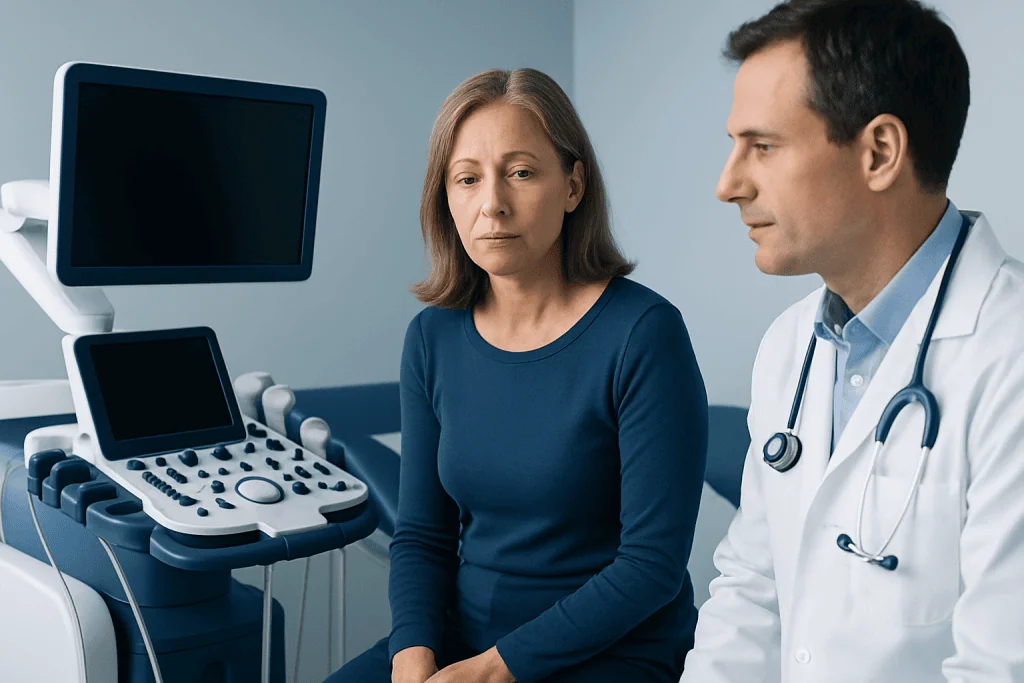
Estrogen therapy can be given locally to vaginal tissues or systemically through tablets, skin patches, gels, or sprays. Local vaginal estrogen mainly treats dryness, irritation, and pain with intercourse. Systemic menopausal hormone therapy is generally used for broader menopausal symptoms, such as troublesome hot flashes, and may also improve sleep and comfort during sex.
For postmenopausal women who have a diagnosed, distressing loss of sexual desire not explained by another cause, clinicians may consider transdermal testosterone in selected cases. This is different from standard estrogen-based menopausal hormone therapy. It requires specialist-led discussion, baseline assessment, and monitoring because testosterone products and approved indications vary between countries.
Hormones are only one part of sexual health. A thorough plan may also address lubrication or moisturizers, pelvic floor symptoms, body image, mood, communication with a partner, and management of medical conditions. When vaginal symptoms are prominent, menopause treatment may include both hormonal and non-hormonal options.
Who may be a candidate for treatment?

A clinician will first explore the timing and pattern of symptoms. Hormonal treatment may be considered when low libido started around menopause and occurs alongside hot flashes, sleep difficulties, vaginal dryness, burning, recurrent urinary symptoms, or pain during sex. A medical history, menstrual or menopause history, medication review, and discussion of sexual wellbeing help identify the likely contributors.
Evaluation may include a physical examination when appropriate and targeted blood tests. Hormone tests are not routinely needed to diagnose menopause in every midlife woman, but they may be helpful when symptoms occur at an unusual age, menstrual patterns are unclear, or another endocrine condition is suspected. Men with possible testosterone deficiency generally need properly timed repeat blood testing and assessment of symptoms before treatment is considered.
Hormone therapy is not suitable for everyone. Previous or active hormone-sensitive cancer, unexplained vaginal bleeding, a history of blood clots, stroke, certain liver conditions, or cardiovascular disease may change which options are appropriate. The clinician also considers whether a woman has a uterus, because systemic estrogen may need to be paired with a progestogen to protect the uterine lining.
- Persistent, personally distressing loss of desire
- Symptoms that suggest menopause-related vaginal or systemic changes
- No untreated medical or psychological cause that better explains the change
- A treatment choice made after discussing individual risks, benefits, and alternatives
The procedure: starting hormone replacement therapy step by step
Hormone replacement therapy is usually an outpatient medical treatment rather than an operation. The process begins with a consultation, during which the clinician reviews symptoms, medical conditions, family history, medicines, contraceptive needs, and personal treatment goals. They may also discuss pregnancy possibility, menopause status, and screening that is appropriate for the person’s age and history.
Next, the clinician helps select the treatment route and dose appropriate to the identified problem. Vaginal estrogen may be recommended when dryness and pain are the main concerns. Systemic estrogen, with progestogen when needed, may be considered for people with bothersome vasomotor menopausal symptoms as well. If testosterone is being considered for a postmenopausal woman with low desire, the specialist should first rule out other contributors and arrange ongoing monitoring.
Treatment is started with clear instructions for use and a plan for review. Follow-up commonly focuses on symptom change, side effects, blood pressure or other relevant health measures, and whether treatment remains appropriate. Any regimen should be adjusted only with a qualified clinician’s guidance; hormones bought online or used without medical supervision can be unsafe or ineffective.
Recovery timeline, expected benefits, and possible risks
There is no recovery period in the surgical sense after starting hormone therapy. Most people can continue normal activities immediately. If local vaginal estrogen is prescribed, improvements in dryness or discomfort may begin over several weeks, while tissue changes can continue to improve with regular use. Changes in desire may take longer and can be gradual because sexual wellbeing depends on multiple influences.
Potential benefits include less vaginal discomfort, better lubrication, fewer hot flashes, improved sleep, and improved sexual wellbeing for some patients. A person should not feel pressured to continue a treatment that does not meet their goals. Review appointments allow the care team to reassess whether symptoms are improving and whether another approach may be more useful.
Risks depend on the type, route, dose, duration, and individual medical history. Possible side effects include breast tenderness, headaches, nausea, bloating, skin irritation with patches, spotting, or mood changes. Systemic hormone therapy can carry more significant risks for some people, including blood clots, stroke, and certain cancer-related risks; these must be discussed individually. Local low-dose vaginal estrogen generally has limited whole-body absorption, but suitability should still be reviewed with a clinician, especially after hormone-sensitive cancer.
Does hormone replacement therapy bring back libido?
Hormone replacement therapy can help bring back libido for some people, particularly when menopause symptoms such as pain during sex, vaginal dryness, poor sleep, or hot flashes are reducing interest in intimacy. It is most likely to help when those symptoms are a meaningful part of the problem. It cannot promise a return to a previous level of desire.
Estrogen treatment often helps sexual comfort more consistently than desire itself. For selected postmenopausal women with persistent, distressing low sexual desire, specialist-supervised testosterone treatment may offer benefit after a complete assessment. It is not recommended as a general anti-aging treatment or for people without a clear clinical indication.
If libido remains low despite improvement in physical symptoms, a clinician may look at mood, anxiety, relationship stress, sleep, alcohol or substance use, pelvic pain, and medicines such as some antidepressants or blood pressure treatments. Addressing these factors can be as important as changing hormone treatment.
How quickly does your libido come back after starting hormone replacement therapy?
There is no fixed timeline. Symptoms such as vaginal dryness and painful intercourse may begin to ease within several weeks of appropriate treatment, but changes in sexual desire often take weeks to a few months and may be less predictable. Desire may improve only after sleep, comfort, confidence, and relationship factors also improve.
A planned follow-up is important if there is no meaningful benefit, troublesome side effects, or new symptoms. Rather than increasing or stopping hormones independently, the person should discuss the response with their prescriber. The care plan may need adjustment or may need to include non-hormonal support.
For a person receiving testosterone for diagnosed low sexual desire after menopause, clinicians generally monitor response and safety over time. If there is no benefit after an appropriate supervised trial, continuing treatment may not be useful.
Can low libido be healed? Can a woman regain her libido after menopause?
Low libido can often improve, especially when its causes are identified and treated, but it is not always something that can be “healed” with one intervention. Sexual desire naturally changes with age, health, life circumstances, and relationships. The goal of care is to reduce distress, improve comfort and wellbeing, and help the person make informed choices consistent with their values.
A woman can regain libido after menopause. Hormonal treatment may be one option if menopausal symptoms are contributing, while vaginal moisturizers or lubricants, pain management, exercise, sleep support, counselling, and sex therapy may be valuable for others. A combined approach is often more effective than focusing on hormones alone.
Acibadem International’s multidisciplinary specialists and JCI-accredited hospitals assess menopausal and sexual-health concerns for international patients, coordinating care when gynecology, endocrinology, urology, mental health, or other expertise is needed.
When to seek medical care
A person should arrange a medical appointment when low libido is persistent, causes distress, affects a relationship, or occurs with menopause symptoms that are difficult to manage. It is also appropriate to seek care if sex is painful, there is vaginal dryness that does not improve with simple measures, or a new medicine appears to be affecting sexual function.
Prompt assessment is important for unexplained vaginal bleeding after menopause, bleeding after sex, a new breast lump, severe pelvic pain, or symptoms of depression such as persistent low mood or loss of pleasure. These symptoms do not necessarily indicate a serious problem, but they should not be self-treated with hormones.
Emergency care is needed for symptoms that could suggest a blood clot or stroke, such as sudden chest pain, shortness of breath, coughing blood, sudden one-sided weakness, facial drooping, or difficulty speaking. Anyone using systemic hormone therapy should know how to access urgent care and should report concerning symptoms without delay.
Frequently asked questions
Does hormone replacement therapy bring back libido?
It may help if menopause-related symptoms, especially vaginal dryness, pain during sex, hot flashes, or poor sleep, are contributing to low desire. It does not work for every cause of low libido, so assessment of physical, emotional, relationship, and medication factors is important.
How quickly does your libido come back after starting hormone replacement therapy?
Comfort symptoms may improve within weeks, but libido can take weeks to months to change and may not change at the same rate. Follow-up with the prescribing clinician is important if there is no improvement or if side effects occur.
Can low libido be healed?
Low libido can often improve when contributing factors are identified and addressed, but there is not one universal cure. Treatment may involve hormone therapy, management of pain or health conditions, medication review, counselling, and lifestyle or relationship support.
Can a woman regain her libido after menopause?
Yes, many women experience improved sexual desire and comfort after menopause with appropriate support. Treatment depends on the cause and may include local or systemic menopause therapy, selected use of testosterone under specialist supervision, and non-hormonal approaches.
Is estrogen or testosterone better for low libido?
Estrogen is commonly used to treat menopause-related vaginal dryness, discomfort, and other symptoms that can interfere with sexual activity. Testosterone may be considered for selected postmenopausal women with persistent, distressing low desire after other causes have been assessed, but it requires careful medical supervision.
Can hormone therapy be started without blood tests?
In many women with typical menopause symptoms at the usual age, diagnosis is based mainly on symptoms and menstrual history rather than routine hormone blood tests. Tests may be needed when the diagnosis is uncertain, symptoms occur early, or another condition is suspected.
References
- The North American Menopause Society
- American College of Obstetricians and Gynecologists
- National Institute for Health and Care Excellence
- International Society for the Study of Women’s Sexual Health
- World Health Organization
This article is for general information only and is not a substitute for professional medical advice. Please consult a qualified doctor about your individual situation.
Explore treatments in Turkey — costs, top hospitals & a free quote
JCI-accredited · board-certified surgeons · reply within 24h
Add us as a Preferred Source to see more of our trusted health content across Google Search, AI Overviews and Discover.
Check your numbers in seconds
BMI, calories, due date, blood pressure and 30+ more clinical calculators — free, instant, doctor-reviewed ranges.

More from the Health Library



Related Specialists

Assoc. Prof. Dr. Selim Aydin
Cardiovascular Surgery
Fzt. Serkan Başkurt
Physical Medicine and Rehabilitation
Prof. Dr. Murat Saylık
Ophthalmology
Assoc. Prof. Dr. Emrah Erdal
Cardiology