Nsclc Targeted Therapy: How It Works, Results and What to Expect

NSCLC targeted therapy is chosen based on molecular testing of the tumor, not simply on cancer stage. Many targeted medicines are tablets taken at home, while some treatments are given by infusion.
Key Takeaways
- NSCLC targeted therapy is chosen based on molecular testing of the tumor, not simply on cancer stage.
- Many targeted medicines are tablets taken at home, while some treatments are given by infusion.
- Benefits and duration of response vary by gene alteration, cancer stage, prior treatment, and how the cancer changes over time.
- Targeted therapy can cause side effects, but these are often different from and sometimes more manageable than traditional chemotherapy effects.
- Regular scans, blood tests, symptom review, and sometimes repeat biopsy or liquid biopsy help guide ongoing care.
NSCLC targeted therapy is a personalized cancer treatment that blocks specific genetic changes helping non-small cell lung cancer grow. It is most useful when comprehensive tumor testing identifies an actionable alteration, and the treatment plan is tailored by a multidisciplinary cancer team.
Overview: What Is NSCLC Targeted Therapy?
NSCLC targeted therapy uses medicines designed to interfere with particular proteins or genetic changes that drive the growth of non-small cell lung cancer (NSCLC). Unlike chemotherapy, which affects rapidly dividing cells more broadly, targeted medicines aim at a cancer-specific biological pathway. This can slow cancer growth, shrink tumors, or help control the disease for a meaningful period when the treatment matches the tumor’s molecular profile.
NSCLC accounts for most lung cancers and includes adenocarcinoma, squamous cell carcinoma, and large cell carcinoma. Targeted treatment is most commonly considered for advanced or metastatic NSCLC, particularly adenocarcinoma, although molecular testing may be relevant in other clinical situations. The right approach depends on cancer stage, tumor type, overall health, previous treatments, and the results of biomarker testing.
Targeted therapy is not one single treatment. It is a group of medicines used for different alterations, such as changes involving EGFR, ALK, ROS1, BRAF, RET, MET, HER2, KRAS, or NTRK. A drug that works well for one alteration may not work for another, which is why accurate testing is central to treatment planning.
How Targeted Therapy Works in NSCLC
Cancer cells can develop genetic changes that send persistent signals telling the cells to grow, divide, and survive. Targeted medicines block these signals or interrupt related processes inside the cancer cell. Depending on the alteration, a medicine may inhibit a receptor on the cell surface, block an enzyme inside the cell, or limit a signaling pathway that supports tumor growth.
For example, EGFR-targeting medicines may be used when an activating EGFR mutation is present. Other medicines can target ALK or ROS1 rearrangements, RET fusions, BRAF mutations, MET exon 14 skipping alterations, or other actionable biomarkers. The treatment is selected for the individual tumor finding rather than given routinely to every person with NSCLC.
Some targeted medicines can also reach cancer cells in the brain, an important consideration because NSCLC may sometimes spread to the central nervous system. The oncology team considers brain imaging, symptoms, previous treatment, and the properties of available medicines when making a plan. Targeted therapy may be used alone or, in selected situations, alongside local treatments such as radiation or surgery.
Who Is a Candidate for NSCLC Targeted Therapy?
A person may be a candidate when testing identifies an actionable molecular alteration and an approved or clinically appropriate targeted medicine is available. Comprehensive biomarker testing is especially important in metastatic nonsquamous NSCLC and may also be appropriate for selected squamous cancers, particularly in people with little or no smoking history or when the diagnosis is based on a small biopsy sample.
Testing may be performed on tumor tissue obtained through biopsy or surgery. A blood test called a liquid biopsy can sometimes detect tumor DNA circulating in the bloodstream. A blood test can provide useful results quickly, but a negative result does not always rule out an alteration; tissue testing may still be needed when it is safe and feasible.
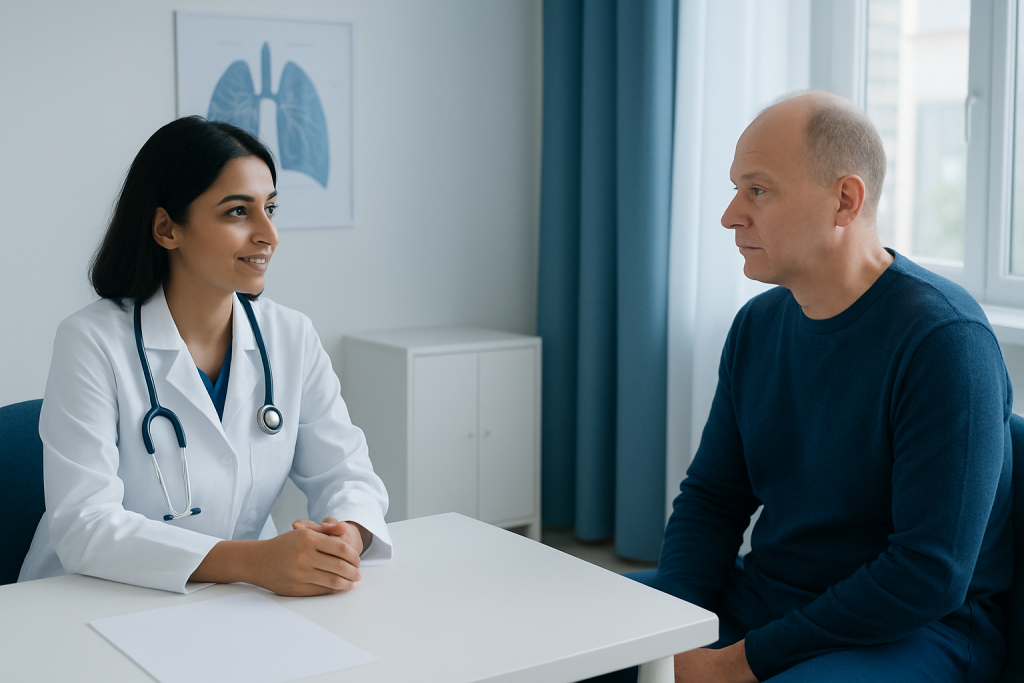
Before treatment begins, the care team reviews pathology, imaging, molecular results, other medical conditions, current medicines, liver and kidney function, and the person’s treatment goals. A multidisciplinary review can be helpful, bringing together medical oncology, pulmonology, thoracic surgery, radiation oncology, pathology, radiology, and supportive-care specialists. Related evaluations may include information about lung cancer and its staging and management.
- Targeted therapy is generally considered only when a matching biomarker is confirmed.
- Some biomarkers are more common in particular NSCLC subtypes, but testing should not be based on assumptions alone.
- Testing may be repeated if cancer progresses, because tumors can acquire new changes that affect treatment choices.
What Happens During Treatment and the Recovery Timeline
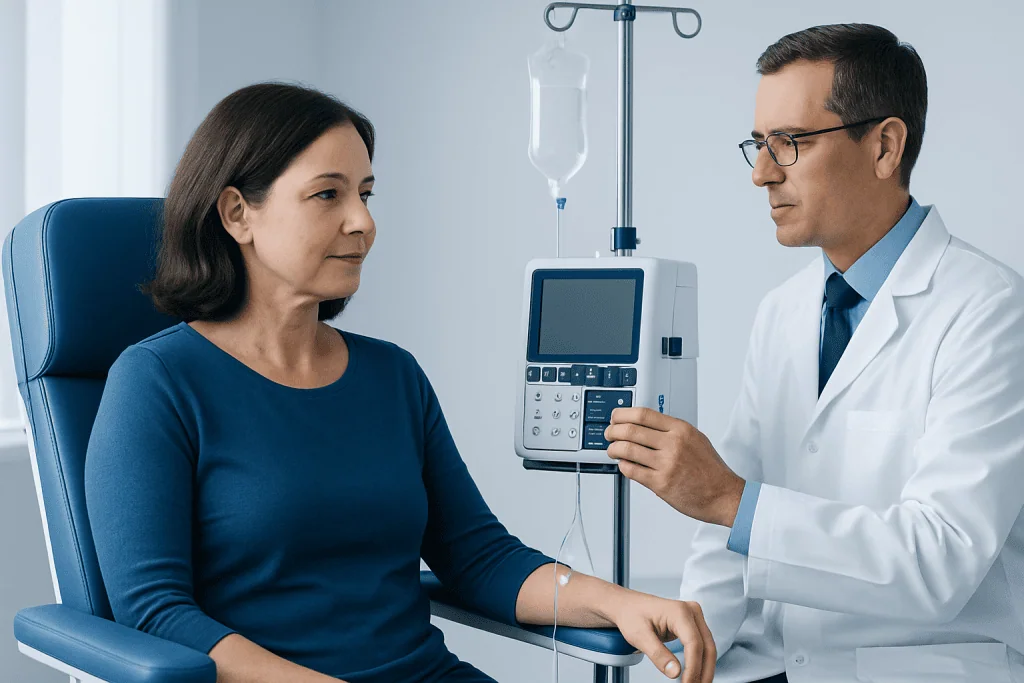
There is usually no surgical procedure or hospital stay for targeted therapy. After results are reviewed, the oncologist explains the treatment purpose, expected benefits, possible side effects, interactions, and monitoring plan. Many targeted medicines are oral tablets or capsules taken daily at home. Others are delivered intravenously at scheduled clinic visits.
Before starting, baseline blood tests and sometimes an electrocardiogram, eye assessment, skin review, or heart evaluation may be needed, depending on the medicine. People should tell their team about all prescription medicines, nonprescription products, vitamins, and herbal supplements, as some may alter how targeted therapy is processed by the body.
Follow-up is often closer in the first weeks, when side effects can emerge and practical support is most useful. Blood tests may monitor blood counts and organ function. Imaging scans are commonly performed at intervals to assess whether tumors are shrinking, stable, or growing. The timeline is individual: some side effects improve after a dose adjustment, a short treatment pause, or supportive medicines, while cancer response is assessed over repeated visits rather than a single day.
There is not usually a conventional recovery period as there may be after surgery. Instead, people continue usual activities as energy and symptoms allow, while working with the team to manage treatment effects. Smoking cessation, nutrition support, physical activity adapted to ability, sleep, and emotional care remain valuable parts of overall cancer care.
Benefits, Risks, and Side Effects
When a targeted medicine is well matched to a tumor alteration, it can produce substantial tumor shrinkage or disease control. It may also offer the convenience of home-based oral treatment and may have a different side-effect profile from chemotherapy. However, no targeted treatment is guaranteed to work, and cancer cells can eventually develop resistance through additional genetic changes or alternative growth pathways.
Side effects depend on the specific medicine. Possible effects include rash or dry skin, diarrhea, nausea, reduced appetite, fatigue, mouth sores, swelling, changes in liver tests, and changes in blood counts. Some medicines can cause more specific concerns, such as high blood pressure, changes in heart rhythm, eye symptoms, lung inflammation, bleeding risk, or effects on the heart. The oncology team explains the relevant risks for the selected treatment.
Most side effects can be addressed early with skin care, diet adjustments, symptom medicines, monitoring, dose changes, or temporary interruption of therapy. It is important not to stop a cancer medicine independently unless urgent medical advice is given. New or worsening shortness of breath, chest pain, fever, severe diarrhea, significant rash, fainting, yellowing of the eyes or skin, or sudden neurological symptoms should be reported promptly.
What Is the Success Rate of Targeted Therapy for Lung Cancer?
There is no single success rate for targeted therapy for lung cancer because results differ greatly according to the molecular alteration, medicine used, cancer stage, whether the cancer has spread to the brain, and prior treatments. In advanced NSCLC with certain actionable alterations, targeted medicines often produce higher response rates and longer periods without cancer progression than standard chemotherapy used in comparable settings.
A response means that scans show the cancer has shrunk by a defined amount; disease control may also include cancer that remains stable. Response on scans is important, but it is not the only measure of benefit. Symptom relief, preservation of daily function, length of disease control, and treatment tolerability also matter.
Clinical trial results apply to groups of people and cannot predict exactly what will happen for one individual. The oncologist can place trial data in context by discussing the person’s specific biomarker, extent of cancer, overall health, and treatment history. Follow-up scans and clinical review provide the clearest picture of how treatment is working in that person.
How Long Does Targeted Therapy Last for Lung Cancer?
Targeted therapy is usually continued for as long as it is controlling the cancer and side effects remain acceptable. In advanced NSCLC, this may be months or sometimes longer, but the duration varies widely. Some people need a change in therapy sooner because the cancer grows, while others remain on the same medicine for an extended time.
For certain earlier-stage situations, a targeted medicine may be prescribed for a planned fixed course after surgery when an appropriate biomarker is present. In metastatic disease, treatment is more often open-ended, with regular review to determine whether continuing remains beneficial.
If scans show progression, the team may recommend another biopsy or liquid biopsy to look for resistance changes. Depending on the results, options may include a different targeted medicine, chemotherapy, immunotherapy in appropriate circumstances, radiation for limited areas of progression, surgery in selected cases, or a clinical trial.
How Successful Is Targeted Therapy for Cancer, and Is It Hard on the Body?
Targeted therapy can be very successful when a cancer depends on a pathway that a medicine can effectively block. Its success is not universal: some cancers do not have an actionable target, some targets do not yet have effective medicines, and tumors may become resistant. For NSCLC, molecular testing gives the care team the best opportunity to identify a treatment likely to fit the tumor biology.
Targeted therapy is often described as more precise than chemotherapy, but it is still active cancer treatment and can be hard on the body for some people. It does not affect only cancer cells, because the targeted pathway may also have roles in normal tissues. The type and severity of side effects vary considerably between medicines and individuals.
Early communication helps make treatment safer and more tolerable. Keeping a record of symptoms, taking medicines exactly as directed, attending monitoring appointments, and discussing any new prescription or supplement with the oncology team can reduce avoidable problems. Supportive care, including symptom management, nutrition advice, rehabilitation, and emotional support, should be available throughout treatment.
When to Seek Medical Care
Anyone with a new, persistent cough, coughing up blood, unexplained breathlessness, ongoing chest discomfort, unexplained weight loss, or repeated chest infections should arrange a medical assessment. These symptoms can have many causes and do not necessarily indicate lung cancer, but timely evaluation is important.
People receiving NSCLC targeted therapy should contact their cancer team promptly for new or worsening breathing problems, fever, severe or persistent diarrhea, inability to drink fluids, extensive rash or blistering, unusual bleeding, severe fatigue, confusion, vision changes, or swelling. Emergency care is appropriate for severe shortness of breath, chest pain, fainting, facial swelling with breathing difficulty, or sudden weakness or speech problems.
Acibadem International’s multidisciplinary specialists and JCI-accredited hospitals diagnose and treat NSCLC for international patients, coordinating molecular testing, systemic treatment, and supportive care. A personalized discussion with a qualified oncology team is the safest way to understand whether targeted therapy may be appropriate.
Frequently asked questions
What is NSCLC targeted therapy?
NSCLC targeted therapy is treatment with medicines that block specific genetic changes or proteins helping non-small cell lung cancer grow. It is used only when tumor testing identifies a relevant actionable biomarker and a suitable medicine is available.
Is molecular testing needed before targeted therapy for lung cancer?
Yes. Molecular testing helps identify whether the tumor has a change, such as EGFR, ALK, ROS1, RET, BRAF, MET, HER2, KRAS, or NTRK, that may be treated with a targeted medicine. Testing may use tumor tissue, blood-based liquid biopsy, or both.
What is the success rate of targeted therapy for lung cancer?
There is no single success rate because outcomes depend on the tumor's biomarker, the treatment selected, disease extent, and individual health factors. For some actionable alterations in advanced NSCLC, targeted therapy can achieve meaningful tumor shrinkage and longer disease control than chemotherapy in comparable treatment settings.
How long does targeted therapy last for lung cancer?
In advanced NSCLC, targeted therapy usually continues while scans show benefit and side effects are manageable. This may range from months to longer periods, and the duration differs from person to person.
How successful is targeted therapy for cancer?
Targeted therapy can be highly effective when a cancer has a treatment-sensitive molecular alteration. It is not effective for every cancer, and resistance can develop over time, so regular monitoring is necessary.
Is targeted therapy hard on the body?
Targeted therapy may be easier to tolerate than some chemotherapy regimens for certain people, but it can still cause significant side effects. Common effects may include skin changes, diarrhea, fatigue, nausea, and changes in blood tests, while less common serious effects depend on the specific medicine.
References
- National Cancer Institute
- American Cancer Society
- National Comprehensive Cancer Network
- International Association for the Study of Lung Cancer
- European Society for Medical Oncology
This article is for general information only and is not a substitute for professional medical advice. Please consult a qualified doctor about your individual situation.
Targeted Therapy in Turkey — costs, top hospitals & a free quote
JCI-accredited · board-certified surgeons · reply within 24h
Add us as a Preferred Source to see more of our trusted health content across Google Search, AI Overviews and Discover.
Check your numbers in seconds
BMI, calories, due date, blood pressure and 30+ more clinical calculators — free, instant, doctor-reviewed ranges.