Can the Liver Repair Itself: Procedure, Recovery and Results
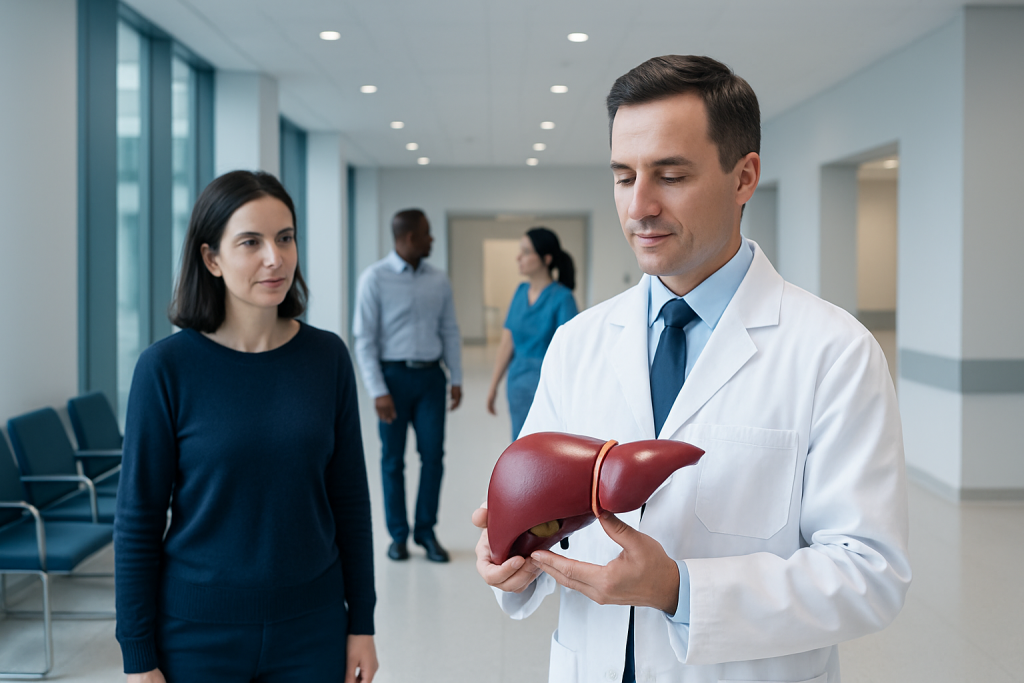
The liver can regenerate after surgery and recover from many mild or early injuries when the underlying cause is addressed. Recovery is not guaranteed: ongoing inflammation, repeated alcohol exposure, chronic viral hepatitis and advanced scarring can limit repair.
Key Takeaways
- The liver can regenerate after surgery and recover from many mild or early injuries when the underlying cause is addressed.
- Recovery is not guaranteed: ongoing inflammation, repeated alcohol exposure, chronic viral hepatitis and advanced scarring can limit repair.
- Liver blood tests may improve before the organ has fully recovered, so follow-up care remains important.
- Symptoms alone cannot reliably show that the liver is healing; medical assessment is needed to monitor progress.
- Jaundice, confusion, vomiting blood, black stools or rapidly increasing abdominal swelling require urgent medical attention.
The liver has a remarkable ability to replace lost tissue and recover from some forms of injury. Whether healing occurs depends on the cause, severity and duration of damage, and whether fibrosis or cirrhosis has developed.
Can the liver repair itself?
Yes, the liver can repair itself to a considerable extent. It can replace damaged or surgically removed tissue and may recover after mild inflammation, fatty liver disease or a short-lived toxic injury when the cause is removed. However, recovery is not unlimited: repeated or severe injury can lead to fibrosis, in which scar tissue gradually replaces healthy liver tissue.
Whether the liver can repair itself after damage depends on the underlying condition, how long it has been present and how much scarring has formed. Early-stage fatty liver changes may improve substantially with appropriate treatment and lifestyle changes, while cirrhosis is usually considered permanent, although treating its cause can slow or stop further damage.
The liver performs essential tasks, including processing nutrients and medicines, making proteins involved in blood clotting, producing bile and removing waste products. Because many liver conditions have few symptoms early on, a person should not rely on how they feel alone to judge liver recovery.
How liver regeneration works
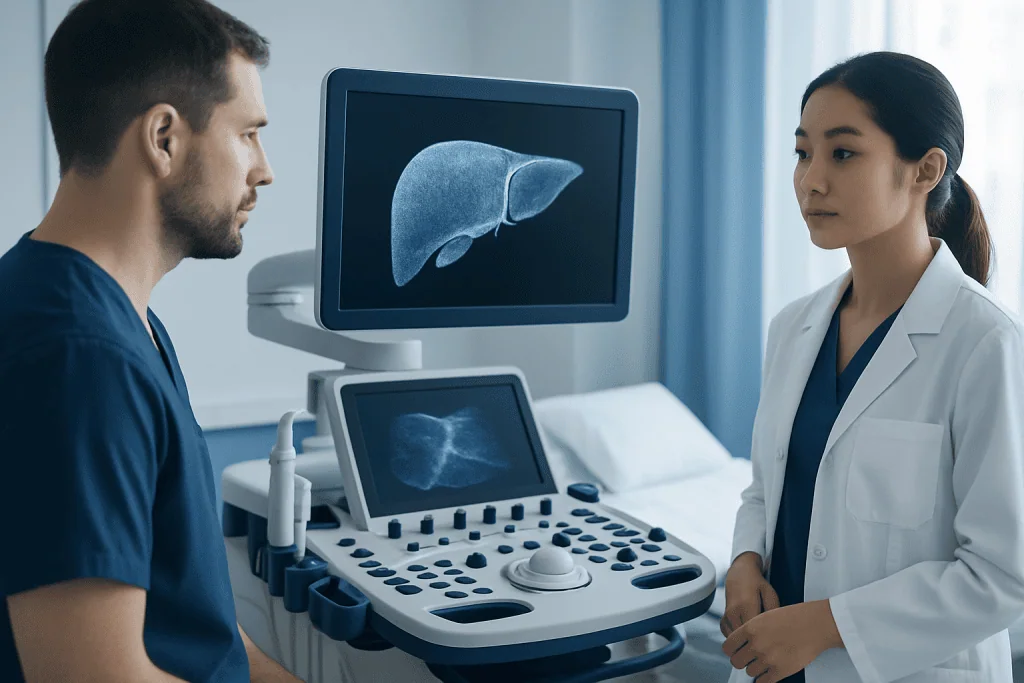
Liver regeneration is not the same as growing an entirely new organ. After tissue is removed or injured, the remaining liver cells can divide and increase their functional capacity. This coordinated response helps the liver restore its volume and maintain its important functions.
Regeneration works best when healthy liver tissue remains and the original cause of injury has been controlled. For example, the liver may recover after a temporary blockage is treated, a harmful medicine is stopped under medical guidance or alcohol use ceases. In contrast, persistent inflammation can repeatedly activate wound-healing processes and cause fibrosis.
Over time, extensive fibrosis can distort the liver’s internal structure and blood flow. This advanced stage, known as cirrhosis, can cause complications such as fluid accumulation, bleeding from enlarged veins in the digestive tract, confusion and an increased risk of liver cancer. Specialist follow-up is important for anyone with significant fibrosis or cirrhosis.
How long does it take for a damaged liver to repair itself?
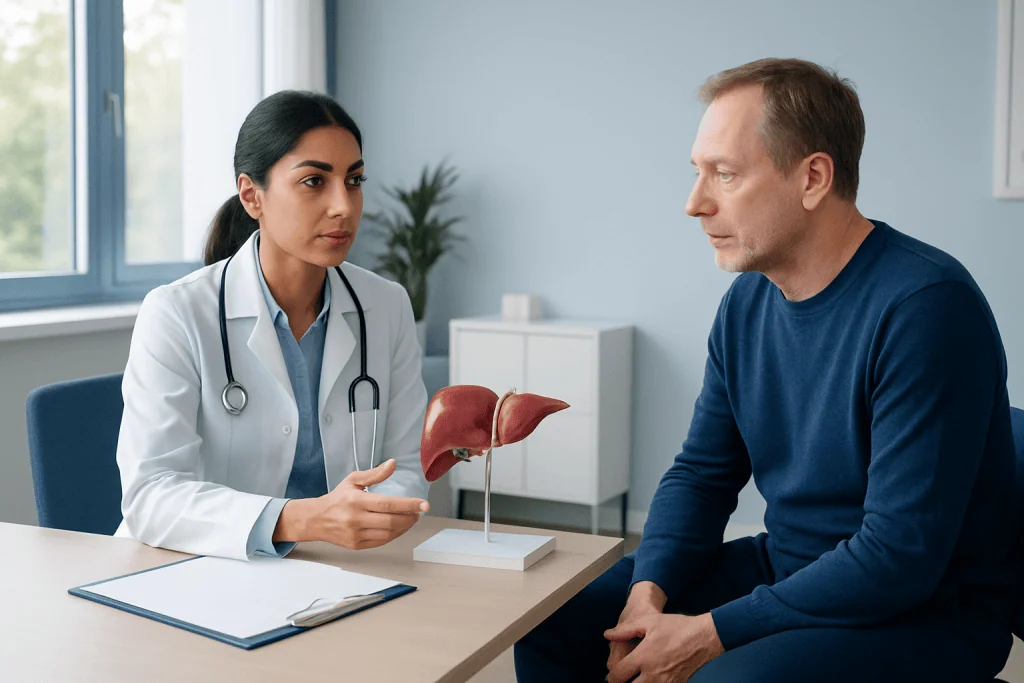
There is no single recovery timeline. Mild, reversible changes may begin to improve within weeks after the cause is removed, but full recovery can take months and should be assessed through follow-up blood tests, imaging and, when appropriate, fibrosis evaluation. The time needed depends on the type of injury, nutritional health, other medical conditions and continued exposure to the cause.
For example, a liver affected by alcohol-related fatty change may improve after alcohol is stopped, but can the liver repair itself after drinking depends on the amount and duration of alcohol use and whether inflammation or cirrhosis is present. People should seek medical advice before assuming that alcohol-related liver injury will resolve on its own, especially if they have withdrawal symptoms or have been drinking heavily.
Chronic viral hepatitis, metabolic dysfunction-associated steatotic liver disease and autoimmune liver diseases require condition-specific care. Treating the driver of liver inflammation can allow healing over time and reduce the chance of progression, but established advanced scarring may not fully reverse.
What are signs your liver is healing?
Improving liver blood tests, such as falling levels of certain liver enzymes or bilirubin, can be encouraging, but they do not independently prove complete healing. A clinician interprets these results alongside symptoms, examination findings, imaging and, when needed, non-invasive fibrosis tests or other investigations.
Some people notice improved energy, appetite, nausea or abdominal discomfort as the underlying condition improves. If jaundice was present, yellowing of the eyes and skin may lessen. These changes can be positive, but many liver conditions cause no noticeable symptoms, and feeling better does not necessarily mean that scarring has resolved.
Reliable monitoring may include repeat liver function testing, assessment for viral hepatitis or metabolic conditions, ultrasound-based evaluation and review of medicines, supplements and alcohol intake. A doctor can explain what changes are meaningful for the individual diagnosis.
- Improving blood-test trends may indicate reduced inflammation.
- Better appetite and less nausea can occur as an acute illness resolves.
- Stable or improving imaging findings may support recovery.
- Ongoing medical follow-up is still needed when fibrosis, hepatitis or cirrhosis is present.
Is the liver good at repairing itself?
The liver is one of the body’s most capable organs for repair. It can restore functional tissue after injury and can adapt after part of the liver is removed. This ability is why liver surgery and living-donor liver transplantation are possible in carefully selected circumstances.
Even so, regeneration has limits. The liver is less able to recover when injury is severe, repeated or prolonged, or when there is advanced fibrosis. Factors such as obesity, diabetes, malnutrition, untreated infection, certain medicines and continued alcohol exposure can also affect recovery.
Can the liver repair itself over time? In many early conditions, it may do so if the cause is identified and managed promptly. This may involve weight management and metabolic care, avoiding alcohol, treating viral hepatitis, changing a medicine only under professional advice or managing an immune-related disorder with specialist treatment.
How fast does the liver regenerate after surgery?
Following removal of part of the liver, known as partial hepatectomy, the remaining liver begins adapting soon after surgery. Much of the increase in liver volume commonly occurs during the first several weeks, while functional recovery and longer-term remodeling continue over subsequent months. Individual timing varies considerably.
Liver resection may be considered for selected cancers, benign growths, injuries or living donation. Before surgery, the clinical team evaluates the amount and quality of liver tissue that will remain, blood flow, overall health and the presence of conditions such as fatty liver disease, hepatitis or cirrhosis.
A typical care pathway includes detailed imaging and blood tests, assessment by liver surgeons and anaesthesia specialists, the operation itself, close postoperative observation, pain management, early mobilization and scheduled follow-up. Where surgery is suitable, liver transplantation and liver surgery services may involve coordinated assessment by hepatology, surgery, radiology, oncology and critical-care teams.
Benefits of liver surgery may include removal of diseased tissue or treatment of an otherwise serious condition. Risks depend on the procedure and the person’s health, but can include bleeding, infection, bile leakage, blood clots, impaired liver function and complications related to anaesthesia. The treating team discusses individual risks before treatment.
Supporting liver recovery and when to seek medical care
Supporting liver health starts with treating the cause of injury. This may include avoiding alcohol, eating a balanced diet, staying physically active within personal abilities, managing diabetes and cholesterol, and taking medicines only as prescribed. Herbal products and supplements can also affect the liver, so they should be discussed with a doctor or pharmacist before use.
People should arrange a medical review for persistent fatigue, nausea, reduced appetite, itching, upper-right abdominal discomfort, dark urine, pale stools or yellowing of the skin or eyes. Testing is particularly important for those with a history of heavy alcohol use, viral hepatitis risk, obesity, diabetes, family liver disease or abnormal liver blood tests.
Urgent medical care is needed for confusion or unusual drowsiness, vomiting blood, black tarry stools, severe abdominal pain, fever with jaundice, rapidly increasing abdominal swelling or sudden worsening of jaundice. These symptoms can indicate a serious complication and should not be managed at home.
Acibadem International’s multidisciplinary specialists and JCI-accredited hospitals assess and treat liver conditions for international patients, with care plans guided by the underlying diagnosis and the person’s overall health.
Frequently asked questions
Can the liver repair itself after damage?
The liver can often recover after mild or early damage if the cause is removed or effectively treated. Recovery becomes more limited when injury continues for a long time or has caused extensive fibrosis or cirrhosis. A clinician can assess the degree of damage and monitor improvement.
Can the liver repair itself after drinking alcohol?
The liver may improve after alcohol is stopped, particularly when fatty liver changes are present without advanced scarring. However, alcohol-related hepatitis and cirrhosis can be serious, and recovery varies between individuals. Anyone who drinks heavily or develops withdrawal symptoms should seek medical support rather than stopping without guidance.
Can cirrhosis be reversed?
Cirrhosis usually refers to advanced, permanent scarring of the liver. Treating the underlying cause can reduce inflammation, prevent further injury and improve outcomes, but the scarred architecture may not fully return to normal. Regular specialist care helps monitor for complications.
What tests show whether the liver is recovering?
Doctors may use liver blood tests, clotting tests, ultrasound or other imaging, and non-invasive assessments of fibrosis. The best tests depend on the suspected cause of liver disease. Trends over time are generally more informative than one isolated result.
How fast does the liver regenerate after surgery?
The liver begins regenerating soon after part of it is removed, with substantial volume recovery often occurring over the first weeks. Functional recovery and remodeling continue over months. The speed and safety of recovery depend on the amount of liver remaining and the health of that tissue.
What should a person avoid while the liver is healing?
Alcohol should be avoided unless a clinician specifically advises otherwise. A person should also avoid unprescribed medicines, recreational drugs and supplements that have not been reviewed for liver safety. Prescribed medicines should never be stopped without speaking to the prescribing clinician.
References
- National Institute of Diabetes and Digestive and Kidney Diseases
- American Association for the Study of Liver Diseases
- European Association for the Study of the Liver
- World Health Organization
- Mayo Clinic
This article is for general information only and is not a substitute for professional medical advice. Please consult a qualified doctor about your individual situation.
Explore treatments in Turkey — costs, top hospitals & a free quote
JCI-accredited · board-certified surgeons · reply within 24h
Add us as a Preferred Source to see more of our trusted health content across Google Search, AI Overviews and Discover.

More from the Health Library



Related Specialists

Assoc. Prof. Dr. Mustafa Bilal Tuna
Urology
Dr. Göker Utku Değer
Orthopedic Surgery & Traumatology
Dr. Eda Albayrak
Pediatrics
Fzt. Gönül Zervent
Physical Medicine & Rehabilitation