Hormones Release From Pituitary Gland: An Evidence-Based Patient Guide

The pituitary is a small gland at the base of the brain that helps regulate several endocrine glands. Its anterior and posterior portions release different hormones and respond to different signals.
Key Takeaways
- The pituitary is a small gland at the base of the brain that helps regulate several endocrine glands.
- Its anterior and posterior portions release different hormones and respond to different signals.
- Pituitary disorders may result from hormone overproduction, hormone deficiency or pressure from a growth in the gland.
- Symptoms vary widely and can include unexplained fatigue, changes in vision, menstrual changes, sexual difficulties or unusual growth changes.
- Blood tests, urine tests and magnetic resonance imaging may help doctors identify a pituitary condition.
Hormones release from pituitary gland in response to signals from the hypothalamus, a nearby part of the brain. These hormones coordinate important functions including growth, thyroid activity, fertility, breast milk production, adrenal function and the body’s water balance.
Overview: how hormones release from pituitary gland
The pituitary gland is often called the body’s “master gland” because its hormones influence several other hormone-producing glands. It is a pea-sized structure located beneath the brain, behind the bridge of the nose, in a small bony space called the sella turcica. Although small, it has an important coordinating role in growth, metabolism, reproduction, stress responses and fluid balance.
Hormones release from pituitary gland after it receives chemical and nerve signals, mainly from the hypothalamus. The hypothalamus monitors internal conditions such as stress, sleep, temperature, blood chemistry and reproductive status. It then signals the pituitary to increase, decrease or stop the release of specific hormones.
The gland has two major parts with different jobs. The anterior pituitary produces and secretes several hormones itself. The posterior pituitary stores and releases two hormones made in the hypothalamus. Feedback loops involving the thyroid, adrenal glands, ovaries or testes help keep hormone levels within a healthy range.
What type of hormones does the pituitary gland release?
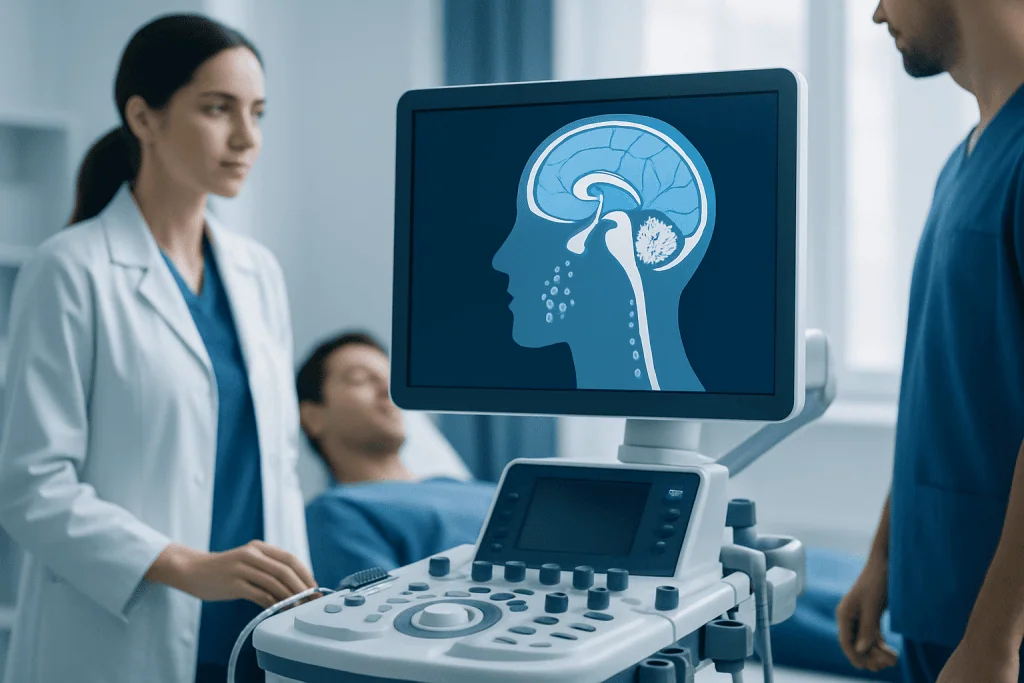
The anterior pituitary releases adrenocorticotropic hormone (ACTH), which stimulates the adrenal glands to make cortisol; thyroid-stimulating hormone (TSH), which regulates thyroid hormone production; and growth hormone (GH), which supports normal growth and influences metabolism. It also releases prolactin, a hormone involved in breast milk production.
Two gonadotropins—follicle-stimulating hormone (FSH) and luteinizing hormone (LH)—help regulate ovulation, menstrual cycles, sperm production and sex hormone production. The anterior pituitary also releases melanocyte-stimulating hormone in small amounts, though its role in adults is less prominent than that of the other pituitary hormones.
The posterior pituitary releases antidiuretic hormone (ADH), also called vasopressin, and oxytocin. ADH helps the kidneys conserve water and supports blood pressure regulation. Oxytocin contributes to uterine contractions during labor and milk ejection during breastfeeding; it also has roles in social and emotional processes.
- ACTH: supports cortisol production by the adrenal glands.
- TSH: signals the thyroid gland to produce thyroid hormones.
- GH: supports growth, body composition and metabolism.
- Prolactin: supports milk production after childbirth.
- FSH and LH: regulate reproductive function and sex hormone production.
- ADH and oxytocin: regulate water balance, labor and lactation.
What will trigger the pituitary gland to release?

The main trigger is communication from the hypothalamus. The hypothalamus sends releasing or inhibiting hormones through specialized blood vessels to the anterior pituitary. For example, it can stimulate TSH release when the body needs more thyroid hormone activity, or reduce signaling when circulating thyroid hormone levels are already adequate.
Some pituitary activity is regulated through nerve signals. When the body becomes dehydrated, sensors in the brain detect increasing blood concentration and signal the posterior pituitary to release ADH. During breastfeeding, nipple stimulation sends nerve signals that promote oxytocin release and help milk flow.
Negative feedback is another essential trigger-control system. When a target gland produces enough hormone, that hormone typically signals the hypothalamus and pituitary to slow further release. Stress, illness, sleep, exercise, puberty, pregnancy and certain medicines can also temporarily or persistently affect hormone secretion.
What are the first signs of pituitary problems?
Early signs of a pituitary problem can be subtle because the gland affects many systems. Possible symptoms include persistent tiredness, unexplained weight change, reduced exercise tolerance, sensitivity to heat or cold, changes in mood, altered sleep, or changes in skin and hair. These symptoms are common and do not automatically mean a person has a pituitary disorder.
Reproductive symptoms may include irregular or absent periods, difficulty becoming pregnant, reduced sexual desire, erectile difficulties, unexpected breast milk production or changes in pubertal development. In children, slower-than-expected growth or unusually rapid growth can be an important reason for medical assessment.
A pituitary growth can sometimes press on nearby structures, including the optic nerves. New loss of side vision, double vision, a persistent or worsening headache, or headache accompanied by nausea and visual change should be assessed promptly. A clinician can consider whether symptoms may relate to the pituitary, thyroid, adrenal glands, medication effects or another health condition.
What are four diseases due to pituitary disorder?
Four examples of pituitary disorders are prolactinoma, acromegaly, Cushing disease and diabetes insipidus. A prolactinoma is usually a noncancerous pituitary tumor that produces excess prolactin. It can cause menstrual changes, infertility, reduced libido, milk production unrelated to pregnancy and, in some cases, headaches or vision symptoms.
Acromegaly occurs when excess growth hormone develops after normal adult growth has ended, usually because of a benign pituitary tumor. Changes may develop gradually and can include enlargement of the hands or feet, changes in facial appearance, sweating, joint discomfort and sleep problems. In children, excess growth hormone may cause unusually rapid linear growth, known as gigantism.
Cushing disease is caused by a pituitary tumor producing excess ACTH, which leads the adrenal glands to produce too much cortisol. Symptoms can include easy bruising, muscle weakness, high blood pressure, high blood sugar, mood changes and weight gain concentrated around the trunk. Diabetes insipidus develops when there is insufficient ADH activity or the kidneys do not respond to it, leading to excessive thirst and large volumes of dilute urine.
Other conditions include hypopituitarism, in which one or more pituitary hormones are deficient, and pituitary apoplexy, a sudden bleeding or reduced blood supply within the gland. The causes, symptoms and urgency of these conditions differ, so evaluation is individualized.
Diagnosis and treatment: what to expect
Diagnosis usually starts with a detailed medical history, symptom review and physical examination. Doctors may order blood and urine tests at particular times of day because several hormones naturally change across a 24-hour period. Dynamic hormone testing may be used in selected cases to see how the body responds to stimulation or suppression.
If a pituitary condition is suspected, magnetic resonance imaging (MRI) can provide detailed images of the pituitary and surrounding structures. Visual field testing may be recommended when a lesion is close to the optic nerves. Assessment often involves endocrinology, radiology, ophthalmology and, when needed, neurosurgery.
Treatment depends on the exact diagnosis, hormone levels, symptoms and imaging findings. Options may include monitoring, medicines that lower hormone production or replace missing hormones, surgery to remove a pituitary tumor, or radiation therapy in selected situations. Treatment planning aims both to correct hormone imbalance and to protect nearby structures such as the optic nerves.
When surgery is recommended, the usual approach for many pituitary tumors is transsphenoidal surgery, performed through the nose with specialized imaging and surgical tools. The care team explains the reason for surgery, alternatives and expected goals before treatment. Acibadem International’s multidisciplinary specialists and JCI-accredited hospitals evaluate and treat pituitary conditions for international patients.
Procedure pathway, recovery, benefits and risks
Not every pituitary disorder requires a procedure. Surgery may be considered when a tumor affects vision, causes significant hormone excess, does not respond adequately to medicine, or is large enough to compress nearby structures. Candidacy is based on hormone testing, MRI findings, general health, symptom severity and the likely benefits of intervention.
Before surgery, patients may have endocrine testing, vision assessment, anesthesia evaluation and imaging to map the tumor. During transsphenoidal surgery, the surgeon reaches the pituitary through the nasal passages and sphenoid sinus rather than through an opening in the skull. The procedure is performed under general anesthesia, and tissue may be sent for laboratory analysis.
Recovery varies according to the condition and extent of surgery. Many people remain in hospital for observation for several days, with close checks of fluid balance, sodium levels, vision and hormone function. Nasal congestion and fatigue may occur early in recovery. Follow-up blood tests and MRI scans are important because hormone replacement or further treatment may be needed.
Potential benefits include relieving pressure on the optic nerves, improving hormone excess and helping prevent complications related to uncontrolled hormone levels. Possible risks include bleeding, infection, cerebrospinal fluid leakage, low sodium, temporary or lasting hormone deficiencies, diabetes insipidus and incomplete tumor removal. The surgical team discusses individual risks, expected recovery and long-term monitoring before a decision is made.
When to seek medical care
A person should arrange a medical review for persistent symptoms that could suggest hormone imbalance, especially unexplained changes in menstrual cycles, fertility, sexual function, thirst, urination, weight, energy, growth or breast milk production. New symptoms should be discussed with a qualified doctor rather than self-treated with hormone products or supplements.
Urgent medical assessment is important for a sudden, severe headache unlike previous headaches, particularly when it occurs with vomiting, fainting, confusion, weakness, double vision or loss of vision. These symptoms can have several causes, but rarely may indicate pituitary apoplexy or another neurological emergency.
People already diagnosed with a pituitary condition should attend scheduled monitoring appointments and ask their clinician about symptoms that may signal a change in hormone levels. With accurate testing and appropriate follow-up, many pituitary disorders can be managed effectively over time.
Frequently asked questions
What does the pituitary gland control?
The pituitary gland helps control growth, thyroid function, cortisol production, reproductive hormones, breast milk production and water balance. It works closely with the hypothalamus and with target glands such as the thyroid, adrenal glands, ovaries and testes.
Can stress affect pituitary hormones?
Yes. Physical or emotional stress can affect hypothalamic and pituitary signaling, especially the system that regulates cortisol. Short-term changes are normal, but persistent symptoms should be discussed with a healthcare professional.
Are pituitary tumors usually cancerous?
Most pituitary tumors are benign, meaning they are not cancer. Even benign tumors may need monitoring or treatment if they produce excess hormones, reduce normal hormone production, grow large or affect vision.
Can a pituitary disorder cause weight changes?
Yes. Changes in pituitary-controlled hormones can affect metabolism, appetite, fluid balance, muscle mass and body fat distribution. Weight change has many possible causes, so laboratory testing is needed to determine whether a hormonal condition is involved.
How are pituitary hormone levels tested?
Doctors commonly use blood tests and sometimes urine or saliva tests, depending on the hormone being evaluated. Because hormone levels can vary with time of day and other factors, testing may need to be repeated or performed under specific conditions.
Can pituitary problems be treated without surgery?
Many can. Depending on the diagnosis, treatment may include observation, medicines to control hormone levels or replace missing hormones, and management of related health concerns. Surgery is considered when it offers an important benefit, such as reducing pressure on vision-related structures or treating certain hormone-producing tumors.
References
- National Institute of Diabetes and Digestive and Kidney Diseases
- Endocrine Society
- Mayo Clinic
- Merck Manual Consumer Version
- American Association of Neurological Surgeons
This article is for general information only and is not a substitute for professional medical advice. Please consult a qualified doctor about your individual situation.
Medical weight-loss options in Turkey — costs & eligibility
JCI-accredited · board-certified surgeons · reply within 24h
Add us as a Preferred Source to see more of our trusted health content across Google Search, AI Overviews and Discover.
Check your numbers in seconds
BMI, calories, due date, blood pressure and 30+ more clinical calculators — free, instant, doctor-reviewed ranges.