Lymph Node Removal Side Effects: What to Expect and How to Manage

Side effects depend on the number and location of lymph nodes removed and whether radiation therapy is also needed. Sentinel lymph node biopsy usually removes fewer nodes and generally has a lower risk of lymphedema than a larger lymph node dissection.
Key Takeaways
- Side effects depend on the number and location of lymph nodes removed and whether radiation therapy is also needed.
- Sentinel lymph node biopsy usually removes fewer nodes and generally has a lower risk of lymphedema than a larger lymph node dissection.
- Most postoperative pain, bruising and reduced movement improve gradually during the first weeks of recovery.
- New or worsening swelling, fever, wound drainage, severe pain or shortness of breath should be assessed promptly.
- Removed lymph nodes do not grow back, but the remaining lymphatic system can often adapt over time.
Lymph node removal side effects can include pain, bruising, numbness, stiffness and temporary limited movement near the operation site. Some people may develop longer-lasting swelling called lymphedema, particularly after removal of several lymph nodes, but early care and follow-up can help manage risks.
Overview: understanding lymph node removal side effects
Lymph node removal, also called lymph node biopsy or lymph node dissection, is a surgical procedure used to examine lymph nodes or remove nodes known or suspected to contain disease. It is commonly part of cancer staging and treatment, although lymph nodes may also be removed to investigate certain infections or inflammatory conditions.
Lymph node removal side effects are usually localized to the area of surgery. They may include soreness, swelling, bruising, tightness, numbness and reduced movement of a nearby arm, leg, shoulder or neck. The likelihood and severity of side effects vary according to the body area involved, the number of nodes removed, the type of operation and whether other treatments, such as radiation therapy, are planned.
The most recognized longer-term concern is lymphedema, a buildup of lymph fluid that causes persistent swelling. It does not occur in everyone, and the risk is generally lower after removal of one or a few sentinel nodes than after a more extensive node dissection. Knowing what to expect and reporting symptoms early can support a safer recovery.
How lymph node removal works and who may need it
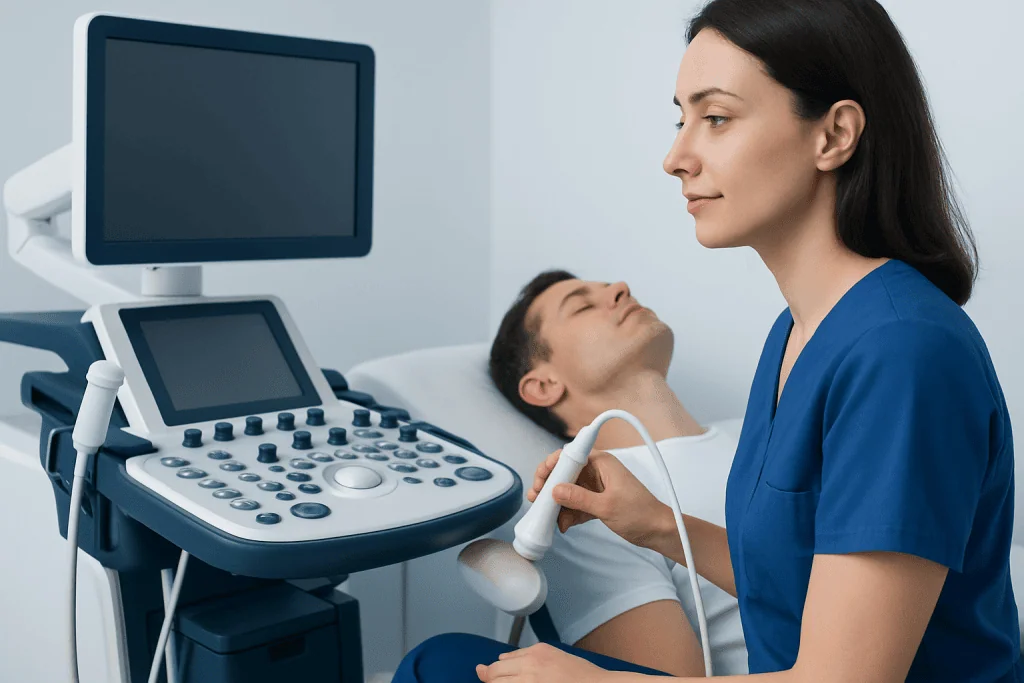
Lymph nodes are small, bean-shaped structures that filter lymph fluid and support immune function. They are connected by lymphatic vessels throughout the body. Groups of nodes are found in areas such as the neck, armpits, chest, abdomen and groin.
A doctor may recommend removal of a lymph node when imaging, examination or previous testing suggests cancer could have spread to nearby nodes. In many cancers, checking the first draining node or nodes, known as sentinel nodes, helps the care team determine the stage of disease and whether further treatment may be useful. For example, lymph node assessment can be part of care for breast cancer and other solid tumors.
Candidacy is individualized. The surgical team considers the primary diagnosis, imaging findings, prior treatments, overall health, bleeding risk, medications and the likely value of the information obtained. A biopsy may be enough in some situations, while more extensive removal may be recommended if cancer is confirmed in several nodes or if nodes are enlarged and causing symptoms.
Before surgery, patients are typically asked about allergies, medications and medical conditions. Blood-thinning medicines, diabetes treatments and supplements may need special instructions. The team will explain fasting requirements, anesthesia plans and practical arrangements for going home after the procedure.
What happens during the procedure and early recovery
The exact procedure depends on the site and purpose of surgery. For a sentinel lymph node biopsy, a tracer dye, a small amount of radioactive material, or both may be injected near the tumor before surgery. This helps the surgeon identify the first lymph node or nodes most likely to receive drainage from that area. Those nodes are removed through a small incision and sent for laboratory examination.
A lymph node dissection removes a larger group of nodes from a region such as the axilla (armpit), groin or neck. It may be performed during surgery to remove a tumor or as a separate operation. The procedure is done with local anesthesia and sedation or general anesthesia, depending on the surgical plan. A temporary drain may be placed if fluid buildup is expected.
After surgery, patients spend time in recovery while pain, nausea and vital signs are monitored. Many limited biopsies are day procedures, while larger operations can require a longer hospital stay. Mild discomfort, fatigue and a pulling sensation around the incision are common in the first days.
Recovery timing differs between individuals. Wound discomfort and bruising often settle over one to two weeks, although stiffness and altered sensation may last longer. The surgeon will advise when bathing, driving, returning to work, lifting objects and restarting exercise are appropriate. Follow-up is also used to review pathology results and plan any further care.
How does lymph node removal affect the body?
Removing lymph nodes does not stop the immune system from working. The body contains many lymph nodes and lymphatic vessels, and the remaining system continues to filter fluid and support immune responses. However, removing nodes can reduce lymph drainage from the nearby limb or body area, especially when several nodes are removed.
In the short term, surgery can affect skin sensation and movement because small nerves and soft tissues near the nodes may be disturbed. After axillary surgery, for example, a person may notice numbness on the inner upper arm, shoulder tightness or discomfort when reaching overhead. After groin surgery, there may be thigh tightness or leg discomfort. These symptoms often improve as tissues heal, although some numbness can persist.
Lymphedema can develop when lymph fluid does not drain efficiently. Symptoms can include heaviness, tightness, visible swelling, reduced flexibility, jewelry or clothing feeling tighter, or recurrent skin infections. Risk may increase with extensive node removal, radiation therapy, infection, higher body weight and injury to the affected limb, but lymphedema can still be unpredictable.
Early assessment is important if swelling develops. Management may include specialist-guided exercise, skin care, compression therapy and manual lymphatic drainage when appropriate. A clinician may refer the patient to a lymphedema therapist or rehabilitation professional for an individualized plan.
What should I avoid doing after having a lymph node removed?
Immediately after surgery, patients should avoid activities that strain the incision or increase bleeding risk. This commonly includes heavy lifting, vigorous exercise, repetitive pulling motions and contact sports until the surgical team confirms that healing is adequate. The specific restriction period depends on the location and extent of surgery.
It is also important not to soak the wound in a bath, pool or hot tub until the incision is fully closed and the surgeon says it is safe. Dressings and drains should be managed exactly as instructed. Patients should avoid applying creams, powders or other products to the incision unless recommended by their clinical team.
For an arm or leg at risk of lymphedema, it is sensible to protect the skin from cuts, burns and insect bites, and to treat any break in the skin promptly. Gradual return to movement is generally helpful, but new exercise should be introduced carefully. A physiotherapist can teach safe range-of-motion and strengthening exercises after surgery.
Advice about blood pressure measurements, injections and blood draws in the affected limb varies based on individual risk and local clinical practice. Patients should discuss this with their surgeon or oncology team rather than assuming that all procedures are permanently prohibited.
Is removing a lymph node a big deal?
Removing one lymph node for biopsy is usually a relatively small operation, but it is still surgery and deserves appropriate preparation and recovery. It can provide important diagnostic or staging information that helps doctors recommend care more accurately. The incision is often small, and many people return to normal daily activities relatively quickly.
Removing many nodes is more extensive and may have a greater impact on recovery. The operation can involve a larger incision, temporary drains, more discomfort, longer activity restrictions and a higher risk of fluid collection, nerve-related symptoms or lymphedema. The expected benefit should be weighed against these possible effects as part of informed decision-making.
Potential benefits include confirming whether disease is present in the nodes, reducing known cancer in a nodal area and guiding decisions about chemotherapy, radiation therapy, immunotherapy or surveillance. Pathology findings are interpreted alongside the primary tumor, scans and other health information.
For complex decisions, care may involve surgeons, medical oncologists, radiation oncologists, pathologists, radiologists and rehabilitation specialists. Acibadem International’s multidisciplinary specialists and JCI-accredited hospitals diagnose and treat conditions requiring lymph node surgery for international patients.
Do lymph nodes regrow after removal?
Removed lymph nodes generally do not regrow in the same way that some tissues heal. However, the lymphatic system is widespread, and remaining lymph vessels and nodes may adapt over time to support fluid drainage. This adaptation is one reason many people do not develop significant long-term swelling after a limited node procedure.
Adaptation is not always complete, particularly after extensive surgery or radiation therapy. For this reason, follow-up care focuses on identifying swelling early, maintaining shoulder or limb mobility, protecting the skin and addressing symptoms before they become more troublesome.
Patients should not assume that a sensation of swelling is unimportant simply because the incision looks healed. Comparing one limb or body side with the other, noticing changes in rings, sleeves, shoes or clothing, and mentioning heaviness or tightness at follow-up visits can help identify a problem early.
If lymphedema occurs, treatment aims to reduce swelling, preserve function and lower the risk of skin infection. It is usually managed over time rather than cured with a single intervention, but many people find meaningful improvement with a structured care plan.
When to seek medical care
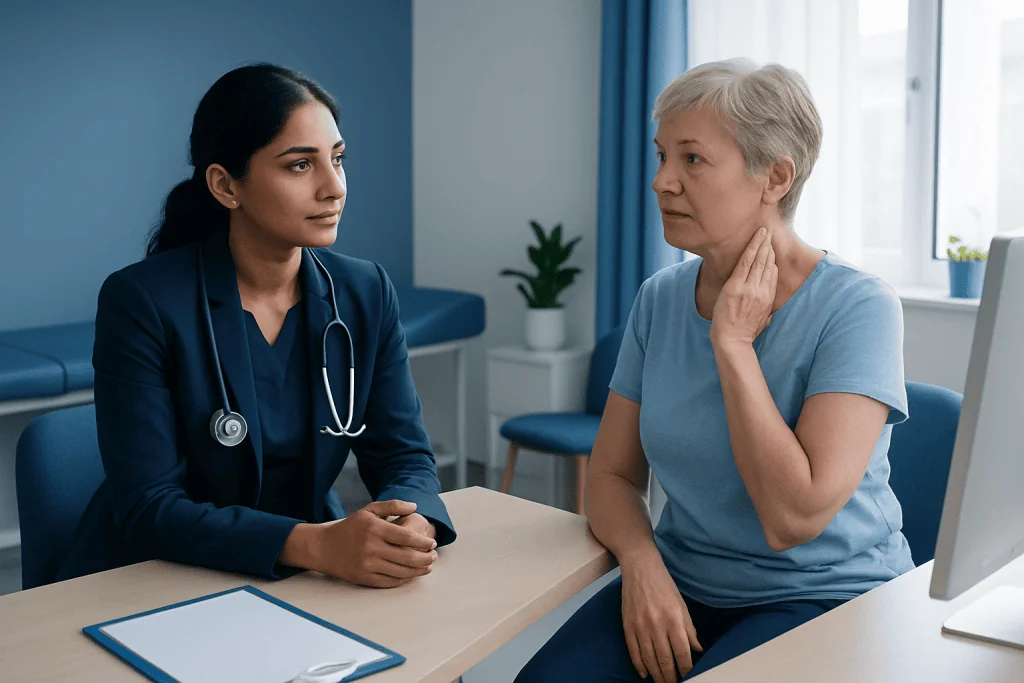
Contact the surgical team promptly for increasing redness, warmth, swelling or pain around the incision; pus-like drainage; a fever; wound separation; or bleeding that does not stop with gentle pressure. A new fluid-filled swelling near the surgical site may be a seroma and should also be assessed, especially if it is painful or enlarging.
Medical advice is also appropriate for persistent or worsening swelling of an arm, hand, leg, foot, breast, chest wall or neck; a feeling of heaviness or tightness; reduced movement; or repeated skin infections in the affected area. These can be signs of lymphedema or another postoperative concern that may benefit from early treatment.
Urgent evaluation is needed for chest pain, shortness of breath, fainting, coughing blood, sudden severe limb swelling or symptoms of a serious allergic reaction. These symptoms are uncommon but should not be managed at home.
Follow all scheduled postoperative appointments, even when recovery seems smooth. The care team can check wound healing, discuss pathology results, guide activity progression and arrange rehabilitation or lymphedema support if needed.
Frequently asked questions
What are the most common lymph node removal side effects?
Common effects include pain, bruising, mild swelling, tiredness, numbness and tightness around the incision. The affected shoulder, arm, neck, leg or groin may feel stiff for a period after surgery. More extensive procedures have a higher chance of longer-lasting symptoms.
How long does swelling last after lymph node removal?
Mild swelling around the incision often improves during the first days to weeks of healing. A fluid collection or swelling of a nearby limb may last longer and should be discussed with the surgical team. Persistent, increasing or one-sided limb swelling needs medical assessment.
Can lymph node removal cause lymphedema years later?
Yes, lymphedema can occur soon after treatment or develop months or years later. The risk depends on the number of nodes removed, the body area involved, radiation treatment and individual factors. New heaviness, tightness or swelling should be reported even long after surgery.
Can I exercise after lymph node removal?
Gentle movement is usually encouraged after surgery, but the pace of return to exercise should follow the surgeon’s instructions. Heavy lifting and strenuous activity are often restricted initially to protect healing tissues. A physiotherapist can provide safe exercises for range of motion and gradual strengthening.
Does removing lymph nodes weaken the immune system?
Removing a small number of lymph nodes does not usually cause major immune weakness because lymphatic tissue is located throughout the body. The main local effect is a possible reduction in fluid drainage from the nearby area. People should still follow routine infection-prevention advice and seek care for signs of skin infection.
What is the difference between sentinel lymph node biopsy and lymph node dissection?
A sentinel lymph node biopsy removes the first one or a few nodes that drain the area of a tumor. A lymph node dissection removes a larger group of nodes in one region. Because fewer nodes are removed in a sentinel biopsy, it generally has a lower risk of lymphedema and other complications.
References
- American Cancer Society
- National Cancer Institute
- American Society of Clinical Oncology
- National Health Service
- International Society of Lymphology
This article is for general information only and is not a substitute for professional medical advice. Please consult a qualified doctor about your individual situation.
Oncology care in Turkey — second opinion and treatment plan
JCI-accredited · board-certified surgeons · reply within 24h
Add us as a Preferred Source to see more of our trusted health content across Google Search, AI Overviews and Discover.