Urinary Tract Infection: Symptoms, Causes, and Treatment

UTIs commonly cause burning during urination, frequent urination, urgency, lower abdominal discomfort, or cloudy urine. Most uncomplicated UTIs are caused by bacteria entering the urinary tract, often from the bowel area.
Key Takeaways
- UTIs commonly cause burning during urination, frequent urination, urgency, lower abdominal discomfort, or cloudy urine.
- Most uncomplicated UTIs are caused by bacteria entering the urinary tract, often from the bowel area.
- Diagnosis is usually based on symptoms and a urine test; a urine culture may be needed for recurrent or complicated infections.
- Antibiotics are the main treatment for bacterial UTIs, and the choice depends on the patient, symptoms, and local resistance patterns.
- Preventive habits include staying well hydrated, not delaying urination, and following good genital hygiene practices.
- Fever, back pain, pregnancy, male sex, childhood UTIs, or recurrent infections require medical assessment.
A urinary tract infection is a common infection that can affect the bladder, urethra, kidneys, or other parts of the urinary system. With timely diagnosis and appropriate treatment, most UTIs improve quickly and complications can often be prevented.
Overview
A urinary tract infection, often called a UTI, occurs when germs grow in part of the urinary system. The urinary tract includes the kidneys, ureters, bladder, and urethra. Most UTIs involve the lower urinary tract, especially the bladder, and are commonly known as bladder infections or cystitis.
UTIs are frequent in women, but they can affect people of any age and sex, including men, children, older adults, and pregnant women. Many uncomplicated UTIs are mild and respond well to treatment, but infections that spread to the kidneys or occur in higher-risk individuals need prompt medical attention.
Because UTI symptoms can overlap with other conditions, such as sexually transmitted infections, vaginal infections, prostate problems, kidney stones, or overactive bladder, a proper diagnosis is important. A qualified doctor can confirm the cause and recommend safe treatment based on the person’s age, medical history, and risk factors.
Symptoms
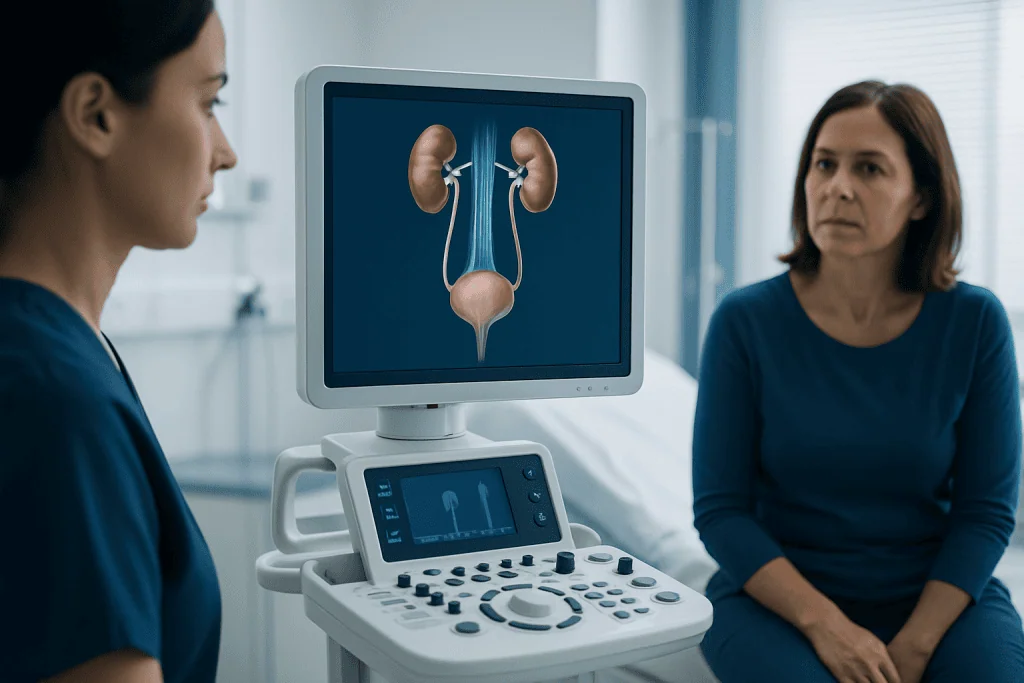
UTI symptoms vary depending on which part of the urinary tract is affected. A bladder infection often causes a burning or stinging sensation while urinating, the need to urinate more often than usual, and a strong urge to pass urine even when little comes out. Some people notice lower abdominal pressure, pelvic discomfort, cloudy urine, or urine with a strong smell.
In some cases, urine may appear pink, red, or brown due to blood. This can be frightening, but it is not uncommon with bladder irritation; it still requires medical evaluation to confirm the cause. Older adults may have less typical symptoms, and children may show fever, irritability, poor feeding, vomiting, or new daytime wetting instead of classic urinary discomfort.
Symptoms that suggest a kidney infection, also called pyelonephritis, include fever, chills, pain in the back or side below the ribs, nausea, vomiting, and feeling generally unwell. Kidney infections are more serious than simple bladder infections and should be assessed quickly by a healthcare professional.
- Common lower UTI symptoms: burning, frequency, urgency, cloudy urine, pelvic discomfort.
- Possible kidney infection symptoms: fever, chills, flank pain, nausea, vomiting.
- Symptoms in children or older adults may be less specific and should be interpreted carefully.
Causes & Risk Factors
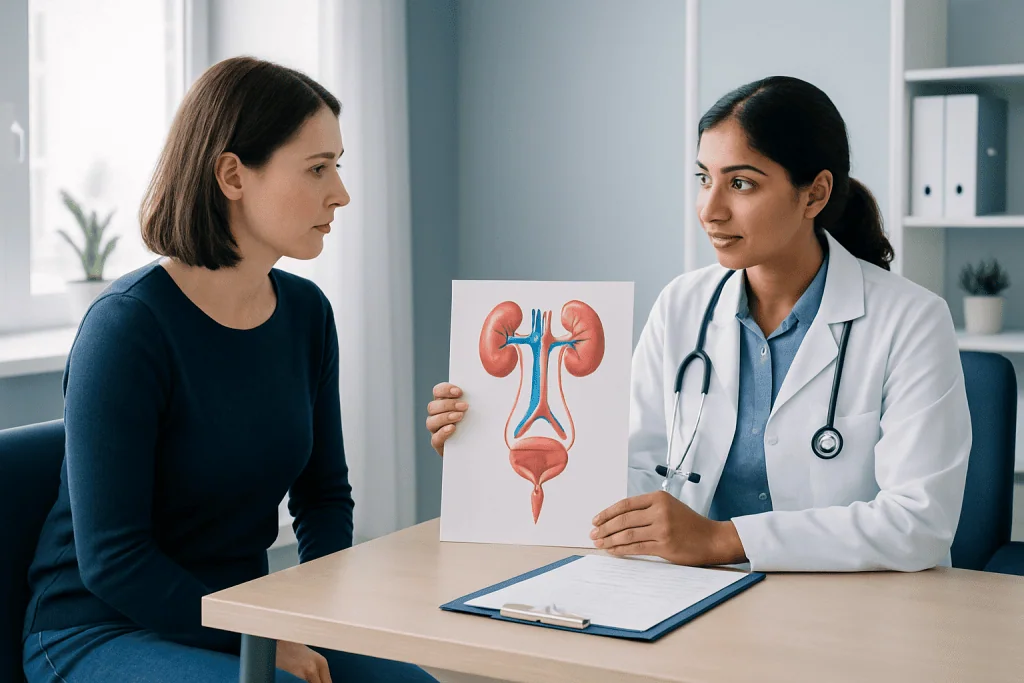
Most UTIs are caused by bacteria, especially Escherichia coli, a type of bacteria normally found in the bowel. Bacteria can enter the urethra and move upward into the bladder, where they multiply and cause inflammation. The female urethra is shorter and closer to the anus than the male urethra, which helps explain why UTIs are more common in women.
Several factors can increase the risk of a UTI. These include sexual activity, a new sexual partner, previous UTIs, menopause-related changes, pregnancy, diabetes, urinary stones, incomplete bladder emptying, urinary catheters, and immune system problems. In men, UTIs may be associated with prostate enlargement, prostatitis, urinary retention, or structural urinary tract problems.
Not all urinary symptoms are caused by infection. Irritation from soaps or hygiene products, dehydration, certain medications, bladder pain syndrome, kidney stones, sexually transmitted infections, and gynecological conditions can cause similar discomfort. This is why testing and medical review are especially important when symptoms are severe, recurrent, unusual, or not improving.
Diagnosis
Diagnosis usually begins with a discussion of symptoms, medical history, pregnancy status if relevant, recent antibiotic use, previous UTIs, and any risk factors for a complicated infection. A doctor may ask about fever, back pain, blood in the urine, sexual health, urinary retention, and underlying conditions such as diabetes or kidney disease.
A urine test is commonly used to support the diagnosis. A dipstick test may look for signs of infection such as white blood cells, nitrites, or blood. A urinalysis can examine the urine in more detail, and a urine culture can identify the specific bacteria and which antibiotics are likely to work. Cultures are often recommended for recurrent UTIs, suspected kidney infection, pregnancy, men with UTI symptoms, children, or when symptoms do not improve with initial treatment.
Imaging tests are not needed for most simple bladder infections. However, ultrasound, CT scan, or other evaluation may be considered if there are repeated infections, suspected kidney stones, urinary obstruction, unusual bacteria, kidney infection complications, or structural abnormalities. The goal is to treat the current infection and identify any underlying issue that may need attention.
Treatment Options
Antibiotics are the standard treatment for bacterial UTIs. The type and duration depend on the location of the infection, symptom severity, pregnancy status, kidney function, allergies, recent antibiotic exposure, and local resistance patterns. It is important to take antibiotics exactly as prescribed and to avoid using leftover antibiotics or someone else’s medication.
Many uncomplicated bladder infections improve within a few days of starting appropriate treatment, although symptoms may take longer to fully settle. Drinking fluids, resting, and using doctor-approved pain relief may help with comfort. If symptoms worsen, fever develops, or there is no improvement after the expected time, the patient should contact a healthcare professional for reassessment.
Kidney infections, UTIs in pregnancy, UTIs in men, catheter-associated infections, and infections in people with certain medical conditions may require different treatment plans. Some patients need urine cultures, follow-up testing, longer antibiotic courses, or hospital care if they cannot keep fluids down, have severe symptoms, or are at risk of complications.
Cranberry products, probiotics, and other non-antibiotic approaches are sometimes discussed for prevention, but they should not replace medical treatment for an active bacterial infection. Patients who have frequent UTIs should speak with a doctor about evidence-based prevention strategies tailored to their situation.
Prevention & Self-care
While not every UTI can be prevented, daily habits can reduce risk for many people. Staying well hydrated helps support regular urination, which can help flush bacteria from the urinary tract. It is also helpful to urinate when the urge occurs rather than holding urine for long periods.
Good genital hygiene is important, but harsh cleansing can irritate sensitive tissues. Gentle washing with water or mild unscented products is usually enough. Wiping from front to back after using the toilet can reduce the spread of bowel bacteria toward the urethra, particularly in women and girls.
People who notice UTIs related to sexual activity may benefit from urinating soon after intercourse and discussing individualized prevention with a doctor. Postmenopausal women with recurrent UTIs may be evaluated for vaginal dryness or tissue changes, for which a clinician can recommend appropriate options. People with diabetes, kidney stones, urinary retention, or catheters should follow their care plan closely to reduce infection risk.
- Drink enough fluids unless a doctor has advised fluid restriction.
- Do not delay urination for long periods.
- Avoid irritating products such as strongly scented sprays or harsh cleansers.
- Seek medical advice for recurrent UTIs rather than repeatedly self-treating.
When to See a Doctor
A medical evaluation is recommended for typical UTI symptoms such as burning urination, frequent urination, urgency, pelvic pain, or blood in the urine. Early assessment is especially important if symptoms are new, severe, recurrent, or associated with other medical conditions. Prompt treatment can relieve discomfort and reduce the chance of the infection spreading.
Urgent medical care is needed for fever, chills, back or side pain, nausea, vomiting, confusion, signs of dehydration, or feeling very unwell. Pregnant women, men, children, older adults, people with kidney disease, people with diabetes, and anyone with a urinary catheter should seek professional care rather than relying on home treatment alone.
People who have three or more UTIs in a year, two or more in six months, or symptoms that return soon after antibiotics should discuss recurrent UTI evaluation with a clinician. At Acibadem International, multidisciplinary specialists in JCI-accredited hospitals diagnose and treat urinary tract conditions for international patients, including cases that require urology, nephrology, infectious disease, or gynecology input.
Frequently asked questions
Can a urinary tract infection go away on its own?
Mild urinary symptoms may sometimes improve, but a true bacterial UTI often needs antibiotics to clear safely. Because untreated infections can spread to the kidneys in some people, it is best to seek medical advice, especially if symptoms are persistent, severe, or recurrent.
What is the difference between a bladder infection and a kidney infection?
A bladder infection is a lower urinary tract infection and commonly causes burning, urgency, frequency, and pelvic discomfort. A kidney infection affects the upper urinary tract and may cause fever, chills, flank pain, nausea, and a stronger feeling of illness. Kidney infection symptoms require prompt medical evaluation.
Why do some people get recurrent UTIs?
Recurrent UTIs may be related to anatomy, sexual activity, menopause-related changes, incomplete bladder emptying, stones, diabetes, or other urinary tract problems. A doctor may recommend urine cultures, review prevention habits, and check for underlying causes. Treatment should be individualized rather than relying on repeated self-treatment.
Is blood in the urine normal with a UTI?
Blood can occur with bladder inflammation during a UTI, and it may make urine look pink, red, or brown. However, blood in the urine can also have other causes, including stones or kidney and bladder conditions. It should be discussed with a healthcare professional, especially if it continues after treatment.
Are UTIs contagious?
A UTI itself is not usually considered contagious in the way a cold or flu is. However, sexual activity can increase the chance of bacteria entering the urinary tract, and some sexually transmitted infections can mimic UTI symptoms. If there is genital discharge, pelvic pain, sores, or a new sexual partner, testing may be needed.
Can men get urinary tract infections?
Yes, men can get UTIs, although they are less common than in women. In men, urinary symptoms may be linked to the prostate, urinary retention, stones, or other urinary tract issues. Men with UTI symptoms should have a medical assessment rather than using over-the-counter remedies alone.
What should pregnant women do if they have UTI symptoms?
Pregnant women should contact a healthcare professional promptly if they have urinary symptoms or are told they have bacteria in the urine. UTIs during pregnancy need careful diagnosis and pregnancy-safe treatment. Follow-up testing may be recommended to confirm the infection has cleared.
References
- Centers for Disease Control and Prevention
- National Institute of Diabetes and Digestive and Kidney Diseases
- European Association of Urology
- Infectious Diseases Society of America
- World Health Organization
This article is for general information only and is not a substitute for professional medical advice. Please consult a qualified doctor about your individual situation.
Urinary Tract Infection in Turkey — costs, top hospitals & a free quote
JCI-accredited · board-certified surgeons · reply within 24h
Add us as a Preferred Source to see more of our trusted health content across Google Search, AI Overviews and Discover.