Oral Cancer Screening Org: How It Works, Results and What to Expect
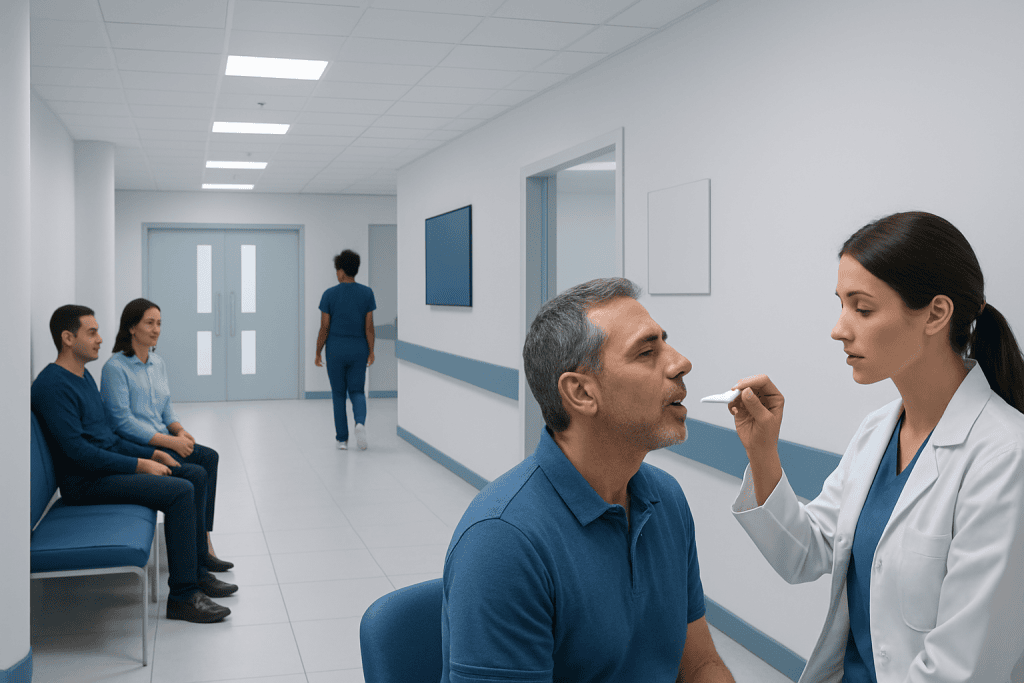
Oral cancer screening involves looking at and feeling the mouth, tongue, throat area and neck. A normal screening result is reassuring but does not replace seeking care for a persistent sore, lump or other change.
Key Takeaways
- Oral cancer screening involves looking at and feeling the mouth, tongue, throat area and neck.
- A normal screening result is reassuring but does not replace seeking care for a persistent sore, lump or other change.
- People who use tobacco, drink alcohol heavily, have HPV-related risk factors or have previous oral cancer may benefit from regular examinations.
- An unusual finding may require reassessment, imaging or a biopsy; most changes are not cancer.
- Regular dental visits, avoiding tobacco and limiting alcohol support oral health and cancer prevention.
Oral cancer screening is a brief clinical examination of the lips, mouth, tongue, throat area and neck for changes that may need further assessment. It is usually painless, does not diagnose cancer on its own, and can help identify suspicious areas early so that appropriate testing can be arranged.
Oral cancer screening org: what it is and why it matters
An oral cancer screening org search commonly refers to information about an oral cancer examination performed by a dentist, doctor, oral and maxillofacial specialist, or ear, nose and throat specialist. The examination looks for unusual changes in the lips, gums, cheeks, tongue, floor and roof of the mouth, and nearby throat and neck tissues. It is quick, noninvasive and generally performed during a routine dental or medical visit.
Screening is intended to identify areas that need attention before a diagnosis is made. It cannot confirm or rule out oral cancer with complete certainty. If a clinician finds a persistent ulcer, red or white patch, lump, thickened area, or another concerning change, they may recommend review after a short interval or referral for further tests, including a biopsy.
Oral cancers can involve the mouth or the oropharynx, the part of the throat behind the mouth. Symptoms can have many non-cancer causes, but changes that do not heal or improve deserve professional assessment. More detailed information about warning signs and diagnosis is available in oral cancer information.
Who may benefit from oral cancer screening?
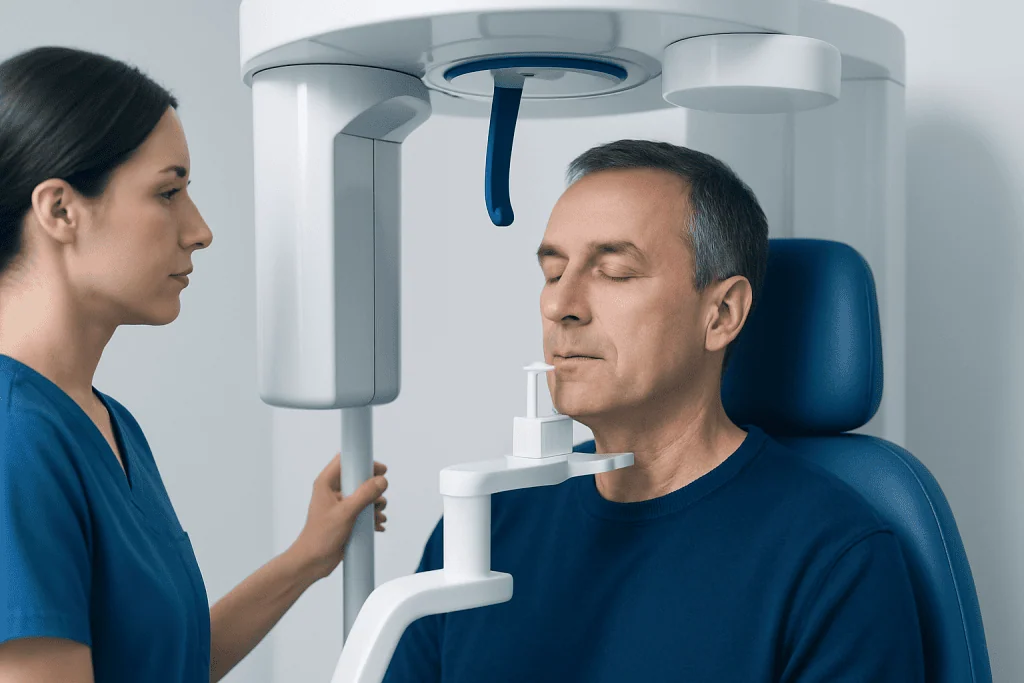
Anyone can ask for an oral cancer examination during a dental or medical check-up, especially if they notice a new or persistent mouth change. Routine dental visits offer a practical opportunity for a clinician to inspect oral tissues, although the recommended frequency of dental care varies according to a person’s oral health needs and local guidance.
Screening and regular review may be particularly important for people with a higher risk of oral cancer. Important risk factors include smoking or using smokeless tobacco, frequent or heavy alcohol use, using both tobacco and alcohol, previous oral cancer or precancerous mouth changes, and long-term sun exposure to the lips. Some cancers in the throat area are associated with certain types of human papillomavirus, or HPV.
Age, immune suppression, poor-fitting dental appliances that repeatedly irritate tissue, and a family or personal health history may also shape a clinician’s advice. Risk factors do not mean a person will develop cancer, and people without known risk factors can still develop it. A clinician can recommend an examination schedule based on individual circumstances.
What happens during an oral cancer screening?
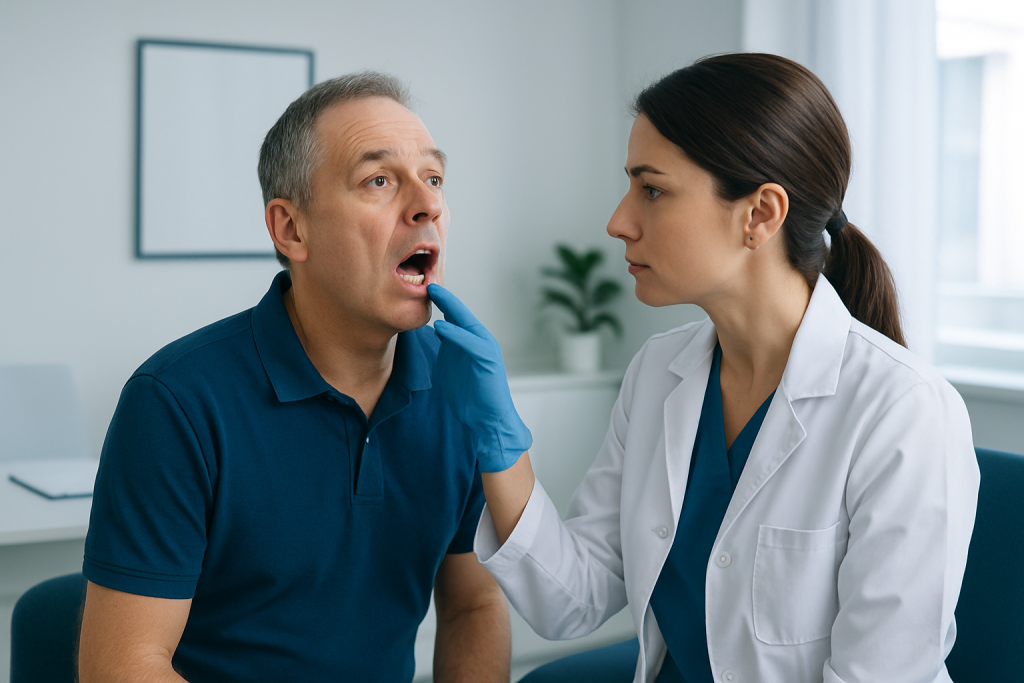
The clinician begins by asking about symptoms and relevant health history. They may ask about mouth sores, pain, bleeding, swallowing changes, voice changes, weight loss, tobacco and alcohol use, dental appliances, and how long any symptom has been present. Sharing accurate information helps the clinician decide whether further assessment is appropriate.
Next, the clinician uses a light and sometimes a small mirror to inspect the lips, gums, inner cheeks, palate, tongue and the tissue under the tongue. The person may be asked to remove dentures or other removable appliances, open their mouth widely, move the tongue in several directions, or say a sound so the back of the throat can be seen.
The examination also includes gentle palpation, meaning feeling the lips, cheeks, tongue, floor of the mouth and neck for firm areas, tenderness or enlarged lymph nodes. It generally takes only a few minutes and does not require anesthesia, fasting, injections or a recovery period. Some practices use adjunctive lights or rinses, but these do not replace a careful conventional examination or a biopsy when a suspicious lesion is found.
Most people can return immediately to work, school and normal eating after the examination. If a photograph, diagram or follow-up visit is recommended, this helps compare a change over time. If a biopsy is needed, the clinician will explain the procedure and aftercare separately.
Understanding results, benefits and possible next steps
A normal result means the clinician did not see or feel an abnormality that needs immediate investigation. It is reassuring, but a person should still report any new symptom that persists, changes, or causes concern between appointments. Early lesions may be subtle, and no screening examination can detect every cancer.
An abnormal or unclear result does not mean cancer is present. Mouth ulcers, infections, trauma from biting the cheek, irritation from a sharp tooth or denture, inflammatory conditions and benign growths can all create changes in oral tissues. The clinician may remove an obvious source of irritation, arrange a repeat examination, or refer the person to a dentist with special expertise, oral and maxillofacial surgeon, or ENT specialist.
The main benefit of screening is that it provides an opportunity to find changes at a stage when they can be assessed promptly. The main limitation is the possibility of false-positive findings, meaning a harmless change may still require follow-up, and false-negative findings, meaning a concerning condition may not be apparent at one examination. A biopsy, where a small tissue sample is examined in a laboratory, is the standard way to establish a diagnosis when cancer is suspected.
When tests confirm oral cancer, care is planned around the site, stage and biology of the cancer as well as the person’s overall health. Treatment may involve oral cancer treatment, such as surgery, radiation therapy, systemic treatment, rehabilitation and supportive dental care, provided by a multidisciplinary team.
Is oral cancer screening at the dentist worth it?
For many people, an oral cancer examination during a dental visit is worthwhile because it is simple, painless and provides a chance to discuss mouth or throat symptoms with a trained clinician. Dentists regularly examine the oral tissues and can identify changes that warrant monitoring or referral. It is especially useful for people with tobacco or alcohol exposure, prior oral lesions, or a history of head and neck cancer.
However, a dental screening examination is not a guarantee that cancer is absent, and it should not delay medical care for symptoms that last longer than two weeks or are getting worse. People should seek assessment even if they recently had a normal dental examination when they have a persistent mouth sore, a lump, unexplained bleeding, numbness, difficulty swallowing, a neck mass or a lasting voice change.
Regular dental care also supports prevention by identifying gum disease, dental trauma and other conditions that can affect comfort and oral health. A dentist can advise on oral hygiene, denture fit and tobacco cessation support, and can coordinate referral when needed.
Which fruit is good for mouth cancer?
No fruit can cure mouth cancer or replace medical treatment. For most people, a varied eating pattern that includes fruits, vegetables, whole grains and suitable protein sources supports general health. Fruits rich in vitamins, fluids and fiber can be part of this pattern, but there is no single “best” fruit for preventing or treating oral cancer.
During treatment for mouth cancer, eating may become difficult because of pain, dry mouth, mouth sores, altered taste or swallowing problems. Soft, ripe fruits such as bananas, melon, stewed apples or pears, and blended fruit may be easier for some people than acidic, rough or hard foods. Citrus fruits, pineapple and very tart fruits can sting irritated tissues in some cases.
A dietitian, speech and swallowing therapist, dentist and cancer care team can provide individual advice, particularly if weight loss, swallowing difficulty or treatment side effects occur. Nutrition needs differ depending on the treatment plan and any other medical conditions.
What is the three finger test for mouth cancer?
The “three finger test” is an informal public awareness term rather than a validated diagnostic test for mouth cancer. It may refer to trying to open the mouth wide enough to place three fingers vertically between the front teeth. Difficulty opening the mouth, known as trismus, can occur for several reasons, including jaw joint problems, infection, scarring, dental conditions or, less commonly, a tumor.
Being able to fit three fingers in the mouth does not rule out oral cancer, and being unable to do so does not diagnose it. Self-checks can help a person notice a change, but they cannot replace an examination by a qualified clinician. A new or progressive reduction in mouth opening, particularly with pain, a lump, ulcer, swallowing difficulty or unexplained weight loss, should be assessed.
A safer approach is to become familiar with the usual appearance of the lips, cheeks, tongue and gums, and arrange a professional review if a change persists for more than two weeks. Avoid repeatedly poking, scraping or trying to treat an unexplained lesion at home.
When to seek medical care
Medical or dental assessment is appropriate for a mouth ulcer, red or white patch, swelling, lump, numbness, unexplained bleeding or pain that does not heal or improve within two weeks. Other reasons to seek care include persistent sore throat, difficulty chewing or swallowing, a change in speech or voice, loose teeth without a clear dental cause, or a lump in the neck.
Urgent assessment is important if breathing becomes difficult, swallowing is suddenly severely impaired, there is significant bleeding, or swelling is rapidly increasing. These symptoms can have causes other than cancer, but prompt care is needed to protect breathing and swallowing.
At Acibadem International, multidisciplinary specialists in dentistry, ENT, oral and maxillofacial surgery, pathology and oncology can assess suspicious oral findings and plan appropriate care for international patients in JCI-accredited hospitals. The next step after an abnormal screening result is usually targeted clinical evaluation and, when indicated, a biopsy rather than assuming a diagnosis.
Frequently asked questions
How long does an oral cancer screening take?
The visual and physical examination usually takes only a few minutes when included in a dental or medical appointment. More time may be needed if there are symptoms to discuss or a suspicious area needs to be documented. A separate biopsy appointment may be required if further testing is recommended.
Does oral cancer screening hurt?
A routine screening examination should not hurt. The clinician looks at the mouth and gently feels tissues in the mouth and neck. An existing sore or inflamed area may be tender when touched, so it is helpful to tell the clinician about discomfort.
Can a dentist diagnose oral cancer from a screening exam?
A dentist may identify a suspicious change and recommend prompt follow-up, but a visual examination alone cannot usually confirm cancer. Diagnosis generally requires a biopsy and laboratory assessment of tissue. Imaging and specialist evaluation may also be used when appropriate.
How often should a person have an oral cancer screening?
The appropriate frequency depends on oral health, risk factors and whether symptoms or previous abnormal findings are present. Many people receive an oral tissue examination during routine dental care. Those at higher risk or with prior lesions may need closer follow-up recommended by their clinician.
What should a person do before an oral cancer screening?
No special preparation is usually necessary. It can be useful to make a note of when a symptom started, whether it has changed, and any tobacco, alcohol, HPV or previous cancer history. Removable dentures may need to be taken out during the examination.
Can oral cancer occur in people who do not smoke?
Yes. Tobacco is an important risk factor, but oral and throat cancers can also occur in people who have never smoked. Alcohol use, certain HPV infections, sun exposure to the lips, immune factors and other influences may contribute, and sometimes no clear risk factor is identified.
References
- World Health Organization
- American Cancer Society
- National Cancer Institute
- American Dental Association
- National Health Service
This article is for general information only and is not a substitute for professional medical advice. Please consult a qualified doctor about your individual situation.
Oncology care in Turkey — second opinion and treatment plan
JCI-accredited · board-certified surgeons · reply within 24h
Add us as a Preferred Source to see more of our trusted health content across Google Search, AI Overviews and Discover.

More from the Health Library



Related Specialists

Asst. Prof. Dr. Özlem Aptı Sengkıoun
Dermatology
Prof. Dr. Hacer Kuzu Okur
Pulmonary Medicine
Dr. Aynur Göksel
Physical Medicine & Rehabilitation
Prof. Dr. Mehmet Uğur Özbaydar
Orthopedic Surgery & Traumatology