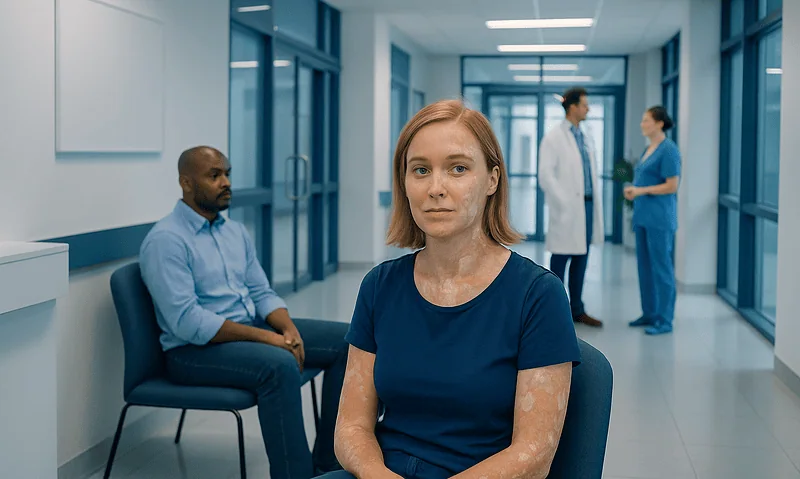
Neurofibromatosis Treatment: How It Works, Results and What to Expect
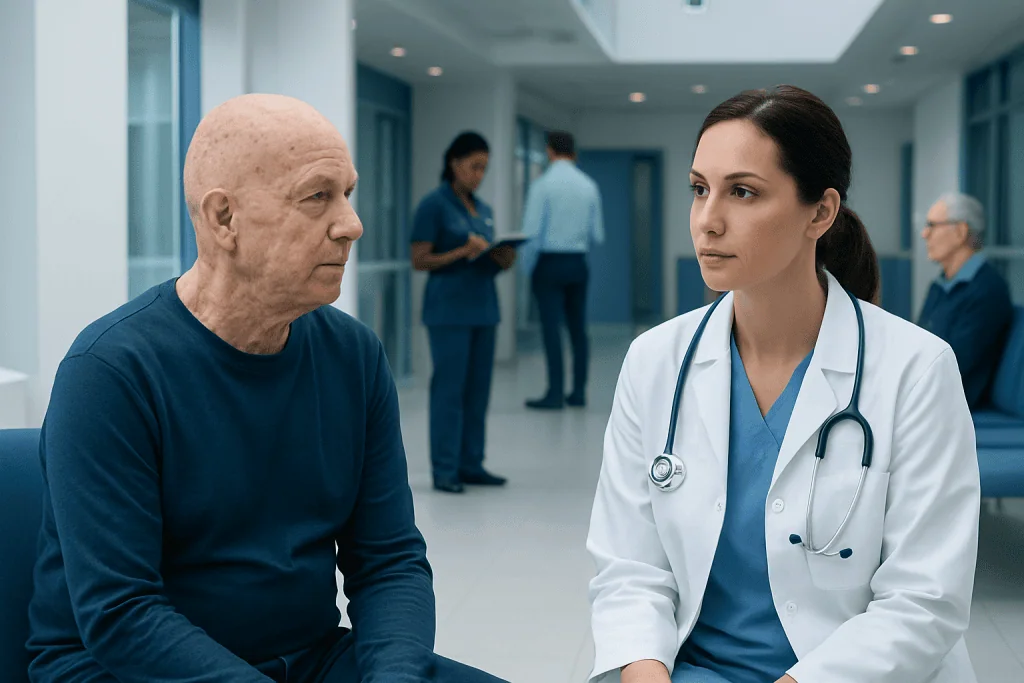
Neurofibromatosis is a group of genetic conditions, most commonly NF1 and NF2-related schwannomatosis. Not every tumor needs treatment; monitoring is appropriate when growths are stable and not causing symptoms.
Key Takeaways
- Neurofibromatosis is a group of genetic conditions, most commonly NF1 and NF2-related schwannomatosis.
- Not every tumor needs treatment; monitoring is appropriate when growths are stable and not causing symptoms.
- Surgery and targeted medicines may be considered for selected tumors, especially those affecting function, appearance or comfort.
- Care often involves genetics, neurology, dermatology, ophthalmology, orthopedics, pain specialists and surgeons.
- New or rapidly changing symptoms should be assessed promptly, particularly persistent pain, weakness or rapid tumor growth.
Neurofibromatosis treatment is individualized and may include regular monitoring, symptom-focused care, targeted medicines and surgery for tumors causing pain, functional problems or concern for cancerous change. Although there is not yet a cure for neurofibromatosis, coordinated specialist care can help many people manage its effects throughout life.
Neurofibromatosis Treatment: How It Works
Neurofibromatosis treatment is designed to identify and manage the specific problems a person has, rather than to treat every visible tumor. Care may involve observation with scheduled examinations and scans, treatment for pain or other symptoms, surgery for selected growths, and medicines for certain inoperable or troublesome tumors. The best plan depends on the type of neurofibromatosis, tumor location, age, symptoms and how quickly a change is occurring.
Neurofibromatosis includes inherited conditions in which tumors can develop along nerves. Neurofibromatosis type 1 (NF1) commonly causes café-au-lait skin marks, skin neurofibromas and sometimes deeper plexiform neurofibromas. NF2-related schwannomatosis and other forms of schwannomatosis more often involve schwannomas that may affect hearing, balance, movement or pain.
Treatment is usually led by a multidisciplinary team because neurofibromatosis can affect the skin, nervous system, bones, eyes, learning and emotional well-being. A care plan may combine neurological assessment, genetic counseling, imaging, rehabilitation and surgical expertise. The aim is to preserve function, relieve symptoms and monitor for complications early.
Who May Need Treatment and How Candidacy Is Decided
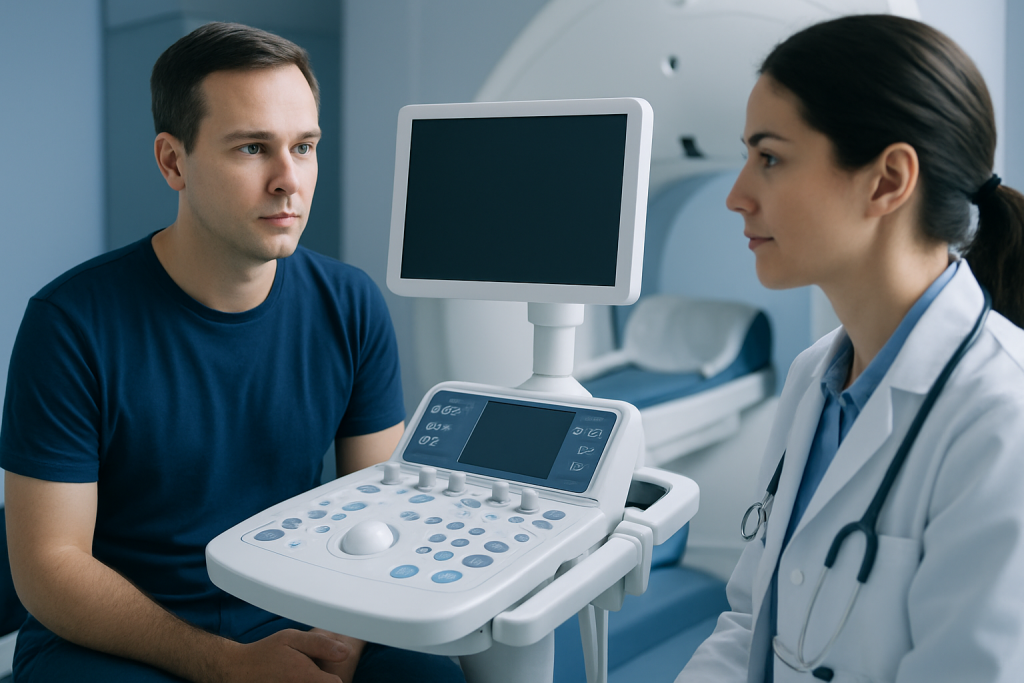
Many people with neurofibromatosis do not need an immediate procedure. Stable, painless skin neurofibromas or small internal tumors that are not affecting nearby structures may be followed over time. Monitoring commonly includes clinical examinations, review of symptoms, blood pressure checks, eye assessments when appropriate, developmental or learning support for children, and imaging when a tumor needs closer evaluation.
Active treatment may be considered when a tumor causes persistent pain, weakness, numbness, movement limitation, loss of hearing or vision, bowel or bladder changes, breathing difficulty, disfigurement that is important to the individual, or concern for a malignant transformation. Tumor size alone does not always determine treatment; its location and effect on nerves, blood vessels and organs are also important.
Before recommending surgery or medicine, specialists assess the type of tumor, whether it can be removed safely, the likely effect on nerve function and the person’s overall health. MRI is often used for deeper nerve tumors. Genetic counseling can help individuals and families understand inheritance, testing options and implications for relatives.
- Observation may suit tumors that are stable and symptom-free.
- Surgery may suit localized tumors that can be removed with an acceptable risk to nearby structures.
- Targeted medicine may be considered for selected symptomatic, inoperable plexiform neurofibromas.
- Rehabilitation, pain management and psychological support can be valuable alongside medical treatment.
What Happens During Neurofibromatosis Procedures

There is no single neurofibromatosis procedure. For skin neurofibromas, a dermatologist or surgeon may remove individual lesions using surgical excision or other techniques selected for their size and location. The goal may be relief of irritation, bleeding or discomfort, or improvement in appearance. Removed tissue may be examined in a laboratory when clinically indicated.
For a deeper neurofibroma, schwannoma or plexiform neurofibroma, the process begins with detailed imaging and planning. A surgeon considers whether the tumor can be separated from the nerve and surrounding tissues without unacceptable loss of function. During surgery, anesthesia is used and specialized monitoring may help protect important nerves. Complete removal is not always possible or advisable, particularly when a tumor is intertwined with major nerves or blood vessels.
Some people with NF1 and symptomatic, unresectable plexiform neurofibromas may be evaluated for targeted medicines that act on signaling pathways involved in tumor growth. These medicines do not eliminate the underlying genetic condition and require regular follow-up for effectiveness and side effects. Radiation therapy is generally approached cautiously in neurofibromatosis because it may raise the risk of treatment-related tumors in susceptible individuals; decisions require specialist assessment.
For complex cases, coordinated review by neurology, neurosurgery, oncology, radiology, dermatology and rehabilitation professionals helps match treatment intensity to the person’s needs. Acibadem International’s multidisciplinary specialists and JCI-accredited hospitals provide diagnosis and treatment planning for international patients with neurofibromatosis.
Benefits, Risks and Recovery Timeline
The potential benefit of treatment depends on the problem being addressed. Removing a localized tumor may relieve pressure, pain, recurrent irritation or a functional limitation. Targeted medicines may reduce tumor volume or improve symptoms in some eligible people. Monitoring can also be an active and beneficial approach, avoiding the risks of treatment until there is a clear reason to intervene.
Risks of surgery vary widely by tumor site. They can include bleeding, infection, scarring, altered sensation, weakness, pain, wound-healing problems and incomplete removal. When a tumor involves a major nerve, surgery can sometimes worsen nerve function despite careful planning. Medicines can also cause side effects, so blood tests, physical examinations and symptom review may be needed during treatment.
Recovery after removal of a small skin lesion may take days to a few weeks, depending on the wound and aftercare needs. Recovery from deep nerve or spinal surgery is usually longer and may include hospital observation, pain control, physiotherapy and a gradual return to activity over weeks or months. Follow-up appointments are important because residual tumors or tumors elsewhere may continue to require monitoring.
A person should ask the treating team about the expected benefit, alternatives, possible effect on nerve function, need for rehabilitation and signs of complications after any procedure. Shared decision-making is particularly important when treatment is elective or when the potential benefits and risks are closely balanced.
Does Neurofibromatosis Get Worse With Age?
Neurofibromatosis can change over time, but its course is highly variable. Some features of NF1, including skin neurofibromas, may become more noticeable during adolescence and adulthood. Certain tumors can grow during periods of hormonal change, although this is not predictable for every person.
Some people have mild symptoms throughout life, while others develop complications that need more regular follow-up or treatment. In NF2-related schwannomatosis and other schwannomatosis conditions, tumors may affect hearing, balance or pain as they grow. Regular monitoring helps clinicians recognize meaningful changes and respond early.
A noticeable change is not automatically a sign of a serious problem. However, a rapidly enlarging mass, a tumor that becomes hard or persistently painful, new weakness, changing sensation, or unexplained decline in function should be assessed without delay.
What Vitamins Are Good for Neurofibromatosis?
No vitamin or supplement has been proven to cure neurofibromatosis, prevent neurofibromas or reliably shrink established tumors. A balanced dietary pattern that provides adequate protein, fruit, vegetables, whole grains and healthy fats supports general health, recovery and bone health, but it does not replace medical follow-up.
Vitamin D, calcium, iron and other nutrients may be checked or recommended when a person has a documented deficiency, dietary restriction, bone-health concern or another clinical reason. Children with NF1 may need individualized nutritional and growth assessment as part of routine care. Supplements should be used under the guidance of a doctor or registered dietitian, especially when prescription medicines are being taken.
It is sensible to be cautious about products marketed as tumor cures or “natural” alternatives. Some supplements can interact with medicines, affect surgery or cause side effects. A clinician can help review supplements safely and address specific nutritional concerns.
Is There a Cure Coming Soon for Neurofibromatosis?
There is currently no cure that corrects the underlying genetic changes responsible for neurofibromatosis. Research is advancing understanding of the molecular pathways involved in NF1, NF2-related schwannomatosis and related disorders. This has led to targeted treatments for selected tumor types and has expanded clinical research options.
Progress does not mean that one treatment will suit everyone. Neurofibromatosis includes different conditions and tumor types, and treatments need to be evaluated for long-term effectiveness and safety. People interested in clinical trials should discuss eligibility, potential benefits and uncertainties with a neurofibromatosis specialist.
Ongoing care remains important even when symptoms are mild. Advances in surveillance, surgery, rehabilitation and targeted medicines continue to improve how complications are managed, while research works toward more definitive therapies.
Do Neurofibromas Grow Back After Removal? When to Seek Medical Care
A neurofibroma that is completely removed may not return at the same site, but this cannot be guaranteed. Regrowth is more likely when a tumor cannot be fully removed because it involves important nerves or tissues. People with NF1 can also develop new neurofibromas in other areas over time, because the condition affects the body’s tendency to form these tumors rather than a single lesion alone.
Medical review is recommended for a new lump, a known tumor that is enlarging, persistent or worsening pain, tingling, numbness, weakness, loss of coordination, hearing or vision changes, severe headache, seizures, or changes in bowel or bladder control. Urgent assessment is appropriate for sudden neurological symptoms, rapidly progressing weakness or severe uncontrolled pain.
Routine appointments are equally valuable, even when no urgent concern is present. A specialist can review symptom changes, arrange appropriate imaging and help decide whether continued observation, medication, surgery or supportive care is most suitable.
Frequently asked questions
What is the main goal of neurofibromatosis treatment?
The main goal is to manage symptoms and complications while protecting function and quality of life. Treatment may address pain, tumor growth, hearing or vision issues, movement problems, skin lesions or emotional concerns. Not all tumors require treatment.
Can neurofibromatosis be treated without surgery?
Yes. Many people are monitored without surgery when tumors are stable and not causing significant symptoms. Medicines, pain management, rehabilitation, hearing support and other non-surgical approaches may also be appropriate depending on the condition and tumor type.
How often are scans needed for neurofibromatosis?
The schedule is individualized. Some people need imaging only when symptoms or examination findings suggest a concern, while others require regular scans for known tumors. A specialist determines the safest and most useful follow-up plan.
Can pregnancy affect neurofibromatosis tumors?
Some neurofibromas may increase in size or become more noticeable during pregnancy, but experiences vary considerably. People with neurofibromatosis who are planning pregnancy should discuss monitoring, medications and genetic counseling with their healthcare team.
Are neurofibromas cancerous?
Most neurofibromas are benign. However, a small proportion of certain deeper tumors, particularly plexiform neurofibromas in NF1, can undergo concerning changes. Rapid growth, persistent pain, hardness or new neurological symptoms should be evaluated promptly.
Can neurofibromatosis be passed to children?
Some forms of neurofibromatosis are inherited in an autosomal dominant pattern, meaning a person with the condition may have a 50% chance of passing the altered gene to each child. The severity can vary even within the same family. Genetic counseling can provide individualized information and discuss testing options.
References
- National Institute of Neurological Disorders and Stroke
- Children's Tumor Foundation
- National Cancer Institute
- GeneReviews
- European Reference Network for Genetic Tumour Risk Syndromes
This article is for general information only and is not a substitute for professional medical advice. Please consult a qualified doctor about your individual situation.
Oncology care in Turkey — second opinion and treatment plan
JCI-accredited · board-certified surgeons · reply within 24h
Add us as a Preferred Source to see more of our trusted health content across Google Search, AI Overviews and Discover.
Check your numbers in seconds
BMI, calories, due date, blood pressure and 30+ more clinical calculators — free, instant, doctor-reviewed ranges.