Eb Treatment: How It Works, Results and What to Expect
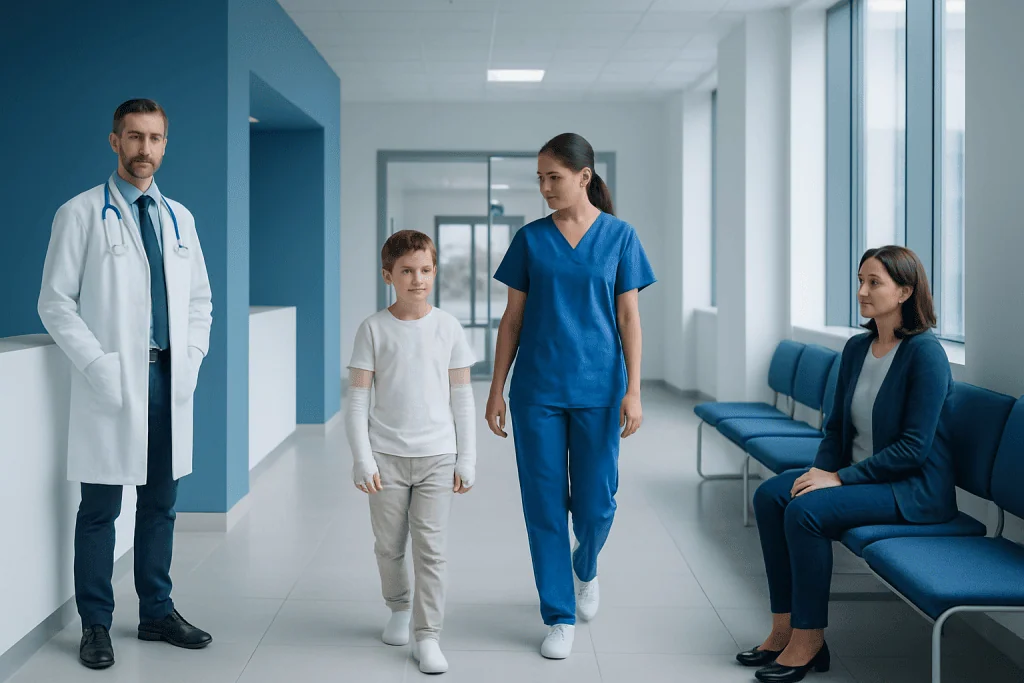
EB is a group of inherited conditions that cause skin to blister or tear easily after friction or minor injury. Treatment is individualized according to the EB type, affected areas, age, symptoms and complications.
Key Takeaways
- EB is a group of inherited conditions that cause skin to blister or tear easily after friction or minor injury.
- Treatment is individualized according to the EB type, affected areas, age, symptoms and complications.
- Daily skin protection, careful wound care, pain management and nutrition are central parts of care.
- Some people may benefit from prescription wound therapies, surgery, rehabilitation or treatment of related complications.
- New gene-, cell- and protein-based approaches are advancing, but a universal cure is not yet available.
EB treatment focuses on protecting fragile skin, preventing and treating wounds and infections, maintaining nutrition, controlling pain, and addressing complications early. Although epidermolysis bullosa (EB) is not yet curable in most cases, specialist care and newer therapies can improve comfort, function and quality of life.
EB treatment: the main approach
EB treatment refers to care for epidermolysis bullosa, a group of rare inherited conditions in which the skin, and sometimes internal linings such as the mouth or esophagus, are unusually fragile. The main goals are to reduce friction and blistering, manage wounds and pain, prevent infection, maintain nutrition and mobility, and identify complications promptly. Care is tailored because EB ranges from relatively mild forms to severe forms requiring intensive lifelong support.
For many people, treatment is a daily routine rather than one single procedure. It may include protective dressings, skin-safe clothing, gentle bathing, blister management, prescribed medicines, nutritional support, physiotherapy and regular reviews with dermatology and other specialists. Families should receive practical training from an experienced EB team, as dressing choice and handling techniques can make a meaningful difference.
EB is treatable in the sense that its symptoms and complications can be managed. However, most forms are caused by changes in genes affecting skin structure, so standard care does not remove the underlying cause. Research and selected advanced treatments are expanding options for certain types of EB, particularly some forms of dystrophic EB.
How EB treatment works
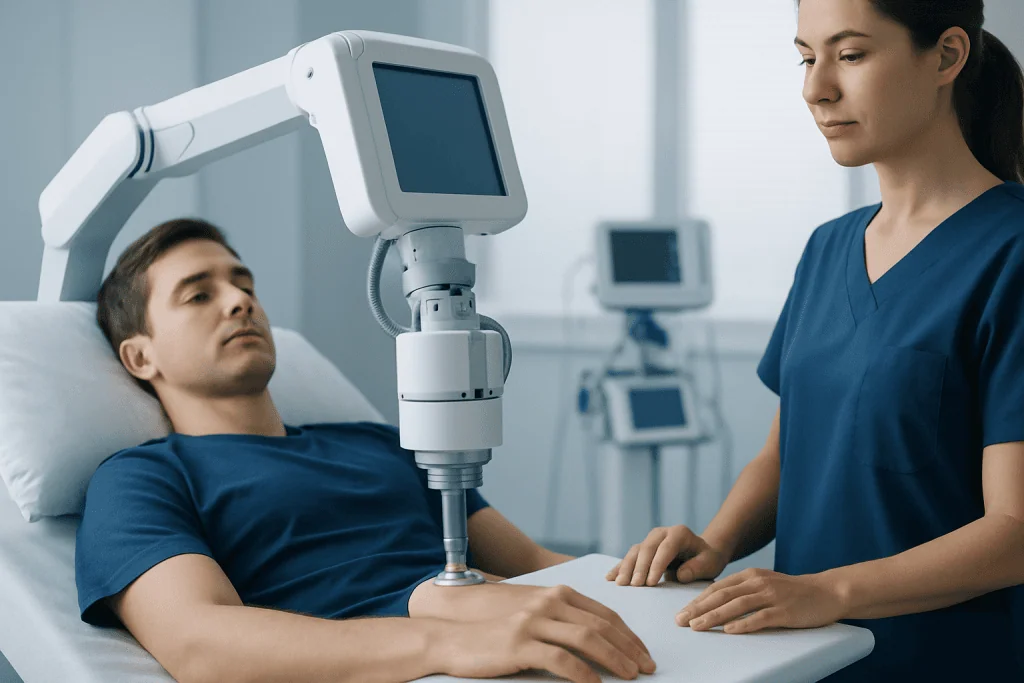
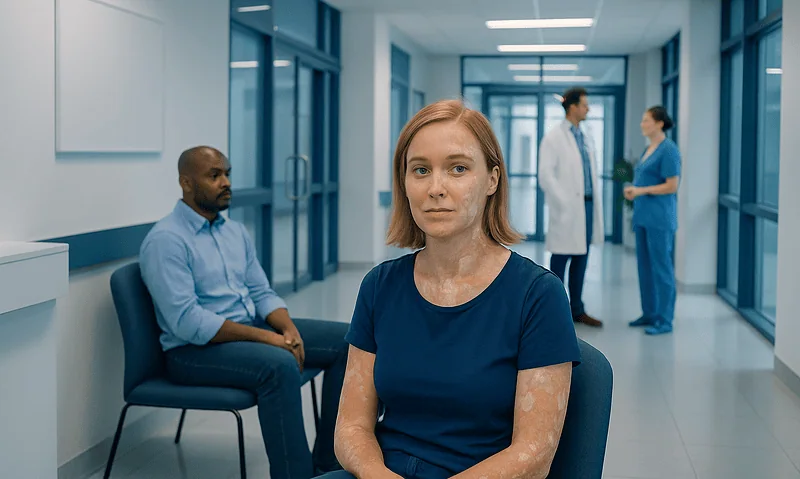
Healthy skin has layers that are firmly connected. In EB, inherited changes in structural proteins weaken these connections, so rubbing, pressure, heat or minor trauma can lead to blisters, erosions or wounds. Treatment works by reducing mechanical damage, creating a moist and protected healing environment, and responding early to problems such as infection, itch, scarring or pain.
Non-adhesive dressings are commonly used because ordinary adhesive products may tear fragile skin during removal. Clinicians may advise padded garments, soft seams or seamless clothing, careful positioning, and strategies to reduce rubbing from footwear, medical equipment or everyday activities. Blisters may sometimes be drained by trained caregivers using a sterile technique while keeping the blister roof in place, which can protect the underlying skin.
Some individuals with eligible wounds may be considered for specialist therapies that support wound healing. These can include topical treatments, biological products or gene-based wound therapies in settings where they are available and appropriate. The choice depends on the EB subtype, wound features, medical history, local availability and assessment by a specialist team.
Who may need specialist EB care

Anyone with confirmed or suspected EB can benefit from an individualized care plan. The type of EB is important: epidermolysis bullosa simplex often affects the outer skin layer and may be mild or more extensive; junctional EB and dystrophic EB can involve deeper layers and may lead to more complex wounds, scarring, nutritional difficulties or other complications. Genetic testing and, in some cases, skin-based testing help clarify the diagnosis.
Specialist care is particularly important for babies and children with widespread blistering, people with wounds that do not heal, recurrent infections, significant pain, swallowing difficulty, weight loss, reduced hand function, eye symptoms or changes in a chronic wound. Adults with severe dystrophic EB also need regular skin surveillance because long-standing wounds can rarely develop skin cancer.
A coordinated team may include dermatologists, pediatricians or adult physicians, wound-care nurses, pain specialists, dietitians, dentists, physiotherapists, occupational therapists, psychologists, surgeons, gastroenterologists and ophthalmologists. The most appropriate team varies with each person’s symptoms and EB subtype.
What to expect from daily care and procedures
EB care usually begins with a careful review of the skin, pain, nutrition, mobility, mouth and eye health, bowel habits, sleep, emotional wellbeing and family support needs. The clinician may map wounds, take photographs for follow-up, obtain swabs if infection is suspected, and arrange blood tests when anemia, inflammation or nutritional deficiencies are a concern. A written plan can help coordinate home care, school, work and emergency care.
During a dressing change, pain relief may be planned in advance and dressings may be softened or removed gently to avoid trauma. Wounds are assessed, cleaned as advised, protected with non-stick contact layers and covered with absorbent padding when needed. The frequency of changes depends on wound drainage, dressing type and comfort; the EB team should give individualized instructions.
Some complications need procedures. For example, narrowing of the esophagus may require evaluation and treatment by a specialist, while scar-related hand changes can sometimes be assessed for reconstructive approaches and rehabilitation. Procedures require careful planning because skin fragility, airway care, nutrition and pain control may affect anesthesia and recovery.
- Bring current dressings and a personal handling plan to appointments or hospital visits.
- Tell healthcare professionals that adhesive tapes and friction can damage EB skin.
- Ask for a plan for pain control before wound care, dental work, scans or procedures.
Benefits, recovery and possible risks
The benefit of EB treatment is usually measured in practical outcomes: fewer or less severe blisters, better wound comfort, lower infection risk, improved sleep, easier movement, better nutrition and greater ability to participate in daily life. Results differ greatly between EB types and between individuals. Chronic wounds may heal slowly, and treatment goals are often ongoing symptom control rather than a permanent resolution.
Recovery after routine wound care is usually immediate, although tender areas may need days or longer to improve. Recovery after surgery or another intervention depends on the purpose and extent of the procedure, the EB subtype, nutritional status and whether wounds are already present. The treating team will explain expected healing, activity modifications and follow-up before any planned procedure.
Potential risks include skin damage from handling or adhesive materials, discomfort during dressing changes, allergic or irritant reactions to topical products, infection, bleeding from fragile wounds and scarring. Antibiotics are not routinely needed for every wound; they are used when there is clinical evidence of infection or another clear indication. New or worsening redness, warmth, swelling, discharge, fever, increasing pain or an unpleasant odor should be assessed promptly.
How can EB be treated or cured?
There is currently no single cure that works for every type of EB. EB treating treatment combines preventive skin care with management of wounds, pain, itch, infection, nutrition, scarring and organ-related complications. Genetic counseling can help families understand inheritance patterns and discuss reproductive options where desired.
Scientific progress is bringing more targeted approaches, including treatments designed to supply a missing skin protein, support production of a needed protein, or address disease-causing genetic changes in selected forms of EB. These treatments may be appropriate only for specific EB subtypes and wound situations. They do not replace careful daily skin protection and multidisciplinary follow-up.
The term EBM treatment is sometimes used online but does not describe one recognized universal treatment for epidermolysis bullosa. People considering any product or procedure should discuss it with an EB specialist, especially if it promises a cure or recommends stopping established wound care. A multidisciplinary EB service can help weigh potential benefits, limits and safety considerations for each option.
What is the average life span of someone with EB?
Life expectancy in EB varies widely and cannot be summarized by one average figure. It depends mainly on the specific subtype, disease severity, extent of internal involvement, nutritional status, infection risk and access to experienced multidisciplinary care. Many people with milder forms, including many cases of EB simplex, have a typical life span.
Some severe forms, particularly certain generalized junctional or recessive dystrophic EB subtypes, can be life-limiting and require close specialist monitoring. Complications may include serious infection, difficulty feeding or swallowing, anemia, kidney problems, heart complications and, in some people with severe dystrophic EB, aggressive skin cancers arising in chronic wounds.
An EB specialist can provide the most meaningful outlook after confirming the subtype and reviewing the individual’s health. Regular surveillance and early treatment of complications are important parts of improving health and quality of life over time.
How close are we to a cure for EB?
Research into EB is active, and the outlook for targeted treatment is improving. Gene-based therapies, cell therapies, protein replacement strategies and medicines that influence wound healing or inflammation are being studied or used in carefully selected situations. These developments are important, but they are not yet a universal cure for all people or all EB subtypes.
Whether a person is eligible for an advanced therapy depends on genetic diagnosis, subtype, wound characteristics, age, other health conditions and treatment availability. Participation in a clinical trial may be an option for some people, but trials have specific criteria and possible risks. An EB center can explain whether a particular approach is evidence-based and appropriate.
For now, the most effective approach remains comprehensive care that prevents injury, treats symptoms early and supports the person’s physical and emotional wellbeing. Research advances can be discussed alongside established care rather than as a substitute for it.
Does EB get better with age, and why can fingers become fused?
Whether EB gets better with age depends on the subtype. Some people with milder EB simplex may notice fewer blisters over time or learn effective ways to avoid triggers, although heat, activity and friction can still cause symptoms. Other forms remain persistent and may become more complex because repeated wounds and scarring accumulate over time.
People with severe dystrophic EB may lose finger separation because recurring wounds heal with scar tissue. This can cause the skin between fingers to contract and join together, a process called mitten deformity or pseudosyndactyly. It is not a sudden loss of fingers; rather, scarring can gradually restrict movement and make fingers difficult to separate.
Early hand therapy, protective dressings, splints when recommended and regular assessment by occupational therapy or hand specialists can help preserve function. In selected cases, surgery may release scar tissue, but recurrence is possible, so long-term rehabilitation and skin protection remain essential.
When to seek medical care
Medical assessment is needed urgently for fever, rapidly spreading redness, increasing swelling, pus-like drainage, unusual odor from a wound, worsening pain, signs of dehydration, breathing difficulty, inability to swallow fluids, severe constipation or a child who is feeding poorly. These symptoms can have many causes, but in EB they should not be managed alone at home.
Arrange a prompt specialist review for wounds that are not healing, repeated infections, unexplained weight loss, persistent anemia symptoms, new trouble swallowing, eye pain or light sensitivity, reduced hand movement, or a chronic wound that changes in size, appearance, pain or bleeding. People with severe EB should follow their team’s schedule for routine skin and complication surveillance.
Acibadem International’s multidisciplinary specialists and JCI-accredited hospitals support diagnosis and treatment planning for international patients with complex skin conditions, including epidermolysis bullosa. A qualified doctor should guide all treatment choices and adapt wound-care plans to the individual.
Frequently asked questions
Is EB treatable?
Yes. EB is treatable in the sense that symptoms, wounds and complications can be managed, often with a detailed daily care plan. Most forms cannot currently be cured with standard treatment because they are inherited genetic conditions, but newer targeted therapies are becoming available for selected subtypes.
What is the main goal of EB treatment?
The main goals are to prevent skin injury, relieve pain and itch, promote wound healing, prevent infection and preserve nutrition and mobility. Care also includes monitoring for complications that can affect the mouth, eyes, digestive tract, hands and other body systems.
How are EB blisters treated?
Blisters are commonly protected from friction and managed with non-adhesive dressings. In some cases, trained caregivers may drain a blister using sterile technique while leaving the blister roof in place; the person’s EB team should provide specific instructions.
Can people with EB have surgery?
Yes, surgery can be considered when it is needed, such as for certain scar-related functional problems or complications. It should be planned by clinicians familiar with EB because skin handling, adhesives, anesthesia, pain control and wound healing need special attention.
Does epidermolysis bullosa cause infections?
EB itself does not automatically mean that a wound is infected, but open or chronic wounds can increase the risk. New spreading redness, warmth, swelling, discharge, fever, worsening pain or an unusual odor should be assessed by a healthcare professional.
Why do people with EB lose their fingers?
In severe dystrophic EB, repeated injury and healing can produce scar tissue that pulls the fingers together and limits their movement. This is usually due to fusion and contracture of the skin rather than the fingers disappearing, and specialist hand care may help preserve function.
References
- DEBRA International
- National Institute of Arthritis and Musculoskeletal and Skin Diseases
- National Organization for Rare Disorders
- American Academy of Dermatology
- Orphanet
This article is for general information only and is not a substitute for professional medical advice. Please consult a qualified doctor about your individual situation.
Explore treatments in Turkey — costs, top hospitals & a free quote
JCI-accredited · board-certified surgeons · reply within 24h
Add us as a Preferred Source to see more of our trusted health content across Google Search, AI Overviews and Discover.