Breast Reconstruction Options: Procedure, Recovery and Results

Reconstruction may be performed at the time of mastectomy or months to years later. The main approaches are implant-based reconstruction, autologous tissue-flap reconstruction, and selected combined techniques.
Key Takeaways
- Reconstruction may be performed at the time of mastectomy or months to years later.
- The main approaches are implant-based reconstruction, autologous tissue-flap reconstruction, and selected combined techniques.
- Cancer treatment, particularly radiation therapy, can affect the timing and type of reconstruction recommended.
- Recovery varies by procedure, with flap surgery generally involving a longer recovery than implant reconstruction.
- Reconstruction aims to improve shape and symmetry but cannot fully restore natural breast sensation or guarantee identical breasts.
Breast reconstruction options can restore breast shape after mastectomy or breast-conserving surgery using an implant, a person’s own tissue, or a combination of both. The best approach depends on cancer treatment plans, health, body shape, personal goals, and whether reconstruction is wanted at all.
Overview: Understanding Breast Reconstruction Options
Breast reconstruction options include implant-based reconstruction, reconstruction using tissue from another part of the body (called a flap), and procedures that refine shape, symmetry, or the nipple area. Reconstruction can be carried out immediately during mastectomy or delayed until after cancer treatment and recovery. Some people choose no reconstruction and may use an external breast form or remain flat; this is also a valid personal choice.
Reconstruction does not treat breast cancer or reduce the need for recommended cancer therapies. Its purpose is to rebuild the breast contour after surgery and, for some people, support body image and comfort in clothing. Planning usually involves close coordination between a breast surgeon, plastic surgeon, medical oncologist, radiation oncologist, and specialist nursing team.
The right decision is individual. A person may prioritize a shorter operation, avoiding implants, matching the other breast, preserving future options, or completing radiation treatment first. A consultation provides time to discuss realistic results, scars, expected recovery, and the possible need for later revision procedures.
How Reconstruction Works and Who May Be a Candidate
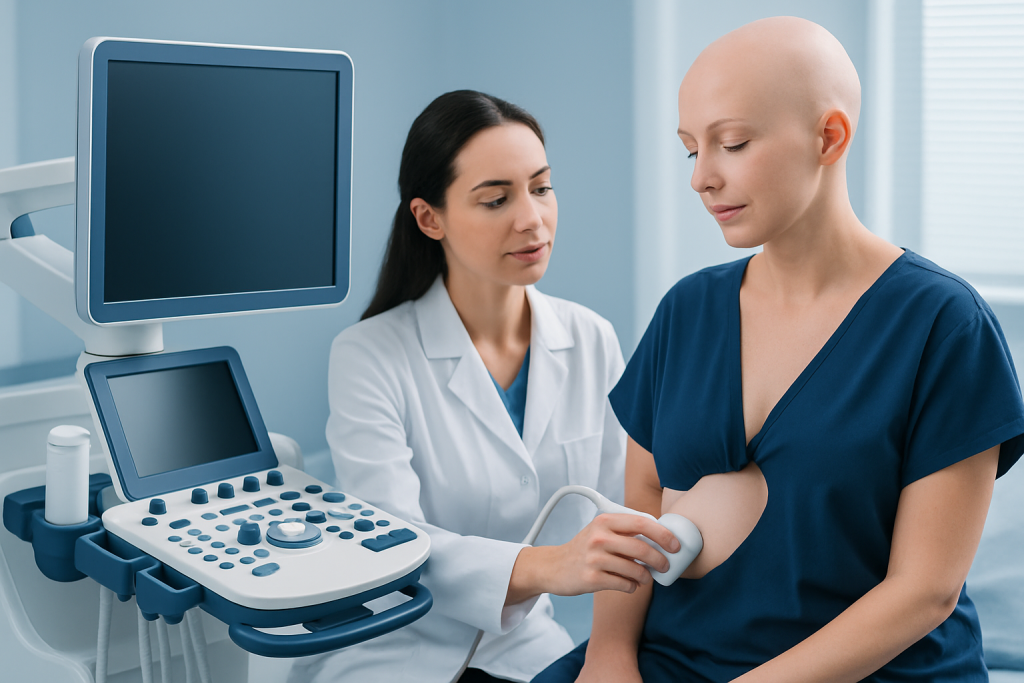
Implant-based reconstruction creates breast volume with a silicone or saline implant. It may be completed in one operation with a direct-to-implant approach, or in stages using a temporary tissue expander that gradually stretches the skin before an implant is placed. In some cases, supportive material is used to help position the implant.
Autologous reconstruction uses a flap of a person’s own skin, fat, and sometimes muscle. Tissue may be taken from the lower abdomen, back, thigh, or buttock and transferred to the chest. Some flaps remain connected to their original blood supply, while others require microsurgery to reconnect blood vessels. These procedures can create a breast that often feels softer and changes with the body over time.
Many people can consider reconstruction, but suitability depends on overall health, smoking or nicotine use, previous surgery, blood supply, body tissue available for a flap, and planned cancer treatment. Radiation can increase the risk of firm scar tissue and complications around implants, so the surgical team may recommend a staged plan or discuss tissue-flap reconstruction. People with breast cancer may also benefit from information about breast cancer treatment planning before making reconstruction decisions.
Reconstruction may be considered after mastectomy for cancer, risk-reducing surgery, or selected congenital and traumatic breast conditions. It is not necessary to decide immediately. Delayed reconstruction remains an option for many people, including those who initially choose to remain flat.
Procedure Pathway: Planning, Surgery and Refinement
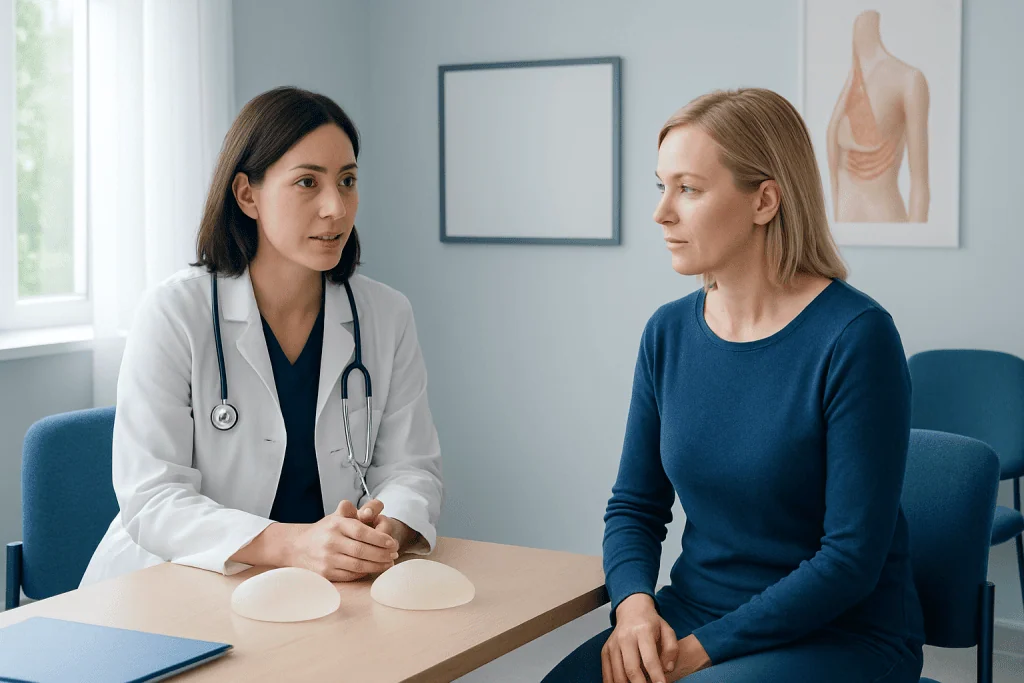
Planning begins with a detailed discussion of medical history, medications, prior treatments, breast size and shape, desired outcome, and lifestyle needs. The surgeon may examine potential donor sites for flap surgery and may request imaging or laboratory tests when appropriate. If cancer surgery is planned, the reconstruction plan is coordinated so that it does not unnecessarily delay essential oncology care.
During implant reconstruction, the surgeon creates a pocket for an implant or tissue expander beneath or above the chest muscle, depending on anatomy and the surgical plan. A tissue expander is gradually filled in clinic visits over several weeks or months. A later operation may exchange it for a permanent implant. Implant reconstruction is generally shorter than flap surgery, but implants are not lifetime devices and may need replacement or further surgery in the future.
During flap reconstruction, tissue is moved from a donor area to create a breast mound. Microsurgical procedures connect tiny blood vessels in the chest to maintain circulation in the transferred tissue. The operation is usually longer and involves incisions both on the breast and at the donor site. A flap may be performed immediately or as a delayed breast reconstruction procedure after other treatment has finished.
Additional procedures are common and are not necessarily signs of a problem. They may improve symmetry, adjust scars, add volume with fat grafting, reconstruct a nipple, or make a change to the unaffected breast. These decisions are usually made after healing, when the reconstructed breast has settled.
Recovery Timeline, Benefits and Possible Risks
Recovery depends on the reconstruction type, whether one or both breasts are treated, and whether surgery is combined with mastectomy. Hospital stay is often shorter after implant-based procedures than after tissue-flap surgery. In the first days, there may be soreness, swelling, bruising, limited arm movement, and surgical drains. The care team explains how to manage drains, dressings, pain relief, movement, and showering safely.
Gentle walking is usually encouraged soon after surgery to support circulation, while heavy lifting, vigorous exercise, and repetitive upper-body activity are restricted until the surgeon confirms healing. Many people gradually resume light daily activities over several weeks. Flap reconstruction commonly needs a longer period away from strenuous activity because the donor area must heal as well.
Potential benefits include restoration of breast contour, improved symmetry in clothing, and the option of recreating a nipple and areola. Reconstruction can be emotionally meaningful for some people, but it does not restore the breast exactly as it was before surgery. Numbness is common, and changes in sensation may be permanent, although some sensation can return over time.
Possible risks include bleeding, infection, wound-healing problems, fluid collection, scarring, persistent pain, asymmetry, and the need for revision surgery. Implant-specific concerns include capsular contracture, implant rupture, shifting, and rare implant-associated cancers that should be discussed with the surgeon. Flap-specific risks include partial tissue loss, blood-clot problems in the flap blood vessels, weakness or contour changes at the donor site, and longer healing. Prompt follow-up helps the team identify and manage complications early.
What I Wish I Knew Before Breast Reconstruction
It can help to know that reconstruction is a process rather than a single event. Even when the main operation is successful, small adjustments may be considered later to improve balance, scars, volume, or nipple appearance. Healing also takes time, and the final shape may not be apparent for several months.
People may wish they had discussed radiation plans early, because radiation can influence skin healing and implant outcomes. It is also useful to ask how future weight changes, pregnancy, exercise, and aging may affect the reconstructed breast and any donor site. For example, a tissue flap from the abdomen can leave a permanent abdominal scar and may change the feel or strength of that area.
Expectations about sensation are equally important. A reconstructed breast can look natural under clothing, but it may remain numb or feel different from the other breast. Emotional adjustment is individual; some people feel relief or confidence, while others need time or counseling support to adapt to the changes.
Before surgery, patients can ask about the likely number of operations, drain care, recovery support at home, scar management, activity limits, and warning signs. A second opinion from a qualified reconstructive plastic surgeon can also be appropriate when choices feel complex.
How Long Do You Have to Sleep Upright After Breast Reconstruction?
Many surgeons advise sleeping on the back with the upper body slightly elevated during the first part of recovery, often for around one to two weeks, though the exact duration varies. Elevation can help reduce swelling and may make it easier to get in and out of bed. A wedge pillow or several supportive pillows may be used if recommended by the surgical team.
Side sleeping is commonly restricted until the incisions have healed and pressure on the reconstructed breast is comfortable and safe. This may take several weeks, especially after flap surgery or when surgical drains are still in place. Sleeping on the stomach is usually avoided for longer because it can put pressure on the reconstructed breast.
The surgeon’s instructions should take priority because recommendations differ by technique, healing progress, and whether one or both breasts were reconstructed. Patients should contact their care team if pain, shortness of breath, increasing swelling, or difficulty sleeping becomes difficult to manage.
Do Breasts Look Good After Reconstruction?
Breast reconstruction can create a natural-looking breast contour and can help many people feel comfortable in clothing, swimwear, or intimate settings. However, “good” results are personal and depend on individual expectations, body shape, the reconstruction method, skin quality, the opposite breast, and any effects of radiation treatment.
A reconstructed breast may not look or feel identical to a natural breast. Scars, differences in position or size, a flatter appearance, and reduced sensation are common. Implant reconstructions may appear higher or firmer than the other breast, while tissue flaps may provide a softer contour but also involve donor-site scars.
Symmetry procedures, fat grafting, nipple reconstruction, tattooing, and scar treatments may improve the final appearance for selected patients. Viewing before-and-after photographs of patients with a similar body type and procedure, where available and ethically presented during consultation, can help establish realistic expectations.
What Are the Pros and Cons of Breast Reconstruction After Mastectomy?
The potential advantages of reconstruction include restoring a breast shape, improving balance in clothing, avoiding or reducing the need for an external prosthesis, and allowing a person to choose an appearance that feels right for them. Immediate reconstruction may reduce the total number of anesthetics for some patients, while delayed reconstruction gives others more time to focus on cancer treatment and decision-making.
The possible disadvantages include additional surgery, recovery time, scars, complications, and the possibility of future revisions. Implant reconstruction may require maintenance or replacement over a lifetime. Flap reconstruction avoids an implant but is a more extensive operation with a separate donor-site wound and a longer recovery.
Reconstruction can also affect the timing and coordination of cancer treatment in complex cases, although experienced teams plan carefully to avoid unnecessary delays. Some people prefer to remain flat because it avoids additional surgery and aligns better with their priorities. There is no universally best choice; the best option is the one made with clear information and support from the care team.
At Acibadem International, multidisciplinary specialists in JCI-accredited hospitals support international patients with individualized evaluation and treatment planning for breast reconstruction.
When to Seek Medical Care
After reconstruction, patients should contact their surgical team promptly for increasing redness, warmth, swelling, worsening pain, fever, drainage with an unpleasant odor, sudden breast enlargement, or wound opening. These symptoms do not always indicate a serious problem, but they require timely assessment.
Urgent medical attention is needed for chest pain, shortness of breath, fainting, sudden severe swelling, or a leg that becomes painful and swollen. After flap surgery, rapid color changes, unusual coolness, or marked worsening pain in the reconstructed breast should be assessed immediately because blood flow to the flap may need urgent review.
For longer-term care, routine follow-up remains important. Reconstruction does not replace recommended cancer surveillance, screening of the remaining breast when applicable, or ongoing review of new lumps, skin changes, persistent pain, or other concerning symptoms.
Frequently asked questions
Can breast reconstruction be done years after a mastectomy?
Yes. Delayed reconstruction can be performed months or even years after a mastectomy for many people. The available options depend on current health, previous radiation or surgery, skin condition, and personal goals.
Is breast reconstruction covered by cancer treatment planning?
Reconstruction should be discussed as part of the overall cancer treatment plan before mastectomy whenever possible. The breast and plastic surgery teams can coordinate the approach with chemotherapy or radiation plans, while keeping cancer treatment as the priority.
Is implant reconstruction or flap reconstruction better?
Neither approach is best for everyone. Implants usually involve a shorter initial operation and recovery, while tissue flaps use a person’s own tissue and may provide a softer, longer-lasting result but require more extensive surgery.
How painful is breast reconstruction recovery?
Pain and tightness are expected after surgery, but they are usually managed with a personalized pain-control plan. Flap reconstruction often causes discomfort in both the chest and donor area, while implant reconstruction may cause chest pressure or muscle tightness.
Can feeling return after breast reconstruction?
Some sensation may gradually return, particularly in surrounding skin, but normal sensation is not guaranteed. Certain surgical techniques may aim to preserve or reconnect nerves in selected patients, and this should be discussed with the reconstructive surgeon.
Will breast reconstruction delay chemotherapy or radiation?
Most patients can receive reconstruction without unnecessary delay to cancer treatment when care is carefully coordinated. However, complications can occasionally affect the treatment schedule, and radiation requirements may influence whether immediate or delayed reconstruction is recommended.
References
- American Cancer Society
- American Society of Plastic Surgeons
- National Cancer Institute
- Mayo Clinic
- NHS
This article is for general information only and is not a substitute for professional medical advice. Please consult a qualified doctor about your individual situation.
Breast Reconstruction in Turkey — costs, top hospitals & a free quote
JCI-accredited · board-certified surgeons · reply within 24h
Add us as a Preferred Source to see more of our trusted health content across Google Search, AI Overviews and Discover.

Plastic, Reconstructive & Aesthetic Surgery
Reconstructive and aesthetic procedures for the face and body, performed by experienced surgeons.
35 specialists in this unitMore from the Health Library


Related Specialists
Dr. Ertan Sağol
Orthopedic Surgery & Traumatology
Prof. Dr. Mustafa Karaçelik
Cardiovascular Surgery
Prof. Dr. Mustafa Hakan Dinçkal
Cardiology
Prof. Dr. Tevfik Fikret Çermik
Nuclear Medicine