Fruit Infusion Water Bottle: Procedure, Recovery and Results

Fruit-infused water is mainly a low-sugar way to make hydration more enjoyable. Most nutrients remain in the fruit, so infused water should not replace eating whole fruits and vegetables.
Key Takeaways
- Fruit-infused water is mainly a low-sugar way to make hydration more enjoyable.
- Most nutrients remain in the fruit, so infused water should not replace eating whole fruits and vegetables.
- Refrigeration and regular cleaning are important because cut produce can support bacterial growth.
- Infuse in the refrigerator for a few hours and discard prepared water within a day.
- People with food allergies, swallowing difficulties, or medically prescribed fluid limits should seek individualized advice.
A fruit infusion water bottle adds the flavor of fresh fruit, herbs, or vegetables to water without turning it into juice. It may help some people drink more water, but it does not detox the body, replace meals, or directly cause weight loss.
Fruit Infusion Water Bottle: What It Is and How It Works
A fruit infusion water bottle is a reusable bottle designed to hold water and pieces of fruit, vegetables, or herbs. Many models have a removable central basket or infuser that keeps larger pieces separate from the drinking water. As the ingredients sit in water, some flavor and aroma compounds dissolve, creating a lightly flavored drink.
This is a preparation method rather than a medical procedure. There is no recovery period, and the expected result is a refreshing alternative to plain water. A fruit infusion water bottle may be useful for people who find it easier to meet their daily fluid needs when water has a mild natural flavor.
Unlike juice, fruit-infused water usually contains very little sugar and few calories because most of the fruit is not blended or squeezed. It is not a detoxification treatment: the liver, kidneys, lungs, and digestive system already perform the body’s normal waste-removal functions.
Do fruit infuser water bottles work?
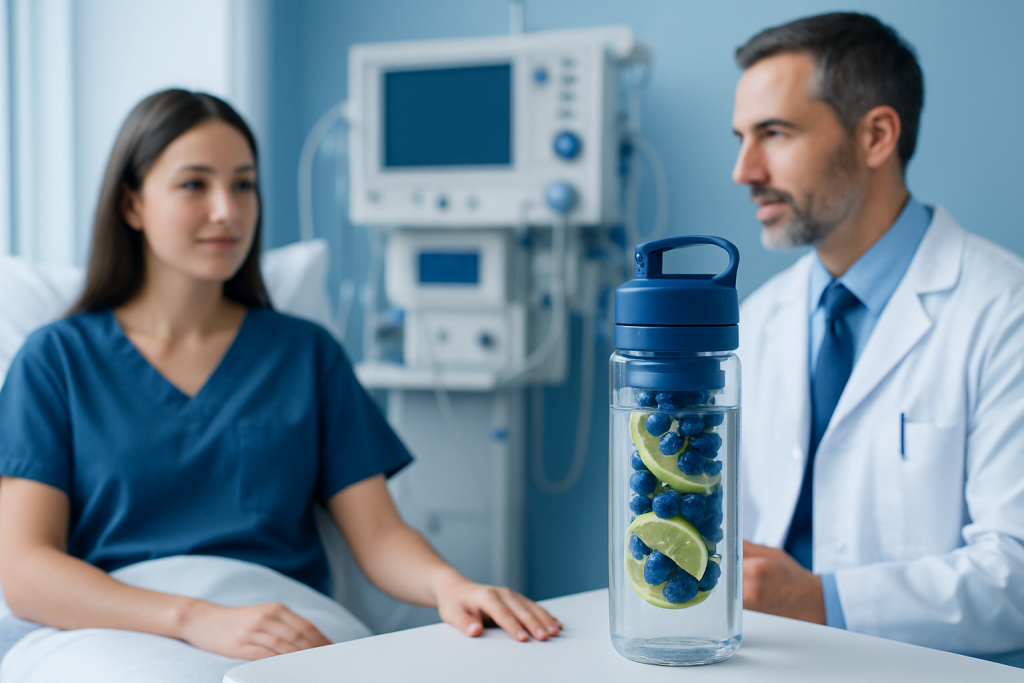
Fruit infuser water bottles work in the practical sense that they flavor water. For someone who dislikes plain water, this may make regular drinking more pleasant and support healthier beverage choices, especially when it replaces sugar-sweetened drinks.
They do not work as a stand-alone treatment for dehydration caused by illness, obesity, diabetes, digestive symptoms, or any other medical condition. They also do not melt fat, cleanse toxins, or provide the same fiber, vitamins, and minerals available from eating whole fruit.
The likely fruit infused water bottle health benefits are therefore indirect: improved enjoyment of water, less reliance on sweet beverages, and a convenient way to include pleasant flavors in everyday routines. Benefits depend on the person’s overall eating pattern, activity level, health needs, and how much fluid they actually consume.
Who May Benefit and How to Choose Ingredients

Most healthy adults and older children can enjoy fruit-infused water as part of a balanced diet. It may be a particularly suitable option for people looking to reduce soft drinks, sweetened iced tea, or flavored drinks with added sugars. People who have been advised to limit fluids because of heart, kidney, or liver disease should follow the fluid plan set by their clinician.
Good choices include washed citrus slices, berries, apple, pear, cucumber, mint, basil, ginger, or melon. Citrus peel can provide strong flavor but may become bitter over time. Soft berries release flavor quickly, while firmer fruit often needs a longer infusion.
People with allergies should avoid trigger ingredients. Those with reflux, mouth sores, or sensitive teeth may find lemon, lime, and other acidic ingredients uncomfortable. Frequent exposure to acidic drinks can also contribute to enamel erosion, so it is sensible to keep citrus infusions mild, avoid sipping them continuously all day, and drink plain water as well.
- Choose ripe, undamaged produce and wash it under running water before cutting.
- Use a clean bottle with food-safe materials and a secure lid.
- Skip added sugar, syrups, and large amounts of honey if the aim is a low-sugar drink.
- Remove pits, tough rinds, and any pieces that could create a choking concern.
How to Prepare a Fruit Infusion Water Recipe
Preparing fruit-infused water is simple. First, wash hands, the bottle, the infuser basket, and the selected produce. Slice or lightly crush ingredients to expose more surface area, then place them in the basket or directly in the bottle. Add cold drinking water, close the bottle, and refrigerate it while the flavor develops.
A basic fruit infusion water recipe can be made with cucumber and mint, strawberry and lemon, orange and basil, or apple and cinnamon. Keep combinations simple at first, because strongly flavored herbs and ginger can quickly overpower the water. The fruit itself can be eaten afterward if it has been handled and stored safely, although its texture and flavor may be reduced.
For everyday use, preparing one bottle at a time supports food safety and makes cleaning easier. The bottle should not be treated as a substitute for regular meals, oral rehydration solutions recommended for significant fluid loss, or medically prescribed nutrition plans.
How long does a water infusion take?
Most fruit water infusions develop a noticeable flavor within about two to four hours in the refrigerator. Delicate ingredients, such as mint, berries, and thin citrus slices, often infuse sooner. Firmer ingredients, including apple, pear, cucumber, and some herbs, may benefit from several hours or overnight refrigeration.
There is no need to leave fruit in the water for a very long time. More time does not necessarily mean more benefit; it may instead make the drink bitter, overly strong, or less appealing. Taste the water after a few hours and remove the ingredients when the flavor is right.
Using cold water and refrigeration is preferable to leaving cut fruit at room temperature. This protects taste and reduces food-safety concerns, particularly in warm environments.
How long can you leave fruit in water infusion?
For safety, fruit-infused water should be kept refrigerated and consumed within 24 hours. If the bottle has been sitting at room temperature for more than about two hours, it is safer to discard the water rather than refrigerate it again. In very hot conditions, this time may be shorter.
Fruit pieces should generally be removed after one day, even if they still look acceptable. Fresh cut produce can introduce microorganisms into the water, and bacteria can multiply when food and liquid are stored improperly. Discard the infusion sooner if it looks cloudy, has an unusual smell, becomes fizzy, or tastes unpleasant.
After each use, empty the bottle, remove the infuser insert, and wash all parts with warm soapy water according to the manufacturer’s instructions. Pay attention to lids, seals, straws, and narrow openings, where residue can remain. Allow all parts to dry thoroughly before storing.
Does fruit-infused water really work?
Fruit-infused water really can work as a lifestyle tool if it helps a person choose water more often. It can be a useful bridge for people who are trying to drink fewer sugary beverages or establish a more consistent hydration routine. The effect is behavioral and practical, not medicinal.
It should not be expected to cure fatigue, improve immunity overnight, remove toxins, or produce rapid weight change. Feeling tired, very thirsty, dizzy, or unwell can have many causes, and relying on infused water alone may delay appropriate assessment.
Hydration needs vary with age, weather, activity, pregnancy, breastfeeding, illness, diet, and medicines. Thirst is a useful guide for many healthy people, but clinicians may recommend individualized fluid targets for certain conditions. A balanced diet that includes whole fruits and vegetables remains the best way to obtain their fiber and broader nutritional value.
When to Seek Medical Care
Medical advice is appropriate if a person has persistent thirst, frequent urination, unexplained weight change, ongoing vomiting or diarrhea, or difficulty keeping fluids down. Urgent assessment is needed for signs of significant dehydration such as confusion, fainting, severe weakness, very little urine, or inability to drink safely.
People with kidney, heart, liver, endocrine, or swallowing conditions should ask their healthcare professional whether changes in fluid intake are appropriate. Infused water is not an alternative to treatment for these conditions or to rehydration plans provided during an illness.
Acibadem International’s multidisciplinary specialists and JCI-accredited hospitals support international patients with assessment and treatment planning when hydration concerns may relate to an underlying health condition. A qualified clinician can help identify the cause of symptoms and recommend safe, individualized fluid and nutrition guidance.
Frequently asked questions
Are fruit infusion water bottles healthy?
They can be a healthy option when they encourage water intake without added sugar. Their main advantage is flavor, while most of the fiber and nutrients remain in the fruit. They are best used alongside a balanced diet rather than as a substitute for whole fruit.
Can fruit-infused water help with weight loss?
Fruit-infused water does not directly cause weight loss. It may support a weight-management plan when it replaces high-calorie sweetened beverages. Sustainable weight changes depend on overall eating habits, physical activity, sleep, health conditions, and individualized medical advice.
Can fruit-infused water be left out overnight?
It is safer not to leave fruit-infused water at room temperature overnight. Cut fruit can allow bacteria to grow in the water, particularly in a warm room. Refrigerate the bottle and consume it within 24 hours.
Can the same fruit be used more than once?
It is generally best to use fresh fruit for each new bottle. Reusing fruit produces weaker flavor and may increase food-safety concerns, especially after it has been stored in water. Discard fruit that is soft, discolored, or has an unusual odor.
Is lemon water safe to drink every day?
Mild lemon-infused water is suitable for many people, but its acidity may worsen reflux or irritate sensitive teeth in some individuals. Avoid making it very concentrated and do not sip acidic drinks continuously throughout the day. A dentist or doctor can offer tailored advice for enamel sensitivity or digestive symptoms.
Does infused water count toward daily fluid intake?
Yes, fruit-infused water contributes to fluid intake for most people. However, individuals with prescribed fluid restrictions or special hydration needs should follow guidance from their healthcare team. Water remains the preferred base, without added sugar or alcohol.
References
- Centers for Disease Control and Prevention
- United States Department of Agriculture
- Academy of Nutrition and Dietetics
- National Institute of Diabetes and Digestive and Kidney Diseases
This article is for general information only and is not a substitute for professional medical advice. Please consult a qualified doctor about your individual situation.
Medical weight-loss options in Turkey — costs & eligibility
JCI-accredited · board-certified surgeons · reply within 24h
Add us as a Preferred Source to see more of our trusted health content across Google Search, AI Overviews and Discover.

More from the Health Library



Related Specialists

Assoc. Prof. Dr. Bora Özveren
Urology
Dr. Ahmet Ali Aktaş
General Surgery
Assoc. Prof. Dr. Mehmet Salih Söylemez
Orthopedic Surgery & Traumatology
Dr. Harun Ayangil
Pediatric Surgery