Autism Specialist: An Evidence-Based Patient Guide

Autism is a lifelong neurodevelopmental difference with a wide range of communication, sensory, social and behavioral profiles. An autism specialist may be a developmental pediatrician, child psychiatrist, neurologist, psychologist, speech-language therapist or other trained professional working in a team.
Key Takeaways
- Autism is a lifelong neurodevelopmental difference with a wide range of communication, sensory, social and behavioral profiles.
- An autism specialist may be a developmental pediatrician, child psychiatrist, neurologist, psychologist, speech-language therapist or other trained professional working in a team.
- There is no single treatment that is right for every autistic person; evidence-based support is individualized and goal-focused.
- A comprehensive assessment considers developmental history, daily functioning, co-occurring conditions and the person’s own goals.
- Early support can be helpful for children, while adults can also benefit from diagnosis, accommodations and targeted therapies.
- Urgent help is appropriate if there is immediate risk of harm, severe distress, or a sudden loss of skills.
An autism specialist is a qualified clinician who assesses autism spectrum disorder (ASD), identifies individual strengths and support needs, and coordinates evidence-based care. Support is most effective when it is personalized, practical, respectful of neurodiversity, and reviewed as a person’s needs change.
Overview: What Does an Autism Specialist Do?
An autism specialist is a healthcare or allied health professional with training and experience in recognizing, assessing and supporting autism spectrum disorder (ASD). They help determine whether a person’s developmental, communication, sensory and social experiences are consistent with autism, while also looking for other conditions that may affect wellbeing or daily life.
Autism is not an illness that needs to be “cured.” It is a lifelong neurodevelopmental difference. Some autistic people need substantial day-to-day support, while others live independently but may benefit from help with sensory demands, social communication, planning, anxiety, education or employment.
Care often involves more than one professional. Depending on age and needs, a team may include a developmental pediatrician, pediatric neurologist, psychiatrist, clinical psychologist, speech-language therapist, occupational therapist, special educator and social worker. The purpose is to build useful skills, reduce distress, support participation, and respect the person’s preferences and identity.
How an Autism Specialist Assessment Works
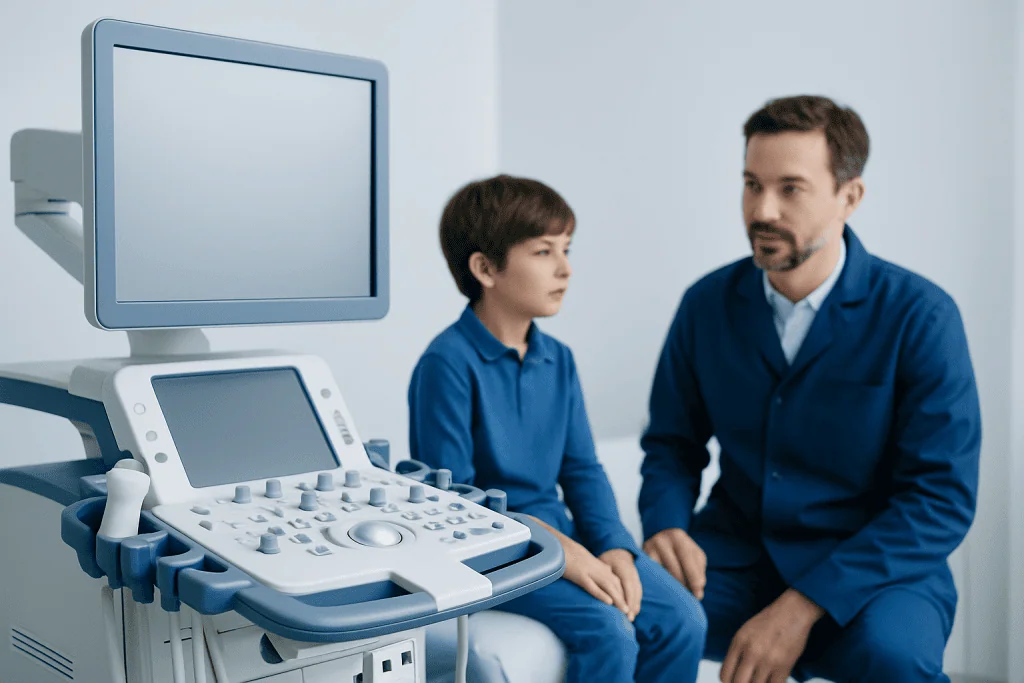
Autism assessment is not a single laboratory test, scan or procedure. It is a structured clinical process that combines observations, developmental information and discussion of how a person functions in everyday settings. Specialists use recognized diagnostic criteria and may use standardized assessment tools as part of, but not instead of, clinical judgment.
The assessment usually begins with a detailed history. For a child, parents or caregivers may be asked about early development, language, play, friendships, behavior, sensory responses, school experiences and family history. For adults, the specialist may discuss childhood experiences, current relationships, work or study, routines, sensory needs and strategies used to manage social expectations.
Next, the clinician may observe communication, interaction, play, flexibility, interests and responses to the environment. Questionnaires from family members, teachers or partners can provide important information because autistic traits may appear differently across home, school, work and social settings.
A thorough evaluation also considers hearing and vision concerns, language differences, intellectual or learning needs, attention-deficit/hyperactivity disorder, anxiety, depression, sleep difficulties, epilepsy, gastrointestinal symptoms and other co-occurring conditions. These may require their own assessment and treatment.
Who May Benefit From Seeing an Autism Specialist?

People of any age can seek an autism assessment. Children may be referred when there are concerns about speech and language development, social communication, repetitive play, strong reactions to sensory input, changes in routines, or difficulties at nursery or school. An assessment can clarify needs even when a child has developed language skills or appears to cope in some situations.
Adults may seek assessment after recognizing long-standing differences in social communication, sensory processing, routines or intense interests. Some adults have spent years masking autistic traits, which can be exhausting and may contribute to anxiety, burnout or low mood. A diagnosis is not required to access all forms of support, but it may help explain experiences and support requests for reasonable accommodations.
There is no single “look” or personality type associated with autism. Girls, women, people with strong verbal abilities, and people from diverse cultural or linguistic backgrounds may be identified later because their traits can be less readily recognized or interpreted differently. A specialist should take individual context into account.
- Consider assessment when developmental or social differences persist and affect everyday life.
- Bring school reports, prior evaluations, relevant medical records and examples of current challenges if available.
- Seek clinicians experienced with the person’s age group and communication profile.
What Is the Most Evidence-Based Treatment for Autism?
There is no single best treatment for every autistic person. The most evidence-based approach is individualized, goal-directed support based on a careful assessment of strengths, needs, preferences, age, communication style and daily environment. Autism spectrum disorder evidence based practice emphasizes meaningful outcomes, such as improved communication, participation, independence, comfort and quality of life.
For children, support may include parent-mediated interventions, developmental and behavioral approaches, speech-language therapy, occupational therapy for daily living or sensory-related challenges, and educational adjustments. Evidence-informed behavioral programs should use positive, respectful methods and should not aim to suppress harmless autistic traits simply to make a child appear non-autistic.
For adolescents and adults, helpful supports may include communication strategies, occupational support, structured skills coaching, psychotherapy adapted for autistic people, workplace or educational accommodations, and help with independent living. Treatment for anxiety, depression, attention difficulties, sleep problems or other co-occurring conditions can also be important.
Medication does not treat the core features of autism. However, a qualified doctor may recommend medicine for specific co-occurring symptoms or conditions when appropriate, with careful monitoring of benefits and side effects. Families should be cautious about therapies that promise a cure, rapid transformation, or benefits unsupported by reliable research.
The Support Pathway: Step by Step, Benefits and Limitations
Although autism support is not a surgical procedure, it is useful to understand the usual care pathway. First, a specialist completes an assessment and discusses findings in clear language. Second, the individual, family and care team agree on practical goals. Third, selected therapies, school plans or workplace accommodations are introduced. Finally, progress and wellbeing are reviewed regularly, and the plan is adjusted when needs change.
Goals should be specific and personally meaningful. For a young child, this may involve communicating needs more easily, managing transitions or joining play in ways that feel comfortable. For an adult, priorities may include reducing sensory overload, managing daily routines, navigating employment, building relationships or addressing mental health concerns.
Potential benefits include better understanding of a person’s profile, access to appropriate services, improved communication and daily functioning, and reduced distress linked to unmet support needs. The process also has limitations: assessment can take time, traits may vary between environments, and services may need ongoing adjustment. A diagnosis should be used as a tool for support, not as a label that limits expectations.
There is no fixed recovery timeline because autism is lifelong. Instead, the expected course involves learning, adaptation and changing needs across childhood, adolescence and adulthood. Families should ask how outcomes will be measured, how therapy plans will be reviewed, and how the person’s own voice will be included in decisions.
What Is the 6 Second Rule in Autism?
The “6 second rule” is not a formal diagnostic criterion or universally recognized autism treatment guideline. In some educational, caregiving or communication settings, the phrase is used informally to remind adults to pause after asking a question or giving information, allowing an autistic person extra time to process language and respond.
Processing time varies widely. Some people may answer immediately, while others may need more than six seconds, especially in a noisy, unfamiliar, emotionally demanding or fast-moving situation. A calm pause can reduce pressure and prevent others from assuming that silence means a lack of understanding.
It is usually more helpful to think of this as “wait time” rather than a strict rule. The best approach is to ask the person what supports communication: for example, shorter sentences, written choices, visual information, a quieter room, extra time, or the option to respond later.
What Are Some Common Signs of Autism in a 4-Year-Old Child?
Autism can look different from one 4-year-old to another. Common signs may include differences in using or understanding gestures, conversation, pretend play, shared attention, eye contact or responding to social cues. A child may prefer solitary play, interact in a distinctive way, or find it difficult to join peers and adapt to group routines.
Some children show repetitive movements or speech, a strong preference for familiar routines, highly focused interests, or distress when plans change. Sensory differences are also common: a child may be unusually sensitive to sounds, textures, smells or lights, or may seek certain sensory experiences such as movement, pressure or visual patterns.
These signs do not confirm autism by themselves. Language delay, hearing problems, anxiety, developmental differences and other factors can overlap with autistic traits. If caregivers have concerns, an autism specialist can assess development in context and advise on appropriate support without waiting for every possible sign to be present.
It is especially important to seek assessment if a child loses words, social skills or other abilities previously acquired. Prompt evaluation can identify the cause and help families access support.
What Are the Characteristics of Level 1 Autism in Adults?
Level 1 autism is a term from diagnostic classification that generally indicates an autistic person requires support, rather than substantial or very substantial support, in the areas evaluated. It does not mean that difficulties are minor, the same in every situation, or fixed over time. Support needs can increase during periods of stress, illness, change or sensory overload.
Adults described as Level 1 may have differences in back-and-forth conversation, interpreting indirect language, understanding unspoken social expectations, or maintaining relationships. They may prefer predictable routines, have intense interests, find multitasking difficult, or experience significant sensory sensitivities. Some use learned strategies to appear socially comfortable, but this can require considerable effort.
Many autistic adults have important strengths, including deep knowledge in areas of interest, honesty, attention to detail, persistence and original problem-solving. An autism specialist can help identify both strengths and areas where accommodations, skills support or treatment for co-occurring anxiety, depression or attention difficulties may improve wellbeing.
When to Seek Medical Care
Arrange a medical or developmental appointment if a child has ongoing differences in communication, play, social interaction, sensory responses or behavior that affect home, school or relationships. Adults should also consider speaking with a qualified clinician when longstanding autistic traits, sensory difficulties or social demands are causing distress, exhaustion or problems in daily functioning.
Seek prompt medical evaluation if there is a sudden loss of language or other previously acquired skills, a marked change in behavior, seizures, serious sleep disruption, self-injury, aggression, or concern about safety. Emergency services or urgent mental health support may be needed when there is an immediate risk of harm to the person or someone else.
Acibadem International’s multidisciplinary specialists and JCI-accredited hospitals support international patients seeking assessment and individualized care planning for autism and related developmental needs. A clinician can help families and adults distinguish autism-related needs from other medical, learning or mental health concerns and identify appropriate next steps.
Frequently asked questions
Can an autism specialist diagnose autism in adults?
Yes. Clinicians with relevant training, often including psychologists, psychiatrists, neurologists or developmental specialists, can assess adults for autism. Adult assessment usually explores current experiences alongside childhood developmental history and information from someone who knew the person early in life when available.
Is autism diagnosed with a blood test or brain scan?
No single blood test, genetic test or brain scan can diagnose autism. Diagnosis is based on developmental history, clinical observation and assessment of social communication, behavior, sensory experiences and everyday functioning. Testing may sometimes be recommended to investigate co-occurring conditions or possible genetic causes.
Does early intervention change autism?
Early, individualized support can help a child develop communication, participation, coping and daily living skills. It does not remove a person’s autistic identity, and outcomes vary between individuals. Support should be respectful, goal-focused and adjusted as the child grows.
Can autistic adults benefit from therapy?
Yes. Adults may benefit from therapies adapted to their communication style and goals, as well as occupational support, coaching and practical accommodations. Care can also address co-occurring concerns such as anxiety, depression, sleep difficulties or burnout.
What should families ask an autism specialist?
Families can ask how the assessment will be completed, what information is needed, and how results will be explained. It is also useful to ask which supports are evidence-based, how goals will be chosen, how progress will be reviewed, and how the child’s preferences and strengths will be included.
Are vaccines linked to autism?
No. Large, high-quality studies have found no credible evidence that vaccines cause autism. Vaccination remains an important way to protect children and communities from serious infectious diseases.
References
- Centers for Disease Control and Prevention
- National Institute for Health and Care Excellence
- American Academy of Pediatrics
- World Health Organization
- National Institute of Mental Health
This article is for general information only and is not a substitute for professional medical advice. Please consult a qualified doctor about your individual situation.
Explore treatments in Turkey — costs, top hospitals & a free quote
JCI-accredited · board-certified surgeons · reply within 24h
Add us as a Preferred Source to see more of our trusted health content across Google Search, AI Overviews and Discover.