PET Scan Test: Preparation, Procedure and Results
A PET scan test shows metabolic activity, not only body structure. Preparation often includes fasting and avoiding strenuous exercise, but instructions vary by tracer and health condition.
Key Takeaways
- A PET scan test shows metabolic activity, not only body structure.
- Preparation often includes fasting and avoiding strenuous exercise, but instructions vary by tracer and health condition.
- The scan itself is painless; most of the appointment time is spent preparing and allowing the tracer to circulate.
- Results are interpreted by a specialist and are usually shared after the images have been reviewed.
- A PET scan can contribute to cancer staging, but staging is based on all relevant clinical, laboratory, pathology, and imaging information.
A PET scan test is an imaging examination that uses a small amount of radioactive tracer to show how active tissues and organs are. It is commonly used alongside CT or MRI to help doctors assess cancer, heart conditions, brain disorders, inflammation, and response to treatment.
PET Scan Test Overview: How It Works
A positron emission tomography, or PET, scan test is an imaging examination that shows how tissues use energy. Before the scan, a healthcare professional gives a very small amount of a radioactive substance called a tracer, usually by injection. A special camera detects the tracer as it moves through the body and creates images of areas with higher or lower activity.
The most common tracer contains a form of glucose. Because many cells use glucose for energy, the scan can highlight differences in tissue activity that may not be visible on an anatomical scan alone. PET is often combined with computed tomography (PET-CT) or magnetic resonance imaging (PET-MRI), allowing doctors to match metabolic findings with detailed pictures of body structures.
A PET scan test does not diagnose every condition on its own. Its findings are interpreted together with symptoms, medical history, examination findings, blood tests, biopsy results when needed, and other imaging. Increased tracer uptake can occur with cancer, but also with infection, inflammation, healing tissue, and normal body processes.
Why a PET Scan May Be Recommended
Doctors may recommend a PET scan when they need more information about how a suspected condition is behaving. In oncology, it can help locate areas of active disease, assess whether cancer may have spread, evaluate the effect of treatment, or investigate a possible recurrence. It may be part of the assessment for conditions such as lung cancer or lymphoma, depending on the individual clinical situation.
PET scanning also has important uses outside cancer care. It may help evaluate blood flow to the heart muscle, identify inflammation or infection in selected cases, or support assessment of some neurological conditions. The tracer, scan area, and preparation requirements differ according to the clinical question.
Not everyone needs a PET scan. A doctor considers whether the result is likely to answer a meaningful question and change care decisions. Pregnancy, breastfeeding, diabetes, kidney problems, allergies, recent surgery, infection, and certain medicines should be discussed before the appointment so the imaging team can plan safely.
PET Scan Preparation: Food, Activity and Medicines
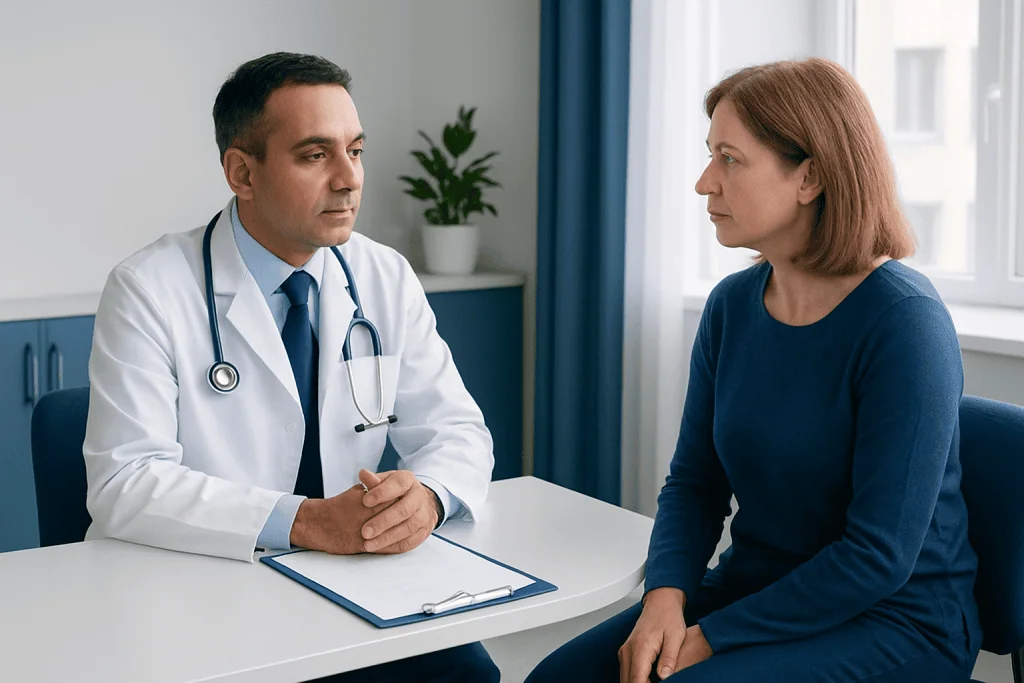
Preparation is important because food, exercise, insulin, and some medicines can change tracer uptake and affect image quality. The imaging center will provide instructions tailored to the type of PET scan. Patients should follow those instructions rather than relying on general advice, especially if they have diabetes or another condition requiring regular meals or medication.
For many FDG PET scans, patients are asked to avoid vigorous exercise for about 24 hours beforehand and to fast for several hours before the appointment. Plain water is usually encouraged unless the team says otherwise. Strenuous activity can increase uptake in muscles, while recent eating can alter blood glucose and make interpretation more difficult.
Patients should tell the imaging department about all prescription medicines, over-the-counter products, supplements, insulin or diabetes tablets, and any recent imaging procedures. They should not stop prescribed medication unless their clinician specifically advises it. Comfortable clothing without metal is useful, and leaving jewelry at home can make preparation easier.
What can you not do 24 hours before a PET scan? Many patients are asked not to do strenuous exercise, such as running, heavy lifting, intense cycling, or demanding gym workouts, for 24 hours before an FDG PET scan. Depending on the scan, they may also need to avoid alcohol, nicotine, caffeine, chewing gum, or certain foods. Exact restrictions vary, so the center’s instructions should always take priority.
What are the best foods to eat the day before a PET scan? For a standard FDG PET scan, a balanced, usual diet the day before is often appropriate, followed by the required fasting period. Some specialized PET examinations may require a low-carbohydrate, high-fat diet or different instructions, particularly for certain heart studies. Patients with diabetes should request individualized guidance rather than changing their eating plan independently.
The PET Scan Procedure: Step by Step
On arrival, the team confirms the patient’s identity, medical history, current medicines, and preparation. Blood glucose may be checked before an FDG PET scan because high glucose can interfere with the tracer’s distribution. An intravenous line may be placed, and the tracer is administered through a small injection.
After the injection, there is usually a quiet waiting period of about 30 to 60 minutes while the tracer circulates and is taken up by tissues. During this time, patients are generally asked to rest comfortably and stay warm. Talking, walking, reading aloud, or using muscles intensely may be discouraged because muscle activity can affect the images.
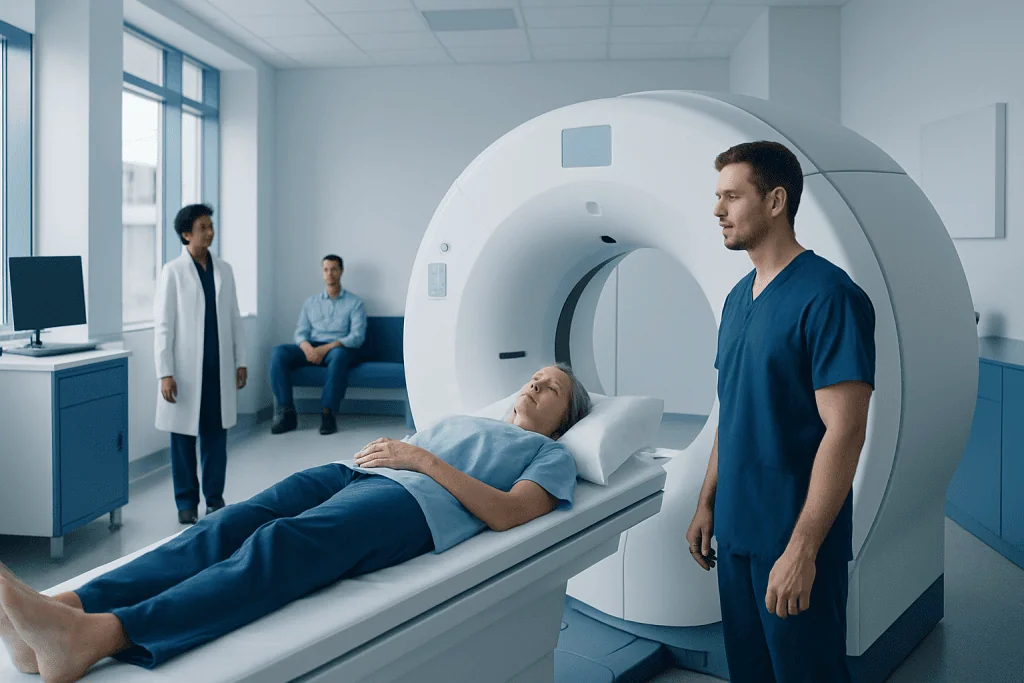
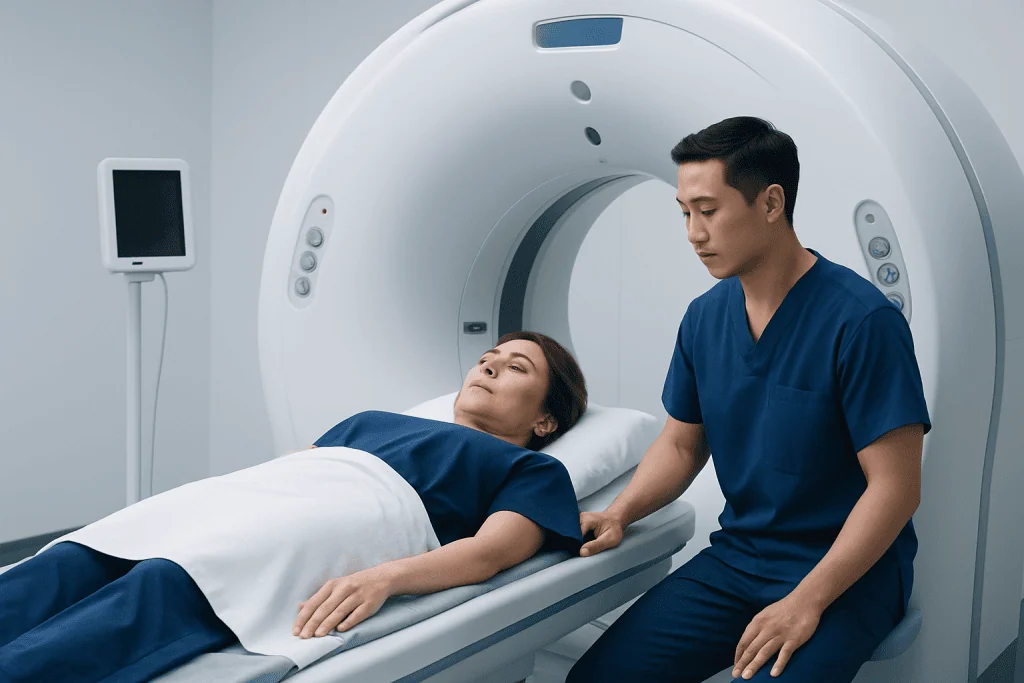
For the scan, the patient lies on a narrow padded table that moves slowly through the scanner. Remaining still helps produce clear images. A PET-CT scan may include a CT component, sometimes with contrast material if clinically needed. The image acquisition commonly takes around 20 to 40 minutes, although the overall visit can take two to three hours.
The procedure is usually painless apart from the brief injection and the need to lie still. Patients who feel anxious in scanners, have pain that makes positioning difficult, or have concerns about claustrophobia should mention this in advance. The team can explain what to expect and discuss appropriate support.
Recovery, Benefits and Risks of a PET Scan Test
Most people can return to normal daily activities after a PET scan test unless they have also received sedation or have been given specific instructions related to contrast material or another procedure. Drinking extra water after the scan can help the body clear the tracer through urine. The radioactive material used is small and typically leaves the body over a short period.
For a limited time, patients may be advised to follow simple radiation-safety precautions, such as avoiding prolonged close contact with pregnant people, babies, or young children. The specific advice depends on the tracer and local protocols. Breastfeeding patients should ask for individualized guidance before the scan, as a temporary interruption may sometimes be recommended.
The main benefit of PET imaging is that it can reveal active biological changes and help guide diagnosis or treatment planning. It may identify disease not clearly seen on other imaging, help select a biopsy site, or show whether treatment is affecting active tissue. In cancer care, imaging may contribute to planning cancer treatment alongside pathology and other assessments.
Risks are generally low. The radiation exposure is carefully considered and kept as low as reasonably achievable, but it is still important to avoid unnecessary scans. Mild bruising or discomfort can occur at the injection site. Allergic reactions to the tracer are uncommon; if CT contrast is used, it has its own potential risks, which the care team will review beforehand.
Understanding PET Scan Results
A radiologist or nuclear medicine physician reviews the images and prepares a report for the referring doctor. The report may describe areas of increased or decreased tracer uptake and compare findings with earlier scans when available. These patterns are meaningful only in context: high uptake is not automatically cancer, and some cancers may not show strong uptake with a particular tracer.
Do you usually get PET scan results immediately? Usually, patients do not receive a final result immediately after the scan. Images need careful specialist review, sometimes with comparison to CT, MRI, prior PET scans, or pathology findings. The referring doctor or care team generally discusses the completed report within the timeframe used by that healthcare service.
Does a PET scan tell you what stage your cancer is? A PET scan can provide valuable information that contributes to cancer staging, such as whether there are suspicious areas in lymph nodes or distant organs. However, it does not determine stage by itself. Doctors use the cancer type, tissue diagnosis, examination, other scans, laboratory findings, and formal staging criteria to establish the overall stage.
Patients may find it helpful to ask what the scan was intended to assess, whether any findings need further testing, and how the result affects the next step in care. If a finding is uncertain, a doctor may recommend follow-up imaging, laboratory tests, or a biopsy rather than drawing a conclusion from the PET scan alone.
When to Seek Medical Care
Patients should contact the imaging center before their appointment if they are pregnant, think they may be pregnant, are breastfeeding, have diabetes, have a history of severe allergic reactions, or are unable to follow fasting instructions. It is also important to report a recent illness, fever, vaccination, surgery, injury, or infection, as these can sometimes affect PET findings.
After a scan, urgent medical advice is appropriate for symptoms of a serious allergic reaction, such as trouble breathing, swelling of the face or throat, widespread hives, or severe dizziness. These reactions are rare, but prompt assessment is important. Persistent pain, redness, swelling, or warmth at an injection site should also be discussed with a healthcare professional.
A PET scan should be arranged and interpreted through a qualified clinician rather than used as a general screening test without a clear medical reason. Acibadem International’s multidisciplinary specialists and JCI-accredited hospitals assess and treat complex conditions for international patients, using imaging results as one part of individualized clinical care.
Frequently asked questions
How long does a PET scan test take?
The scanning portion often takes about 20 to 40 minutes, but the full visit commonly lasts two to three hours. Much of the time is needed for preparation and for the tracer to circulate before images are taken. The exact timing depends on the tracer and body area being examined.
Is a PET scan painful?
A PET scan is generally not painful. Patients may feel a brief pinch when the tracer is injected and may find it uncomfortable to remain still on the scanning table. The staff can help with positioning and explain each part of the examination.
Can a person drink water before a PET scan?
For many PET scans, plain water is allowed and may be encouraged. However, beverages containing sugar, milk, caffeine, or alcohol may be restricted depending on the examination. Patients should follow the specific instructions from their imaging center.
Why is fasting needed before some PET scans?
Fasting helps stabilize blood glucose and insulin levels, which can improve the way an FDG tracer is distributed in the body. This makes images easier to interpret. The fasting duration and requirements can differ for people with diabetes or for specialized PET studies.
Can infection or inflammation affect PET scan results?
Yes. Inflammation, infection, recent surgery, injury, and some vaccinations can cause increased tracer uptake. This is why PET images must be interpreted alongside the person's symptoms, history, physical examination, and other test results.
Can I drive home after a PET scan?
Most patients can drive and resume normal activities after a PET scan. If sedation was used or if the patient feels unwell for another reason, driving may not be appropriate. The care team will provide individual instructions before discharge.
References
- National Cancer Institute
- Radiological Society of North America
- Society of Nuclear Medicine and Molecular Imaging
- American Cancer Society
- International Atomic Energy Agency
This article is for general information only and is not a substitute for professional medical advice. Please consult a qualified doctor about your individual situation.
Oncology care in Turkey — second opinion and treatment plan
JCI-accredited · board-certified surgeons · reply within 24h
Add us as a Preferred Source to see more of our trusted health content across Google Search, AI Overviews and Discover.