And Treatment Options: How It Works, Results and What to Expect

Treatment should be tailored to the underlying diagnosis rather than chosen by symptom alone. Options may include active monitoring, lifestyle changes, medicines, procedures, surgery, rehabilitation and supportive care.
Key Takeaways
- Treatment should be tailored to the underlying diagnosis rather than chosen by symptom alone.
- Options may include active monitoring, lifestyle changes, medicines, procedures, surgery, rehabilitation and supportive care.
- Effectiveness varies by condition, treatment goal, disease stage and individual response.
- A clinician can explain expected benefits, side effects, recovery needs and alternatives before treatment begins.
- Urgent symptoms such as severe chest pain, breathing difficulty, sudden weakness or loss of consciousness need prompt medical assessment.
Treatment options can include monitoring, lifestyle support, medicines, procedures, rehabilitation and specialist care. The most appropriate approach depends on the diagnosis, symptom severity, overall health, goals of care and the likely benefits and risks of each choice.
Overview: Understanding Treatment Options
And treatment options is a broad phrase that can refer to the range of ways a health condition may be managed. Depending on the diagnosis, treatment can involve observation and follow-up, lifestyle measures, medication, minimally invasive procedures, surgery, rehabilitation, psychological support or a combination of these approaches.
The right plan is not always the most intensive treatment. In many situations, a clinician first confirms the cause of symptoms, considers how the condition affects daily life and discusses a person’s health history, preferences and treatment goals. Some conditions need prompt intervention, while others can be safely monitored or managed gradually.
A useful treatment discussion should cover what each option is intended to achieve. Goals may include curing an illness, controlling disease activity, relieving symptoms, preventing complications, restoring function or improving comfort and quality of life.
How Treatment Works
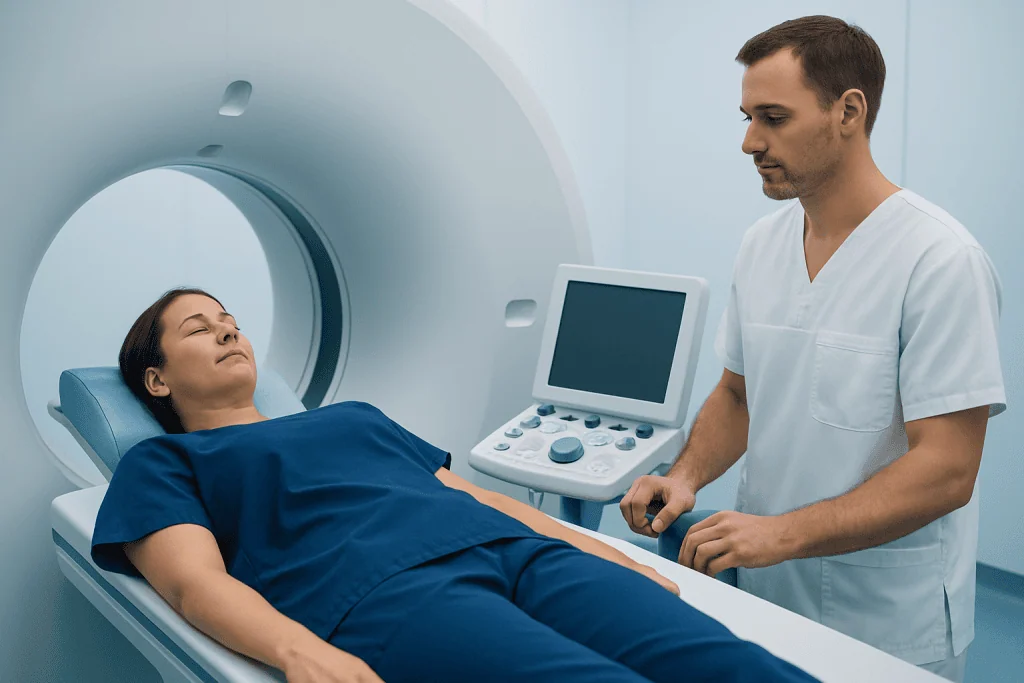
Treatments work in different ways because health conditions have different causes. Medicines may reduce inflammation, control infection, adjust hormone levels, lower blood pressure, relieve pain or slow disease progression. Procedures and surgery may remove, repair, unblock, reconstruct or replace affected tissue, while rehabilitation helps people regain strength, mobility, speech or independence.
Lifestyle-based care can be an important part of treatment. Changes involving nutrition, physical activity, sleep, smoking cessation, alcohol intake and stress management may reduce symptoms or lower future health risks. These measures are often used alongside medical care rather than as a replacement for it.
Some treatment plans are delivered by a multidisciplinary team. For example, a person may see a primary clinician, medical specialist, surgeon, nurse, physiotherapist, dietitian, pharmacist or mental health professional. Coordinated care helps ensure that treatment addresses both the condition itself and its effect on everyday wellbeing.
How Many Types of Treatment Are There?

There is no fixed number of treatment types because the available choices depend on the condition. However, most care plans fall into several broad groups: watchful waiting or active monitoring, self-care and lifestyle support, medication, non-surgical procedures, surgery, rehabilitation, psychological therapies and palliative or supportive care.
Watchful waiting is appropriate when a condition is mild, stable or unlikely to cause harm in the short term. It does not mean that care is being ignored; it involves planned reviews and clear guidance about symptoms that should prompt earlier reassessment.
Some people need only one form of treatment, while others benefit from combined care. For example, a procedure may be followed by medication and rehabilitation, or long-term medication may be combined with regular monitoring and lifestyle support. The balance can change over time as symptoms, test results or personal priorities change.
- Conservative care: monitoring, education, lifestyle measures and symptom relief.
- Medical care: medicines and other non-surgical treatments.
- Interventional care: image-guided or minimally invasive procedures.
- Surgical care: operations to treat structural disease or remove diseased tissue.
- Restorative and supportive care: rehabilitation, counselling and symptom-focused support.
What Are the Benefits of Different Treatment Options?
The main benefit of having different treatment options is that care can be matched to the individual. A less invasive approach may offer symptom improvement with fewer immediate risks and a shorter recovery period. More intensive treatment may be considered when it offers a greater chance of correcting a serious problem, preventing complications or improving function.
Medication can be effective for many conditions and may avoid or delay the need for a procedure. Procedures and surgery may provide more direct treatment when medicines cannot address the underlying cause. Rehabilitation can help maximize recovery after illness, injury or surgery, while supportive care can ease symptoms and help people remain active and comfortable.
Every option also has limitations. A medicine may cause side effects or require long-term use; a procedure may involve anesthesia, recovery time or a small risk of complications. Shared decision-making helps a person weigh these considerations against the expected benefit and decide what fits their circumstances.
Candidacy and Choosing a Treatment Plan
Candidacy means whether a particular treatment is likely to be suitable and safe for a person. Clinicians consider the confirmed diagnosis, severity and duration of symptoms, examination findings, test results, age, overall health, existing medical conditions, current medicines and previous treatments.
Personal priorities also matter. One person may wish to minimize recovery time, while another may prioritize the option with the strongest long-term disease control. Questions about work, caregiving, travel, fertility, mobility and access to follow-up care can all influence the plan.
Before making a decision, patients can ask what happens without treatment, what alternatives are available, how the treatment may affect daily activities and what follow-up is needed. A second opinion may be helpful for complex diagnoses, major surgery or situations where more than one reasonable option exists.
What to Expect: From Assessment to Recovery
The treatment process usually starts with assessment. This may include a medical history, physical examination, blood tests, imaging or other investigations. Once the diagnosis is clear, the clinician explains the proposed plan, expected outcomes, alternatives and possible risks. Informed consent is an important step before procedures or surgery.
For a procedure, preparation may include adjusting certain medicines, fasting when anesthesia or sedation is planned, arranging transportation home and organizing practical support during early recovery. The exact steps vary considerably, so patients should follow the instructions from their treating team rather than relying on general advice.
Recovery can range from little or no downtime after some outpatient treatments to weeks or months after major surgery or serious illness. Follow-up appointments may assess symptoms, wound healing, laboratory results, mobility or treatment response. New, worsening or unexpected symptoms should be reported to the care team promptly.
How Effective Is the Treatment?
Treatment effectiveness depends on what is being treated and what outcome is measured. For some acute illnesses, treatment may resolve the cause. For chronic conditions, the goal may be long-term control, fewer flare-ups, slowed progression or improved daily function rather than a permanent cure.
Clinicians assess effectiveness using symptoms, physical findings, laboratory tests, imaging, function and quality of life. A treatment may be considered successful even when it does not remove every symptom, particularly if it prevents serious complications or helps a person maintain independence.
No treatment can guarantee the same outcome for every person. Response may be influenced by the stage of disease, other health conditions, adherence to the plan and individual biology. If the first approach does not provide enough benefit or causes difficult side effects, the clinical team may adjust the dose, change the treatment or consider another option.
How Long Does Treatment Last?
The length of treatment varies widely. A short course may last days or weeks, while rehabilitation may continue for several months. Long-term conditions such as diabetes, high blood pressure, asthma or inflammatory disease may require ongoing monitoring and treatment for years.
A single procedure can sometimes provide lasting benefit, but it may still require follow-up visits and supportive treatment. Other procedures are repeated at intervals because their effects lessen over time or because the underlying condition can recur. Surgery may involve a one-time operation followed by a defined recovery period, although some people need long-term surveillance afterward.
It is helpful to ask the treating clinician whether the plan is temporary, repeated or lifelong. Patients should also ask how success will be measured and when the treatment will be reviewed, since a plan should be adjusted if health needs change.
Risks, Safety and When to Seek Medical Care
All treatments have potential risks, although the type and likelihood differ substantially. Possible concerns include side effects from medicines, allergic reactions, bleeding, infection, pain, scarring, anesthesia-related risks or treatment not working as expected. A clinician should explain the risks that are relevant to the individual treatment and the steps used to reduce them.
Medical advice should be sought promptly for symptoms that are severe, sudden, rapidly worsening or unusual. Emergency evaluation is important for chest pain, severe shortness of breath, sudden weakness or numbness on one side of the body, trouble speaking, fainting, uncontrolled bleeding, seizures, severe allergic symptoms or thoughts of self-harm.
For non-emergency concerns, a doctor should assess persistent symptoms, repeated symptoms, unexplained weight loss, fever that does not settle, a new lump, significant changes in bowel or urinary habits, or side effects that interfere with daily life. Acibadem International’s multidisciplinary specialists and JCI-accredited hospitals can evaluate and treat a wide range of conditions for international patients.
Frequently asked questions
What are treatment options?
Treatment options are the different ways a health condition can be managed. They may include monitoring, lifestyle changes, medicines, procedures, surgery, rehabilitation and supportive care. The most appropriate option depends on the diagnosis and the individual’s needs.
What are the benefits of different treatment options?
Different options allow care to be adapted to symptom severity, health status and personal priorities. Less invasive care may have a shorter recovery, while procedures or surgery may treat certain underlying problems more directly. A clinician can help compare expected benefits and risks.
How effective is the treatment?
Effectiveness depends on the condition, its severity, the treatment goal and the person’s individual response. Some treatments cure or resolve an acute problem, while others control symptoms, reduce complications or slow progression. Follow-up helps determine whether a plan is working.
How long does treatment last?
Treatment can last from a single appointment or short medicine course to months or lifelong management. Recovery time also varies, especially after procedures or surgery. The care team can explain the expected timetable and need for future reviews.
How many types of treatment are there?
There is no single number because treatments vary by condition. Common categories include monitoring, self-care, medication, minimally invasive procedures, surgery, rehabilitation and supportive care. Many people use more than one type as part of an individualized plan.
Can a patient choose their treatment?
Patients should be involved in decisions whenever possible. The clinician provides information about the diagnosis, expected benefits, risks, alternatives and consequences of delaying treatment. The final plan should reflect medical safety as well as the patient’s goals and preferences.
References
- World Health Organization
- National Institutes of Health
- MedlinePlus
- Centers for Disease Control and Prevention
- National Institute for Health and Care Excellence
This article is for general information only and is not a substitute for professional medical advice. Please consult a qualified doctor about your individual situation.
Explore treatments in Turkey — costs, top hospitals & a free quote
JCI-accredited · board-certified surgeons · reply within 24h
Add us as a Preferred Source to see more of our trusted health content across Google Search, AI Overviews and Discover.
Check your numbers in seconds
BMI, calories, due date, blood pressure and 30+ more clinical calculators — free, instant, doctor-reviewed ranges.