Lymphoma Treatment Options: How It Works, Results and What to Expect

Lymphoma is a blood cancer affecting lymphocytes, with many subtypes that behave and respond to treatment differently. A biopsy and detailed staging are essential before choosing a treatment plan.
Key Takeaways
- Lymphoma is a blood cancer affecting lymphocytes, with many subtypes that behave and respond to treatment differently.
- A biopsy and detailed staging are essential before choosing a treatment plan.
- Some slow-growing lymphomas can be safely monitored before treatment is needed.
- Chemotherapy, immunotherapy, targeted therapy, radiation and stem cell transplantation may be used alone or in combination.
- Treatment length, recovery and outlook vary substantially by lymphoma subtype and individual circumstances.
Lymphoma treatment options are tailored to the specific lymphoma subtype, its stage, symptoms, overall health and treatment goals. Many lymphomas respond very well to modern care, and the treatment plan may include observation, medicines, radiation therapy, stem cell transplantation or newer cellular treatments.
Overview: How lymphoma treatment options work
Lymphoma treatment options are designed to control or eliminate abnormal lymphocytes, a type of white blood cell that normally helps the immune system fight infection. The best approach depends on whether the person has Hodgkin lymphoma or non-Hodgkin lymphoma, the exact subtype found on biopsy, the extent of disease, symptoms, age, general health and personal priorities.
For some people with slow-growing lymphoma and no troublesome symptoms, active monitoring may be the safest first step. This is sometimes called watchful waiting. It involves regular appointments, blood tests and scans when needed, with treatment started if the lymphoma begins causing symptoms, organ problems, low blood counts or clear progression.
When treatment is needed, it may involve systemic therapy that travels through the bloodstream, such as chemotherapy, immunotherapy or targeted medicines. Radiation therapy can treat lymphoma in a limited area. Stem cell transplantation and CAR T-cell therapy may be considered for selected people whose lymphoma has returned or has not responded adequately to earlier treatment.
Care is usually planned by a multidisciplinary team that may include a hematologist-oncologist, radiation oncologist, pathologist, radiologist, transplant specialist, nurses, pharmacists and supportive-care professionals. The aim may be cure, long-term disease control, symptom relief, or a combination of these goals.
Assessment and candidacy: deciding on a treatment plan
Before recommending treatment, clinicians confirm the diagnosis with a lymph node or tissue biopsy. The sample is examined under a microscope and may undergo immunohistochemistry, flow cytometry, chromosome testing or genetic and molecular testing. These results identify the lymphoma subtype and help predict which treatments are most likely to be useful.
Staging shows where lymphoma is present in the body. This may involve a physical examination, blood tests, PET-CT or CT imaging and, in selected cases, a bone marrow biopsy or other tests. Staging is important, but it is only one part of treatment planning; the biology of the lymphoma and the person’s health can be equally important.
Doctors also assess symptoms such as fever without infection, drenching night sweats, unintentional weight loss, fatigue, pain, itching or breathlessness. Heart, kidney, liver and lung function may be checked before certain medicines are used. Fertility preservation may be discussed before treatment that could affect future fertility.
Not every person with lymphoma needs the same intensity of treatment. A limited-stage lymphoma may sometimes be managed with fewer treatment cycles and/or localized radiation, while aggressive or advanced lymphoma may require combination systemic therapy. People with relapsed lymphoma may need a different approach based on their previous response and general fitness.
Treatment types and the steps of care
Many lymphoma treatment plans use more than one method. Chemotherapy uses medicines that damage or stop rapidly dividing cancer cells. It is commonly given in repeating cycles, allowing time between treatments for normal tissues to recover. Immunotherapy helps the immune system identify or attack lymphoma cells; monoclonal antibodies are a common example. Targeted therapies act on specific pathways that lymphoma cells use to grow or survive.
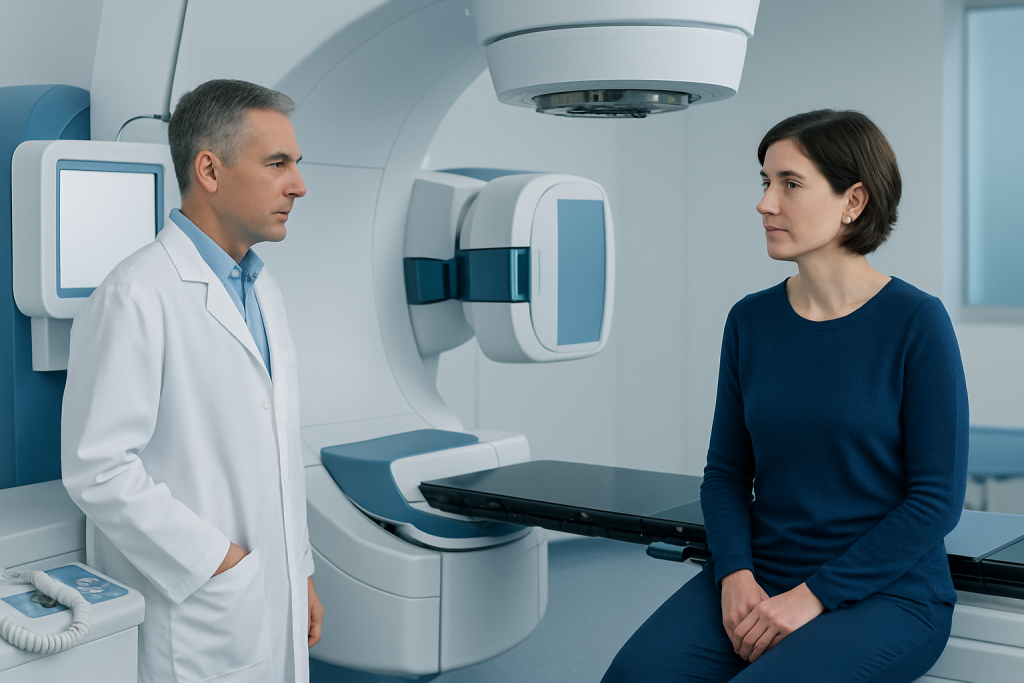
Radiation therapy uses carefully planned high-energy beams to treat a defined area of lymphoma. It may be used alone for certain early lymphomas or alongside systemic treatment. A treatment planning scan is performed first, and short outpatient sessions are then delivered over a schedule chosen by the radiation oncology team.
For some relapsed or high-risk lymphomas, high-dose treatment followed by an autologous stem cell transplant may be appropriate. Stem cells are collected in advance, stored, and returned to the bloodstream after intensive treatment so bone marrow can recover. Allogeneic transplantation, using donor stem cells, is used less often and requires careful consideration because it has different risks.
CAR T-cell therapy is a specialized treatment for selected relapsed or refractory lymphomas. A person’s T cells are collected, modified in a laboratory to recognize lymphoma cells, and then infused after preparatory treatment. It is delivered by experienced teams because close monitoring is needed after infusion.
- Preparation: diagnosis confirmation, staging, baseline tests and discussion of goals and side effects.
- Active treatment: medicines, radiation or cellular therapy are delivered according to the agreed plan.
- Response assessment: examinations, blood tests and imaging assess how well treatment is working.
- Follow-up: surveillance focuses on recovery, late effects, recurrence concerns and general health.
Benefits, risks and recovery timeline
The main benefit of lymphoma treatment is the possibility of removing detectable lymphoma, achieving a long remission or controlling symptoms and disease growth. Outcomes can be very favorable for many lymphoma types, but no treatment can guarantee a particular result. Response is assessed over time, often using clinical review, laboratory tests and PET-CT or CT scans when appropriate.
Side effects vary by treatment. Chemotherapy may cause fatigue, nausea, appetite changes, hair loss, mouth sores, low blood counts, infection risk or nerve symptoms, depending on the medicines used. Immunotherapies and targeted therapies have their own possible effects, including infusion reactions, changes in blood counts or effects on organs. Radiation side effects depend largely on the area treated.
Recovery during standard outpatient treatment is often gradual rather than immediate. Some people continue everyday activities with adjustments, while others need more rest and practical support. Blood counts and energy may take weeks to improve after the final cycle. Recovery after stem cell transplant or CAR T-cell therapy is usually longer and involves closer follow-up, infection precautions and a personalized return-to-activity plan.
Supportive care is an important part of treatment. It may include medicines to prevent nausea or infection, transfusions when needed, nutritional advice, vaccination guidance, emotional support, rehabilitation and palliative care for symptom control at any stage. Patients should report fever, new shortness of breath, severe diarrhea, confusion, unusual bleeding or rapidly worsening symptoms promptly, especially during active treatment.
Living well during and after lymphoma treatment
During treatment, people are generally encouraged to stay as active as their energy allows, eat regular nourishing meals, drink enough fluids and prioritize sleep. A registered dietitian can help if appetite, taste changes, swallowing difficulty or weight loss become concerns. It is best to ask the clinical team before taking supplements or herbal products, as some can interact with cancer treatments.
Infection prevention matters when immune defenses are reduced. Hand hygiene, avoiding close contact with people who are unwell and following individualized food-safety advice can help. Vaccines should be discussed with the oncology team, since timing and suitability can differ before, during and after lymphoma therapy.
Follow-up visits commonly continue after treatment ends. They provide an opportunity to discuss ongoing tiredness, fertility, sexual health, emotional wellbeing, return to work, vaccination, exercise and possible late effects. New symptoms do not always mean lymphoma has returned, but they deserve medical review if they persist or are concerning.
At Acibadem International, multidisciplinary specialists in JCI-accredited hospitals assess lymphoma and coordinate diagnostic, systemic, radiation and supportive care needs for international patients. A treatment plan should always be individualized after specialist review of the pathology and staging results.
When to seek medical care
A person should arrange a medical assessment for an enlarged lymph node that persists for several weeks, keeps growing, feels firm, or occurs with unexplained fever, drenching night sweats, unintentional weight loss, persistent fatigue or itching. These symptoms are common in many non-cancerous conditions as well, but a clinician can determine whether testing is needed.
Urgent medical attention is appropriate for severe shortness of breath, chest pain, facial or neck swelling, confusion, new weakness, uncontrolled bleeding, a high fever during cancer treatment, or signs of a serious infection. People already receiving lymphoma therapy should follow the emergency contact instructions provided by their treatment team.
It is also sensible to seek medical advice if symptoms return after treatment, even if they seem mild. Early evaluation can identify infection, treatment side effects or other health concerns, as well as determine whether further lymphoma assessment is needed.
Is lymphoma cancer 100% curable?
No cancer can be described as 100% curable for every person. However, many forms of lymphoma are highly treatable, and some are often cured, particularly certain Hodgkin lymphomas and aggressive non-Hodgkin lymphomas that respond fully to first-line treatment.
Other lymphomas are slow-growing and may be managed as long-term conditions, with periods of remission and treatment when needed. Individual outlook depends on the subtype, stage, disease features, response to therapy and overall health. The treating hematologist-oncologist is best placed to explain what the diagnosis means for a particular person.
How many rounds of chemo is normal for lymphoma?
There is no single normal number of chemotherapy rounds for lymphoma. Treatment is given in cycles, and the number may range from a few cycles for some early-stage situations to several months of treatment for more extensive or aggressive disease.
The schedule depends on the lymphoma subtype, stage, treatment regimen, response on interim testing and whether radiation or immunotherapy is also being used. Doctors review the plan regularly and may adjust it if side effects, blood counts or response findings make a change appropriate.
Is lymphoma one of the worst cancers to get?
Lymphoma is not one single disease, so it cannot be ranked simply as one of the “worst” cancers. Some lymphomas grow quickly and need prompt intensive treatment, while others develop slowly and may not need treatment right away. Many types have effective treatment options.
It is understandable to feel worried after a lymphoma diagnosis. Asking about the exact subtype, treatment goal, expected benefits and possible side effects can make the situation more manageable. Psychological support, family support and clear communication with the care team are valuable parts of care.
How fast does lymphoma cancer spread?
The speed of lymphoma growth varies widely by subtype. Aggressive lymphomas can enlarge over weeks to months and usually require prompt assessment and treatment. Indolent lymphomas may grow slowly over years and may be monitored safely until treatment is clinically necessary.
Only testing of the biopsy and staging information can show which category a lymphoma is likely to fit. Anyone who notices rapidly enlarging lymph nodes, worsening breathlessness, significant pain, persistent fever or marked decline in wellbeing should seek timely medical evaluation.
Frequently asked questions
What is usually the first treatment for lymphoma?
First treatment depends on the lymphoma subtype and how extensive it is. It may be active monitoring, chemotherapy combined with immunotherapy, radiation therapy, or another targeted approach. A biopsy-based diagnosis is needed before a reliable recommendation can be made.
Can lymphoma be treated without chemotherapy?
Yes, in selected situations lymphoma may be managed with observation, radiation therapy, immunotherapy or targeted medicines without conventional chemotherapy. This depends on the exact subtype, stage, symptoms and treatment goals. Some aggressive lymphomas, however, are most effectively treated with chemotherapy-containing regimens.
How long does lymphoma treatment take?
Treatment length varies from a short course of radiation or several medication cycles to many months of treatment and follow-up. Stem cell transplantation and CAR T-cell therapy involve longer preparation and recovery periods. The care team can provide a more specific timeline after staging and treatment planning.
What happens if lymphoma returns after treatment?
If lymphoma returns, doctors usually confirm the diagnosis and reassess the subtype and extent of disease. Further options may include different medicines, targeted therapy, immunotherapy, radiation, stem cell transplantation or CAR T-cell therapy for eligible individuals. The previous treatment response helps guide the next plan.
Can a person work during lymphoma treatment?
Some people are able to work during treatment, often with modified hours or responsibilities, while others need time away from work. Fatigue, infection risk, appointment schedules and side effects can affect daily routines. Discussing work plans with the clinical team can help create a realistic and safe approach.
What follow-up is needed after lymphoma treatment?
Follow-up commonly includes regular medical visits, symptom review, physical examinations and blood tests. Imaging is used when clinically indicated, rather than always at fixed intervals. Follow-up also addresses long-term effects, vaccination, emotional wellbeing and general preventive health.
References
- National Cancer Institute
- American Cancer Society
- Lymphoma Coalition
- European Society for Medical Oncology
- Leukemia & Lymphoma Society
This article is for general information only and is not a substitute for professional medical advice. Please consult a qualified doctor about your individual situation.
Lymphoma in Turkey — costs, top hospitals & a free quote
JCI-accredited · board-certified surgeons · reply within 24h
Add us as a Preferred Source to see more of our trusted health content across Google Search, AI Overviews and Discover.

Medical Oncology Department
Medical treatment of cancer with chemotherapy, immunotherapy and targeted therapies under a multidisciplinary tumor board.
60 specialists in this unit