High Focus Treatment Center: How It Works, Results and What to Expect

High-focus outpatient care is designed to provide frequent, structured support while a person continues living at home. An intensive outpatient program, or IOP, commonly includes group therapy, individual sessions, skills education, and relapse-prevention planning.
Key Takeaways
- High-focus outpatient care is designed to provide frequent, structured support while a person continues living at home.
- An intensive outpatient program, or IOP, commonly includes group therapy, individual sessions, skills education, and relapse-prevention planning.
- Dual-diagnosis care treats mental health symptoms and substance use together rather than as separate problems.
- Program length, visit frequency, and treatment methods are individualized after a clinical assessment.
- Urgent symptoms such as suicidal thoughts, overdose risk, severe withdrawal, or inability to stay safe require immediate emergency evaluation.
A high focus treatment center generally refers to a service offering structured outpatient behavioral health care for people who need more support than weekly therapy but do not require inpatient hospitalization. Programs may address mental health conditions, substance use, or both through assessment, therapy, medication care when appropriate, and coordinated follow-up.
Overview: What Is a High Focus Treatment Center?
A high focus treatment center usually describes a behavioral health service that provides organized, frequent outpatient support for mental health concerns, substance use disorders, or both. It may offer intensive outpatient programs (IOPs), partial hospitalization programs (PHPs), standard outpatient therapy, psychiatric assessment, and family support. The exact name is not a clinical diagnosis or a regulated level of care, so the services available can differ between centers.
These programs aim to help people stabilize symptoms, develop practical coping skills, improve daily functioning, and build a plan for continued care. They are often appropriate when weekly therapy alone is not enough, but round-the-clock inpatient treatment is not medically necessary. A qualified clinician should assess each person’s symptoms, safety needs, medical history, and home support before recommending a setting.
Care is commonly delivered by a multidisciplinary team that may include psychiatrists, psychologists, therapists, nurses, addiction specialists, social workers, and case managers. Treatment should be individualized, confidential, and based on evidence-informed approaches rather than a single fixed program for every person.
How High-Focus Outpatient Treatment Works
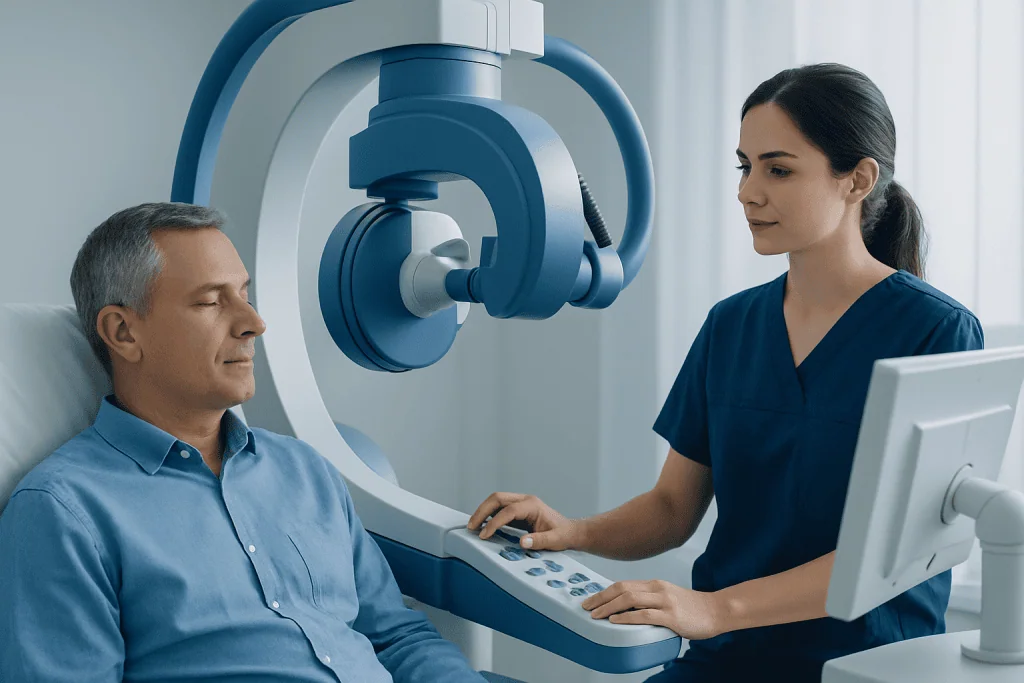
High-focus outpatient care provides planned treatment on several days each week, with sessions often scheduled during daytime or evening hours. This allows a person to remain at home and, when possible, continue work, education, parenting, or other responsibilities. The program usually has more structure and contact than routine outpatient counseling.
Following an initial assessment, the care team develops goals with the patient. Goals may include reducing anxiety or depression symptoms, managing cravings, avoiding substance use, improving sleep and routines, repairing relationships, or returning to school or work. Treatment plans are reviewed regularly and adjusted as symptoms, risks, and goals change.
Programs may use cognitive behavioral therapy, dialectical behavior therapy skills, motivational interviewing, trauma-informed care, psychoeducation, family sessions, and peer-support approaches. If medication may be helpful, a psychiatrist or other qualified prescriber can assess options, explain expected benefits and side effects, and monitor progress. Medication is generally most effective when combined with psychological and social support where indicated.
- Standard outpatient care: often includes appointments weekly or less frequently.
- Intensive outpatient care: provides several therapeutic sessions per week without an overnight stay.
- Partial hospitalization: offers a more time-intensive daytime program for people needing closer monitoring and support.
- Inpatient care: provides 24-hour treatment when safety, severe symptoms, or medical needs require it.
Who May Be a Candidate for an IOP or Similar Program?

A person may be considered for an IOP or another structured outpatient program when symptoms are affecting everyday life but they can remain reasonably safe outside the hospital with an appropriate support plan. Examples include persistent depression, anxiety, trauma-related symptoms, mood instability, substance use concerns, or difficulty coping after a major life event.
It can also be a step-down option after inpatient or residential treatment, helping a person transition gradually into daily life. For substance-related care, outpatient treatment may suit people who do not require medically supervised withdrawal management. Alcohol, sedative, and certain other withdrawals can be dangerous, so an in-person medical assessment is important before stopping use.
Outpatient care may not be the safest first option for someone who has immediate suicidal intent, severe psychosis, confusion, serious withdrawal symptoms, uncontrolled medical illness, or no safe place to stay. In these situations, emergency or inpatient evaluation may be needed. The appropriate level of care should be based on clinical assessment, not preference alone.
What Happens Step by Step?
The process usually begins with a confidential intake assessment. A clinician asks about current symptoms, mental and physical health history, medications, substance use, previous treatment, trauma exposure, family circumstances, and safety concerns. They may use validated questionnaires and, with permission, coordinate with a primary care clinician or other treating professionals.
Next, the team recommends a level of care and develops a treatment plan. The plan identifies the main concerns, measurable goals, recommended session frequency, possible medication review, and practical supports such as family education or return-to-work planning. Patients should have an opportunity to ask about the rationale for recommendations, privacy policies, emergency procedures, and how progress will be measured.
During the program, patients may attend group therapy, individual therapy, skills sessions, medication follow-up appointments, and recovery planning. Group settings can help reduce isolation and allow people to practice communication and coping strategies, while individual sessions address personal goals and sensitive issues. A reliable program also develops a discharge plan early, including follow-up appointments and strategies for responding to warning signs.
When international patients need coordinated behavioral health assessment, Acibadem International’s multidisciplinary specialists and JCI-accredited hospitals can help evaluate mental health needs and discuss suitable care pathways.
Benefits, Limitations and Possible Risks
A potential benefit of structured outpatient care is that it increases therapeutic contact without removing a person completely from their usual environment. Patients can practice new skills in real-life situations and discuss challenges with the care team soon afterward. It may also support continuity after hospital-based treatment and strengthen involvement of family or trusted supporters when appropriate.
However, outpatient care requires regular attendance, transport or reliable remote access where telehealth is offered, and a reasonably safe living environment. It may be less suitable for a person whose symptoms worsen rapidly outside sessions or who is unable to avoid immediate risks. Progress is not always linear; changing long-standing patterns, managing relapse risk, and treating coexisting conditions can take time.
Psychological therapies can temporarily bring up difficult thoughts, emotions, or memories. This does not necessarily mean treatment is harmful, but it is important to tell the treatment team if distress increases. Medication can also cause side effects or interactions, which should be discussed promptly with the prescribing clinician. No program can guarantee a particular outcome, but individualized care and consistent follow-up can support recovery.
Does High Focus Take Insurance?
Insurance acceptance depends on the individual center, the person’s insurance plan, the country or region, and whether the provider is in-network. The term “High Focus” does not itself confirm insurance coverage. Before starting care, patients or family members should contact both the center and the insurer to verify benefits.
Useful questions include whether outpatient therapy, IOP, psychiatric appointments, group sessions, laboratory tests, medications, telehealth, and aftercare visits are covered. It is also important to ask about referrals, prior authorization, deductibles, co-payments, out-of-network reimbursement, and any limits on the number of covered sessions. Written confirmation of coverage can help avoid misunderstandings.
Why Would Someone Go to the IOP?
Someone may go to an IOP when they need more frequent support than occasional outpatient appointments can provide. For example, a person may have continuing depression or anxiety that interferes with work or relationships, recurrent substance use, difficulty applying coping skills between therapy sessions, or a need for structured support after inpatient treatment.
An IOP may provide a consistent routine, regular contact with clinicians, group connection, and practical skills training. It can also help patients identify triggers, create a safety or relapse-prevention plan, and involve supportive family members where appropriate. Attendance alone is not the goal; the program should help the person move toward sustainable care in their community.
What Is the Best Treatment for Dual Diagnosis?
There is no single best treatment for dual diagnosis, also called co-occurring mental health and substance use disorders. The most appropriate approach is usually integrated treatment, in which the same coordinated team addresses both concerns at the same time. Treating only substance use while overlooking depression, trauma, bipolar symptoms, or anxiety can leave important drivers of distress unaddressed.
An integrated plan may include psychiatric evaluation, evidence-based psychotherapy, medication when clinically appropriate, substance-use counseling, peer or family support, and relapse-prevention planning. Care should account for the person’s medical needs, history of withdrawal, social circumstances, preferences, and goals. Some people require inpatient stabilization first, while others can begin in outpatient or intensive outpatient care.
People with possible co-occurring conditions may benefit from learning about depression and other mental health symptoms that can overlap with or be worsened by substance use. A clinician can help distinguish symptoms related to intoxication or withdrawal from an independent mental health condition and recommend the safest treatment setting.
How Long Does Outpatient Mental Health Treatment Take?
Outpatient mental health treatment has no standard duration. An IOP may run for several weeks or longer, depending on clinical needs, attendance, progress, safety, and the availability of support outside the program. After completing intensive care, many people continue with less frequent therapy, medication follow-up, peer support, or primary care.
The care team should reassess progress regularly rather than setting an arbitrary end date. Signs that a person may be ready to step down can include improved symptom management, safer coping during stress, reliable use of a crisis or relapse-prevention plan, stable daily routines, and scheduled follow-up care. Continuing treatment is not a failure; it is often an important part of maintaining recovery.
When to Seek Medical Care
Prompt professional assessment is appropriate when emotional symptoms, substance use, sleep disturbance, panic, low mood, or mood changes are making it hard to function at home, school, work, or in relationships. It is also advisable to seek help when a person is using alcohol or drugs to cope, has returned to use after a period of recovery, or feels that usual supports are no longer enough.
Emergency help is needed for suicidal thoughts with intent or a plan, thoughts of harming someone else, an overdose, severe intoxication, seizures, hallucinations, confusion, severe withdrawal symptoms, or inability to remain safe. The person should contact local emergency services, go to the nearest emergency department, or use a local crisis service. They should not stay alone if immediate safety is in doubt.
For non-emergency concerns, a primary care clinician, psychiatrist, psychologist, or qualified addiction professional can help determine whether routine outpatient care, an IOP, partial hospitalization, inpatient treatment, or another support option is most suitable. Early support is a practical step toward recovery and does not require waiting for symptoms to become severe.
Frequently asked questions
What does a high focus treatment center usually provide?
A high focus treatment center commonly provides structured outpatient behavioral health services, such as intensive outpatient programs, therapy, psychiatric assessment, medication management, and substance-use support. Services vary by location, so patients should ask what levels of care, specialties, and emergency arrangements are available.
Is an IOP the same as inpatient treatment?
No. An IOP is outpatient care, meaning the patient returns home after scheduled treatment sessions. Inpatient treatment includes overnight, 24-hour support and may be recommended when symptoms, withdrawal, medical issues, or safety risks need closer monitoring.
Can someone work or attend school during an IOP?
Many people can continue some work, study, or family responsibilities during an IOP because they do not stay overnight. However, the schedule can be demanding, and temporary adjustments may be helpful. The care team can discuss realistic planning based on symptom severity and treatment needs.
What is dual diagnosis?
Dual diagnosis means a person has both a mental health condition and a substance use disorder. Examples may include depression and alcohol use disorder, or anxiety and problematic use of prescription drugs. Integrated care addresses both conditions together.
How is progress measured in outpatient mental health treatment?
Clinicians may track symptoms, attendance, functioning, sleep, substance use, treatment goals, and the person’s own sense of well-being. Progress also includes practical changes, such as using coping skills, improving relationships, keeping appointments, and responding more safely to stress. Treatment plans should be reviewed and adjusted over time.
What should a person ask before joining a treatment program?
They can ask about the program’s level of care, schedule, qualifications of staff, approaches used, medication access, crisis procedures, family involvement, confidentiality, and discharge planning. It is also sensible to ask about insurance verification and any expected out-of-pocket responsibilities before treatment begins.
References
- World Health Organization
- National Institute of Mental Health
- Substance Abuse and Mental Health Services Administration
- American Psychiatric Association
- National Institute on Drug Abuse
This article is for general information only and is not a substitute for professional medical advice. Please consult a qualified doctor about your individual situation.
Explore treatments in Turkey — costs, top hospitals & a free quote
JCI-accredited · board-certified surgeons · reply within 24h
Add us as a Preferred Source to see more of our trusted health content across Google Search, AI Overviews and Discover.