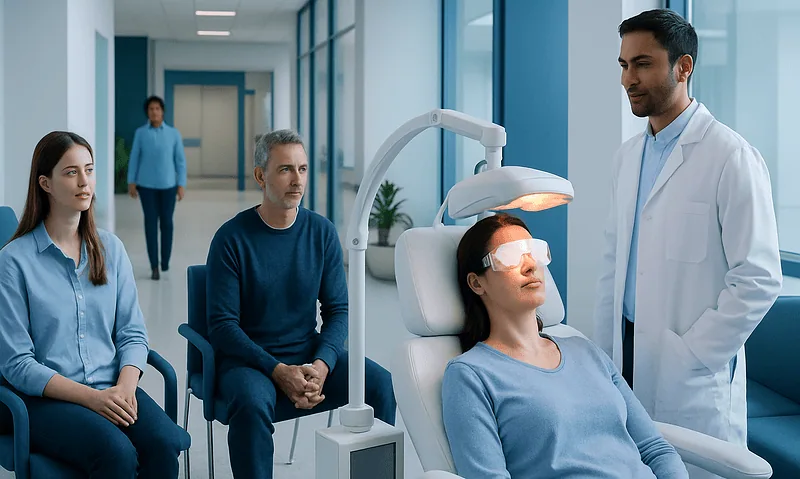
Histrelin Implant: An Evidence-Based Patient Guide

The implant continuously releases histrelin, a gonadotropin-releasing hormone agonist, for approximately one year. In children, it may be used to treat central precocious puberty; in adults, a histrelin implant may be used for advanced prostate cancer.
Key Takeaways
- The implant continuously releases histrelin, a gonadotropin-releasing hormone agonist, for approximately one year.
- In children, it may be used to treat central precocious puberty; in adults, a histrelin implant may be used for advanced prostate cancer.
- Insertion and removal are usually minor outpatient procedures performed with local anesthetic.
- Hormone levels can briefly rise after treatment begins before falling, which can temporarily worsen some symptoms.
- Follow-up visits and appropriate laboratory testing help clinicians assess response, growth or disease control, and side effects.
A histrelin implant is a small, flexible device placed beneath the skin of the upper arm to release medicine that lowers specific reproductive hormone signals. It is used for different medical reasons in children and adults, and treatment decisions should be individualized with an endocrinologist, urologist, oncologist, or other qualified specialist.
Overview: What Is a Histrelin Implant?
A histrelin implant is a thin, flexible rod placed just under the skin, usually on the inner side of the upper arm. It gradually releases histrelin acetate, a medicine that changes signaling between the brain, pituitary gland, and reproductive organs. This reduces production of sex hormones after an initial, temporary stimulation phase.
The implant is designed to provide ongoing treatment without daily tablets or frequent injections. In pediatric care, it is commonly used for central precocious puberty, a condition in which puberty begins earlier than expected. In adult oncology and urology care, histrelin may be used as androgen-deprivation therapy for advanced prostate cancer, where lowering testosterone can help slow cancer growth.
Brand, local regulatory approval, and exact indications can vary by country. A clinician should explain why histrelin is being considered, what treatment goals are realistic, how long treatment may continue, and which monitoring plan is appropriate for the individual.
How the Histrelin Implant Works
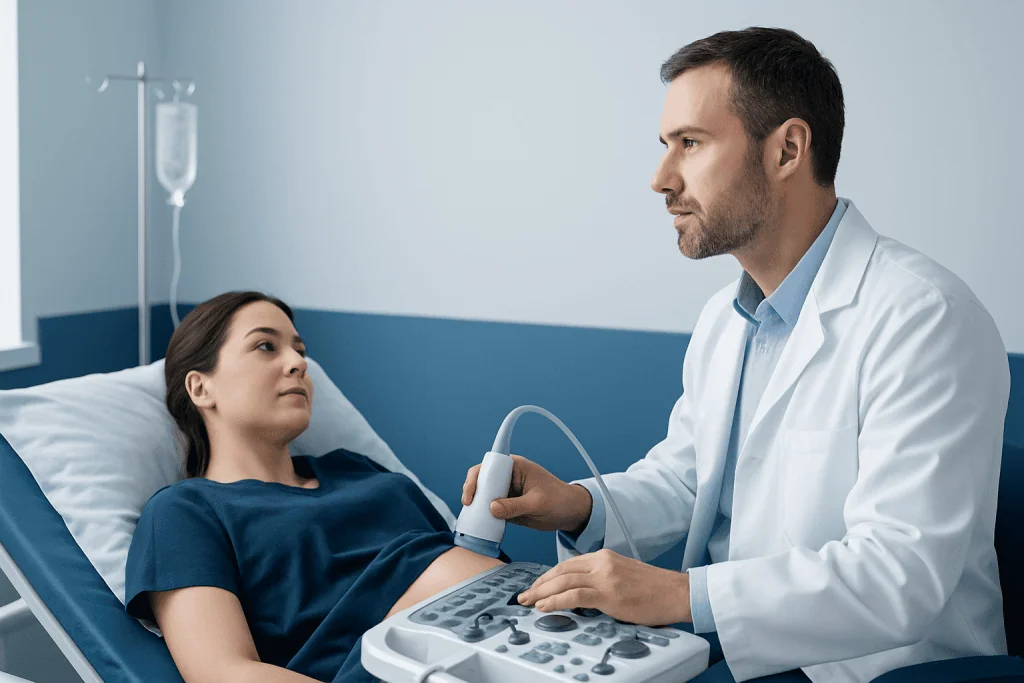
Histrelin is a gonadotropin-releasing hormone (GnRH) agonist. At first, it stimulates the pituitary gland to release hormones that influence estrogen or testosterone production. With continuous exposure, however, the pituitary becomes less responsive. Levels of luteinizing hormone and follicle-stimulating hormone decrease, followed by lower sex hormone production.
This initial hormonal rise is sometimes called a flare. In children treated for central precocious puberty, temporary pubertal changes may occur early in treatment. In people receiving treatment for prostate cancer, a flare can transiently worsen disease-related symptoms. The care team may take additional precautions in people at higher risk of complications from a flare, such as those with urinary obstruction or spinal involvement.
Hormonal suppression is reversible after the implant is removed and the medication effect wears off, although the timing of recovery varies. For children, the return of normal pubertal progression is expected after treatment ends. For adults with prostate cancer, the plan depends on cancer stage, prior treatment, treatment goals, and overall health.
Who May Be a Candidate?

For children, a histrelin implant may be considered when testing confirms central precocious puberty. Assessment usually includes a detailed growth and development history, physical examination, hormone testing, and often a bone-age X-ray. Imaging or other tests may be advised when the clinician needs to look for an underlying cause.
For adults, histrelin may be considered as part of hormone therapy for advanced prostate cancer. This decision is typically made with a urologist and oncologist after discussing cancer characteristics, symptoms, previous treatments, medical conditions, and personal preferences. Related care may include prostate cancer evaluation and treatment planning when this condition is present.
Histrelin may not be suitable for everyone. It should generally be avoided during pregnancy, and it is not used in people with a known serious allergy to histrelin, similar GnRH medicines, or implant components. Clinicians also review seizure history, brain or pituitary conditions, heart rhythm concerns, diabetes risk, bone health, mental health history, and all current medicines before prescribing it.
Insertion and Histrelin Implant Removal: Step by Step
Implant placement is usually performed as an outpatient procedure. The clinician confirms the treatment plan, identifies the placement site, cleans the skin, and injects local anesthetic to numb the area. A small incision is made, and the implant is inserted beneath the skin. The incision is then closed with adhesive strips, sutures, or another appropriate closure method and covered with a dressing.
The appointment is generally brief, but preparation and observation can make the overall visit longer. Young children or people who cannot comfortably remain still may need additional support or, in selected situations, sedation or anesthesia. The exact approach is determined by the clinical team and the patient’s needs.
Histrelin implant removal uses a similar small-incision technique, usually at about 12 months or when treatment is no longer required. The clinician locates the implant by examination; if it is difficult to feel, ultrasound or another imaging method may help. A new implant can sometimes be inserted during the same visit if ongoing treatment is planned.
Administrative terms such as “histrelin implant ICD-10” and “histrelin implant removal ICD-10” refer to diagnostic or procedure coding used by healthcare systems and insurers. The correct code depends on the indication, the clinical encounter, and regional coding rules, so the treating clinic or payer should confirm coding and authorization details.
How Long Does a Histrelin Implant Last?
A histrelin implant is generally intended to provide medication for about 12 months. It should be removed by a trained clinician at the recommended time, unless the care team gives different instructions based on the specific product, treatment plan, and local guidance.
Some clinical evidence suggests that hormone suppression can continue beyond one year in selected circumstances, but this does not mean an implant should be left in place without supervision. Retaining an implant longer than planned can make removal more difficult and may lead to unintended prolonged hormone suppression.
Follow-up schedules differ by indication. For central precocious puberty, clinicians often monitor growth rate, pubertal signs, bone maturation, and hormone suppression. For prostate cancer, monitoring may include symptoms, prostate-specific antigen testing where appropriate, testosterone levels, and assessment of treatment-related effects.
Benefits, Side Effects, and MRI Safety
A key benefit of the histrelin implant is steady hormone suppression without the need for daily medication or repeated injections. For children with central precocious puberty, effective treatment can pause further pubertal progression and help preserve height potential. In advanced prostate cancer, lowering testosterone can be an important part of disease control and symptom management.
Common histrelin implant side effects may include bruising, soreness, redness, swelling, itching, or scarring at the insertion site. Other possible effects depend partly on the reason for treatment and may include headache, hot flashes, tiredness, mood or emotional changes, decreased libido, breast tenderness or enlargement, changes in weight or body composition, and reduced bone mineral density during prolonged sex-hormone suppression.
Less common but important concerns include implant breakage, movement, difficult removal, infection, allergic reaction, worsening symptoms during the early hormone flare, changes in blood sugar control, and effects on heart rhythm in people with risk factors. Children receiving GnRH agonists should also be monitored for unusual behavioral changes, seizures in susceptible individuals, and rare pituitary-related symptoms. New, severe, or persistent symptoms should be discussed promptly with the treating team.
For histrelin implant MRI safety, the implant is generally considered compatible with magnetic resonance imaging under the conditions specified by the manufacturer. However, the person should always tell the radiology team that an implant is present before an MRI. The imaging center can verify the product details, MRI conditions, and whether the implant could create a small local imaging artifact near the arm.
Recovery, Self-Care, and Follow-Up
Most people can go home shortly after insertion or removal. The arm may feel tender for a few days, and mild bruising is common. The clinical team will provide specific wound-care instructions, including how long to keep the dressing in place, when bathing is permitted, and when vigorous arm activity, swimming, or contact sports can resume.
It is sensible to keep the site clean and dry as instructed and avoid rubbing or pressing on the implant area. Patients or caregivers should not attempt to push the implant back into place or remove it themselves. If the implant seems to have moved, or if it cannot be felt when it was previously easy to locate, the clinic should be contacted for advice.
Follow-up is an essential part of treatment rather than an optional extra. It allows clinicians to confirm the expected hormone response, review emotional and physical wellbeing, check for side effects, and plan timely replacement or removal. Acibadem International’s multidisciplinary specialists and JCI-accredited hospitals can assess and manage hormone-related conditions for international patients when coordinated specialist care is needed.
When to Seek Medical Care
Contact the treating clinic soon if there is increasing redness, warmth, drainage, fever, significant swelling, severe pain, or an opening of the incision after placement or removal. Medical advice is also appropriate if the implant appears to protrude, has moved noticeably, or cannot be located as expected.
Urgent medical assessment is needed for signs of a serious allergic reaction, such as trouble breathing, swelling of the face or throat, or widespread hives. Adults receiving histrelin for prostate cancer should seek urgent care for new leg weakness, numbness, loss of bladder or bowel control, inability to urinate, or severe new back pain, as these symptoms can require prompt evaluation.
Families should contact the child’s specialist if pubertal signs progress unexpectedly, if there are marked mood or behavioral changes, or if concerning headaches, vision changes, or seizures occur. These symptoms do not always indicate a serious problem, but they warrant timely professional assessment.
Frequently asked questions
What is a histrelin implant?
A histrelin implant is a small rod placed under the skin of the upper arm that steadily releases a hormone-suppressing medicine. It is used for certain conditions, including central precocious puberty in children and advanced prostate cancer in adults. The specific indication depends on the product, local approval, and the patient’s clinical situation.
How long does a histrelin implant last?
A histrelin implant is usually designed to last about 12 months. It should be reviewed and generally removed or replaced by a trained clinician at the recommended time. The exact schedule may vary according to the product and treatment plan.
What are the side effects of histrelin?
Possible side effects include soreness, bruising, itching, redness, or scarring at the arm site, along with hormone-related effects such as hot flashes, headache, tiredness, mood changes, or changes in sexual function. The medicine can briefly raise hormone levels before suppressing them, which may temporarily worsen certain symptoms. A clinician should be informed about severe, persistent, or unexpected symptoms.
How much does a histrelin implant cost?
The cost of a histrelin implant varies substantially by country, healthcare setting, insurance coverage, indication, medication brand, anesthesia needs, and fees for insertion, removal, and follow-up. A clinic’s financial counseling team or the insurer can provide an individualized estimate. Patients should also ask whether laboratory tests, imaging, and replacement or removal are included in coverage.
Is a histrelin implant safe for MRI?
A histrelin implant is generally MRI-compatible when the manufacturer’s specified conditions are followed. Before any MRI, the patient should tell the radiology staff about the implant and, if possible, provide product information or the implant card. The imaging team can confirm the appropriate MRI conditions for that device.
What happens after histrelin implant removal?
After removal, the small incision usually heals over days to weeks, although mild tenderness or bruising may occur initially. Hormone activity can recover over time, but the timeline differs among individuals and depends on why the implant was used. If treatment is continuing, a replacement implant may be inserted during the same appointment or another hormone-suppressing option may be discussed.
References
- U.S. Food and Drug Administration
- Endocrine Society
- American Academy of Pediatrics
- National Cancer Institute
- American Urological Association
This article is for general information only and is not a substitute for professional medical advice. Please consult a qualified doctor about your individual situation.
Explore treatments in Turkey — costs, top hospitals & a free quote
JCI-accredited · board-certified surgeons · reply within 24h
Add us as a Preferred Source to see more of our trusted health content across Google Search, AI Overviews and Discover.