Angelina Jolie Surgery: Procedure, Recovery and Results

Angelina Jolie publicly described having a preventive double mastectomy after learning she carried a BRCA1 mutation. She also reported having breast reconstruction as part of her care.
Key Takeaways
- Angelina Jolie publicly described having a preventive double mastectomy after learning she carried a BRCA1 mutation.
- She also reported having breast reconstruction as part of her care.
- Risk-reducing mastectomy is an individual decision that requires genetic counseling and discussion with a specialist team.
- Mastectomy can lower breast cancer risk substantially for some high-risk people, but it does not eliminate risk completely.
- Recovery, reconstruction choices, and emotional needs differ widely from one person to another.
Angelina Jolie surgery most commonly refers to the preventive double mastectomy she publicly discussed in 2013 after testing positive for a BRCA1 gene mutation. Her experience increased awareness of inherited breast cancer risk, genetic counseling, risk-reducing surgery, and the personal choices available after mastectomy.
Angelina Jolie Surgery: What Was the Procedure?
Angelina Jolie surgery usually refers to her publicly disclosed preventive bilateral mastectomy, also called a risk-reducing double mastectomy. In 2013, she wrote that she had learned she carried a harmful BRCA1 gene mutation and chose surgery to reduce her chance of developing breast cancer. This was a preventive decision, not treatment for a diagnosed breast cancer.
A bilateral mastectomy removes breast tissue from both breasts. Depending on a person’s anatomy, cancer risk, and preferences, surgeons may preserve the breast skin and sometimes the nipple area, or remove these tissues when medically appropriate. Reconstruction may be performed at the same operation or later.
Her public account helped bring attention to hereditary cancer assessment. However, a family history of cancer does not automatically mean that preventive mastectomy is needed. Genetic testing results, personal health history, imaging, family patterns of cancer, and individual priorities should all be considered with qualified clinicians.
People concerned about inherited breast cancer risk can learn more about breast cancer and discuss personalized options with a genetic counselor, breast surgeon, and oncology team.
How Risk-Reducing Mastectomy Works and Who May Consider It
Risk-reducing mastectomy aims to remove as much breast tissue as safely possible before cancer develops. Because small amounts of breast tissue can remain after surgery, the procedure cannot bring risk to zero. Still, it can substantially reduce the risk of breast cancer for people with certain high-risk inherited mutations or particularly strong family histories.
It may be discussed with people who have a confirmed harmful mutation in genes such as BRCA1 or BRCA2, a very strong family pattern of breast and ovarian cancer, or selected medical histories that raise risk considerably. The decision is not based on a gene result alone. A genetics specialist can explain what a test result means for the individual and, where appropriate, for relatives.
Alternatives may include enhanced screening with mammography and breast MRI, medicines that reduce risk for some patients, and lifestyle measures that support general health. For people with BRCA-related risk, risk-reducing removal of the ovaries and fallopian tubes may also be discussed at an appropriate age, as this addresses ovarian and fallopian tube cancer risk rather than replacing breast-risk management.
Shared decision-making is essential. The most suitable approach depends on medical risk, reproductive plans, body image, tolerance for surveillance, surgical considerations, and the person’s own goals.
What Happens During the Procedure?
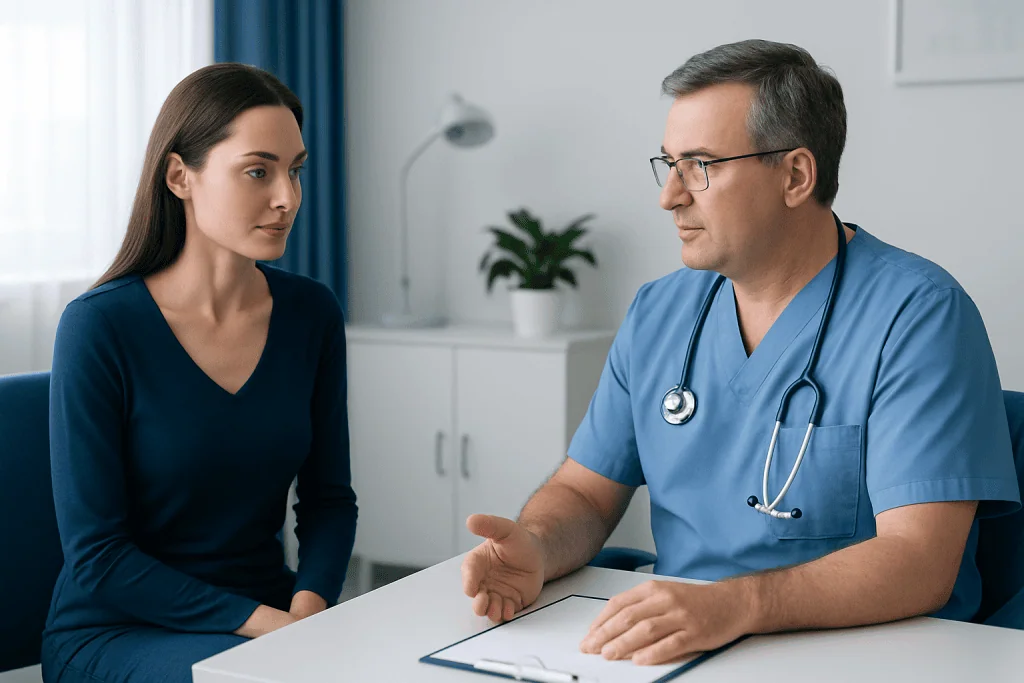
Before surgery, patients usually meet with a breast surgeon and, if reconstruction is desired, a plastic and reconstructive surgeon. The team reviews imaging, medical history, medications, smoking status, and anesthesia considerations. They also explain expected scars, options for preserving skin or nipples, and whether reconstruction will use an implant, the patient’s own tissue, or no reconstruction.
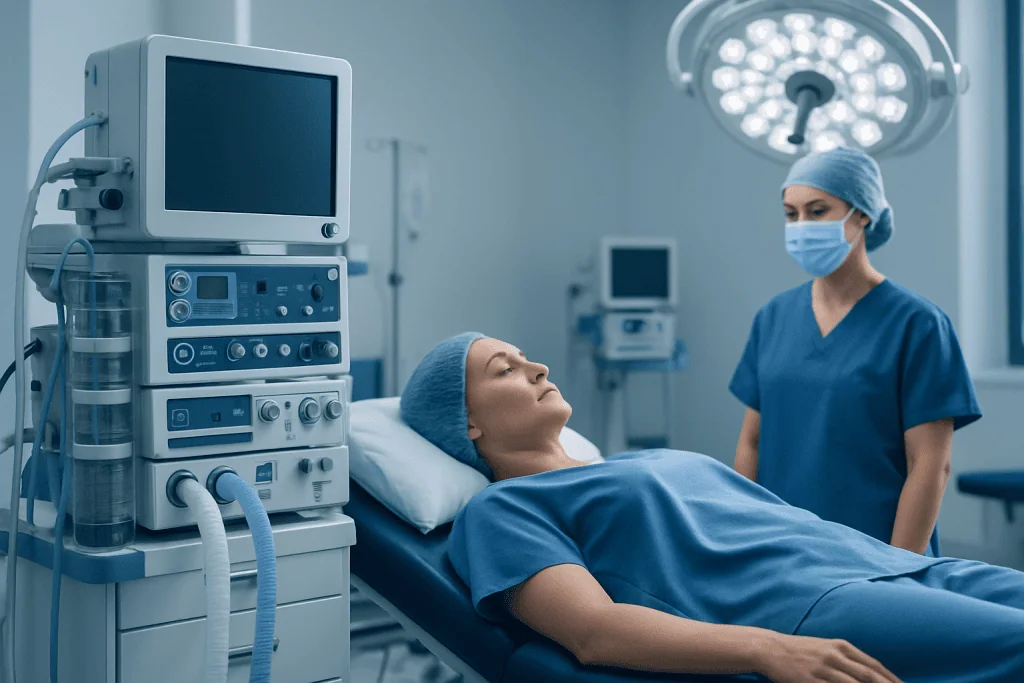
During a mastectomy, the patient is under general anesthesia. The surgeon makes planned incisions, removes breast glandular tissue, and sends tissue for laboratory examination. Sentinel lymph node procedures are not routinely required for every preventive mastectomy, but the approach is individualized if there is a concern on imaging or pathology.
Immediate reconstruction may begin in the same operation. It can involve placement of an implant or temporary tissue expander, or reconstruction using tissue from another part of the body. Some people choose to remain flat after mastectomy, sometimes called aesthetic flat closure. This is also a valid option and should be discussed clearly before surgery.
After the operation, small drainage tubes may be used temporarily to help prevent fluid collection. The surgical team provides instructions for wound care, activity, pain management, follow-up visits, and when to contact the hospital.
Did Angelina Jolie Have Her Breasts Reconstructed?
Yes. Angelina Jolie wrote publicly that she had breast reconstruction following her preventive double mastectomy. She described a staged process that included initial surgery and later reconstructive steps. Specific clinical details beyond what she has publicly shared should not be assumed.
Breast reconstruction is a personal choice, not a requirement after mastectomy. It may be immediate, taking place at the same time as mastectomy, or delayed until a later date. Options include implant-based reconstruction and autologous reconstruction, which uses tissue from the patient’s abdomen, back, thigh, or another area.
Some patients prefer no breast reconstruction and may choose a flat chest contour, external breast prostheses, or no prosthesis. A consultation for breast reconstruction can help patients understand the timing, likely scars, possible need for further procedures, and alternatives that fit their preferences.
Reconstruction does not affect whether a person is considered to have had a mastectomy, and it does not remove the need for ongoing medical follow-up. The care plan is tailored to the surgery performed and the person’s underlying cancer risk.
Recovery Timeline, Benefits and Possible Risks
Recovery varies with the type of mastectomy, whether lymph node surgery is performed, and whether reconstruction is immediate. Many people spend one or more nights in hospital, although arrangements differ by procedure and local practice. In the early days, soreness, tiredness, chest tightness, limited arm movement, and temporary drainage tubes are common.
In the first few weeks, patients gradually return to light daily activities while avoiding strenuous exercise and heavy lifting until their surgeon advises otherwise. Follow-up visits monitor wound healing and drainage. Full recovery can take several weeks or longer, especially after reconstruction using the person’s own tissue or when additional reconstructive stages are planned.
The main potential benefit of risk-reducing mastectomy is a major reduction in future breast cancer risk for appropriately selected high-risk patients. Potential risks include bleeding, infection, fluid buildup, wound-healing problems, changes in sensation, persistent pain or tightness, scarring, anesthesia-related complications, and dissatisfaction with cosmetic or functional results. Reconstruction can also have implant- or flap-specific complications.
Emotional recovery deserves equal attention. People may experience relief, grief, changes in body image, concerns about sexuality, or mixed feelings. Breast care nurses, mental health professionals, support groups, physical therapists, and trusted family members can all be valuable sources of support.
How Many Plastic Surgeries Has Angelina Jolie Had?
There is no reliable public record that can confirm how many plastic surgeries Angelina Jolie has had. It is not appropriate to infer medical procedures from photographs, appearance changes, rumors, or media reports. Public discussion should remain limited to information a person has chosen to share.
In relation to her preventive mastectomy, she publicly described reconstructive surgery. Reconstructive procedures following cancer-risk surgery are medically distinct from elective cosmetic surgery, although plastic and reconstructive surgeons may perform both types of care.
Searches for “Angelina Jolie surgeries” may also combine unrelated stories or speculation. A person’s appearance can change for many reasons, including age, lighting, makeup, weight changes, illness, and normal variation. Medical decisions should be based on personal clinical needs rather than celebrity comparisons.
For anyone considering reconstructive or cosmetic procedures, an accredited specialist consultation should include a review of goals, realistic outcomes, health conditions, recovery demands, and possible complications.
What Celebrities Go Flat After a Mastectomy?
Some public figures and many non-celebrities have openly chosen to remain flat after mastectomy rather than have breast reconstruction. However, it is best not to create a definitive list based on media reporting, as personal medical information and terminology can be incomplete or private.
Aesthetic flat closure is a surgical approach that aims to create a smooth, comfortable chest contour after mastectomy. It is not the absence of care or a lesser choice. It can be appropriate for people who do not want reconstruction, are not candidates for it, wish to avoid additional operations, or simply feel it best fits their body and priorities.
Before mastectomy, patients can ask the surgeon about incision placement, contour goals, side-to-side symmetry, excess skin or tissue, and the possibility of revision later if needed. Bringing photographs or written questions to the consultation may help communicate preferences.
Whether a patient chooses implants, tissue-based reconstruction, delayed reconstruction, or flat closure, the decision should be respected and supported with clear information and compassionate follow-up.
What Has Angelina Jolie Done to Her Face? When to Seek Medical Care
There is no verified medical basis for stating what procedures, if any, Angelina Jolie has had on her face beyond information she has personally confirmed. Claims about facial surgery or injectable treatments based on images are speculative and should not be treated as health information. The phrase “Angelina Jolie surgery leg” is also associated with online searches, but there is no reason to assume a particular leg procedure without reliable, public confirmation.
After any breast surgery, urgent medical advice is needed for symptoms such as fever, worsening redness or swelling, pus-like drainage, sudden one-sided swelling, uncontrolled pain, chest pain, shortness of breath, or a wound that opens. These symptoms do not always mean a serious complication, but prompt assessment is important.
Anyone worried about a family history of breast, ovarian, pancreatic, or prostate cancer should arrange a non-urgent medical appointment to discuss risk assessment and possible genetic counseling. A specialist can explain whether genetic testing, earlier screening, or preventive strategies may be appropriate.
Acibadem International’s multidisciplinary specialists and JCI-accredited hospitals support international patients with genetic risk assessment, breast surgery, reconstruction, and follow-up care. Individual recommendations should always be made after an in-person clinical evaluation.
Frequently asked questions
Why did Angelina Jolie have a double mastectomy?
Angelina Jolie publicly said she chose a preventive double mastectomy after learning she carried a BRCA1 gene mutation. This mutation can significantly increase the lifetime risk of breast and ovarian cancer. Her choice was personal and based on her own risk assessment and family history.
Was Angelina Jolie diagnosed with breast cancer before surgery?
Based on her public statements, her mastectomy was preventive rather than treatment for an established breast cancer diagnosis. Preventive mastectomy is considered for some people with very high inherited risk. It is not routinely needed for everyone with a family history of breast cancer.
Can a BRCA mutation be inherited from either parent?
Yes. BRCA1 and BRCA2 mutations can be inherited from either a mother or a father. Both women and men can carry these mutations and may pass them to their children. Genetic counseling can clarify who in a family may benefit from testing.
Does a preventive mastectomy eliminate breast cancer risk?
No. A preventive mastectomy greatly reduces risk for appropriately selected high-risk patients, but it cannot remove every cell of breast tissue. Some residual risk remains, so patients should continue follow-up according to their clinical team’s recommendations.
How long does recovery after double mastectomy take?
Initial healing often takes several weeks, but the total timeline varies widely. Recovery may be longer when reconstruction, especially tissue-flap reconstruction, is performed. The surgical team provides individualized guidance about work, driving, exercise, and lifting.
Can a person choose not to have reconstruction after mastectomy?
Yes. Reconstruction is optional. A person may choose to remain flat, use an external prosthesis, have reconstruction later, or choose immediate reconstruction. A preoperative discussion with the surgical team can ensure that the plan reflects the patient’s preferences.
References
- National Cancer Institute
- Centers for Disease Control and Prevention
- American Cancer Society
- National Comprehensive Cancer Network
- American Society of Plastic Surgeons
This article is for general information only and is not a substitute for professional medical advice. Please consult a qualified doctor about your individual situation.
Oncology care in Turkey — second opinion and treatment plan
JCI-accredited · board-certified surgeons · reply within 24h
Add us as a Preferred Source to see more of our trusted health content across Google Search, AI Overviews and Discover.