

Recovery Room and ICU Guide for International Patients

The recovery room and intensive care unit are hospital areas where patients are closely monitored after surgery, procedures, or serious illness until their condition is stable. At Acibadem in Turkey, international patients receive structured post-treatment observation, supportive care, and ongoing assessment in these units, with care plans adjusted to recovery needs and the level of monitoring required.
After surgery or a major medical procedure, the recovery room and ICU are closely monitored areas designed to keep you safe while your care team observes your breathing, comfort, circulation and early recovery. This guide explains what you and your companion can expect, how communication works, and how Acibadem International supports you during this important stage of your hospital stay in Turkey.
At a glance
- Main purpose: Close monitoring immediately after surgery, anesthesia or a serious illness
- Who you may meet: Nurses, anesthesiologists, ICU doctors, surgeons, physiotherapists and interpreters
- Family access: Visiting is usually more structured in recovery and ICU areas for safety and infection control
- Communication support: International patient teams and interpreters help you and your companion understand updates
- Typical next step: Transfer to a standard hospital room when monitoring needs decrease
What the Recovery Room and ICU Are For
The recovery room, sometimes called the post-anesthesia care unit, is where you are taken immediately after surgery or certain procedures. The priority is simple and practical: your care team watches you closely as you wake from anesthesia, checks your breathing and circulation, manages pain or nausea, and confirms that it is safe for you to move to the next stage of care.
The intensive care unit, or ICU, provides a higher level of monitoring for patients who need more continuous observation or specialized support. Some patients go to ICU because the surgery was complex, because of an existing health condition, or because the medical team wants extra caution during the first hours or days after treatment. Being in ICU does not always mean something has gone wrong; in many cases, it is a planned safety measure.
For international patients, these areas can feel unfamiliar because routines, visiting rules and communication patterns may differ from home. Acibadem International’s international patient services, interpreters and hospital teams help you and your companion understand where you are, why you are there, and what needs to happen before you can move to a regular room.
What You May Notice When You Wake Up
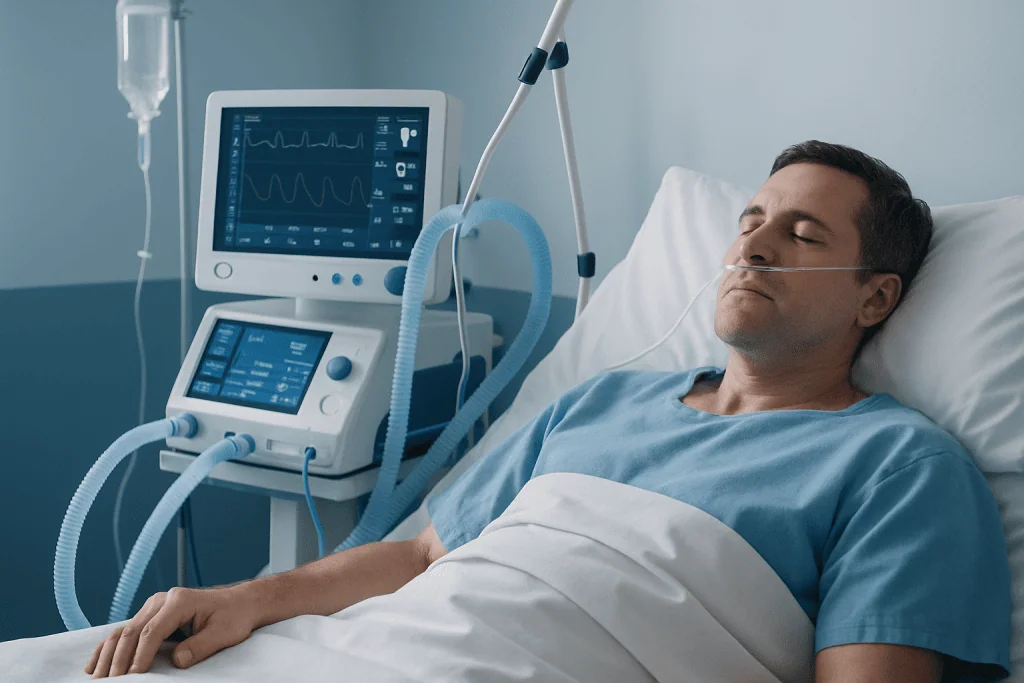
When you first wake, you may feel sleepy, cold, thirsty, confused or emotional. These experiences can be common after anesthesia, pain medication or a long procedure. You may hear monitors beeping, feel a blood pressure cuff inflating on your arm, or notice oxygen tubing, IV lines, drains or dressings depending on your treatment.
Nurses will ask you simple questions, such as your name, whether you have pain, or if you feel nauseated. They may check your surgical site, monitor urine output, encourage deep breathing, or adjust your position. These actions are part of routine observation and do not necessarily indicate a problem.
If you do not speak Turkish or English comfortably, let your team know in advance through your coordinator whenever possible. Interpreter support can help with important explanations, but in the immediate recovery area you may also be asked basic yes or no questions, or invited to point to a pain scale. Your companion may not be beside you at every moment in recovery or ICU, so having language preferences clearly documented before surgery is helpful.
Family Visits, Updates and Privacy

Recovery rooms and ICUs are controlled clinical areas, so visiting is usually limited and organized. This protects patient privacy, supports infection control, and allows nurses and doctors to work quickly when needed. Your companion may be asked to wait in a designated area until the team confirms that a visit is possible or that you are ready to be transferred.
International families often worry when they cannot enter immediately. It may help to agree in advance who will receive medical updates and which language should be used. At Acibadem International, patient coordinators and interpreters can support communication between your family and the clinical team, while respecting hospital rules and confidentiality.
Before your procedure, ask what your companion should expect: where to wait, how updates are shared, whether phone calls are possible, and which belongings can be brought later. Clear expectations reduce stress, especially if your family has travelled with you from another country and is managing a new city, hotel, hospital layout and time zone at the same time.
Comfort, Pain Control and Emotional Reassurance
Pain control is an important part of safe recovery. Your team may ask you to rate pain from 0 to 10, describe where it is, or say whether it feels sharp, pressure-like or burning. Try to answer honestly rather than being brave; untreated pain can make it harder to breathe deeply, move safely, sleep or participate in early recovery steps.
You may also feel anxious, tearful or disoriented, particularly if you wake up in an ICU environment with lights, alarms and unfamiliar equipment. Tell the nurse if you are frightened or if you do not understand what is happening. Even brief reassurance, an explanation of the monitor, or help contacting your interpreter or companion can make the situation feel more manageable.
Comfort measures may include adjusting your position, warming blankets, medication for nausea, mouth care, breathing exercises or help with sleep and noise. The care team will balance comfort with safety, especially if certain medications affect breathing, blood pressure or alertness. If you have had previous reactions to pain medicine, sedatives or anesthesia, make sure this is included in your medical history before treatment.
Safety Standards, Monitoring and Infection Control
In JCI-accredited hospitals such as those within the Acibadem network, recovery and ICU routines are guided by structured patient safety practices. You may notice staff confirming your identity, checking allergy information, washing or sanitizing hands, using protective equipment, and documenting medication or monitoring results carefully. These repeated checks are intentional safety steps.
Monitors may track heart rhythm, blood pressure, oxygen levels, temperature and breathing. Depending on your condition, the team may also review laboratory results, imaging, fluid balance, wound drainage or medication response. If an alarm sounds, it does not always mean an emergency; many alarms are reminders for the nurse to check a reading, line or sensor.
You and your companion can support safety in practical ways: keep your ID wristband on, remind staff about allergies if asked, do not adjust medical devices yourself, and follow visitor hygiene rules. If you notice a change such as sudden chest discomfort, breathing difficulty, new weakness, heavy bleeding, severe pain or confusion, call the nurse immediately.
Moving from ICU or Recovery to Your Room
Transfer to a standard hospital room happens when your team is satisfied that you no longer need the same level of continuous observation. The exact timing depends on your treatment, vital signs, pain control, breathing, mobility, lab results and the overall plan made by your doctors. Some patients spend only a short time in recovery, while others may need planned ICU observation overnight or longer.
Before transfer, nurses usually give a detailed handover to the ward team. This may include your medications, allergies, drains or catheters, diet instructions, mobility precautions, wound care needs and any concerns to watch. Your companion may see you once you are settled, depending on visiting rules and your condition.
Once you are in your room, the environment is usually quieter and more private, but recovery is still active. You may begin walking with assistance, eating gradually, using breathing exercises, receiving physiotherapy, or discussing discharge planning. For international patients, this is also a good time to ask about fit-to-fly guidance, medication instructions, translated reports, follow-up appointments and hotel or travel arrangements before returning home.
Practical Tips for International Patients and Companions
Preparation makes the recovery room and ICU experience less stressful. Before your procedure, confirm your preferred language, your emergency contact, your companion’s phone number, and any special needs such as hearing aids, glasses, religious preferences, mobility support or anxiety triggers. Ask which personal items are allowed and which should stay with your companion.
Pack lightly for the hospital day. Useful items may include a phone charger, glasses case, list of medications, copies of medical documents, comfortable clothes for later, and a small notebook for your companion to record updates. Valuables should be minimized, and any essential documents should be kept secure.
- Ask where your companion should wait during surgery and recovery.
- Confirm how medical updates will be shared and in which language.
- Check whether ICU visiting hours differ from standard room visiting.
- Tell your coordinator about dietary, mobility, accessibility or religious needs.
- Request translated discharge documents early if you will need them for doctors at home.
Acibadem International can help coordinate non-clinical details such as interpreter access, hospital navigation, accommodation guidance and travel-related questions. The goal is to help you focus on healing while the practical parts of being treated abroad are handled in an organized way.
Step by step
- Share your medical and language needs before treatment. Give your coordinator and medical team a complete medication list, allergy history, previous anesthesia reactions and important health conditions. Also confirm your preferred language and who should receive updates if you are in recovery or ICU.
- Prepare your companion for waiting and updates. Your companion may not be able to enter the recovery room or ICU immediately, so agree on a clear communication plan. Ask where they should wait, which number the hospital should call, and what visiting rules apply.
- Expect monitors, lines and frequent checks. When you wake up, you may have oxygen, IV fluids, dressings, drains or monitoring cables. Nurses may check you often, ask about pain, and encourage breathing or movement when safe.
- Speak up about pain, nausea or fear. Do not wait until symptoms feel unbearable before telling the nurse. Clear feedback helps your team adjust comfort measures and explain what is happening.
- Follow safety and infection control instructions. Keep your wristband on, avoid touching tubes or equipment, and ask before getting out of bed. Companions should follow hand hygiene, mask or gown instructions if required.
- Ask about the criteria for transfer to your room. Your move from ICU or recovery depends on your stability, monitoring needs and care plan. It is reasonable to ask what the team is watching and what milestones are needed.
- Plan early for discharge and travel home. Before leaving the hospital, ask for medication instructions, warning signs, follow-up plans and fit-to-travel advice. International patients should also request reports or translations needed for their doctors at home.
Your checklist
- Medication list, allergy history and previous anesthesia reactions shared with the team
- Preferred language and interpreter needs confirmed before the procedure
- Main companion and emergency contact details recorded correctly
- Visiting rules for recovery room or ICU explained to your family
- Phone charger, glasses, hearing aids or essential personal items prepared
- Valuables and unnecessary luggage left safely outside clinical areas
- Pain, nausea, anxiety or confusion reported promptly to nurses
- Discharge reports, medication plan and follow-up instructions requested before travel
Key takeaways
- The recovery room and ICU are closely monitored areas focused on safety after surgery, anesthesia or serious illness.
- Limited visiting is common and usually reflects privacy, infection control and clinical workflow rather than a lack of concern.
- Pain, nausea, anxiety and confusion should be reported early so your care team can respond appropriately.
- International patient services can support language, family communication, hospital navigation and travel-related planning.
- Your transfer to a standard room depends on stability, monitoring needs and your individual care plan.
Frequently asked questions
Does going to the ICU mean something went wrong?
Not always. Some ICU stays are planned because your surgery was complex, you have an existing medical condition, or your doctors want closer monitoring during the early recovery period. Your team can explain whether your ICU stay was expected and what they are watching.
Can my companion stay with me in the recovery room or ICU?
Access is usually more limited than in a standard hospital room. Visiting depends on hospital policy, infection control rules, your condition and the activity in the unit. Your companion can ask the international patient team how updates will be shared while they are waiting.
What if I wake up and cannot communicate well?
This can happen temporarily after anesthesia, sedation or major treatment. Nurses are trained to assess comfort and safety using simple questions, observation and monitoring. If you need interpreter support, it is best to confirm your language preference before your procedure.
Why are there so many alarms in ICU?
ICU monitors track important information such as heart rhythm, oxygen level and blood pressure. Alarms often alert staff to check a sensor, reading or line, and they do not always mean an emergency. If an alarm worries you, ask the nurse to explain what it is for.
When will I be moved to a normal hospital room?
The timing depends on your vital signs, breathing, pain control, lab results, mobility and the reason you needed close monitoring. Some patients move after a short observation period, while others need longer ICU care. Your doctor or nurse can explain the main milestones for transfer.
Can Acibadem International help my family understand updates?
Yes, international patient services and interpreters can help with communication, hospital navigation and practical questions. Medical updates still follow privacy rules, so you should identify in advance who is allowed to receive information about your care.
What should I ask before flying home after an ICU or recovery stay?
Ask your doctor when travel is medically appropriate, what warning signs to watch for, and whether you need special arrangements such as mobility help, medication timing or follow-up tests. Also request discharge documents and any translations needed for your physician at home.
Add us as a Preferred Source to see more of our trusted health content across Google Search, AI Overviews and Discover.
More Patient Guides

Managing Time Between Appointments in Turkey During Treatment
Managing time between appointments in Turkey is easier with a simple plan for rest, transport, meals, and safe sightseeing during treatment in…
9 min read
How to Stay Comfortable During a Multi-Day Hospital Stay in Turkey
Multi-day hospital stay in Turkey can feel easier with the right plan: pack smart, set routines, use interpreter support, and prepare for…
9 min read
After General Anesthesia in Turkey: Recovery Room, Nausea, and Going Back to Your Room
After general anesthesia in Turkey, you usually recover in a monitored room first, then return to your hospital room when you are…
8 min read