Hereditary Spastic Paraparesis Treatment: How It Works, Results and What to Expect
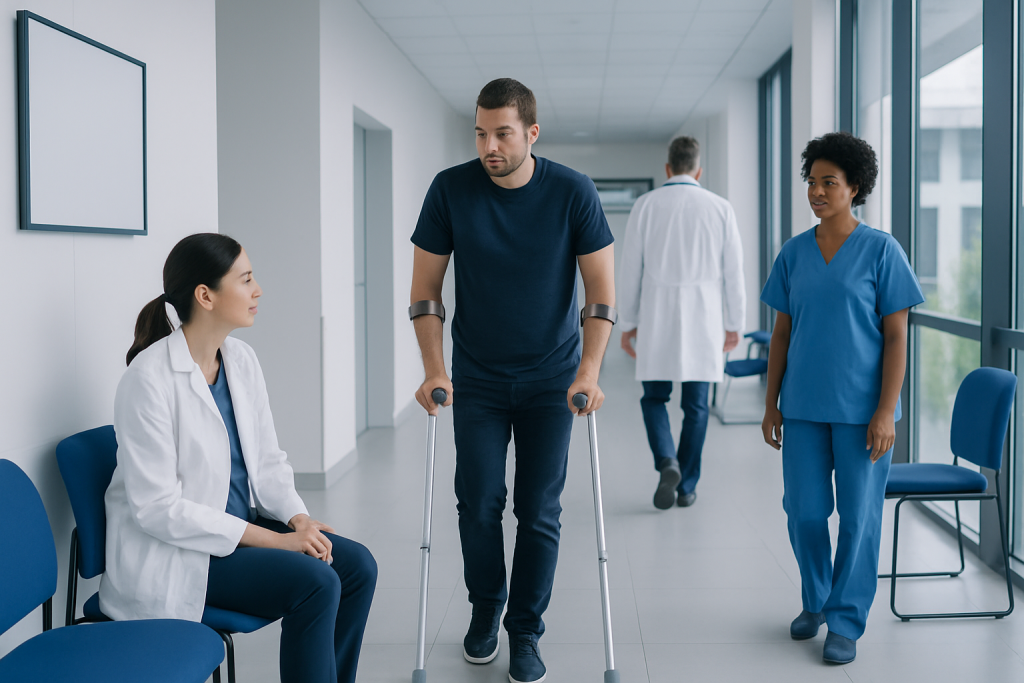
Treatment focuses on managing spasticity, maintaining mobility and supporting everyday function. Physiotherapy and regular stretching are central parts of long-term care.
Key Takeaways
- Treatment focuses on managing spasticity, maintaining mobility and supporting everyday function.
- Physiotherapy and regular stretching are central parts of long-term care.
- Medicines, injections or selected procedures may be considered when stiffness is painful or limits function.
- Progression varies greatly between genetic types and from one person to another.
- Many people with uncomplicated hereditary spastic paraplegia have a normal or near-normal life expectancy.
- Genetic counselling can help individuals and families understand inheritance and testing options.
Hereditary spastic paraparesis treatment does not currently remove the underlying genetic cause, but it can reduce muscle stiffness, support safer walking and preserve independence. Care is individualized and commonly combines neurological assessment, physiotherapy, exercise, medicines for spasticity and practical mobility support.
Overview: How hereditary spastic paraparesis treatment works
Hereditary spastic paraparesis treatment, also called hereditary spastic paraplegia (HSP) treatment, aims to reduce leg stiffness, improve movement and balance, prevent complications and help the person remain as active and independent as possible. There is not yet a treatment that corrects all genetic causes of HSP, so care is usually focused on symptoms, rehabilitation and long-term planning.
HSP is a group of inherited neurological conditions that mainly affect the long nerve pathways controlling movement in the legs. The typical features are gradually increasing stiffness, weakness, muscle spasms and difficulty walking. Some people have “pure” HSP, affecting mainly the legs and bladder function, while “complex” HSP may occur with additional neurological or developmental features.
A neurologist usually coordinates care with physiotherapists, rehabilitation specialists, occupational therapists, genetic specialists and other clinicians as needed. Treatment plans should be reviewed over time because symptoms, goals and practical needs can change.
How fast does hereditary spastic paraplegia progress?
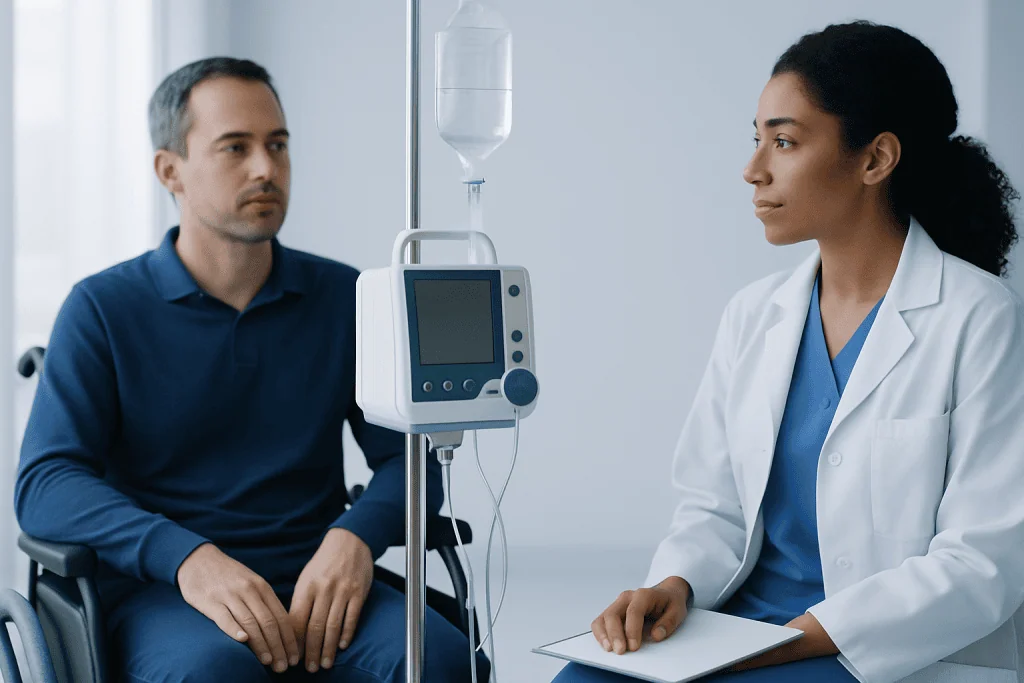
The speed of progression is highly variable. Symptoms may begin in childhood, adolescence or adulthood, and they often develop gradually over years or decades. Some people notice only mild walking difficulty for a long time, while others need walking aids earlier in the course of the condition.
The underlying gene variant, age at symptom onset, whether HSP is pure or complex, general health and access to rehabilitation can all influence a person’s experience. Progression is not usually predictable from symptoms alone, which is why a neurological assessment and, when appropriate, genetic testing are helpful.
Regular follow-up allows the care team to monitor walking, falls, pain, fatigue, bladder symptoms and changes in daily function. Early adjustment of rehabilitation and mobility support can make a meaningful difference to comfort and safety.
Does hereditary spastic paraplegia get worse?

Hereditary spastic paraplegia is commonly slowly progressive, meaning leg stiffness and walking difficulty can increase over time. However, the pattern is not the same for everyone. Symptoms may remain relatively stable for periods, and the rate of change may be slow enough that a person continues to work, exercise and manage daily activities for many years.
Worsening stiffness does not mean that useful treatment options are unavailable. Stretching, strengthening, gait training, medication review and timely use of mobility aids can reduce the impact of symptoms. Treatable issues such as pain, poor footwear, reduced activity after illness or medication side effects can also make mobility seem worse and should be assessed.
For people with complex HSP, associated symptoms may need additional specialist input. These can include coordination difficulties, neuropathy, seizures, vision or hearing concerns, learning differences, swallowing problems or urinary symptoms, depending on the genetic subtype.
Candidacy and assessment before treatment
Anyone with confirmed or suspected HSP may benefit from an individualized treatment assessment, particularly when stiffness, falls, pain, fatigue or reduced walking distance affects daily life. A specialist first considers whether symptoms fit HSP and whether there may be another potentially treatable cause of spasticity, such as spinal cord disease, inflammation, vitamin deficiency or another neurological condition.
Assessment commonly includes a neurological examination, review of family history, walking and balance evaluation, and discussion of bladder, bowel, sleep, mood and pain symptoms. Blood tests, MRI scans, nerve studies or genetic testing may be recommended depending on the clinical picture.
Genetic counselling is often valuable before and after genetic testing. It can explain what a result may mean for the individual and relatives, discuss inheritance patterns and support informed family-planning decisions. Not every person with HSP will have an identifiable genetic result with currently available testing.
- Goals may include walking more safely, reducing painful spasms, improving transfers or conserving energy.
- Baseline measures of strength, tone, balance and gait help guide treatment and monitor change.
- Care plans should account for work, school, home layout, caregiving responsibilities and preferred activities.
Treatment step by step: rehabilitation, medicines and procedures
Treatment usually begins with a rehabilitation plan. Physiotherapy may include daily or regular stretching for tight muscles, strengthening of muscles that support posture and walking, balance practice, gait training and advice on maintaining physical activity safely. A tailored home program is often essential because benefits depend on consistent, sustainable practice rather than one-time treatment.
Occupational therapy can help with energy conservation, dressing, bathing, home adaptations and work or school participation. Orthoses, supportive footwear, canes, walkers or wheelchairs may be recommended when they improve safety or reduce fatigue. Using an aid is not a sign of failure; for many people, it helps maintain access to valued activities.
If spasticity is painful, disrupts sleep or significantly interferes with walking and care, a doctor may consider oral medicines that relax muscles or reduce spasms. The choice depends on the person’s symptoms and other health conditions, as these medicines can sometimes cause tiredness, dizziness or weakness. Focal muscle tightness may be treated with botulinum toxin injections in selected cases, alongside stretching and rehabilitation.
For severe, widespread spasticity that does not respond adequately to simpler measures, specialist services may discuss options such as intrathecal baclofen therapy. This involves a carefully assessed trial followed, in appropriate candidates, by an implanted pump that delivers medicine into the fluid around the spinal cord. It requires ongoing monitoring, refills and prompt attention to pump-related concerns, so the expected benefit must clearly outweigh the practical and medical demands.
Recovery timeline, benefits and possible risks
Because HSP is a long-term genetic condition, treatment is best understood as ongoing management rather than a single procedure with a fixed recovery date. After an initial assessment, people may begin a home stretching and exercise program straight away, while physiotherapy goals are commonly reviewed over weeks to months. Improvements in flexibility, confidence, endurance or comfort may be gradual.
Medicines for spasticity are usually introduced and adjusted cautiously under medical supervision. Their effect and side effects may be reviewed over several visits. After botulinum toxin injections, any benefit typically develops over days to weeks and is temporary, so repeat treatment may be needed. Recovery after pump implantation, if used, includes wound healing, programming and regular follow-up.
Potential benefits of treatment include less stiffness or pain, easier transfers, fewer muscle spasms, improved gait efficiency and better participation in daily activities. Results vary, and reducing spasticity must be balanced carefully because some people rely on a degree of muscle tone to stand or walk.
Risks depend on the treatment. Exercise plans may need adjustment to avoid overexertion or falls. Oral medicines can cause sedation, dizziness or increased weakness. Injections can cause temporary local discomfort or unwanted weakness. Implanted pump systems involve surgical and device-related risks, including infection, malfunction and potentially serious problems if medication delivery changes suddenly; these require experienced specialist management.
What is the average life expectancy for someone with hereditary spastic paraplegia?
For many people with uncomplicated, or pure, hereditary spastic paraplegia, life expectancy is normal or close to normal. HSP mainly affects mobility, and with appropriate support many people continue to have full and active lives.
Life expectancy can be different in some complex forms of HSP, especially when the condition affects swallowing, breathing, seizures, severe disability or other organ systems. The specific genetic diagnosis and associated health issues are more informative than the name HSP alone.
A neurologist and genetic specialist can provide more individualized information after reviewing the person’s symptoms, family history and test results. Maintaining general health, preventing falls, addressing infections promptly and managing associated conditions are important parts of long-term care.
Will there ever be a cure for hereditary spastic paraplegia?
There is currently no established cure that reverses the genetic cause of hereditary spastic paraplegia. Research is continuing to improve understanding of the many genes involved and to develop therapies that may target particular biological pathways or genetic subtypes.
Because HSP includes many different conditions, a single cure is unlikely to suit every form. Future treatments may be more personalized, based on the specific gene and disease mechanism. Clinical research may be available for selected individuals, but participation should be discussed with a neurologist who can explain suitability, potential benefits and uncertainties.
Current treatment remains valuable even without a cure. Managing stiffness, protecting mobility, treating bladder or pain symptoms and supporting emotional wellbeing can improve day-to-day quality of life and help people pursue their goals.
When to seek medical care
Medical assessment is recommended for gradually increasing leg stiffness, repeated tripping or falls, weakness, painful muscle spasms, unexplained changes in walking or a family history of a similar condition. Earlier assessment is especially important when symptoms begin in childhood or when walking changes interfere with work, school or personal care.
Urgent medical attention is appropriate for sudden weakness, sudden inability to walk, new loss of bladder or bowel control, severe back pain with neurological symptoms, fever with marked weakness, or rapidly worsening symptoms. These features are not typical of slowly progressive HSP and may indicate another condition requiring prompt evaluation.
Acibadem International’s multidisciplinary specialists and JCI-accredited hospitals support diagnosis, rehabilitation and symptom management for international patients with hereditary neurological conditions. Ongoing care should remain coordinated with a qualified neurologist and local rehabilitation team.
Frequently asked questions
What is the main goal of hereditary spastic paraparesis treatment?
The main goal is to reduce the impact of stiffness, spasms and weakness on mobility and everyday life. Treatment also aims to prevent falls, maintain joint movement, manage pain or bladder symptoms, and support independence.
Can physiotherapy help hereditary spastic paraplegia?
Yes. Physiotherapy is a central part of care and may include stretching, strengthening, balance exercises and gait training. A therapist can tailor activity to the person’s abilities and help avoid overexertion or falls.
Are walking aids necessary in hereditary spastic paraplegia?
Not everyone needs a walking aid, and the need may change over time. A cane, walker, orthosis or wheelchair can be useful when it improves safety, reduces fatigue or helps a person remain active in the community.
Can medication cure spasticity in HSP?
Medication does not cure HSP or remove its genetic cause. It may reduce spasms, stiffness or pain for some people, but treatment needs to be individualized because side effects such as sleepiness or weakness can occur.
Is hereditary spastic paraplegia inherited by children?
HSP can be inherited in several ways, including autosomal dominant, autosomal recessive and X-linked patterns. The chance of passing it on depends on the specific genetic cause, so genetic counselling can provide personalized information.
Should family members have genetic testing for HSP?
Testing may be considered when a genetic cause has been identified in a family or when relatives have symptoms. A genetic counsellor or clinician can explain the possible benefits, limitations and personal implications before testing is arranged.
References
- National Institute of Neurological Disorders and Stroke
- GeneReviews
- National Organization for Rare Disorders
- Orphanet
- World Health Organization
This article is for general information only and is not a substitute for professional medical advice. Please consult a qualified doctor about your individual situation.
Explore treatments in Turkey — costs, top hospitals & a free quote
JCI-accredited · board-certified surgeons · reply within 24h
Add us as a Preferred Source to see more of our trusted health content across Google Search, AI Overviews and Discover.